

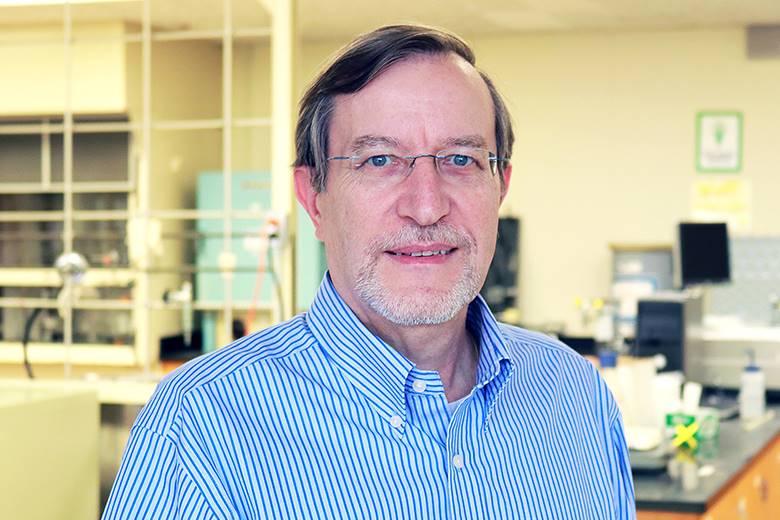
Dr. Luis Zugno appointed Chair of the LN Management Board
Leather Naturally, a member association for the leather industry, is pleased to announce that Dr. Luis Zugno has been appointed Chair of the Leather Naturally Management Board.
Luis was elected to the Management Board in 2020, serving as the leader of the Education Team. In this role he has not only overseen the production of the invaluable Leather Naturally fact sheets and supporting longer features, but created the Guide to Modern Leather Making, an easy to understand resource, freely available for anyone to access and use.
Luis succeeds outgoing Chair, Debbie Burton, Director of Communications at the Leather Working Group. Debbie is stepping down having reached the end of her six-year tenure as a member of the Management Board.
Luis currently works as the Global Innovation Manager for chemical manufacturer Buckman International. He also serves as the Executive Secretary for the International Union of Leather Technologists and Chemists Societies (IULTCS), after having previously held the role of IULTCS President. Luis has a PhD in tanning research and over 30 years of experience working in the leather sector.
Please note: The role of Chair is an appointed position, voted on by members of the existing Management Board. A new member of the Management Board, to replace the open position left by Debbie Burton’s departure, will be announced shortly.
Outgoing Chair, Debbie Burton, said:
“It has been my privilege to work with all the members of the Leather Naturally Management Board and Supervisory Council, all of whom are so passionate about our industry and all of whom give up their time voluntarily to do this work. The power of the industry coming together to better educate people about leather has never been better exemplified than in the work that Leather Naturally undertook, in collaboration with Leather Working Group to update bovine leather in the Higg MSI. This work does not come for free, maintaining and updating the resources also carries a cost and our work is not done. As outgoing Chair I urge anyone who has not already done so, to pledge their support through membership of this dedicated organization.”
Incoming Chair, Dr. Luis Zugno, said:
“It is a great honor to be appointed as the Chair of the Leather Naturally Management Board. I want to extend my heartfelt thanks to our supporting members, Management Board, and Supervisory Council for their unwavering support in maintaining Leather Naturally as the leading educational resource organization for leather. Keep tanning!”
About Leather Naturally
Leather Naturally promotes the use of responsibly made, certified leather. Its website www.leathernaturally.org is a key resource for information about modern leather manufacturing and the part it plays in a more sustainable society.
Media enquiries
For all media enquiries, please contact info@leathernaturally.org
Leather Naturally launches Leather Repair Directory
Leather Naturally, a global membership organization for the leather industry, has launched the Leather Repair Directory, a dedicated online listing of professional leather repair service providers. This new resource is designed to connect both consumers and businesses with skilled repair providers worldwide, emphasizing leather’s durability and the environmental benefits of leather as a material.
Now featuring over 100 businesses, the Leather Repair Directory showcases a curated selection of service providers from across the globe who specialize in restoring and extending the life of leather goods—from furniture and apparel to automotive interiors. By promoting repair over replacement, Leather Naturally aims to encourage sustainable consumer behavior, reduce waste, and highlight leather’s unique qualities as a long-lasting, renewable material.
The Leather Repair Directory is available to browse on the Leather Naturally website — it is free to access and not restricted to members only. The Directory will be continuously updated to include new providers, making it easier for consumers and businesses worldwide to choose sustainable options for their leather products in their local areas.
For more information and to explore the directory, visit https://jimd45.sg-host.com/leather-repair-directory/
Want to be featured in the Leather Repair Directory? Get in touch with the Leather Naturally team by emailing admin@leathernaturally.org.
LN, LWG and SPIN360 establish New Leather Industry Dataset in Higg MSI
29th October 2024 – Leather Working Group (LWG) and Leather Naturally announce that a combined data submission done by SPIN360 from their respective Life Cycle Assessment (LCA) studies has been adopted as a new average for bovine leather by the Higg Materials Sustainability Index (Higg MSI).
The new dataset, included in the October 2024 update of the Higg MSI, results in the environmental impacts of bovine leather being between 55% and 67% lower than the previous MSI value for leather. The Global Warming Potential, which previously showed an impact of 36.8 points on the Higg MSI scale, is reduced by 60% to 14.6 points. This significant shift advances real change, promoting a more nuanced understanding of bovine leather as a sustainable material choice.
This comprehensive effort was conducted by SPIN360, utilising data collected from 45 manufacturing facilities across 18 countries and evaluated 92 leather products with the intention of providing a global representation of bovine leather. It encompassed key leather end-use sectors, including footwear, automotive, leather goods, and upholstery.
“At Leather Working Group, we regard transparency as fundamental to fostering meaningful progress in the leather industry. Our collaboration with Leather Naturally reflects this commitment, and we are proud to see our combined Life Cycle Assessment data integrated into the Higg MSI update. This milestone underscores the significant advancements in sustainable leather production and reaffirms our dedication to responsible industry practices” said Christina Trautmann, Director of Sustainability, LWG.
Kim Sena, from Leather Naturally’s Impact Team, added, “Leather Naturally undertook this initiative on behalf of the industry to provide an updated perspective on leather manufacturing. We thank the Leather Working Group for their partnership and celebrate this positive result, which is now recognized in the updated Higg MSI.”
Federico Brugnoli, CEO of SPIN360, added, “Environmental characteristic of materials are becoming a key intangible value in the international market scene. SPIN360 reaffirms its commitment towards high data quality in Life Cycle Assessment. It is only through the elaboration of primary data that brands, and industry players can take proper data-driven decisions and tanneries can define mid- and long-term strategies for the environmental improvement of leather.”
Press contact: communications@leatherworkinggroup.com
-ends-
Leather Working Group (LWG) is a global non-profit, multi-stakeholder initiative committed to building a world where leather is sourced, produced, and used sustainably, protecting people and the planet. LWG supports and encourages the use of responsibly made leather as a sustainable material by inspiring, educating, and challenging those that produce and use leather. Through collaboration, convening, and standard setting, we are collectively creating a transparent leather value chain that achieves positive impacts aligned to the Sustainable Development Goals. Learn more at www.leatherworkinggroup.com
Leather Naturally promotes the use of responsibly made certified leather. Its website www.leathernaturally.org is a key resource for information about modern leather manufacturing and the part it plays in a more sustainable society.
Spin 360 Srl is a consulting firm specialising in sustainable innovation and development across multiple industries. Founded in 2009 the company supports businesses achieve sustainable growth by providing data-driven tools, processes, and strategies that enhance environmental and social responsibility. Learn more at www.spin360.biz
Global leather industry COP29 Recognise role of leather in climate ambitions
Buy better, buy less, buy leather
Consumption is one of the key drivers for man-made climate change. Consumers are driven to want more, buy more and ultimately discard more and more products, many of which are of poor quality, have short life spans and are designed to be discarded and replaced, rather than repair or repurposed. There is no better example of this than the fast fashion industry which uses a claimed 350 million barrels of oil a year and produces 282 billion kilogrammes of greenhouse gases from the production of polyester alone. Some 100 billion garments are produced annually with as many as 45 billion never being worn. Of those that are, most are discarded after 7-10 wears, resulting in 92 million tonnes waste going to land fill every year[1]. This situation is only expected to get worse, with Textile Exchange reporting that consumption of polyester alone, rose from 63 million tonnes in 2022 to 71 million tonnes in 2023[2]. Fashion is responsible for approximately 10% of total global greenhouse gas emissions and despite The Fashion Charter, set up in 2018 to provide a pathway to net-zero emissions by 2050, emissions remain unsustainably high.
Fashion is not the only sector blighted by an excess of consumption and the related environmental impacts, including climate change. It is no surprise then, that governments around the world are developing regulations intended to reduce the impact of the products that we buy every day, driving improvement in sustainable design, circularity and extended producer responsibility. Regulations like the requirement for Digital Product Passports (DPP) in the draft EU Ecodesign for Sustainable Products regulation (ESPR) will give consumers greater insight on the impact of the production of their products, as well as their expected lifespan, repairability and end of life options, allowing for better, more sustainable purchases. Keeping products for longer due to their innate durability and potential for repair will give consumers the opportunity to buy better and importantly, buy less.
Leather is an ideal material to meet these ambitions. Leather utilises an unavoidable by-product to manufacture a versatile, durable material that can be used to make long-lasting, repairable products with a huge potential for circularity. Owners will cherish their leather products, repairing them and even passing them on to subsequent owners. Products made from long-lived leather can have an undeniably positive action in reducing the climate impact of fashion and other sectors. Indeed, research has found that the climate change impacts of natural fibres in garments were negative if the number of wears was increased by 50% because emissions associated with the manufacture of a new synthetic garment were averted[3].
However, leather faces considerable challenges, not only from the nonsensical claims of agenda groups, which undermine brand and consumer confidence but also well-intentioned but misguided regulatory efforts. Leather is one of the derived products listed in Annex 1 of the EU Deforestation Regulation, despite there being no evidence that it is a driver of deforestation. Indeed, analysis by the School of Advanced Studies Sant’Anna has shown that demand for hides has no direct influence on the number of cattle reared and slaughtered and as such, does not drive deforestation[4]. Furthermore, the study found that the impact of the EUDR on the leather sector could be devastating and achieve nothing for the reduction of deforestation. It could however, result in millions of hides being discarded to rot in landfill, with the associated emissions of greenhouse gases.
Similarly, giving consumers greater understanding of the expected lifetime of their products is to be welcomed but it will be essential that the measures used are evidence-based and realistic. The current proposals in the EU’s draft Product Environment Category Rules for Apparel & Footwear, which may form the basis of the DPP under the EPSR, are not and in no way represent the true lifespan of leather goods. If consumers are not told the true story of leather, they may simply opt for cheaper, short-lived synthetic products, driving consumption of fossil fuels and waste.
The undersigned note that the Framework for Action proposed by the Presidency for COP 29 includes a call for an ‘Inclusive process for inclusive outcomes’. We wholeheartedly support this call. The leather industry is constantly working towards ever greater sustainability and circularity, but our efforts will be undermined if regulators and brands do not give proper consideration to the real impacts and benefits of naturals materials like leather. We humbly request that the voice of the leather sector be heard in the development of the policies and regulations needed to combat manmade climate change.
Therefore, we, the undersigned organisations, call on the COP to endorse our call to:
- Recognise the cyclical, climate efficient nature of leather and its potential for a positive contribution to reducing the climate impacts of consumer products. In particular, a full and proper impact assessment of the role of leather as a driver of deforestation and the development of reliable measures of the lifespan of materials and products and their impact on consumption
- Support LCA methodologies that accurately account for the environmental impact of all materials, including end of life properties and the consequences of use and substitution.
- In keeping with the aspiration for reduced consumption, greater circularity and reduced waste, to promote ‘slow fashion’, durable products, and items that can be used many times, repaired and refurbished, and last for years.
- Wherever feasible to encourage the use of natural fibres like leather and reduce unnecessary reliance on fossil-fuel-based materials.
Signatories to the Leather Manifesto
- Alliance Française du Cuir (AFC)
- Australian Hide Skin and Leather Exporters’ Association Inc (ASHLEA)
- Centre for the Brazilian Tanning Industry (CICB)
- Centro Tecnológico das Indústrias do Couro (CTIC)
- China Leather Industry Association (CLIA)
- Confederation of National Associations of Tanners and Dressers of the European Community (COTANCE)
- Fédération Française des Cuirs et Peaux (FFCP)
- Fédération Française Tannerie Megisserie (FFTM)
- International Council of Hides, Skins and Leather Traders Association (ICSHLTA)
- International Council of Tanners (ICT)
- International Union of Leather Technologists and Chemists Societies (IULTCS)
- Leather Cluster Barcelona (LCB)
- Leather & Hide Council of America (LHCA)
- Leather Naturally (LN)
- Leather UK (LUK)
- One 4 Leather (O4L)
- Society of Leather Technologists and Chemists (SLTC)
- Sustainable Leather Foundation (SLF)
- Türkiye Deri Sanayicileri Derneği (TDSD)
- UNIC Concerie Italiane (UNIC)
- Verband der Deutschen Lederindustrie e.V. (VDL)
- Wirtschaftsverband Häute/Leder (WHL)
- Zimbabwe Leather Development Council (ZLDC)
Footnotes:
[1] https://earth.org/statistics-about-fast-fashion-waste/
[2] https://textileexchange.org/app/uploads/2024/09/Materials-Market-Report-2024.pdf
[3] Stephen G. Wiedemann et al, Resources, Conservation and Recycling (2023), Volume 198, 107119
[4] https://www.euroleather.com/images//documents/Socio-economic_and_environmental_analysis_of_the_effects_of_the_EUDR_on_the_European_leather_sector.pdf

Meet Lindsey Riley, Associate Dean at School of Design and Technology
“Traditionally leather has been seen as a material that can tell a story. In a sense it’s about recognising and honouring the narratives embedded within a garment or accessory’s life cycle”
During September 2024, we have been driving our mission led messaging, encouraging consumers, designers and students to repair, re-purpose and re-use – particularly with the backdrop of global Fashion Weeks in full flow.
We caught up with Lindsey Riley, Associate Dean, School of Design and Technology at London College of Fashion, University of the Arts London. In this conversation, we explore the use of sustainable materials in student designs and why we need to optimise undergraduate understanding for the quality and longevity of leather.
Lindsey has an impressive track record in fashion education spanning over 10 years at London College of Fashion, leading a BA (Hons) course in Fashion Bags and Accessories at the start of her career.

Where it all began
“I studied fashion design at Manchester University and graduated in 1982. I came to London as a student to showcase my portfolio and secured a role consulting to Nigel French Trend Forecasting, where I eventually took a full-time role.
I subsequently joined a training consultancy called Insight, specialising in leather and footwear. At the time it was a company making prototypes of shoes. I was brought in to lead their trend forecasting. I eventually bought into the business, became a co-owner and helped build its growth over 25 years.
Following the 2008 economic crash, we faced a point of fundamental change. Client budgets were being driven down and we were facing huge competition from digital knowledge platforms like WGSN. It was almost impossible to compete with 24-hour coverage!
From trend forecasting to teaching
After a career as a Fashion Trend Consultant, I was given the opportunity to pivot towards teaching and I became a Course Leader at London College of Fashion. With my background in business, I approached my work with a similar mindset, with the same commitment and approach to my students and their development as I would a commercial team and customer base.
Whilst at first, I found it very different to working in industry, I really enjoyed my role and after 5 years became Programme Director and then subsequently became Associate Dean – driving day to day operations, team leadership, troubleshooting and working closely within the leadership team.
I maintained my own learning whilst teaching and studied for an MA. I am currently studying for a Doctorate in Education at the Institute of Education, UCL researching interpersonal skills and teamwork.
How important is fashion sustainability in teaching at the London College of Fashion?
London College of Fashion and UAL have spearheaded sustainability for many years now. We have a Centre for Sustainable Fashion and it’s always been a big focus for us. It is built into everything that we do.
We recruit Climate Advocates from the student body ensuring that we always integrate student perspectives to ensure we are getting things right. For many years, students have been engaging with sustainable materials but they are often constrained by what they can get hold of in small sets of stock and samples. However, students are ever inventive in how to use repurposed materials.
At London College of Fashion, we are constantly challenging ourselves to consider social responsibility, inclusivity and diversity. We are alive to the fact that in a western society moving towards wasting less, we must also encourage our students to think about how to consider and reduce overproduction.
Use of leather materials
The sustainability conversation around leather and its alternatives is nuanced. Our role as educators is to provide students with a comprehensive understanding of both to address misconceptions and ensure young designers can make informed, ethical, and sustainable choices in their design practices.
This means critically examining not only the origins of materials but also their life cycles, environmental footprints, and cultural significance. Naturally, many vegan students won’t be able to justify using leather and will seek synthetic alternatives, so it’s important that we can offer a complete picture.
Repurpose and repair of materials
The re-use of materials is a significant trend amongst students. In fact, a recent denim competition provided an opportunity for our students to design new repurposed items which resulted in some incredible pieces created from upcycling thrift store denim garments.
What does the future of teaching sustainable fashion look like?
The climate crisis, sustainability, inclusivity, diversity and social justice are key themes embedded within our courses.
“We have a wide range of specialty courses such as footwear and leather accessories, outside of traditional clothing designer courses, which are so important for our students’ specialist career development and for the preservation of heritage crafts”
“At MA level, our craftsmanship courses are incredible”!
I am particularly passionate about emotionally durable design. Keeping clothing, footwear and apparel in the system longer happens when we have an emotional connection to what we wear. We need to treasure family heirlooms and value heritage pieces.
This is why traditionally leather has been seen as a material that can tell a story. In a sense it’s about recognising and honouring the narratives embedded within a garment or accessory’s lifecycle.
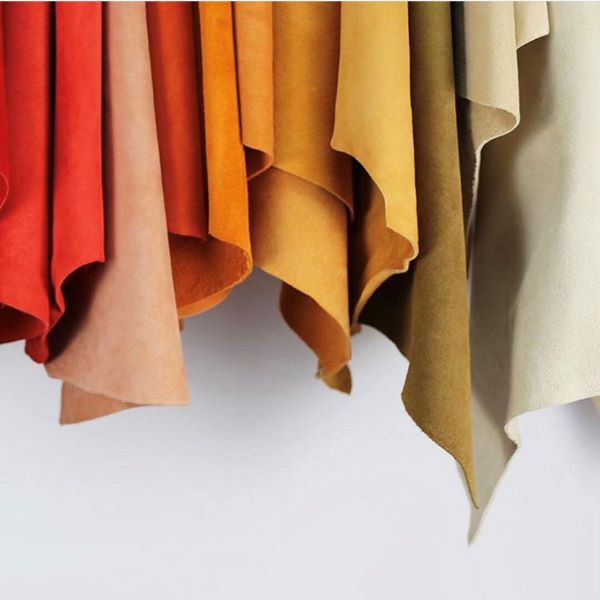
Leather Naturally seeks Management Board member to replace Debbie Burton
Hoofddorp, THE NETHERLANDS; 29 August 2024: Leather Naturally (LN) has opened nominations for a new member of its voluntary Management Board. The position will become vacant in October, after current Chair Debbie Burton steps down after two consecutive terms.
About the role:
The organisation seeks a passionate leather industry professional who believes in the mission of Leather Naturally and related initiatives. Members of the LN Management Board are able to interact with the organisation’s wide network of contacts and engage with leather industry leaders.
The Board comprises four teams, Communication, Impact, Education and Promotion and the successful candidate will have the opportunity to either join a team or serve as a general member depending on experience.
Role time investment & commitment:
- Time and motivation to contribute to Leather Naturally’s efforts directly on a voluntary basis for at least one term of 3-years
- Support from your employer to contribute to Leather Naturally
- Support from your employer to attend leather industry events and trade fairs on behalf of Leather Naturally (on an ad hoc basis)
- Attend Management Board conference call (1.5-hours/month)
- Connect with other LN teams as needed (~1-hour/month)
- Regular communication via email and/or WhatsApp on topics requiring an opinion or decision-making from the Board
Person specification:
- More than 5 years’ experience in the leather industry
- Ability to work in an international team environment
- Highly motivated team player
- An understanding of consumer messaging and brand awareness
- Fluent in both written and spoken English
- Able to present Leather Naturally as speaker
- Access to a network within the industry
Thank you to Debbie Burton!
This role will replace outgoing Management Board member Debbie Burton, who has served two consecutive terms over the past six years. Debbie previously led the Communications Team and now holds the role of Chair of the Management Board. Reflecting on her time with Leather Naturally, Debbie said:
I am so incredibly proud to have been part of this team for the past six years. The work we have done and the difference we have been able to make is all down to a group of passionate volunteers. To my Leather Naturally colleagues, past and present, I thank you for your expertise, your dedication, and your friendship.
Want to apply?
If you would like to learn more about this role or wish to submit yourself for consideration, please send a CV and cover letter to Debbie Burton, Chair of the Leather Naturally Management Board, via info@leathernaturally.org by Monday 16th September 2024.
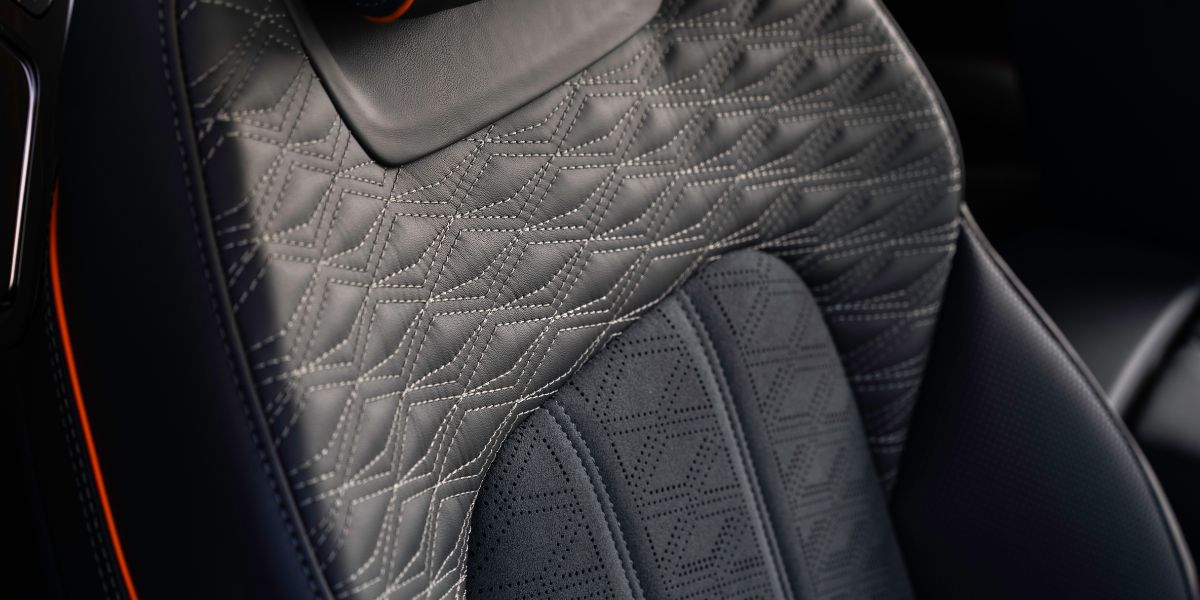
Bentley first car manufacturer to join Leather Naturally
- Leather Naturally welcomes luxury British marque as first automotive member
- International NGO encourages use of certified, responsibly-sourced leather
- Global body promotes leather as natural by-product that supports responsible circular economy
- Bentley was first car-maker to introduce a fully organic leather option in 2021 and join the Leather Working Group
- Company’s sustainable leather policy a part of its Beyond100 strategy
(Crewe, 22 August 2024) Bentley Motors has become the first automotive member of Leather Naturally, the global voice of the sustainable leather industry. The international, Non-Governmental Organisation (NGO) is dedicated to promoting the use of certified, properly-sourced leather as a natural by-product of a responsible circular economy.
The new partnership with Leather Naturally is just the latest environmental initiative by Bentley, underscoring the brand’s ongoing commitment to its Beyond100 strategy to become the global leader in sustainable luxury mobility. In 2021, Bentley was the first automotive member of the Leather Working Group, promoting responsible business practices and environmental compliance within the leather industry.
At the same time, the luxury British marque introduced the first, sustainable leather option for customers, utilising a sustainable leather tanning process that uses an organic by-product of the olive oil industry. Olive Mill Waste Water tanned Leather is produced with tanning agents free of harmful heavy metals, minerals and aldehydes.
Marc Stang, Technical Expert, Leather and Colour Development at Bentley Motors, said:
“Leather is a timeless, luxury material that has always epitomised the elegance, durability and quality of a hand-crafted Bentley interior. It has a rich history that dates back decades in our cars and has always stood the test of time. The application of the latest sustainable leathers allows an even wider variety of choice for our customers and further supports our industry-leading Beyond100 strategy.”
Debbie Burton, Chair of Leather Naturally, added:
“Leather Naturally is delighted to welcome Bentley as a member. As a brand synonymous with both luxury and leather, this partnership underlines its commitment to furthering sustainability and ongoing improvement through its Beyond 100 vision.”
Leather Naturally has a global membership from a wide range of industries. The NGO uses educational and promotional activities which focus on leathers made from hides that are a by-product of the food industry, therefore supporting a responsible, circular economy. Such materials would otherwise be turned into waste.
– ENDS –
Notes to editors
Bentley Motors is the most sought-after luxury car brand in the world. The company’s headquarters in Crewe is home to all of its operations including design, R&D, engineering and production of the company’s four model lines, Continental, Flying Spur, Bentayga and Mulsanne. The combination of fine craftsmanship, using skills that have been handed down through generations, alongside engineering expertise and cutting-edge technology is unique to UK luxury car brands such as Bentley. It is also an example of high-value British manufacturing at its best. Bentley employs around 4,000 people at Crewe.
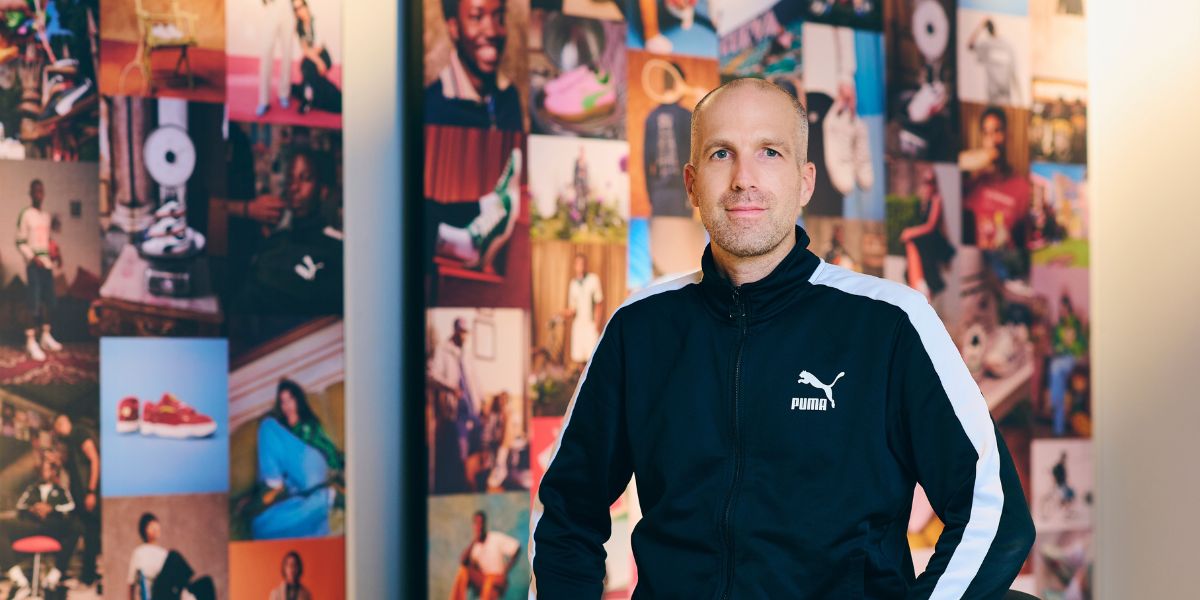
Interview with Romain Girard, VP Innovation at Puma
RE:SUEDE was a first important step in shaping a circular future for Puma and their customers. Puma has been working on the fashion industry’s waste problem for some time. In fact, in 2012, the brand launched InCycle: a closed-loop collection which included a shoe which was designed for composting.
Unfortunately, the infrastructure wasn’t quite there, and neither was the demand, so it never took off. In the years since InCycle, Puma’s innovation department worked hard to address the technological limitations of previous collections and apply the learnings to the RE:SUEDE experiment.
It was during this time the team noticed a positive shift in consumer behaviour. Conversations around circularity were gaining momentum, and consumer desires for better fashion choices were growing.
In 2021, PUMA’s Circular Lab launched – a platform to speak out and learn about circularity together with customers. The platform provided a perfect opportunity for the RE:SUEDE experiment to develop.
Leather Naturally caught up with Romain to explore the RE:SUEDE journey,, the highs and lows and the importance of taking the first experimental steps in developing a sustainable future for footwear.

Romain, you have been in sports footwear design and innovation for over 20 years. What inspires you about the experimental journey you are currently undertaking?
Ultimately, I am driven by performance, supporting and elevating athletes to create history. And my ambition is about always striving to do things better.
I began to understand that if the industry continued to make footwear in the way we were – to create the best footwear at any cost – that’s never going to end up well. We all became more engaged with planet impact. And we became committed to doing bigger things more sustainably. But the bottom line was that we were always facing challengingly high costs.
Why did biodegradability become the right direction for Puma?
There is not one solution to make a better product for the planet. We see multiple tracks. We wanted to work with partners that are very good at reducing the impact of materials that make our products.
We also had to embrace the journey of learnings that Puma had already undertaken and that’s when this project began to take off again.
Whilst developing the shoe, we began the search for an industrial composting partner who shared our vision for the experiment. We reached back to our Leather supplier, Ortessa, and recognised they still believed in our mission. Based in the Netherlands, Ortessa is a family business that takes a different approach to waste: they see it as an opportunity to innovate. For RE:SUEDE, we worked with Ortessa’s Valor Composting Facility, the first in the world to use tunnel composting to process organic waste. Each year, the Valor Composting Facility generates 47,000 tons of Grade A² compost from vegetable, garden and fruit waste. Our ambition was to get to this output with the RE:SUEDE.
How do you build a compostable shoe?
Knowing the demand was there, our first real challenge was to make a shoe that people would want to wear. Stylish and comfortable: no compromises. What better candidate for a future-facing update than our original footwear legend, the Suede. The Suede hit the scene in 1968 and has been changing the game ever since.
The RE:SUEDE reimagines this icon, from the upper to the sole, lining and laces: every element has been designed with the goal to decompose it. The RE:SUEDE materials were carefully chosen for their comfort and potential to decompose.
The padding, sockliner filler and laces are made of Hemp (bast fibre). Lining and sockliner cover comprise of 55% Hemp and 45% Cotton. The upper is made with Zeology Suede – a material that is made using an improved tanning process and that ensures better comfort for the wearer.
412 pairs of worn RE:SUEDEs were returned to PUMA from the consumer test. These shoes were sent to Valor Composting. There, the shoes went through an industrial composting process. The RE:SUEDEs were shredded and mixed with other green household waste and placed into a composting tunnel. They were then sprayed with leaching-water from earlier composting that contains nutrients and naturally heated due to the biological activity and controlled air circulation in the tunnel. Every 10-14 days, depending on processing parameters, the contents of the tunnel were sieved to see how small the pieces of RE:SUEDE had become. According to our partner Ortessa:
Ortessa found, from the 1st to 4th run, that there were remaining granules over 40mm in size. After the 5th run (approximately 2.5 months), the majority of the RE:SUEDEs had broken into pieces small enough for compost (<10mm) or compost starter mix (10-40mm). The results were re-confirmed in the 6th and 7th run (approximately 3.5 months). The compost (<10mm) measuring from the process was tested and confirmed as Grade A compost under the Netherland standard applicable to Ortessa.
The certified compost (<10mm) has been sold on and is somewhere in the Dutch landscape right now. Meanwhile, pieces in 10-40mm size, mainly parts of the soles, became the compost starter mix and remained in the composting process until the parts further decompose <10mm size. According to Ortessa, the sole material showed clear evidence of bacterial decomposition, but needed more time to decompose in the composting facilities. The compost starter mix, containing the sole materials, remained in the tunnel, Ortessa estimated that it turned into compost (<10mm) within approximately 6 months.
What happens next?
We will continue working closely with our customers to build on insights so far. But there is still a duality between the desire for sustainability and a desire for low prices.
We need to find a better balance between the technology, the supply chain, in fact the whole infrastructure needed to create biodegradable footwear.
We will take the learnings from this RE: SUEDE pilot project and assess how we can scale up this approach to circularity in the future. Imagining a circular future takes determination and courage.
We are here to just do more than just selling price points and shoes. We have a bigger mission and that we will continue.
Find out more about the Puma RE: SUEDE project here.

Leather Naturally appoints Alexa Rosatti to Management Board

Hoofddorp, NETHERLANDS; 9 JULY 2024: Leather Naturally, an advocacy and member association for the leather industry, is thrilled to announce the appointment of Alexa Rosatti to its Management Board with immediate effect.
Alexa is the Coordinator for Global Communications and Marketing at Brazil-based meatpacker and tannery corporation JBS Couros. In this role, she is responsible for a range of marketing activities, including event management for trade fairs, liaising with press, managing social media channels and website content, as well as producing media and offline marketing materials. In addition, Alexa has previously worked as a journalist and in press relations for communications agencies, as well as in corporate communications for multinational companies such as Nestlé.
Debbie Burton, Chair of the Leather Naturally Management Board said:
“We are thrilled that Alexa is joining the team and thank JBS Couros for supporting her in this role. Leather Naturally exists due to the passion of its volunteer board and as we welcome Alexa, we also say farewell, and a sincere thank you to outgoing Communications lead, Claudia Spahr and TFL for her time, her dedication and her inspiration over the past six years.”
About Leather Naturally
Leather Naturally promotes the use of responsibly made, certified leather. Its website www.leathernaturally.org is a key resource for information about modern leather manufacturing and the part it plays in a more sustainable society.
Media enquiries
For all media enquiries, please contact Debbie Burton, Chair of the Leather Naturally Board via: info@leathernaturally.org
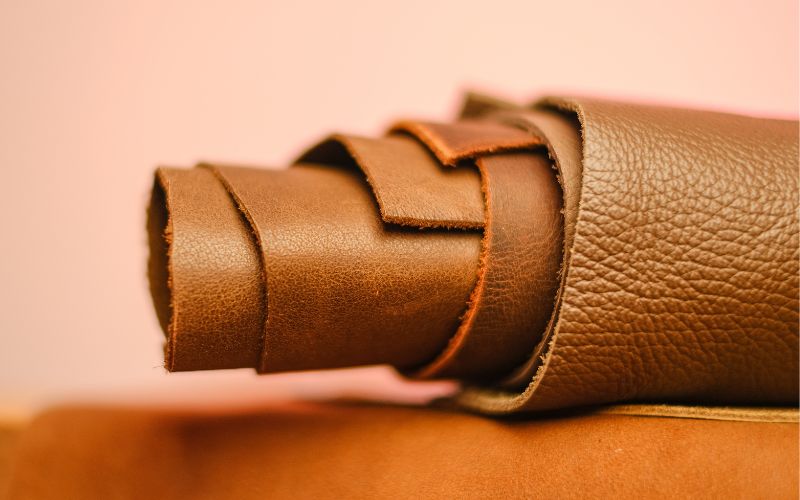
How Leather Helps Us Live More Sustainably
We all recognise we need to live more sustainably. And research shows more of us want to know how the products we purchase are made. And their impact on the environment – from manufacture to end-of-life.
There is too much misinformation about how leather is made and produced sustainably. So we’ve created this overview that highlights how leather is produced sustainably and how it affects the world around us.
Responsibly made and sourced leather is a truly sustainable material. As a natural by-product leather is very durable, long lasting and ages well. Leather needs very little in the way of life-time maintenance and still lasts for generations. Moreover, it can be repaired and repurposed.
Even after the long life of a leather article leather can be recycled and at the end of life it will biodegrade. Leather therefore fits perfectly into the circular economy model.
Leather and The Environment
Leather is a by-product of the food industry and exists only because of the meat industry. More than 99% of the leather produced globally is made with hides and skins from animals reared for meat. None of these animals were bred for their hides and skins.
Meat production generates about 11.6 million tonnes per year of hides and skins. If these were not used to make leather, they would simply be thrown away.
Leather’s impact on climate change
Ruminants, like cattle and sheep, produce methane, which is known to be a powerful greenhouse gas. However, they only produce it as part of the biogenic carbon cycle – nature’s way of reusing and recycling carbon atoms.
Unlike emissions from the fossil fuel industry, agricultural emissions do not add new carbon to the atmosphere – and, while cattle populations remain stable, will have no additive effect on global warming.
Cattle rearing can actually help to regenerate soil through regenerative agriculture practices, increasing its capacity to sequester carbon from the atmosphere. Current methodologies for measuring emissions often fail to take this into account.
In addition, the industry is making great strides to further reduce its impact on the environment by looking at the composition of animal feed to reduce methane emissions.
As such the leather industry has long repeated that, as it cannot influence the farming of livestock, the climate impacts should not be passed onto the industry.
Leather and deforestation
All action to support deforestation in the world’s vulnerable forest regions is supported by Leather Naturally and like many, recognise the need for greater transparency and traceability in supply chains.
However, that action must be targeted at those parts of the supply chain that drive deforestation and not at associated sectors that have no influence on it, such as leather manufacture. Research at the University of Montana has shown that demand for hides for leather has no direct influence on the number of animals reared and slaughtered.
If the issue of deforestation and cattle rearing is solved, the issue for the associated hides and leather will be solved by default. In contrast, if those hides are not used to make leather, the production of meat in those regions will continue and the hides will simply be thrown away.
Our industry is also taking action to create traceability certification. It ensures, as far as possible, that the leather supply chain does not contain hides sourced from illegally deforested areas – giving confidence to customers and consumers that leather products are not contributing to deforestation.
Leather’s tanning process
The three main tanning processes for leather involve chromium (III) salts, synthetic tanning chemicals or vegetable tannins. Most people automatically assume the last is the most sustainable, but research has demonstrated that the overall environmental impact of these processes is about the same.
Chromium-tanning is highly regulated, as are all chemical processes, with safer bio-chemicals entering the industry every year. Some UK tanners that use it, such as Scottish Leather Group, are among the most sustainable organisations in the entire leather ecosystem.
All three processes are safe for workers, consumers and the environment if they are done well and responsibly. The key determinant for choice of tanning agent is the performance requirements for the final product. Different tanning methods produce varying results that suit different types of leather product.
The longevity of leather
Leather lasts a lifetime. And leather pieces can be passed down through generations, making treasured leather pieces part of the circular economy.
The good news is that consumer appetite for repair, repurposing and reuse is growing. According to Precision Reports 2024, US and European consumers are driving significant demand in footwear repair services. And global sales of pre-loved items surged by 18% last year according to Global Data.
What’s more, a worldwide survey by Deloitte revealed that 90% of 16-24 year olds plan to increase fashion recycling & purchase pre-loved items.
Indeed fashion brands are now beginning to stitch repair into their customer services. And we can celebrate that reuse and resale options through the likes of DePop and Vinted have struck fire with Gen-Z shoppers. With CEO Kruti Patel Goyal at the helm of Depop, the business has increased sales to £54.3million.
There is a step change. Repair, reuse and repurposing is emerging as a steady but growing industry.
So, is leather sustainable?
Yes. It converts waste from the food industry that would be otherwise thrown away, to make products we use in everyday life.
- Leather keeps around 10 million tonnes out of landfill a year
- Leather is long-lasting
- Leather products are repairable
- Leather can be recycled
- At its end-of-life phase, leather degrades through chemical and biological means
- The leather industry creates employment and skills for millions worldwide, an important defining factor in sustainability and the circular economy.
Thank you to Leather UK for some of the information and data we have included in this article.