

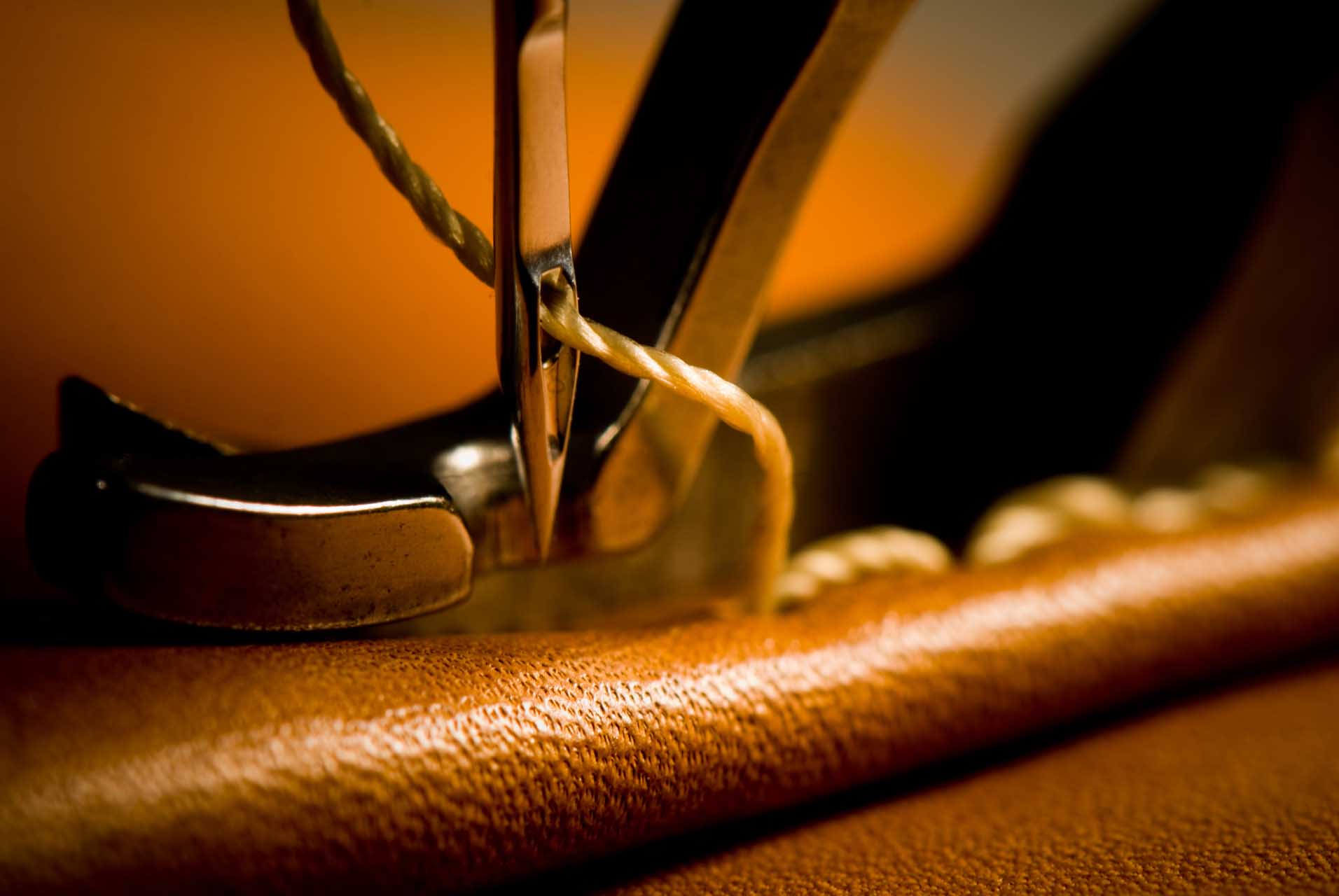
Is Vegan Leather Worse for the Environment? A Response
Harper’s Bazaar published a reasoned piece that examines whether ‘vegan leather’ is more harmful to the environment than real leather. Although the article provided some balance to an ongoing debate, it still contained inaccuracies about leather and leather manufacturing. Leather Naturally has written an open letter with an offer to supply more insight and better access to the facts.
It is good to see articles such as your recent “Is vegan leather worse for the environment than real leather?” providing some balance to a debate which has been notable for its lack of interest in any actual facts. Much of the discussion regarding leather and its substitutes has been based on myth and what appear to be deliberate inaccuracies. There is a great danger that society will take wrong, perhaps disastrous, decisions for the future of the planet as a result of the persuasive skills of very rich and passionate pressure groups.
As you further explore this topic can I suggest that organisations like Leathernaturally.org are at your disposal to provide up to date and clear information on leather. We have in the UK two members whom I am sure would be delighted to host a visit from you once we are through the current health crisis, The largest is Scottish Leather Group headquartered close to Glasgow Airport and the other is Pittards of Yeovil in Somerset. In addition we are associated with the Institute for Creative Leather Technology at the University of Northampton where their new teaching tannery has only last year been opened on the modern Waterside Campus.
They would all feel very aggrieved by the arguments that making leather should be labelled with the terms “toxic” and “heavy metals” which are both weasel terms used in an emotive way to frighten consumers. Like sodium, chromium can come be made into many forms some of which are benign like common salt, sodium chloride, and some of which are dangerous like sodium hydroxide. The chromium used in tanneries is in the form that is used for tablets for those with diabetes, and it is only in the hexavalent form that chromium can be dangerous. It should be noted that this danger is from ingestion so if, which is never the case – it were to be in footwear you would need to eat two pairs of shoes to become ill.
The ZDHC (Zero Discharge of Hazardous Chemicals) is an initiative from leading brands, adopting a program that ensures that only those chemicals with strict limitations on hazardous chemicals are being used in the process of leather making. As such, the leather industry is highly regulated with initiatives including the Leather Working Group and similar initiatives in Italy and Brasil that give brands and consumers the opportunity to use leather with a good conscious.
The other chemical complaints targeted at leather are equally spurious and usually relate to chemicals that were used over a hundred years ago, and in common used in things like cosmetics at that time, or where the science is totally misrepresented.
Something similar relates to complaints about the use of energy and water, both of which have been transformed in the last thirty years as new equipment has been introduced with higher levels of efficiency and reduced water consumption. Companies like Scottish Leather produce most of their own energy from a self funded thermal energy plant that uses their own inputs, and the small amount which they buy in is all from renewables. Similarly their water consumption is minimal and they recycle at least 40% as a norm.
One of the problems for leather is that many of these calculations are loaded with figures from the livestock industry, which are themselves often spurious. In particular Livestock’s Long Shadow from the FAO in 2006 gave figures that are still quoted today, despite the authors admitting to errors in the calculations. Often the water consumption for leather is 95% made up of rainfall on the fields where cattle graze.
This is somewhat distressing for tanners as since the beginning of society no one has bred livestock in order to make leather. 99% of all leather comes from Cattle (including buffalo and yak), Sheep, Pigs and Goat all kept for meat or milk. That is why the EU has recently accepted in its Product Environmental Category Rules that hides and skins are a byproduct of the meat and dairy industry and that leather should not carry a major carbon footprint from the Livestock side. The actual figures in their calculation were that for cattle it should be 0.42%, and for skins 0.04%.
If such data is fed into your future articles ones then the position of leather would be more balanced. Leather comes from a byproduct of the meat and dairy industry that otherwise would go to waste, and the cost of throwing hides away as we have started to see during this crisis, appears to be somewhere between £3 and £8 a hide which is why there has been global pressure to keep at least the early stages of tanneries open at this time.
If you follow through on this utilization of waste as a Circular Economy benefit you will be aware that one of the major benefits for the environment is for consumers to use items longer, and then have them repaired. Although as you say some of the new plastics being used to substitute leather have indeed got a nice feel they are nearly all coated textiles – usually PU or PVC coated polyester – and they do not last very long before the top starts to abrade or disintegrate. On the other hand leather items usually last for many years, and can be repaired. This has the advantage that we do not need to return for new resources to make new things so often, and that in a repair economy a significant number of skilled craftworkers are employed. In Leather Naturally we encourage members to work with designers to produce products more easily repaired and built for longevity with care where zips are put and to use threads that will not easily break and are keen to promote more repair shops for footwear and other items.
Given that leather comes from a natural, renewable resource that is byproduct of another industry and offers a versatile, biophilic material which helps us live more comfortably in a world of technology, metal and glass and is characterized by longevity we think it is one of the most sustainable materials.
Being a by product the volume of leather available is limited so other materials are needed, and we can have no objection to those who do not want to wear leather. In this regard the use of the term leather to cover these materials with terms like “vegan leather” is in our opinion deliberately intended to confuse consumers. Such activity that has been prosecuted under the trade descriptions laws has always been successful. Leather has had its definition maintained in the UK since 1603, and is covered by a global ISO definition today which makes it quite clear that leather can only come from the “hide or skin of animal, essentially intact”.
The fact that these alternate materials nearly all come from fossil fuels, are usually a mix of plastics making recycling impossible even if collection for reprocessing could be increased above the dreadfully low rates today. In landfill plastic generally takes between 500 and 1 million years to degrade. We would much prefer consumers used some of the biologically based materials you mention, although the actual processing they use is not very transparent, and we are aware that most of these incorporate quite large proportions of polyurethane that are rarely disclosed. It does appear that in the main those behind these materials are working hard to improve them, and indeed since there is some overlapping technology we have already seen some of them working with tanneries on their R&D.
Finally we should say that we accept that in accordance with the actual original definition of toxic too much common salt in the wrong place can be “toxic” and damage drinking water or other fresh water. In the same way we do recognize that a tiny minority of tanners in certain high profile locations do continue to flout the law through ignorance or lack of enforcement of the laws. Mostly these are small historic units often with illiterate workforces and management. We are strongly opposed to their continued existence and are glad to see that action appears to be underway to either train and guide them to be working according to international standards or eliminate much of this sector. We are active in encouraging this and hoping it can be achieved promptly. Whatever the chemistry or industry it cannot be acceptable that people or the planet be mistreated via refusing to offer safe working conditions or to clean up solid or liquid wastes being produced.
One of the reasons that these “legacy” situations remain in a few mostly far flung places is that the livestock industry has always been widespread and the leather industry has been a major force in providing large numbers of jobs to pull impoverished people out of poverty. Last century the development of South Korea, Taiwan, China and many other countries was largely led by the huge numbers of jobs provided by making leather and from it garments, footwear, gloves bags and the like creating the modern tax paying middle classes they needed. A cursory reading of Brundtland’s full definition of sustainability, which remains the primary reference, makes it clear that eliminating poverty has to be a major pillar of any programme of sustainability.
Note to editors
Leather Naturally promotes the use of globally-manufactured sustainable leather. Its website www.leathernaturally.orgis a key resource for information about modern leather manufacturing and the part it plays in a more sustainable society.
Media enquiries: Debbie Burton, Communication Team, info@leathernaturally.org

Frankfurt Show 2019: Will manufacturers be transparent about interiors?
As fans gather to witness the unveiling of new car models one question remains – will the car industry have a better understanding of the sustainability of leather versus materials derived from finite resources and be transparent in both its labelling of alternative materials and in its communication with customers?
The exterior is no longer the only point of interest when it comes to new cars – vehicle manufacturers are eager to transform and increasingly focus on marketing the interior of the car. We have seen a fashion for replacing leather, an organic material, with oil-based plastics and synthetics, somehow conflating ‘vegan’ with ‘sustainable’, which when the stated objective is sustainability, is a misrepresentation of science.
Man-made materials in vehicles aren’t necessarily a new phenomenon. They have been around for a long time – and can make sense for certain parts of the car where leather might not be the first choice. Most leather alternatives though, are made of plastic-based polyurethane chloride (PVC) and polyurethane, both pose serious environmental threats given that they are usually manufactured from fossil fuels and are not biodegradable.
Demanding transparency from car manufacturers
Labelling of synthetic alternative material for the interior of cars often incorporates the term ‘leather’ in an attempt to associate with the positive benefits of leather but without being transparent about the true origin of the synthetic material used.
However, the term leather is strictly defined by British, European and International Organisation for Standardisation (ISO) standards and refers to only material originating from the skins or hides of animals. As Dr Kerry Senior, director at the UK’s leather trade federation, Leather UK pointed out in an article published in the The Independent (15.08.19), “There is no such thing as vegan leather.”
Modern Leather Production supports a Circular Economy
Hides and skins are a by-product of the meat industry. It would be an ecological disaster to send them all to landfill instead of taking responsibility and making use of them and thus enable a circular economy. Properly made and sourced leather ticks all the boxes of a truly sustainable material.
Modern leather manufacturing is highly regulated and a clean, non-polluting industry and responsible car manufacturer brands use leather from reputable, audited sources. Leather is also easy to care for and ages well and is very durable, it will most likely survive much longer as the alternative materials.
Note to editors
Leather Naturally promotes the use of globally-manufactured sustainable leather. Its website www.leathernaturally.org is a key resource for information about modern leather manufacturing and the part it plays in a more sustainable society.
Media enquiries: Debbie Burton, Communication Team, info@leathernaturally.org
Why fashion designers should look to leather for sustainability
The Fashion industry has been called out for its waste problem, but it can help, not as some seem to think by shunning leather but embracing it.
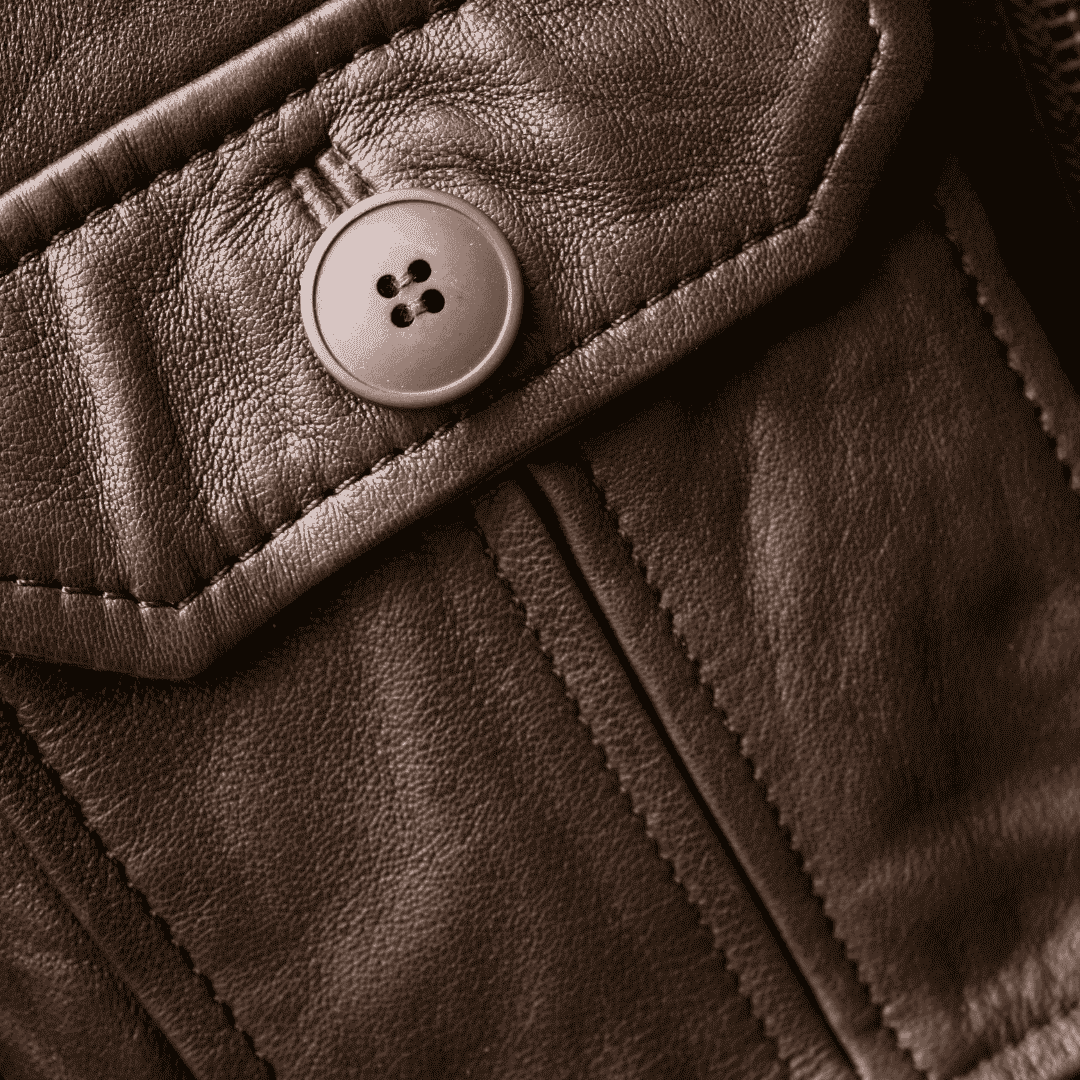
Leather was perhaps the first recycled material. Hides and skins are a by-product of the meat industry, that if not turned into leather would contribute to landfill. Moreover its versatility lends itself to innovation and creativity as it can be used to create a huge range products from the softest leather pants to the most structured handbag.
The world needs more sustainable materials but choosing imitation leather often means choosing synthetics derived from finite resources, with a poor environmental footprint. Replacing a natural material, with oil-based plastics or conflating ‘vegan’ with ‘sustainable’ is one of the biggest mistakes the fashion industry can make. Advances in utilising alternative plant-based materials give us more options as consumers, but many require bonding with synthetics for strength so don’t provide a quick fix.
The simple and quick fix we can all act on is to buy less, buy better. Leather is natural by-product, it is versatile, long lasting and repairable. In short, leather is the perfect material for a world that needs to consume less, reuse more and recycle everything.
Note to editors
Leather Naturally promotes the use of globally-manufactured sustainable leather. Its website www.leathernaturally.org is a key resource for information about modern leather manufacturing and the part it plays in a more sustainable society.
Media enquiries: Debbie Burton, Communication Team, info@leathernaturally.org