


A Guide to Buying Vintage Leather
Well made leather lasts a long time and unlike most man-made, or synthetic materials it gets better with age, acquiring a depth of patina and wear pattern that is individual to the user – much like a favourite pair of jeans.
As we mindfully look for ways to lower consumption, leather very much fits with the ethos of ‘buy less, buy better’. Investing in quality leather products, is investing for the future.
Echoing the Leather Naturally sentiment that ‘some things just get better with age’ Coveteur has published a guide on how to shop for vintage leather. Calling on advice from vintage experts at Vestiaire Collective and The RealReal as well as a leather care expert, the piece explain what to look for and how the worn imperfections in leather can add to the appeal of one-of-a-kind items.
Featuring style advice, care tips and Intsa inspo, the Coveteur feature is a great place to start your quest for the perfect vintage leather investment.
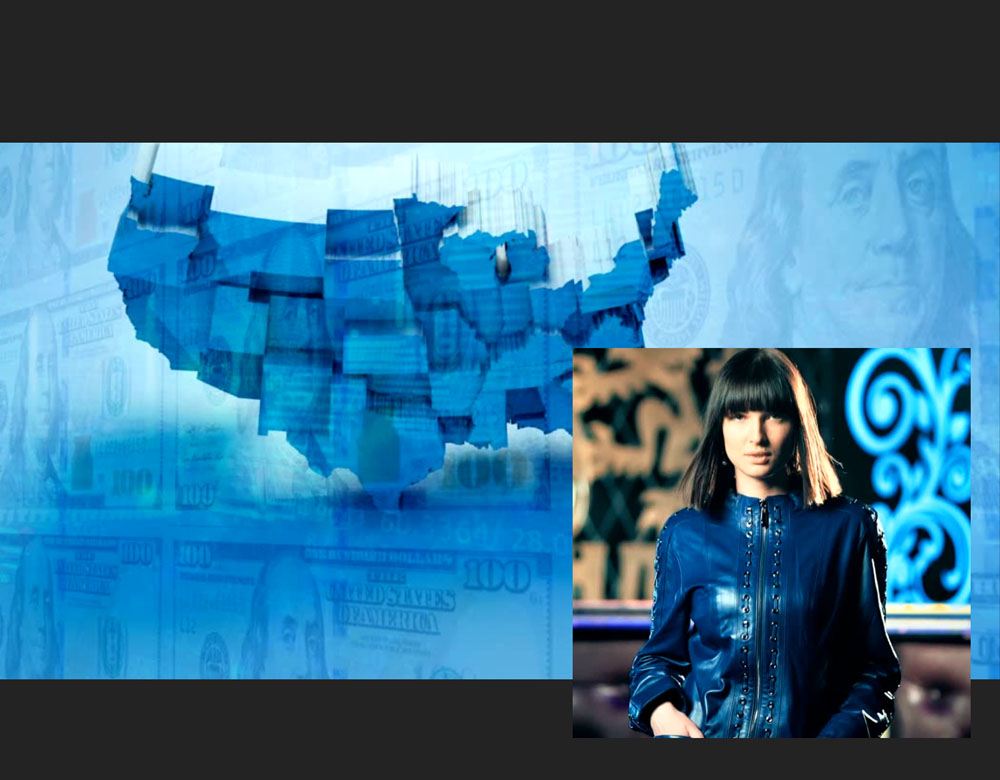
Gen-Z Will Accelerate Millennial Trends
Gen-Z doesn’t regard luxury in terms of brands, but unique items that express individuality.
How Gen-Z and millennial are shaping the future of US retail’ is a podcast by McKinsey that talks, community, differentiated product and brand authenticity. Take a deep dive into the detail to get a view on the future, from always-on purchasing habits to the transparency consumers desire.
www.mckinsey.com/industries/retail/our-insights/how-gen-z-and-millennials-are-shaping-the-future-of-us-retail
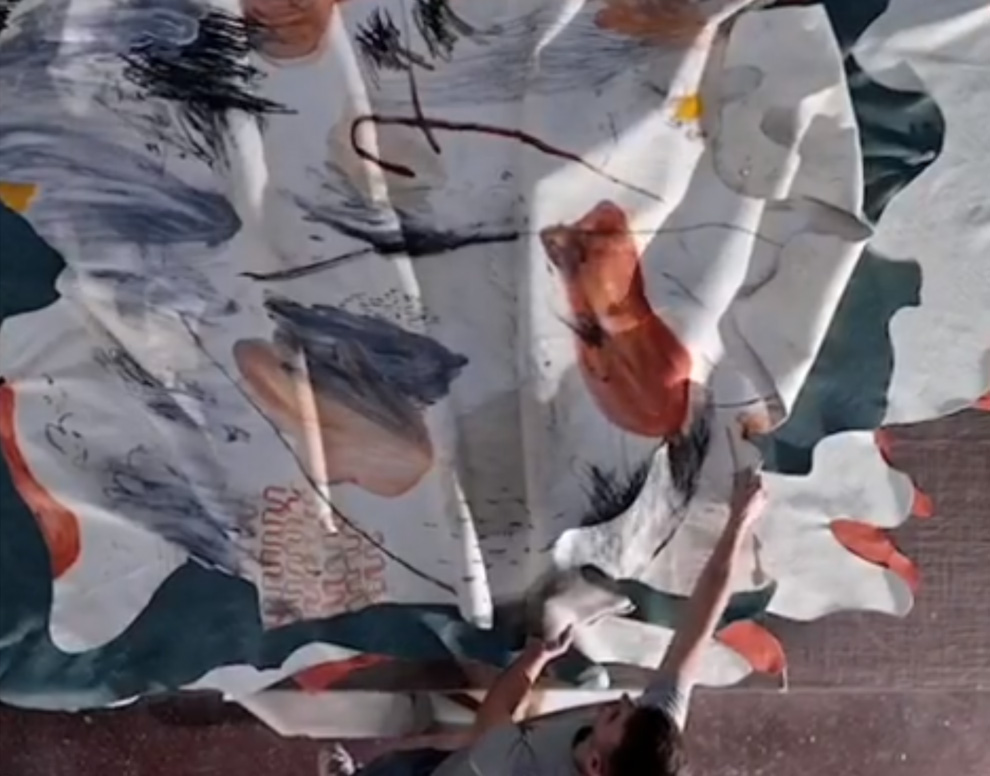
What Is the Future of Leather?
Listen to creative and founder of Bill Amberg Studio, Bill Amberg speak on the subject.
If you would like to read the ins and outs of this impressive interior designer, read Meet the Maker – Bill Amberg.
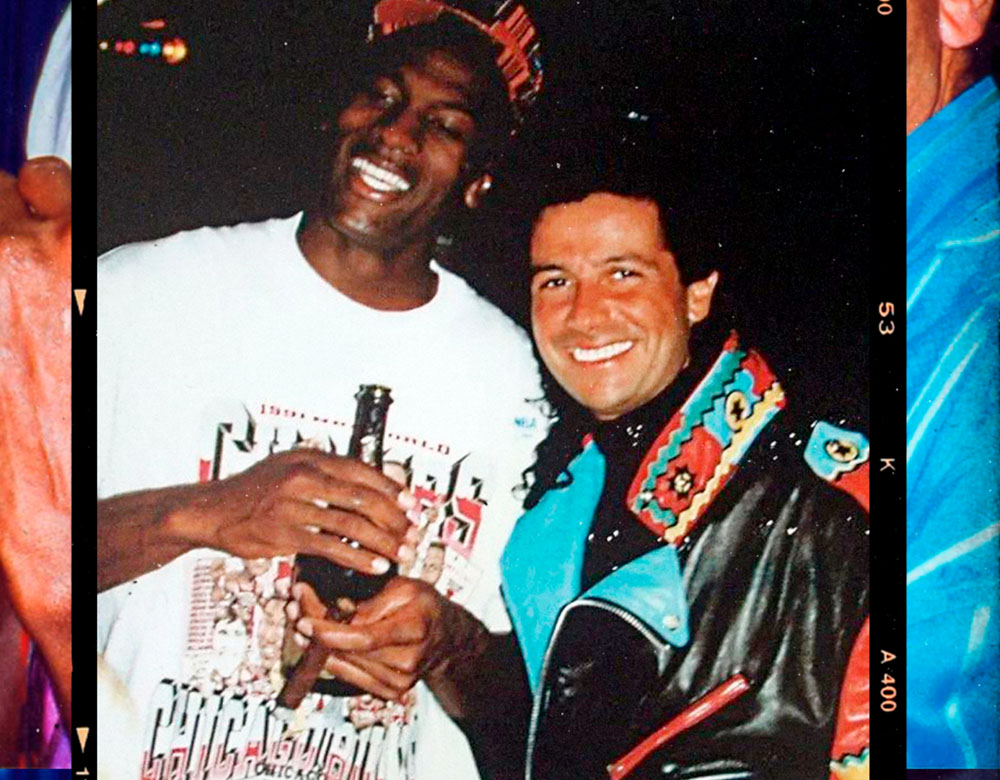
Jeff Hamilton - The first ever licensee for Guess Jeans for Men
Jeff jumped from denim to leather, his passion
Jeff Hamilton has an initial attraction to leather, the intricate creative prociess, experienced design philosophy and plans to make his jackets more accessible for those that don’t have a wallet like the artists.
However it all started when he was a kind and big fan of basketball. He started working as a designer and founded Guess, but was always attracted to leather even when started Guess jeans. After Guess his started making leather jackets. He began designing a few jackets for NBA players. He designed for the big players like Michael Jordan.
This helped him to penetrate into the basketball industry. After the basketball industry the pop industry started wearing his jackets. Like, George Michael and Michael Jackson. He made an impact with his leather jackets. These leather jackets are not just jackets, but pieces of art. In the early 90s Jeff started signing every custom made jacket he made.
If you like to read more about the future plans of Jeff to make his leather jackets more accessible for those with a smaller budget click on the link.
https://metcha.com/article/meet-jeff-hamilton-the-leather-craftsman-to-the-stars
Credits: Jeff Hamilton & Metcha

Buy Less, Buy Better, Buy Leather
Berlin Department store to sell only pre-owned goods.
Berlin’s city government has just opened a department store. Called B-Wa(h)renhaus the pop-up shop will sell only high quality pre-owned goods ranging from apparel to furniture. The initiative is part of a wider plan to make Berlin a zero-waste city by 2030.
Read the full story here:
bit.ly/3oRVIv8
Well made leather goods from footwear, to apparel, accessories and furniture all get better with age and retail innovations that showcase long lasting products, which can continue to have value for multiple owners are to be celebrated. If successful, more stores in Berlin are planned and we look forward to seeing them.
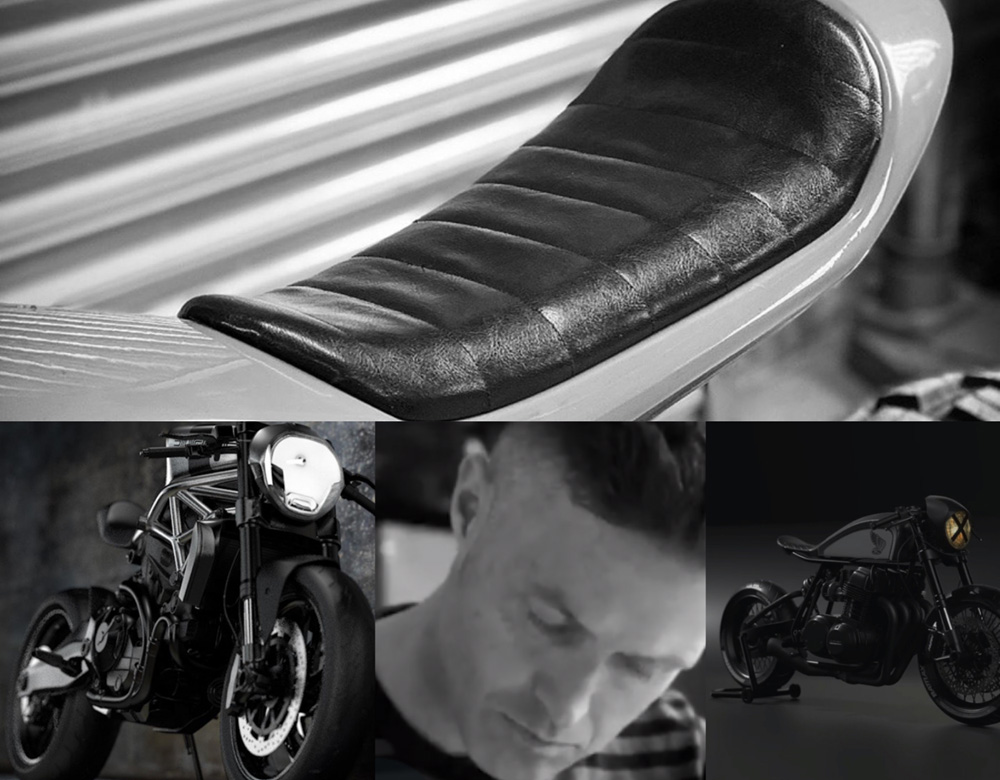
Leather and Motorcycles Are Extensions of Each Other
Passionate about motorcycles and their synergy with leather.
Leather a material that offers a natural protection, but for Paul it does more than that – for him it makes the real biker experience complete. (His personal favorites are the sets from Dainese, a brand known for its leather garments specially made for racing.) Leather is also at the heart of the experinec of Ziggy Moto, his company that specialises in custom-made bikes.
Video Player
That’s because for Paul, it’s not only about the looks, it is about functionality and the perfect performance. Plus, the ethos of reduce, reuse, recycle meaning that leather plays an important role.

“There are some aspects of riding where there could be no other material. I have a set of Dainese Leathers that I use on track, I’ve had it for years. They still fit and feel great on top of looking even better with age. They carry a number of battle scars and have been professionally repaired after a sizable crash on Paddock Hill at Brands Hatch, but that’s a great example of genuine sustainability and the ability to repair and reuse rather than discard and replace. Only leather can do this.”

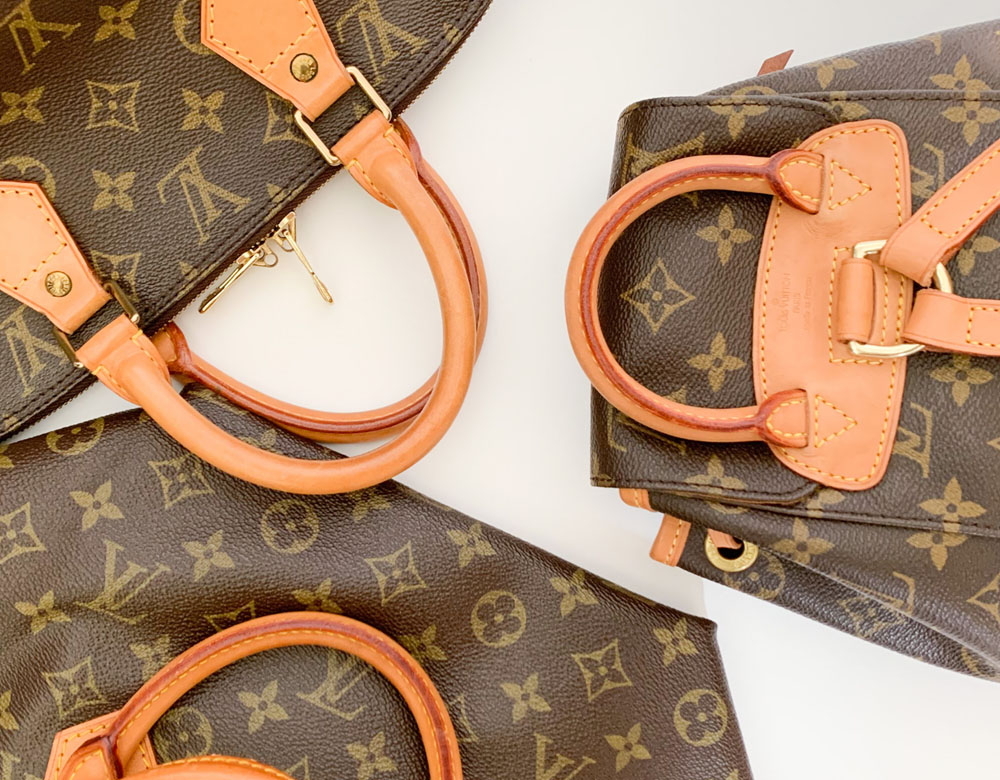
3 Reasons Why Louis Vuitton Uses Leather
Cristal clear why Vuitton uses leather. Read the 3 reasons of CEO – Michael Burke
- First, because the leather tanning industry has been traditionally a circular economy model.
- Second, LV cares about animal welfare and the farmhouses which currently work with Vuitton have been relying on protocols and are certified. Furthermore LV requires and enforce ethical treatment in addition to the welfare of animals and those who work with them ”.
- Third, there is no material that can substitute leather.
Read the whole interview with CEO – Michael Burke: https://www.laconceria.it/
Credits: La Conceria – News and insights from the leather world.
Do you like to know the benefits of leather? Download our factsheet for free (no registration)
The European Commission Called On to Regulate the Term Leather
’The European Commission is being called on to regulate the use of the term leather’. Why? Because consumers are confused.
In May 2020, The Council of Ministers approves the Italian decree protecting the term “LEATHER”.
The new law does not only set out more correct terminology: it also imposes a ban on the use of the terms “leather” (“pelle” e “cuoio” in Italian language) to identify materials not deriving from animals.
Now Cotance calls on the European Commission to regulate the use of the term leather. Click on the link to read more about this “called on”
You Are a Vegetarian and Produce Leather, Is That a Contradiction?
An interview with vegetarian Ana Maria Vasconcelos of the company Belcinto in which she explains why she sees no contradiction in using leather and looking at how they create sustainable products that last a lifetime.
Watch this the video of company Belcinto
https://www.portugueseshoes.pt/portugueseshoestv-play/can-leather-be-sustainable/3838/12.html?utm_source=sendinblue&utm_campaign=Portuguese_Shoes_TV&utm_medium=email#play3838
Is Vegan Leather Worse for the Environment? A Response
Harper’s Bazaar published a reasoned piece that examines whether ‘vegan leather’ is more harmful to the environment than real leather. Although the article provided some balance to an ongoing debate, it still contained inaccuracies about leather and leather manufacturing. Leather Naturally has written an open letter with an offer to supply more insight and better access to the facts.
It is good to see articles such as your recent “Is vegan leather worse for the environment than real leather?” providing some balance to a debate which has been notable for its lack of interest in any actual facts. Much of the discussion regarding leather and its substitutes has been based on myth and what appear to be deliberate inaccuracies. There is a great danger that society will take wrong, perhaps disastrous, decisions for the future of the planet as a result of the persuasive skills of very rich and passionate pressure groups.
As you further explore this topic can I suggest that organisations like Leathernaturally.org are at your disposal to provide up to date and clear information on leather. We have in the UK two members whom I am sure would be delighted to host a visit from you once we are through the current health crisis, The largest is Scottish Leather Group headquartered close to Glasgow Airport and the other is Pittards of Yeovil in Somerset. In addition we are associated with the Institute for Creative Leather Technology at the University of Northampton where their new teaching tannery has only last year been opened on the modern Waterside Campus.
They would all feel very aggrieved by the arguments that making leather should be labelled with the terms “toxic” and “heavy metals” which are both weasel terms used in an emotive way to frighten consumers. Like sodium, chromium can come be made into many forms some of which are benign like common salt, sodium chloride, and some of which are dangerous like sodium hydroxide. The chromium used in tanneries is in the form that is used for tablets for those with diabetes, and it is only in the hexavalent form that chromium can be dangerous. It should be noted that this danger is from ingestion so if, which is never the case – it were to be in footwear you would need to eat two pairs of shoes to become ill.
The ZDHC (Zero Discharge of Hazardous Chemicals) is an initiative from leading brands, adopting a program that ensures that only those chemicals with strict limitations on hazardous chemicals are being used in the process of leather making. As such, the leather industry is highly regulated with initiatives including the Leather Working Group and similar initiatives in Italy and Brasil that give brands and consumers the opportunity to use leather with a good conscious.
The other chemical complaints targeted at leather are equally spurious and usually relate to chemicals that were used over a hundred years ago, and in common used in things like cosmetics at that time, or where the science is totally misrepresented.
Something similar relates to complaints about the use of energy and water, both of which have been transformed in the last thirty years as new equipment has been introduced with higher levels of efficiency and reduced water consumption. Companies like Scottish Leather produce most of their own energy from a self funded thermal energy plant that uses their own inputs, and the small amount which they buy in is all from renewables. Similarly their water consumption is minimal and they recycle at least 40% as a norm.
One of the problems for leather is that many of these calculations are loaded with figures from the livestock industry, which are themselves often spurious. In particular Livestock’s Long Shadow from the FAO in 2006 gave figures that are still quoted today, despite the authors admitting to errors in the calculations. Often the water consumption for leather is 95% made up of rainfall on the fields where cattle graze.
This is somewhat distressing for tanners as since the beginning of society no one has bred livestock in order to make leather. 99% of all leather comes from Cattle (including buffalo and yak), Sheep, Pigs and Goat all kept for meat or milk. That is why the EU has recently accepted in its Product Environmental Category Rules that hides and skins are a byproduct of the meat and dairy industry and that leather should not carry a major carbon footprint from the Livestock side. The actual figures in their calculation were that for cattle it should be 0.42%, and for skins 0.04%.
If such data is fed into your future articles ones then the position of leather would be more balanced. Leather comes from a byproduct of the meat and dairy industry that otherwise would go to waste, and the cost of throwing hides away as we have started to see during this crisis, appears to be somewhere between £3 and £8 a hide which is why there has been global pressure to keep at least the early stages of tanneries open at this time.
If you follow through on this utilization of waste as a Circular Economy benefit you will be aware that one of the major benefits for the environment is for consumers to use items longer, and then have them repaired. Although as you say some of the new plastics being used to substitute leather have indeed got a nice feel they are nearly all coated textiles – usually PU or PVC coated polyester – and they do not last very long before the top starts to abrade or disintegrate. On the other hand leather items usually last for many years, and can be repaired. This has the advantage that we do not need to return for new resources to make new things so often, and that in a repair economy a significant number of skilled craftworkers are employed. In Leather Naturally we encourage members to work with designers to produce products more easily repaired and built for longevity with care where zips are put and to use threads that will not easily break and are keen to promote more repair shops for footwear and other items.
Given that leather comes from a natural, renewable resource that is byproduct of another industry and offers a versatile, biophilic material which helps us live more comfortably in a world of technology, metal and glass and is characterized by longevity we think it is one of the most sustainable materials.
Being a by product the volume of leather available is limited so other materials are needed, and we can have no objection to those who do not want to wear leather. In this regard the use of the term leather to cover these materials with terms like “vegan leather” is in our opinion deliberately intended to confuse consumers. Such activity that has been prosecuted under the trade descriptions laws has always been successful. Leather has had its definition maintained in the UK since 1603, and is covered by a global ISO definition today which makes it quite clear that leather can only come from the “hide or skin of animal, essentially intact”.
The fact that these alternate materials nearly all come from fossil fuels, are usually a mix of plastics making recycling impossible even if collection for reprocessing could be increased above the dreadfully low rates today. In landfill plastic generally takes between 500 and 1 million years to degrade. We would much prefer consumers used some of the biologically based materials you mention, although the actual processing they use is not very transparent, and we are aware that most of these incorporate quite large proportions of polyurethane that are rarely disclosed. It does appear that in the main those behind these materials are working hard to improve them, and indeed since there is some overlapping technology we have already seen some of them working with tanneries on their R&D.
Finally we should say that we accept that in accordance with the actual original definition of toxic too much common salt in the wrong place can be “toxic” and damage drinking water or other fresh water. In the same way we do recognize that a tiny minority of tanners in certain high profile locations do continue to flout the law through ignorance or lack of enforcement of the laws. Mostly these are small historic units often with illiterate workforces and management. We are strongly opposed to their continued existence and are glad to see that action appears to be underway to either train and guide them to be working according to international standards or eliminate much of this sector. We are active in encouraging this and hoping it can be achieved promptly. Whatever the chemistry or industry it cannot be acceptable that people or the planet be mistreated via refusing to offer safe working conditions or to clean up solid or liquid wastes being produced.
One of the reasons that these “legacy” situations remain in a few mostly far flung places is that the livestock industry has always been widespread and the leather industry has been a major force in providing large numbers of jobs to pull impoverished people out of poverty. Last century the development of South Korea, Taiwan, China and many other countries was largely led by the huge numbers of jobs provided by making leather and from it garments, footwear, gloves bags and the like creating the modern tax paying middle classes they needed. A cursory reading of Brundtland’s full definition of sustainability, which remains the primary reference, makes it clear that eliminating poverty has to be a major pillar of any programme of sustainability.
Note to editors
Leather Naturally promotes the use of globally-manufactured sustainable leather. Its website www.leathernaturally.orgis a key resource for information about modern leather manufacturing and the part it plays in a more sustainable society.
Media enquiries: Debbie Burton, Communication Team, info@leathernaturally.org