

Repair, Repurpose and Reuse: A Slow Fashion Movement Gaining Momentum
When The Restory announced the resignation of its co-founders, with imminent administration, the future of fashion repair looked bleak.
Established in 2017, The Restory, was considered a trailblazer. It was fashion’s leading luxury repair and aftercare service, with retail partners including Selfridges, Farfetch and Browns.
Forging new service sectors that swim against the prevalent tide need resilience. The Restory might have been the early sacrificial startup that paved the way – and lessons learned – for newer players. But whatever the impact of Restory’s demise, there’s a big problem we need to solve.
Recent research from the Waste and Resources Action Programme warns that aggressive production levels by fashion companies are wiping out the positive impacts of sustainability initiatives.
Fast fashion has a significant environmental impact. According to the UN Environment Programme (UNEP), the industry is the second-biggest consumer of water and is responsible for about 10% of global carbon emissions – more than all international flights and maritime shipping combined.
But Wiedemann et al. found that if the number of wears increased by 50%, the climate change impacts would be negative.
And according to Leather UK, garments made from long-lived, natural materials can have an undeniably positive action in reducing the climate impact of fashion and textiles.
So if we want to reduce emissions and the disastrous effects of global warming, we need to move towards repair and retain.
The good news is that consumer appetite for repair, repurposing and reuse already exists. According to Precision Reports 2024, US and European consumers are driving significant demand in footwear repair services. And global sales of pre-loved items surged by 18% last year according to Global Data.
What’s more, a worldwide survey by Deloitte revealed that 90% of 16-24 year olds plan to increase fashion recycling & purchase pre-loved items.
Indeed fashion brands are now beginning to stitch repair into their customer services. And we can celebrate that reuse and resale options through the likes of DePop and Vinted have struck fire with Gen-Z shoppers. With CEO Kruti Patel Goyal at the helm of Depop, the business has increased sales to £54.3million.
There is a step change. Repair, reuse and repurposing is emerging as a steady but growing industry.
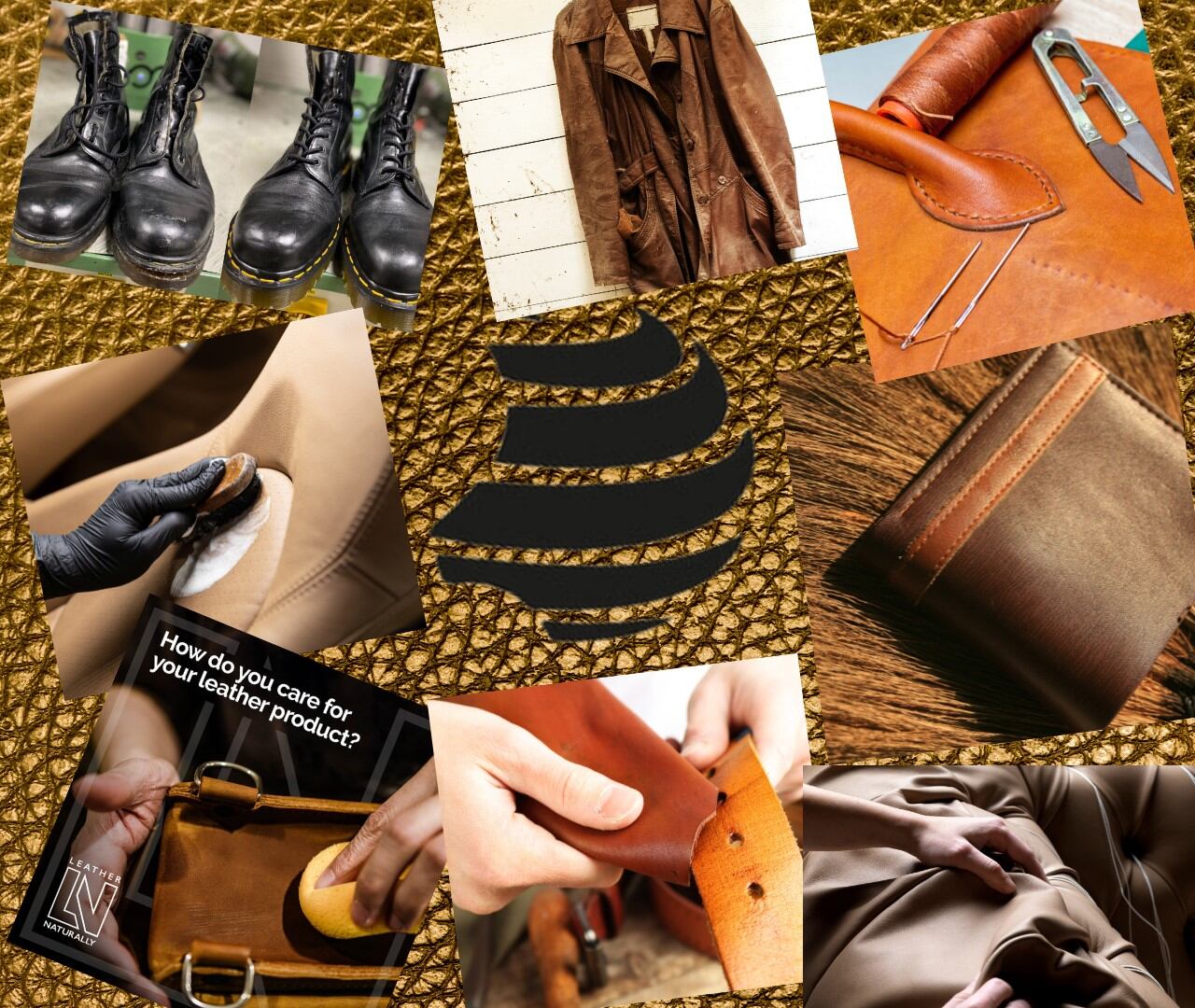
For World Leather Day 2024, we want to spotlight the champions of the repair, reuse and repurposing industry. The global players. The trade bodies. The campaigners. The repair partnerships, the teachers and the small studios. And the fact that many of the leaders in the repair and recycle industry are women? Something additional to celebrate!

Who To Follow in Fashion and Footwear Repair?
The Boot Repair Company formed in 2011 in the UK from two family businesses with over 120 years of experience in the boot and shoe repair trade.
Having recently secured a partnership with Dr Martens boot repair, The Boot Repair Company is also responsible for the repair of boots for the British Army, Royal Navy and Royal Air Force, including the Household Cavalry’s riding boots and jackboots and the boots worn by the Brigade of Guards.
The business offers a UK wide repair service for many high street brands and is an authorised repair partner for Birkenstock, Lowa, Redwing, Vivo Barefoot, Dubarry of Ireland, Haix and Solovair. The team repairs up to 5,000 boots each year for the British Armed Forces with highly skilled craftsmen repairing, stitching and welting each boot by hand.
Global luxury fashion house LVMH recently awarded its 2023 Innovation Award to repair platform, Save Your Wardrobe (SYW), a London-based startup that connects store representatives with tailors, cobblers and restorers to fix clothing, shoes, jewellery and bags.
“Save Your Wardrobe perfectly illustrates our ambition in creative circularity, a pillar of our environmental roadmap, Life 360,” Bernard Arnault, chairman and CEO of LVMH said in a statement.. “I am convinced that their solution will very quickly resonate with the aspirations of our maisons and the expectations of our customers.”
Founded in 2017 by Tunisian female entrepreneur Hasna Kourda, SYW can be integrated in store, online or with brands’ existing CRM. The platform is able to onboard in-house service providers or leverage its network of clothing care specialists. It currently works with an ecosystem of artisans in Germany, UK, France and the US (with the plan to expand to the Middle East, South Korea and Japan).
In May last year, Loewe opened a new leather goods repair and maintenance store in Osaka, Japan.
The store hosts leather artisans ready to repair and refurbish damaged Loewe products for customers. Loewe ReCraft also features services to personalise products with monograms, straps, charms and studs and sells goods made from upcycled leather scraps and material from old collections such as baskets and plaited leather clutches.
The brand has previously offered a repair service at its stores but is extending this further with a store entirely dedicated to care and repair.
Established in Australia, 1932 R.M. Williams believes there’s only one thing more comfortable than a new R.M. Williams boot, and that’s an old one! One that has become a trusted friend, that has shaped itself exactly to the eccentricities of your foot. Their ethos is that such a boot is to be treasured, to be maintained and preserved for years of faithful, comfortable wear. This is the foundation of their repair service.
Whenever their boots are in need of a tune-up, customers can bring them back to be repaired and restored by the hands that crafted them.
In Austria, Christina Roth not only makes custom, made-to-order items, she gives new life to old pieces by helping customers learn the skills of leather repair.
This includes cutting, glueing, and sewing leather, as well as learning how to place buckles and zippers, sculpt volumes and achieve perfectly smooth edges.
These techniques allow customers to create new leather goods or modify, reuse and repair. From belts and watch straps to home accessories, decorative objects, and handbags.
We recognise that many fashion houses are now offering leather repair services including Hermes, Chanel, Gucci and Louis Vuitton. And just this month, Selfridges announced the further expansion of its ReSelfridges concept store, offering second-hand and a curated selection of pre-owned accessories, while the London flagship will also offer repair, resale and customisation services, as it looks to continue encouraging customers to love and use what they already own.
We hope that by spotlighting these changemakers in repair, reuse and repurpose, we are also playing a part in encouraging consumers to think differently and honour long lasting leather pieces in all aspects of their use.
Repair, reuse and recycle – help us grow this global list:
- Atelier Petrov
- Boot Repair Company
- Christina Roth
- Die Lederprofis
- HandbagSpa
- LartisanduCuir
- Lederatelier Sikora
- Lederrepair24
- Lederservice Follman
- Lederzentrum
- Leder Reparatur
- Leder Weil
- Leather Repair Company
- Loewe
- Il Calzolaio Artigiano
- Start (lederreparaturservice.de)
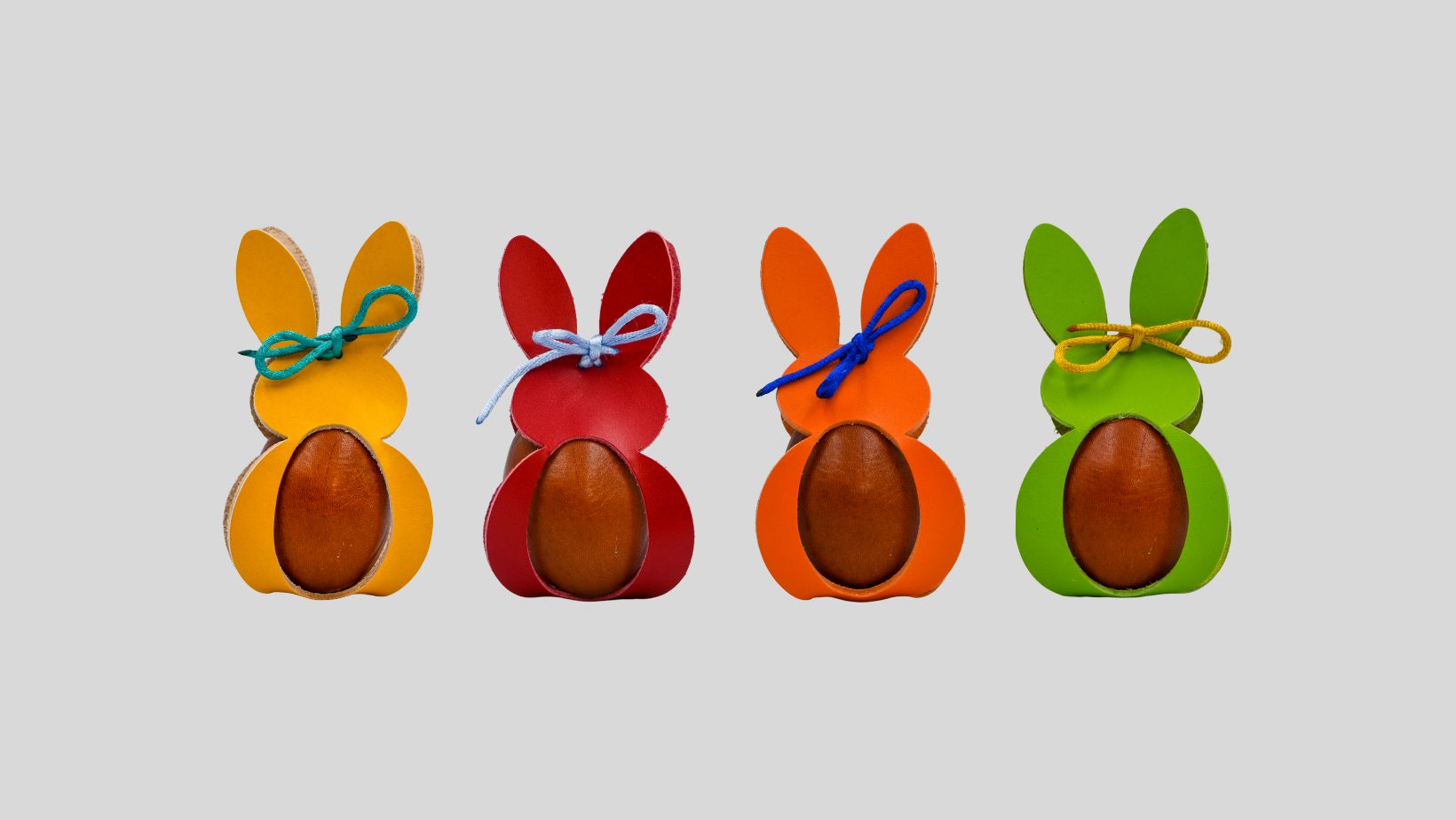
Craft A Selfmade Easter Bunny
With our member Leather Cluster Barcelona & partner Nquart Leather who made the design we like to give this DIY gift.
Step by step we explain you by the photos and the video of Nquart Leather how to make this reindeer.
Print the pattern:

Next Steps
Cut out the pattern:
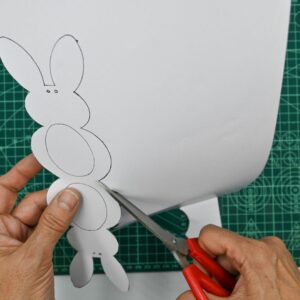
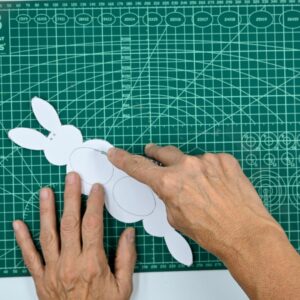
Choose the leather scraps in your preferred colors, place the patterns on the leather and use an awl or pencil to trace the pattern onto the leather.
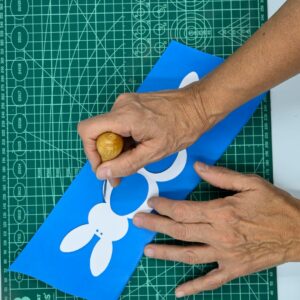
Cut out the pattern on the leather.
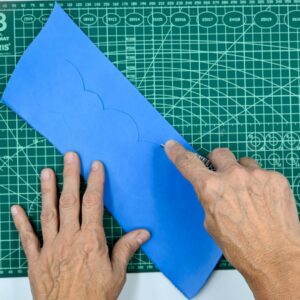
Make little holes for the eyes.
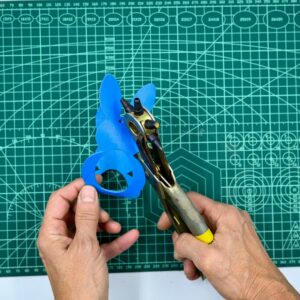
Fold the bunny in half and place a string for the connection.
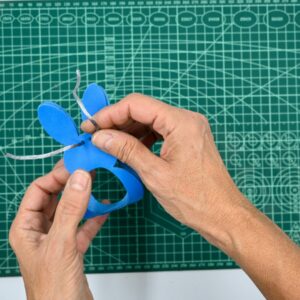
Place the egg in the bunny.
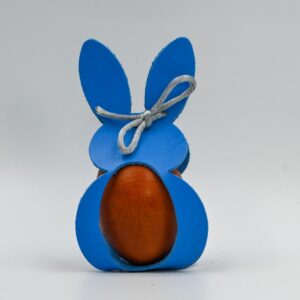
Your Easter Bunny is ready.
Your DIY leather Easter Bunny is ready to be showcased.
Conclusion:
This DIY leather Easter Bunny project not only provides a wonderful opportunity for creative expression, but also results in a nice decoration that can be cherished for years to come. Happy crafting!
Credits
Sandra Quilez López
Nquart Taller de Cuir
Instagram: @nquart_leather for instagram
Website: www.nquart.com
World Leather Day 2024
On April 26, 2024, we come together as an industry to celebrate World Leather Day, honouring the enduring and unique qualities of leather. Our theme for this year’s celebration is “Repair, Reuse, Repurpose” emphasising the long-lasting, repairable, and versatile qualities of leather that make it the ideal material for a circular society.
Why?
Environmental sustainability: emphasising the repair, reuse and repurposing of leather promotes more sustainable environmental practices. By extending the life of leather goods in these ways we can reduce environmental impact.
Reduction of Waste: recycling of leather waste or repurposing into new products or materials helps close the loop and minimise waste generation.
Economic Benefits: repairing and reusing leather goods can bring economic benefits to individuals, businesses, and communities. It allows consumers to extend the life of their leather items, which means they need to consume less so save money. For businesses, offering repair services or making reused leather products can open new sources of revenue and promote customer loyalty.
Promoting the circular economy: adopting repair, reuse and repurposing practices is in line with the principles of a circular economy, using resources more efficiently and minimising waste.
About World Leather Day
On this special day, we come together as an industry to highlight the exceptional suitability of leather for Repair, Reuse and Repurpose. We believe that embracing these practices plays an important role in minimising our environmental footprint. Whether in fashion, furniture, car interiors or leather goods, leather stands as an enduring symbol of quality and circularity, embodying sustainability in various applications.
Our Mission for World Leather Day
World Leather Day is more than just a celebration; it’s a commitment to responsible practices. We aim to foster a deeper understanding of the leather industry by showcasing its craftsmanship, innovation, and sustainability.
Join The Celebration
Whether you are a leading company or brand, a seasoned leather professional, designer, student, reporter from the industry, an employee of a leading leather-related company or a curious newcomer, we invite you to become a partner of World Leather Day and join the celebration.
Let’s celebrate the longevity and sustainability of leather on World Leather Day – 26 April!
Click here to register for the Social Media Kit. The Social Media package will be shared with you a few days before World Leather Day.
Breakfast Meeting - 20 March - Hong Kong - APLF 2024
This year the APLF Leather Fair will be held from 19 – 21 March 2024 in Hong Kong.
Breakfast Meeting – 09.00 – 10.00am
Date: 20 March 2024 (second day of the fair)
Location: meeting room N106-N108
We are excited to announce that we are taking our breakfast meeting to the next level this year! Join us for an one-hour morning session packed with engaging discussions, networking opportunities and valuable insights. Where members of our Management Board will first present Leather Naturally’s activities over the past year and reveal plans for 2024. Highlights include:
- World Leather Day and opportunities for involvement,
- Insight into Leather Naturally’s LCA research,
- And an introduction of the “Get the Facts” icon designed for retailers, brands and designers.
After the presentation, we will dive into an active panel discussion on pressing industry topics, such as:
- How brands can increase their understanding of leather,
- Using the LCA study
- Optimising social media strategies for the leather industry.
Get ready for a dynamic 1-hour session full of stimulating talks and valuable insights. Don’t miss this opportunity to connect with other industry professionals and gain valuable knowledge!
This Breakfast Meeting is accessible to everyone and as such, we invite you to bring your business partners with you. You are most welcome to join us, get into conversation and ask any questions that you may have.
Secure your place now by registering
Furthermore, Leather Naturally and its team will held on the public stage – Hall 3C a presentation about our organisation (what is LN, what are we doing, key highlights of 2023, member benefits, why join) on March 19th from 15.30-16.00 hours.
The Leather Naturally lounge will be at: level 3, concours 3E
Information about our partner:
https://www.aplf.com/
Interview with Chiara Mastrotto of leather manufacturer Gruppo Mastrotto

From your perspective, what should consumers need to know about leather and how can brands effectively communicate the sustainability aspects of their leather products to educate and engage consumers in making more informed choices?
As consumers increasingly seek sustainable and ethical products, it’s essential for brands to communicate transparently about leather’s distinctive value. As a byproduct of the food industry, leather exemplifies circular economy principles. At Gruppo Mastrotto, we believe in maximizing this potential by employing eco-friendly tanning and production methods, ensuring minimal waste and environmental impact. Brands should highlight these practices, illustrating how leather products are durable, long-lasting, and reduce waste in the long term. Leather, in fact, is a by-product of the meat food industry, a material that is valorized through the tanning process to be reused in other sectors, rather than being disposed of as waste with negative effects on our environment. Every year, tanneries around the world recover over 8 million tons of raw hides, whose disposal as organic waste would produce about 5 million tons of greenhouse gases, equivalent to the emissions of about 1 million cars driving for 10,000 kilometers. In addition to promoting sustainable practices and the inherent benefits of leather, it’s crucial to address the misleading information surrounding alternatives like ‘eco-leather’ or ‘vegan leather.’ Many of these alternatives, while marketed as more environmentally friendly, often rely heavily on plastics and synthetic materials, which have a significant environmental impact due to their non-biodegradable nature and the pollution associated with their production. The industry should actively educate consumers about these misconceptions, clarifying the differences between genuine leather and these alternatives in terms of longevity, environmental impact, and overall sustainability.
How can we as leather industry find better ways of informing consumers about the advantages of leather?
The leather industry can improve consumer education by leveraging digital platforms and social media to disseminate information about leather’s unique qualities. Leather is a high-quality, durable, and versatile material with a significantly longer lifespan than many synthetic alternatives. We can showcase the process of leather production, from sustainable sourcing to advanced tanning techniques, emphasizing its natural origin. Collaborating with designers and influencers who can advocate for the beauty and durability of leather, and participating in educational campaigns and sustainability forums can also be effective. It’s about creating a narrative that resonates with the values of modern consumers who care about quality, sustainability, and ethical production. Educating consumers through marketing campaigns, product labeling, and informative content about these aspects can help them make more informed choices.
The concept of a circular economy is becoming increasingly popular. Leather is of course part of the circular economy. Where could we as industry improve to demonstrate it to the consumers?
The leather industry is intrinsically linked to the circular economy, but there’s always room for improvement. We need to focus on enhancing traceability and transparency in our supply chains. This involves ensuring that every step, from sourcing to production, adheres to the highest standards of environmental and social responsibility. Investing in innovation to develop more sustainable tanning and finishing processes, reducing water and energy usage, and finding new ways to repurpose leather waste and by-products can significantly demonstrate our commitment to the circular economy. Additionally, collaborating with other industries to find new uses for leather scraps and promoting leather recycling initiatives can further strengthen this message.
What else do you think can the industry do to improve the general image of leather?
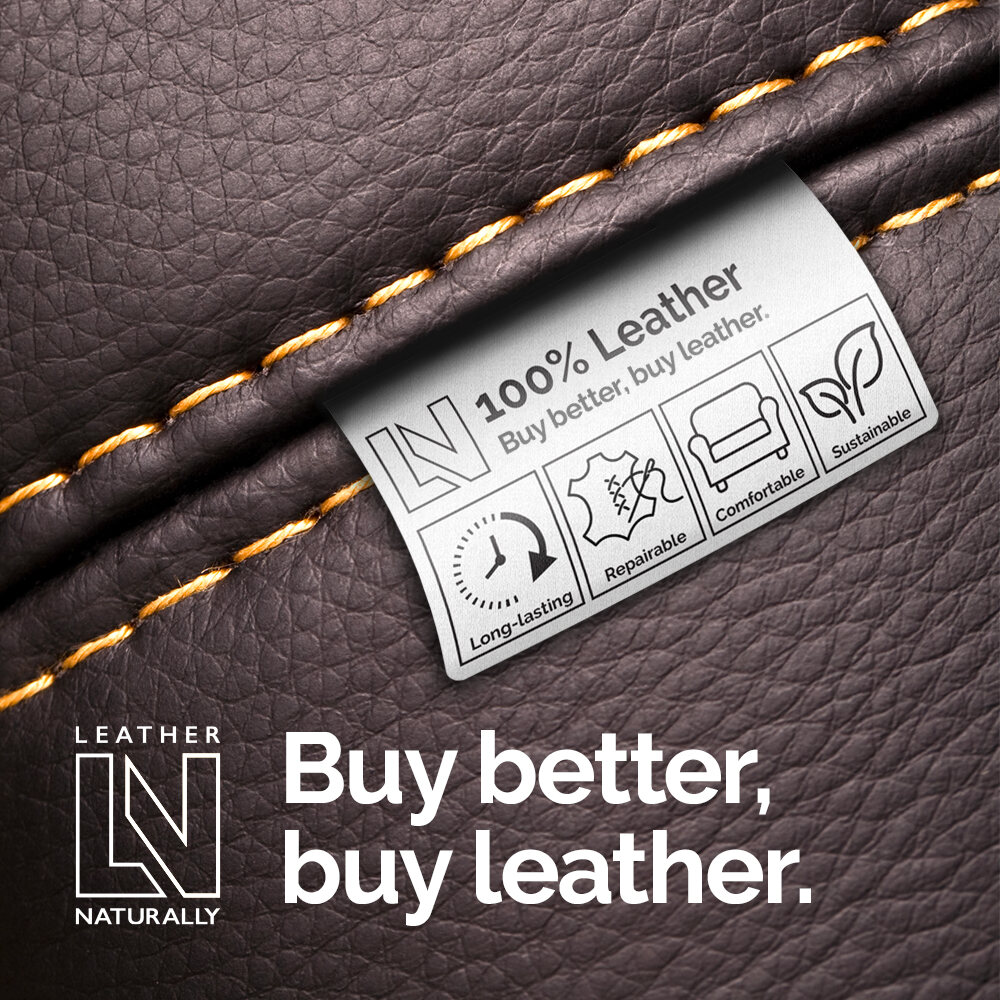
To improve the image of leather, we must address industry’s issues with facts and transparent communication. This includes actively combating misinformation about leather production and its environmental impact, but also acknowledging past shortcomings. Tanneries have faced issues like high resource consumption and environmental impact. However, recognizing these challenges has been a catalyst for significant transformation. The industry has made strides in sustainability, adopting renewable energy, water recycling, and waste reduction practices. By transparently sharing our journey and improvements, we demonstrate proactive efforts towards sustainable solutions, underscoring our commitment to a more responsible future for the leather industry. Moreover, engaging with consumers, stakeholders, and regulatory bodies to foster an open dialogue about challenges and advancements in the industry is vital for building trust and a positive reputation.
As an industry expert, what trends do you foresee shaping the future of leather?
Looking ahead, I foresee several trends shaping the future of leather. First, sustainability will continue to be a driving force, with an increased focus on eco-friendly production methods and the development of low-impact tanning processes. The demand for traceability and transparency will grow, leading to more investment in technology to track and verify sustainable practices. Second, customization and personalization will become more prevalent, as consumers seek unique, tailor-made products. Finally, there will be a continued push towards innovative uses of leather, exploring new markets and applications beyond traditional sectors. These trends reflect a dynamic industry that is adapting to the evolving demands of consumers while upholding the timeless appeal of leather.
Website Gruppo Mastrotto: https://www.mastrotto.com/
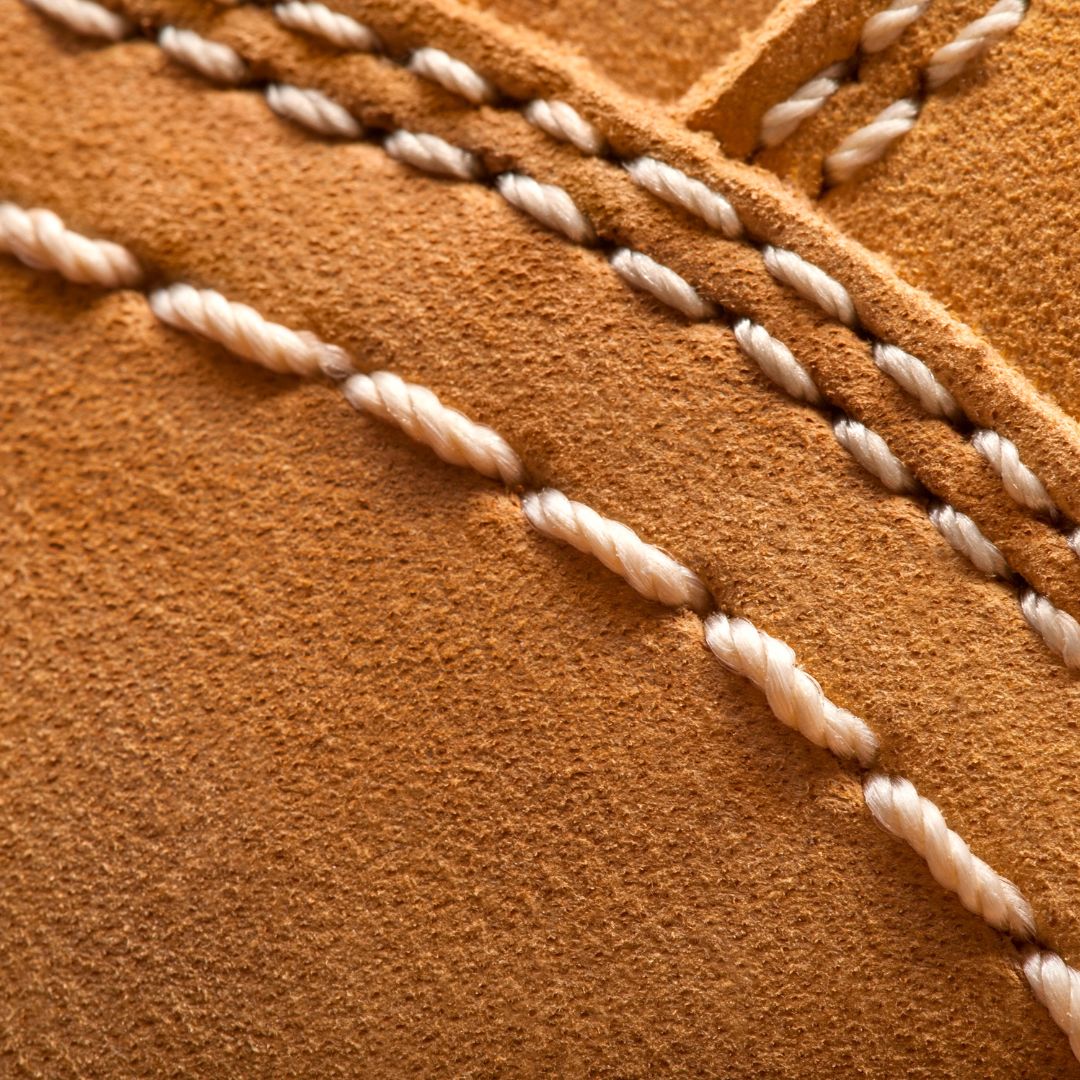

How to buy leather well?
In a world where conscious consumption is becoming increasingly important, the choices we make when it comes to our purchases can have a big impact on the environment and our overall carbon footprint. The guide below has been designed by Leather UK to help you find your way through the complicated world with a specific focus on:
- genuine leather versus vegan leather,
- how to know you are buying real leather,
- other alternatives to leather,
- real leather the sustainably responsible choice,
- how to look after your leather item
Join us on this journey to a more sustainable future if you are planning new purchases.
Guide – how to buy leather well
Website: Leather UK – https://leatheruk.org/
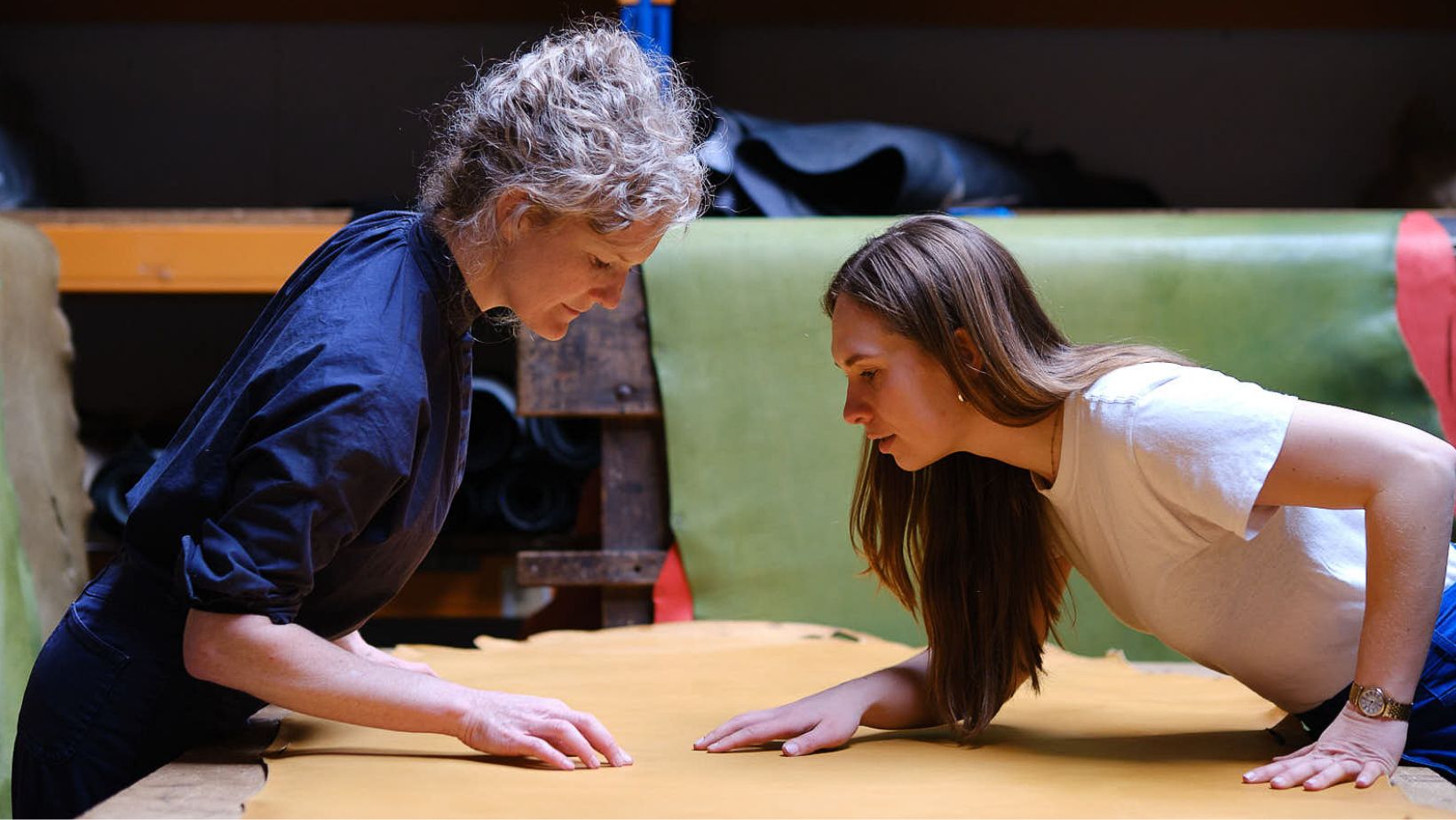
An interview with Alice Robinson & Sara Grady, British Pasture Leather
Alice Robinson
I grew up in Shropshire close to where my father’s family is from. I lived there until I left to go to University in London – to train as a Pattern Cutter for my Foundation degree and then went to Edinburgh University to study Womenswear. As long as I can remember I’ve wanted to make things and hoped I would pursue this passion in my education.
My final studies took place at the Royal College of Art where my focus was accessory design. I’d found it quite crushing that the moment you showed your collection, the first question was always – ok what’s next? Because everything I had just made was about lasting a long time! I wanted to create products that had durability built into them, both emotionally and materially.
This was when I was introduced to leather. At that time it was the material of choice to create accessories with and was not surrounded by much of the debate it attracts today. Leather became an exciting material for me to work with because of its reputation as a durable and luxurious material, but also because of all of the stories it could hold within it.
What inspired me?
I have a huge love of the countryside! My late father was a farm vet so being amongst a farming community was a large part of our lives.When I looked at leather, I really wanted to understand the material better. What animal has this come from? Why are these marks there on the surface and what systems or practices were behind its creation?? The material seemed to have been plucked from one world and landed anonymously on my desk in London. But the answers were not easily available so it became inspiring to me – something to really learn more about. And at the same time, the conversations we had amongst our student cohort around leather and its connections to agriculture and sustainability were developing.
I started looking at leather from a point of enquiry and wanted to explore this further and examine the existing narratives. As a material that is defined as a by-product of the meat industry, leather has become disconnected – perhaps because it has often been treated as worthless. I went back to the farming community that I had grown up in. To understand the material and its connection to an animal’s life, the rearing of that animal for food and its landscape.
I bought a sheep from a local farmer and decided to create a collection by working only with the fibres (wool and leather) from that sheep. I served the meat of the sheep at the showcase of Collection 11458, sparking conversations about why we feel so uncomfortable confronting the inescapable truth that leather, and therefore fashion, originates in our food systems..
By this point I had graduated. I followed on to create a collection called Bullock 374. This work involved spending a year learning from a local nature friendly farmer and gaining insight on the many stories that are hidden within leather goods. Creating the collection was an opportunity to learn and shift from commentary, to research and into action. The collection was subsequently shown at the V&A museum’s exhibit FOOD: Bigger than the Plate and I have since written about that journey in my new book Field, Fork, Fashion: Bullock 374 and a designer’s journey to find a future for leather
From the feedback I received, an opportunity became apparent to look at creating leather with a clear and visible link to agriculture. At this point I was introduced to Sara Grady, my British Pasture co-founder. From the farming community side and the design side – we were both looking at the hidden provenance of leather.
Sara Grady
I’m originally from New York City – so I’m very much a city kid!
My career background covers diverse areas. As a young person, I was involved n art, theatre, dance and music. I studied film production and worked in media production as a producer on films, TV, music videos and commercials and then moved to digital media. I have always approached my work with a sense of curiosity, and that led me to work in documentary style and educational content.
I loved the production process, but eventually I reached a crossroads: I didn’t want to just comment on things that had already happened. I needed to find a way to participate in things that interested and concerned me. I actually reached a point where I was producing a TV show and I didn’t even own a television! I decided I wanted to do something that was closer to nature and would give me agency in responding to societal and planetary crises. Something that was not only inspiring but would give me a lifetime of learning.
I identified food as the sector where all those interests and concerns overlapped. I found a way to start working on food systems issues. At that time it was not as developed a sector as it is now. I am envious of young people who are lucky to have the opportunity for a degree in sustainable food systems!
I built a relationship with an organisation in the Hudson Valley region. Initially by volunteering as a filmmaker and making media for their fundraising purposes. In doing that, I became an expert on their programmes which were under development at the time. I became a Programme Director and then the VP of Programmes for Glynwood Centre of Regional Food and Farming. I spent several years in a leadership position across a range of food and agriculture issue led programmes.
What inspired me?
For me personally it was a tremendous time to learn and put all my learned creative skills into service for the things that I personally cared about. It was where I learned about agriculture and food production and that is where my interest in animal hides began.
I had been a vegetarian from the age of 13 but when I got involved in food system topics, I began spending more time looking at sustainable, high quality farming. I developed a much more accurate picture about the realities of animals raised for food. Getting involved with the small independent, sustainable farmers in the Hudson Valley – a similar landscape to the UK – for grazing animals and producing high quality meat, gave me a whole new understanding. I began to learn it is possible to raise animals in a way that honours their welfare.
In fact those grazing animals are incredibly important to the farm ecosystems and to the landscape. Holistically and thoughtfully managed livestock systems actually bring incredible benefits to people, farm ecosystems and biodiversity.
I went from being vegetarian to becoming an omnivore with a strong belief in using all parts of the animal – and this wonderful British term,“nose to tail eating”. I felt that meaningfully using the whole animal demonstrates respect for its life.
At the same time, I was creating programmes to instil similar values amongst professional chefs. One of the ways we did this included demonstrations of humane animal slaughter. It was incredibly important to us to do this honestly and deliver those experiences.
In addition, few farmers actually knew what happened to the hides of the animals. I started investigating and realised through talking to the abattoirs, that the hides get lost – becoming invisible in a global system of trading. And yet there was a tannery just an hour away, so I began delivering small experimental batches of hides to the tannery, just to explore the possibility of making leather that was connected to local farms.

(Alice left & Sara right)

Craft a selfmade leather reindeer
Embrace the festive spirit of December and get to work on a delightful do-it-yourself (DIY) project – craft your own leather reindeer. This creative leather project combines the warmth of natural materials with the joy of holiday symbolism. The result is a unique and personalised decoration which is great for giving to loved ones or is sure to attract the attention of your guests.
With our member Leather Cluster Barcelona & partner Nquart Leather who made the design we like to give this DIY gift.
Step by step we explain you by the photos and the video of Nquart Leather how to make this reindeer
- Print the pattern:


Next steps
2. Cut out the pattern:
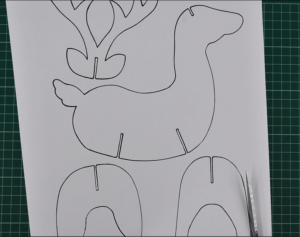
3. Choose the leather scraps in your preferred colors, place the patterns on the leather and use an awl or pencil to trace the pattern onto the leather
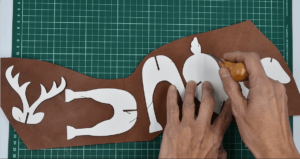
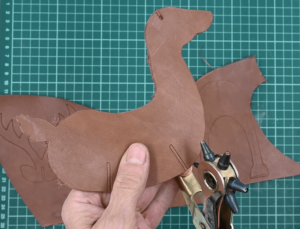
4. Cut out the pattern on the leather
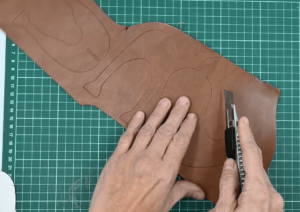
5. Cut notches for the legs, antlers and make holes for the eye.
6. Assemble the legs and antlers
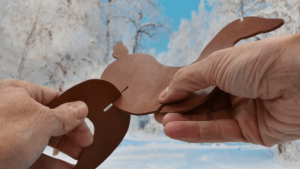
Watch the comprehensive instructional video for a step-by-step guidance:
Your DIY leather reindeer is ready to be showcased.
Conclusion:
This DIY leather reindeer project not only provides a wonderful opportunity for creative expression but also results in a nice decoration that can be cherished for years to come. Happy crafting!
Watch below the comprehensive instructional video for a step-by-step guidance:

Christmas Makes from Leather Naturally
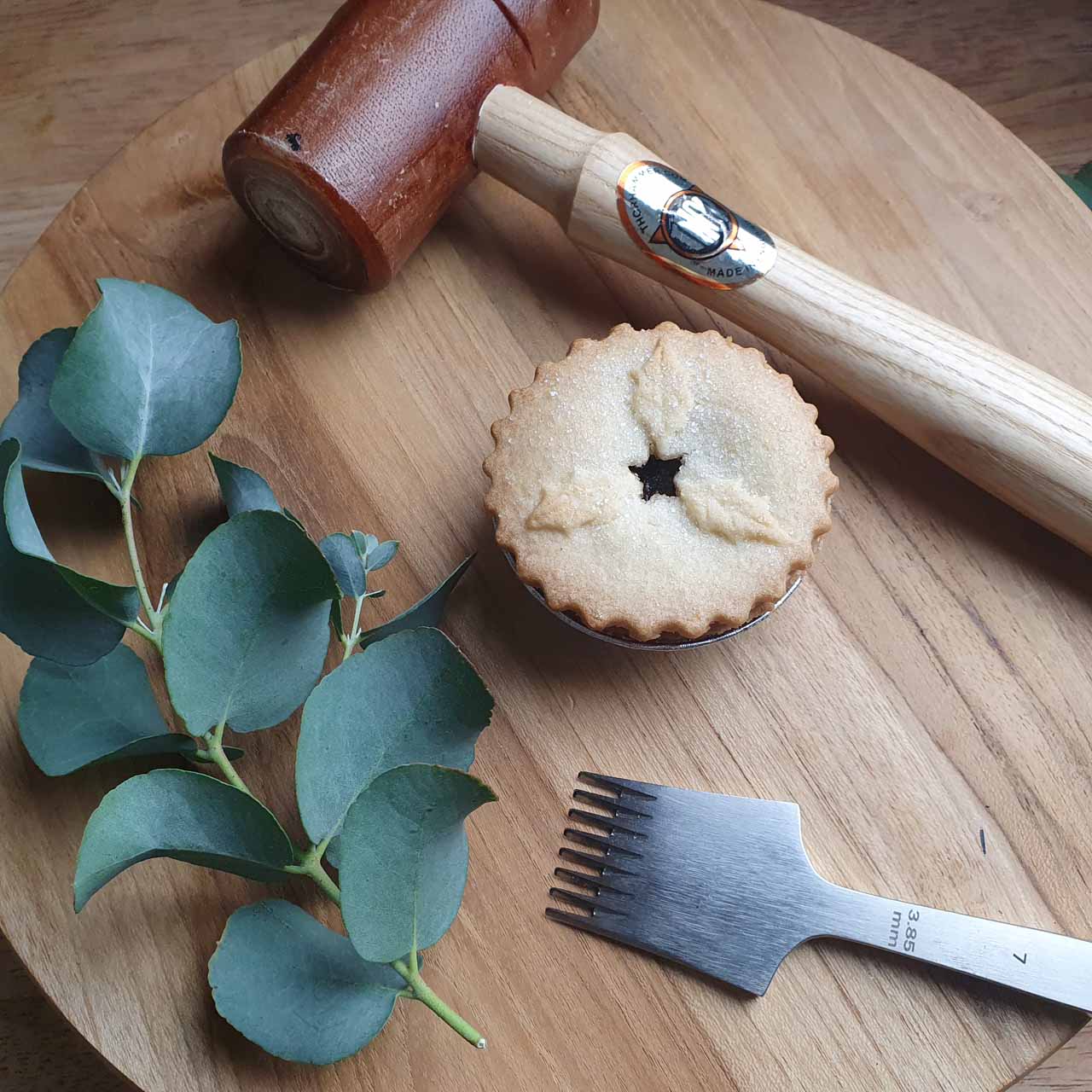
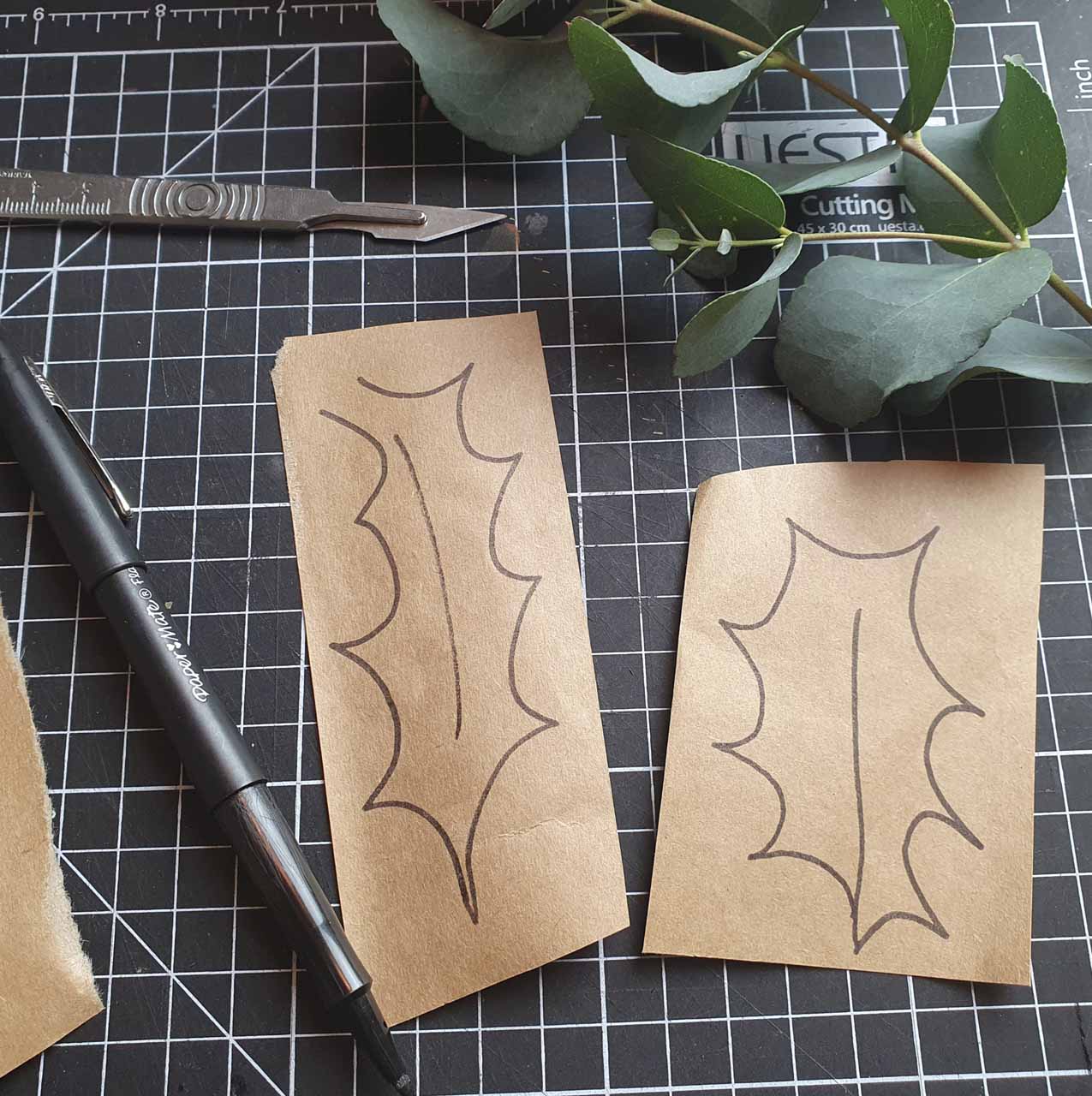
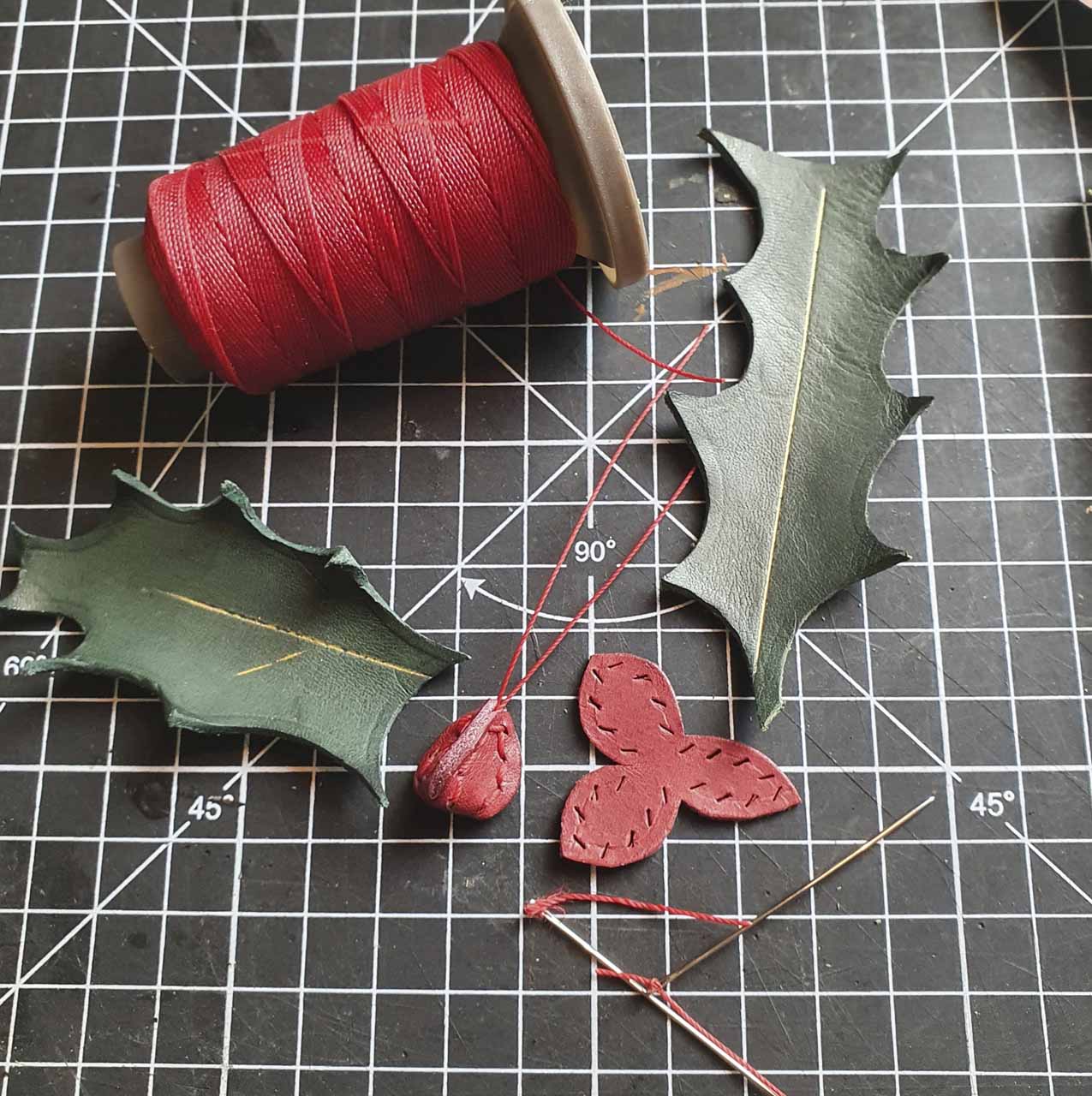
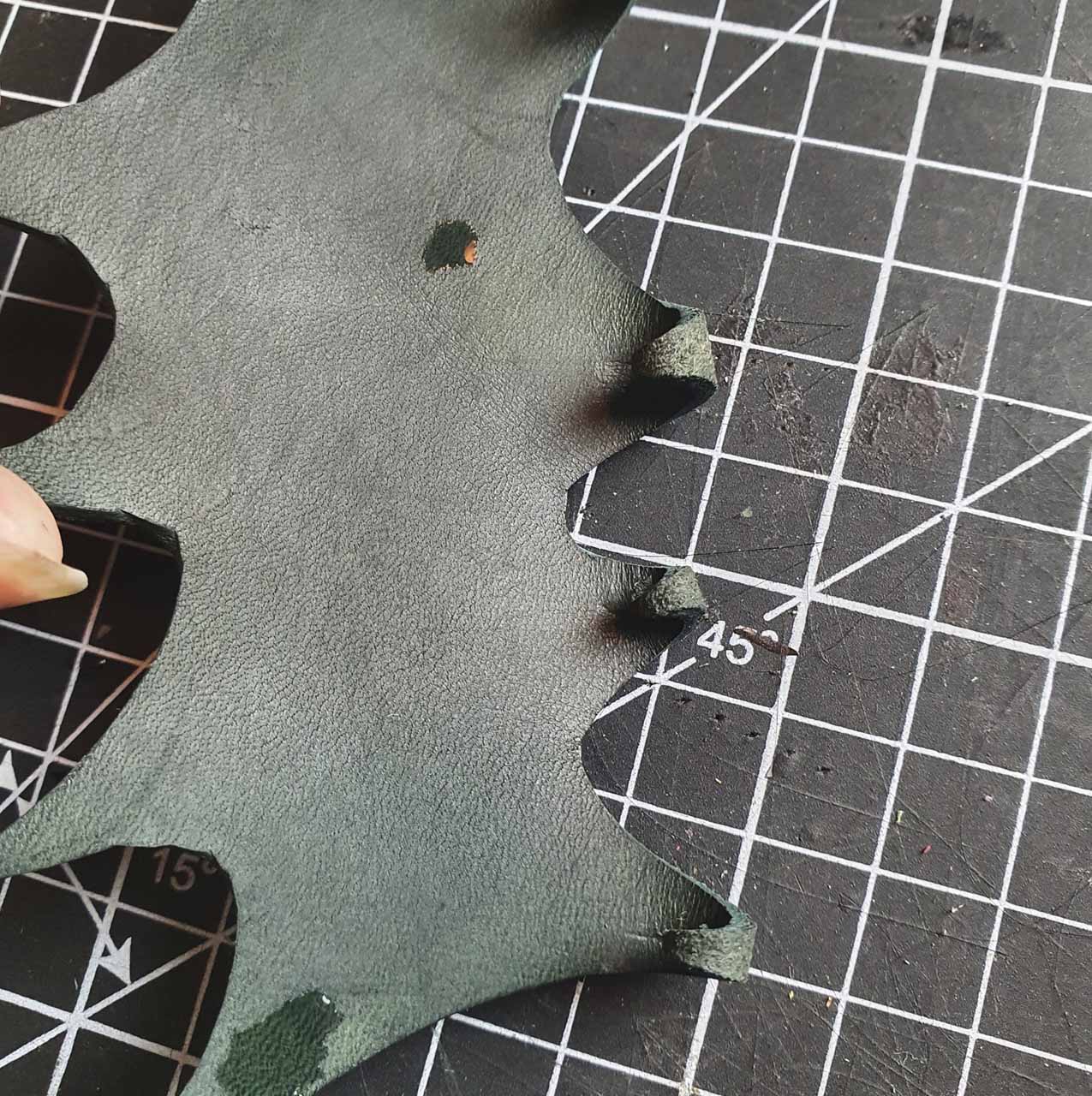
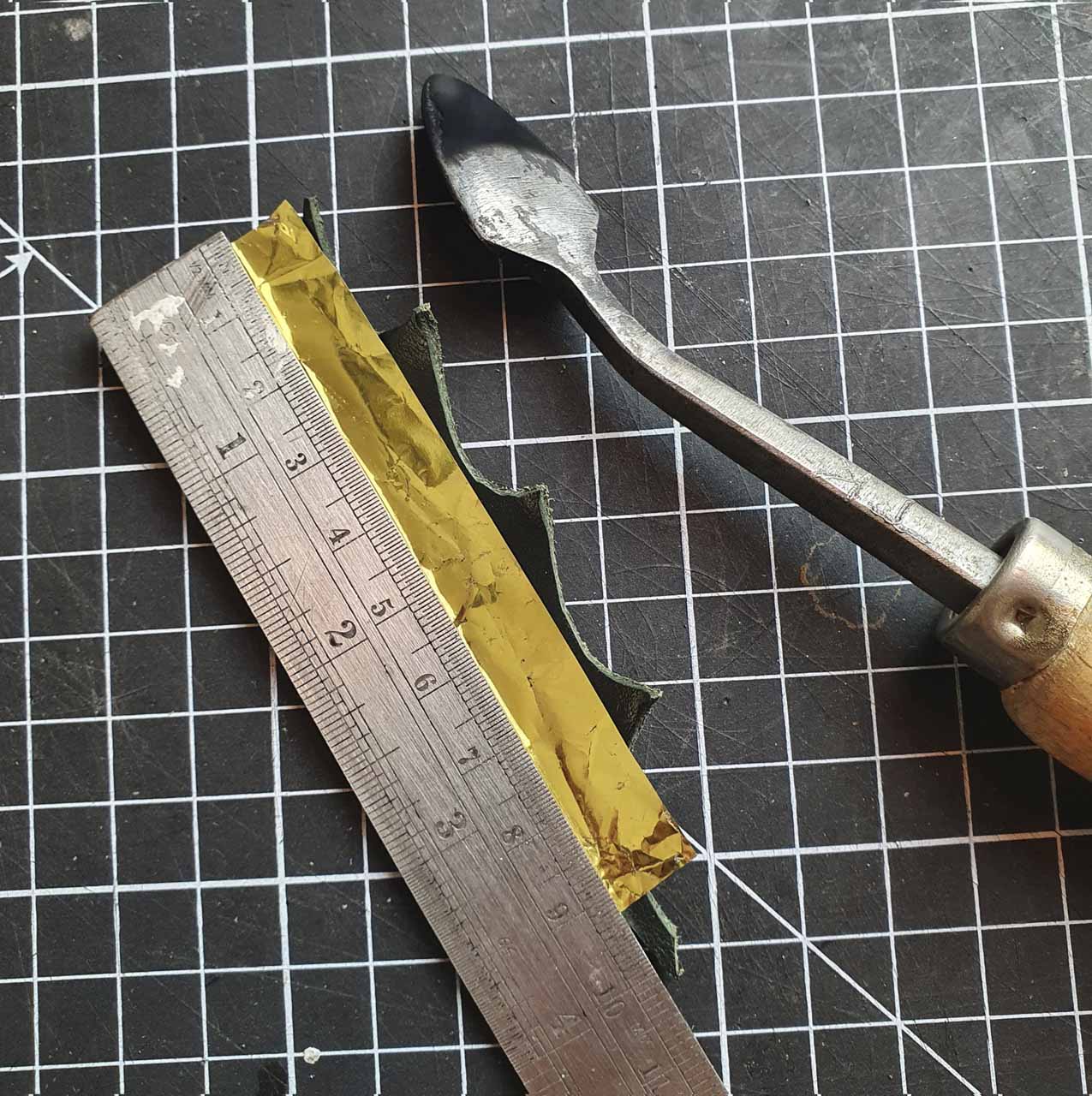
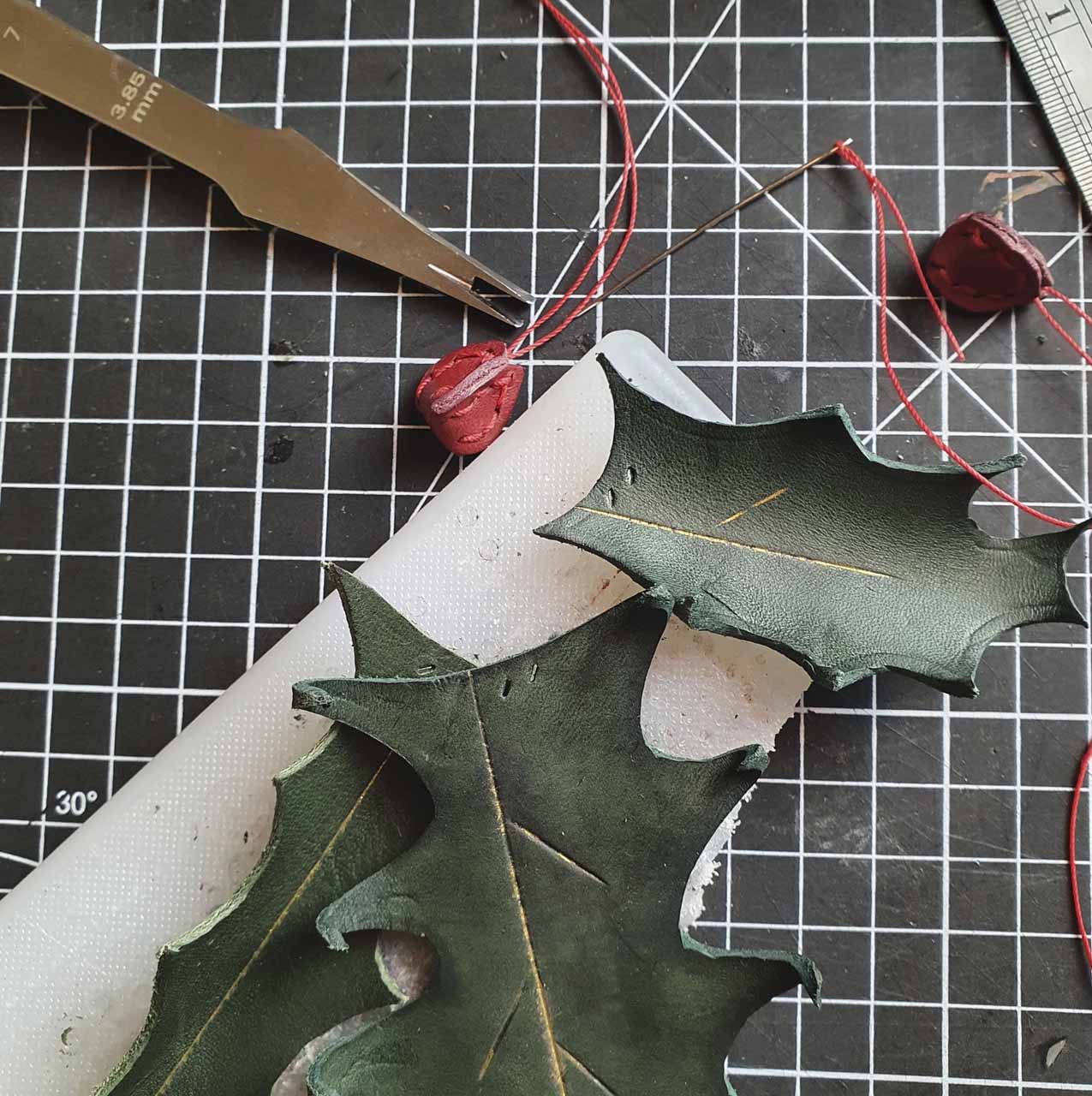
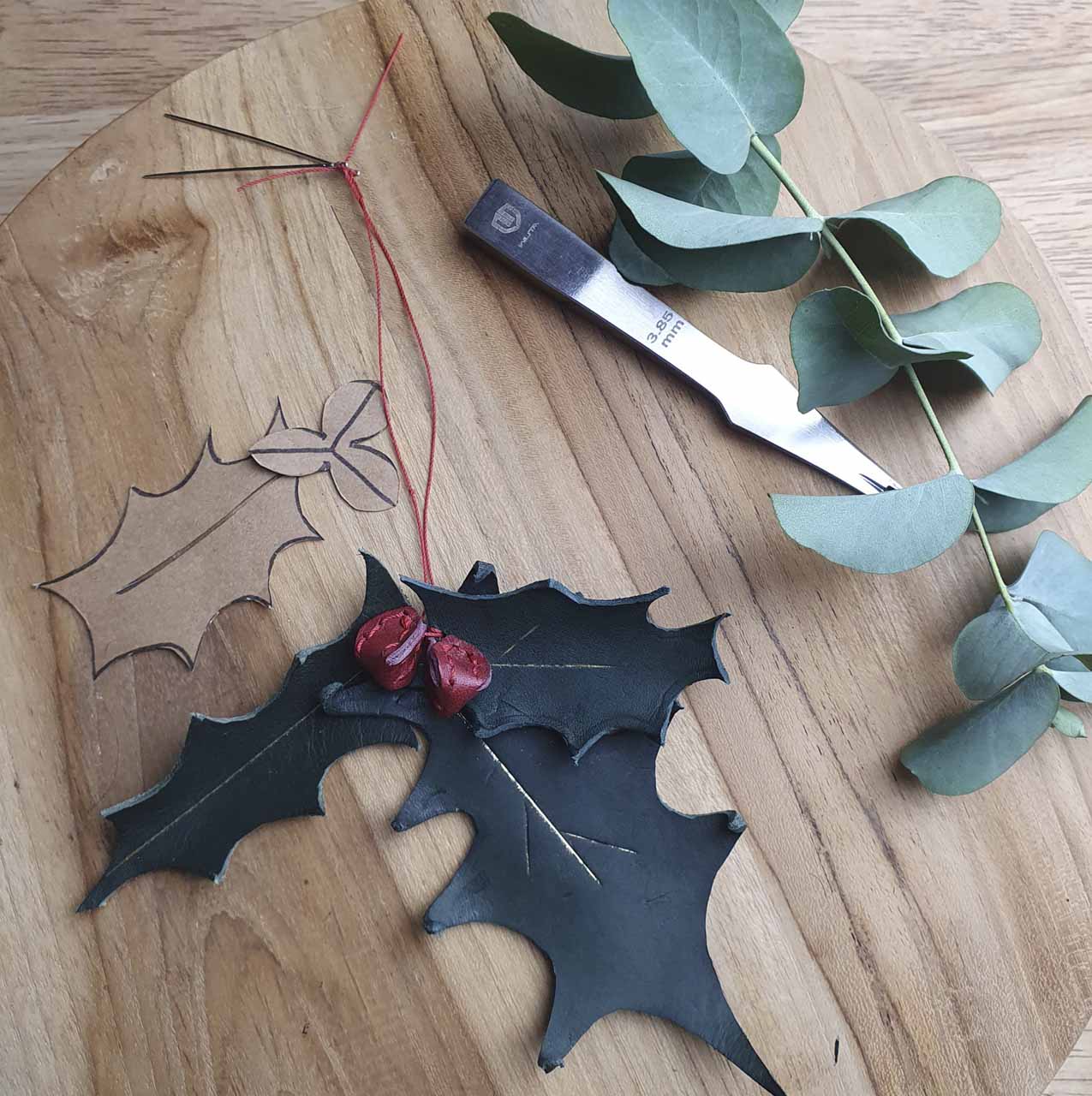
Perfect for any tree, these leather ornaments can be made in any colour you like and even better, are a great way to use up leather scraps from other projects, making them stylish and sustainable. Get creative with the themes of Christmas 2021, which are all about happy shades, whether traditional or contemporary.
Designed by Georgie from Hands of Tym, follow her instructions below to create crafted additions to your own Christmas tree.




Design A Bag Competition 2024
From casual Unisex to extravagant today’s life: “to appear today is to exist in the eyes of the others .”
In Fashion World, we have seen the rising trend for genderless designs, allowing consumers to dress outside of one’s gender. Popularly labeled as androgynous fashion, it is veering away from traditional gender labels. over the last few decades we’ve seen women taking inspiration from men’s fashion. Today, menswear is increasingly influenced by women’s fashion, particularly the bags that are used both by men, women etc.
With gender-neutral or gender-inclusive designs in mind, DAB 2024 challenges designers to create the ultimate genderless bag, with leather as its main material. It will be a bag whose form and function will appeal to any and every gender.
Submission deadline: 12 January 2024