


Interview with David Stothard: The Boot Repair Company
David, how did you start your career at the Boot Repair Company?
I started here in 2019. When I began, there were 4 of us and now we are 50! I came here from a career in sound engineering and really wanted a change. Although now its gone full circle for me as I create the marketing content, photography and film for The Boot Repair Company!
Is film a central pillar of your marketing?
Definitely! You cannot fake anything. It has to be authentic so film is a good medium – especially with audio too. If you are showing what you are doing, people trust that more which in turn has a positive effect on your business.
Who are your customers?
It’s quite varied right now but definitely the impact of any film we create brings in people who might have that type of shoe and they know it’s possible to be repaired. So in a way what I create is also semi educational.
What do you want your marketing content to achieve?
Engage more younger consumers! We want to try and repair certain types of shoes that have never been repaired before. People my age and beyond are probably already on board but to someone at university age, repairing footwear may not seem that exciting – but I am trying my best to change that! Perhaps the message for younger consumers is to keep what you have bought – even if it is vintage – and things repaired!
Tell us more about The Boot Repair Company
The business started over a decade ago and was a merger of two families working in the footwear repair industry in Leeds. One had numerous cobbler/repair stores and the other was a wholesale company. So when they combined, they created the Boot Repair Company.
Things started with repairing boots for the Royal Household Cavalry. They would ship boots to us and we would repair and ship back. Everything we do now started with that base.
Another milestone for us was Revivo for Vivobarefoot. We take returned product from Vivo and help clean them up with a sustainable cleaning product called Microfresh. We stitch, re-sole and help them re-sell at a reduced price.
This all happened during the pandemic and it was the Vivo customers who asked for this and in fact drove this side of the business.
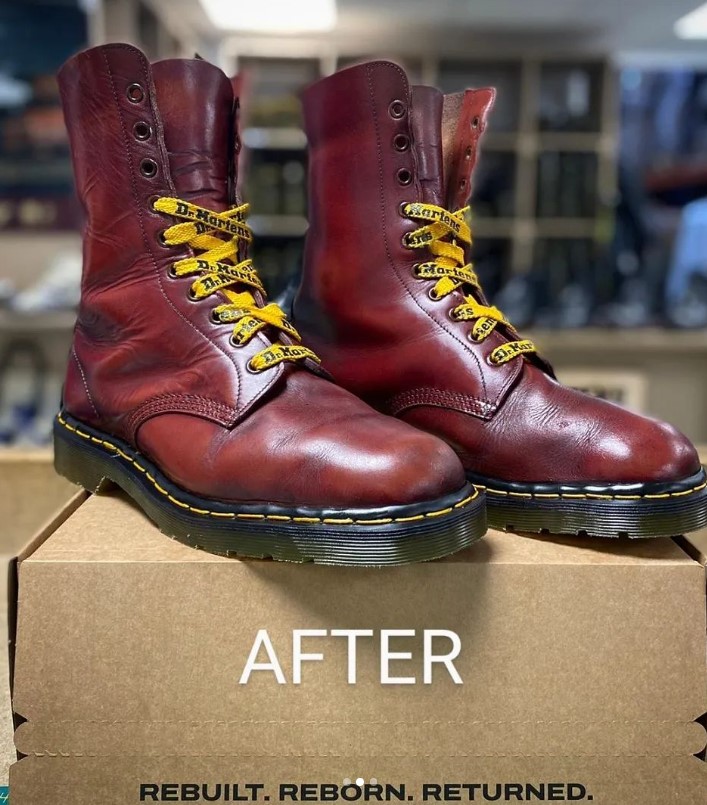
What happened with Vivo led directly to our new Dr. Martens Repair Service which is really exciting.
Being based in Leeds, we employ local people – particularly parents who need flexible working hours. In fact some of our longest serving staff really enjoy working this way.
We have another workspace in Essex as the military business expanded and so that team still focus on many of the armed forces footwear. As you can imagine, with the multiple royal occasions recently such as the Coronation, the boot treads take a lot of wear and need changing so it has been very busy!
The royal family seem very conscious about being as sustainable as responsible and repair is a key part of this.
How would you describe what is unique about Boot Repair Company?
On a consumer level, it’s the ease of getting things repaired and also our personal approach and expertise that customers can receive from our team. You also don’t have to find a store to get your footwear repaired.
On a commercial level, we use original componentry sourced directly from manufacturers and I am also proud of our business agility. Vivo is a great example and an opportunity we responded to quickly.
How important is sustainability to the business?
100% important. By way of example we try and repair every type of shoe and our whole mission is to stop products going into landfill.
For example, 99% of leather footwear can be repaired and can last a lifetime.
If it wasn’t about people wanting to be more conscious in their shopping habits – we wouldn’t be here so we are really grateful to our customers.
In terms of leather specifically, we do understand that 7 million tons of leather could be wasted if it wasn’t repaired.
Tell us more about the Dr Martens partnership?
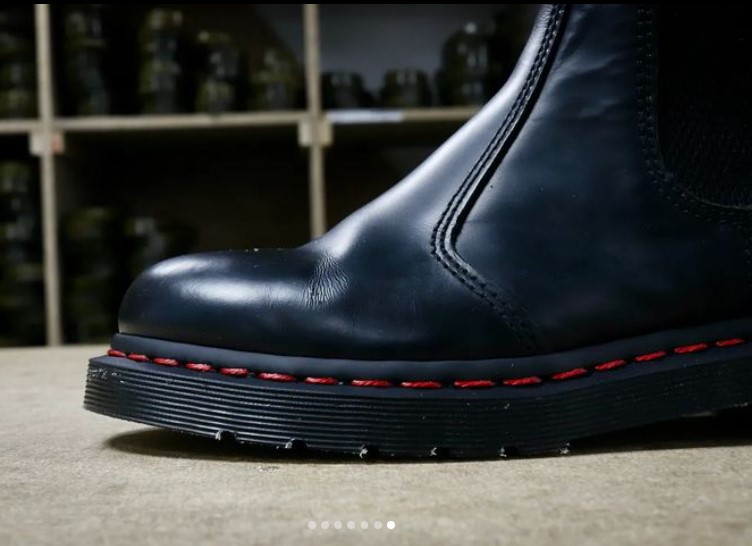
It’s super exciting and we want to get this partnership running really well. Each repair is hand finished at The Boot Repair Co.’s UK factory using the same machines that construct all Dr Martens boots and shoes. Customers just send in their favourite pair for repair and we do the rest.
What’s next for The Boot Repair Company?
We’ve been so fortunate with our team who have made our business so special. In the next 12 months we are expanding further to Europe and beyond.
And of course, we’re also so proud to be featured in the It’s A Long Story exhibition as well! I’ve even learned a lot about other leather stories there too!
(It’s A Long Story is designed to take visitors on a rich and inspiring digital journey celebrating the long lasting, circular, repairable, upcycling and recycling qualities that leather can offer).
Credits: The Boot Repair Company
COP28
October 2023 – Leather Naturally, along with 27 other international leather industry organizations, again called on the 2023 United Nations Climate Change Conference (COP28) to recognise the positive impact of natural materials such as leather on people, lives, and livelihoods and as a means of directly mitigating climate impact. Expanding on previous messages sent to COP meeting, The “Leather Manifesto,” highlights to the COP28 delegates capacity for leather and other natural materials, to make the best use of the resources available and to do so without diminishing them or causing harm to the environment.
“Leather manufacture can create opportunities for employment, wealth generation and security in deprived regions, both directly and in associated industries.” the Leather Manifesto states. “Greater use of natural materials would create jobs, reduce waste and could be a direct driver of more sustainable agricultural practice.”
The Manifesto further notes that leather is an ideal choice for a sustainable future, encouraging re-use and slow-fashion. The leather industry once again calls for appropriate measures of environmental impact such as LCA, taking full account of all aspects of the production of any material and the promotion of durable products, and items that can be used many times, repaired and refurbished.
Click here to read the Manifesto
If you have any questions about COP28 or the Manifesto please contact us: info@leathernaturally.org – Debbie Burton – Chair Leather Naturally
Credits logo: COP28 UAE.

Which leather type falls under which price category?
Leather grades: A price guide to leather grades
Leather pricing can vary widely based on factors like quality, source, and processing. Here’s a general ranking from the most expensive to the least expensive types of leather:
- Full-Grain Leather: Full-grain leather is known for its superior quality and natural grain. It’s often used in high-end products like luxury bags, premium footwear, and high-quality furniture.
- Top-Grain Leather: Top-grain leather is slightly less expensive than full-grain but still of good quality. It’s commonly found in designer goods and high-end furniture.
- Nubuck Leather: Nubuck is top-grain leather that has been sanded to create a soft, velvety surface. It’s commonly used in upscale shoes, jackets, and accessories.
- Aniline Leather: Aniline leather is full-grain leather that’s dyed with soluble dyes, allowing the natural grain to show through. It’s often found in luxury furniture and high-end car interiors.
- Semi-Aniline Leather: Semi-aniline leather is slightly more affordable than aniline leather and features a light protective coating. It’s used in a wide range of products, from premium furniture to designer handbags.
- Pigmented Leather: Pigmented leather is top-grain leather with a polymer finish, making it more affordable. It’s commonly used in mid-range furniture and automotive upholstery.
- Split Leather: Split leather, which comes from the inner layers of the hide, is less expensive due to its lower quality and durability. It’s often used in more affordable furniture, garments, and accessories.
- Bonded Leather: Bonded leather is one of the least expensive options and is made from leather scraps and fibers combined with synthetic materials. It’s commonly found in budget furniture and low-cost goods.
- Faux Leather (Synthetic Leather): Faux leather, also known as synthetic leather or vegan leather, is made entirely from synthetic materials and is usually the most affordable option. It’s often used in budget-friendly fashion items, upholstery, and accessories.
Furthermore, feel free to check out the video created by our partner, Yusuf. It provides valuable insights to help you differentiate between various types of leather
However, keep in mind that within each category, there can still be variations in quality and price depending on factors like brand, craftsmanship, and specific processing techniques. The type of leather you choose should align with your needs, budget, and preferences.
Interview with Liam Maher & Stefano Pillepich Ecco
We catch up with Liam Maher, Global Creative Director at ECCO and Stefano Pillepich, Head of ECCO Leather Goods to hear about the unique qualities, cultural and human values of leather and how they are both passionate about the sustainability of leather at ECCO.
Liam, what makes leather such a great material to design with?
Where do I start!? What constitutes my own feelings about “great design” and to a great degree this is also true within my role at Ecco, I look for three elements. I look to embody and harmonize aspects of:
- Where do I come from?
- Where do I belong?
- Where do I hope to go?
Given that I see design this way, the idea of memory is obviously central to achieving this blend within product. I don’t think it’s an exaggeration to say that out of all the materials used in fashion and footwear (wovens, knits, felts in cottons, silks, velvets, canvases, twills, damasks, brocades, nylons, rayons, ramies, viscoses, bio-fibres, etc) l
“Leather is the material with by far the greatest potential to capture memory. When both designers and consumers who are passionate about leather talk about this, you’ll often here them describe leather as a living material. Leather captures, complements, and remembers shape”
Like a living thing, it also changes over time. In fact, the way it changes has a humanistic quality – it becomes more supple, softer and more mellow… kind of like a person. Folks will even describe their relationship with a leather product – whether it’s shoes, bags or garments – as if it were a friendship.
Not only this, but unlike any other material, leather has the potential to take infinite forms, infinite hand-feels, infinite colors and infinite finishes. You need a visionary tannery packed with experienced and passionate leather makers like the ones we’re lucky enough to work with at ECCO Leather.
“What other material can reproduce the look and touch of a flower petal in one instance and the strength and robustness of a biker-jacket in another”?
Here again it’s a material which can simultaneously encompass and balance elements of where I come from, where I belong and where I hope to go. Our past, present, and future.
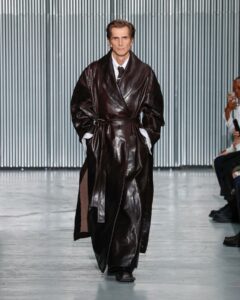
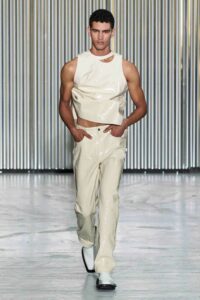
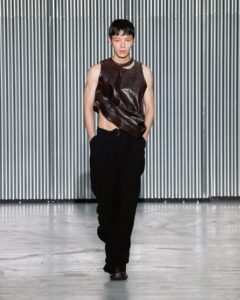
What place can leather hold in fashion for the future?
It’s fascinating to me that leather isn’t commonly regarded as an inherently sustainable material. The alchemy of tanning leather is essentially an ancient act of upcycling.
Clearly there are cultural, political and lifestyle values connected to meat consumption and populations quite rightly have different opinions on the subject. That’s great. It’s also great that those feelings and values are ever evolving. That is absolutely as it should be. But looked at through a realistic lens of where we are as a society today, the state of meat consumption remains at a level that ensures the processing of its primary byproduct into a valuable resource like leather remains a huge opportunity.
Maybe there’s something about the words that would need to be used to tell the story… -words like “meat” and “skin” and “animal”, that make this story hard to tell if we believe consumers don’t want to hear these words. But that doesn’t change the fact that leather is sustainable as well as being substantial and reliable at scale in the here-and-now.
Since there is no one as chronically dissatisfied as an inspired tanner or leather maker, the future will always be bright. If you take ECCO Leather as an example, the tannery’s chronic dissatisfaction has led to asking over and over again “how can it be more sustainable?”. This drive has led to milestone innovations like DriTanTM and the many others currently in the ECCO Leather development pipeline. Yes. The future is bright.
Stefano, what makes leather such a great material to design with?
I often say that leather is the ultimate upcycled material, since a caveman found a hide in a ditch and realized it wasn’t decaying. It is amazing to see the evolution of leather throughout the millennia, not only when it comes to its end-use, but also how its performance and, from a creative perspective, aesthetics have evolved.
Leather is warm to the touch, a natural insulator and water resistant and even a fire retardant: amazing characteristic when it comes to a natural material. Leather is exceptionally versatile when it comes to look, touch and feel: from traditional looks like pebble (“discovered” in the 18th century) to transparent leather (vellum, from ancient Egypt), from leathers fused to other materials to more traditional vacchetta.
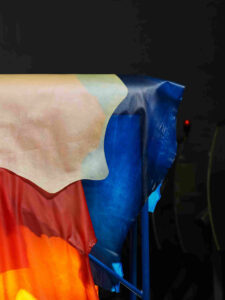
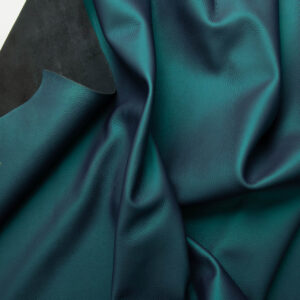
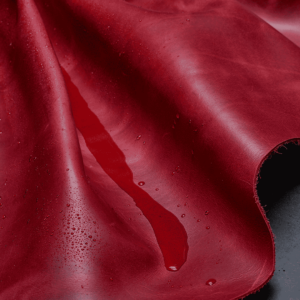
Leather can be made in different substance, weight, smooth or rough, dull or shiny, it can be embossed, printed on, dyed in unlimited colors; in ECCO Leather we like to say that making leather is like cooking: with the same ingredients, so many distinctive dishes can be created; and this is also true to leather. It is an upcycled blank-canvas material with almost unlimited possibility that is only limited by lack of creativity or too much traditionalism.
What place can leather hold in fashion for the future?
Probably we, in the leather industry, took things for granted: we thought that since leather has been around for millennia it will continue so. The reality is different: innovation is faster, communication and education are sharper, consumer curiosity is higher, lots of new materials are experimented with. There is lots to learn and adopt from the many exciting materials new-comers with their entrepreneurship, dynamism and communication.
The value, longevity, quality, properties, versatility of leather are undeniable; and they are still appreciated by consumers. So, I am positive that leather will still hold a prominent place in the fashion industry; however, we need to continuously find new places to use leather, innovate the product (leather) and the processes of leather making and communicate and educate the consumer.
(Liam & Stefano from Ecco are a supporter of our online exhibition It’s A Long Story. It’s A Long Story is designed to take visitors on a rich and inspiring digital journey celebrating the long lasting, circular, repairable, upcycling and recycling qualities that leather can offer).
Why the leather hat is so special to Frans?
LN: we are curious to your story about the leather hat. How did you got this hat.
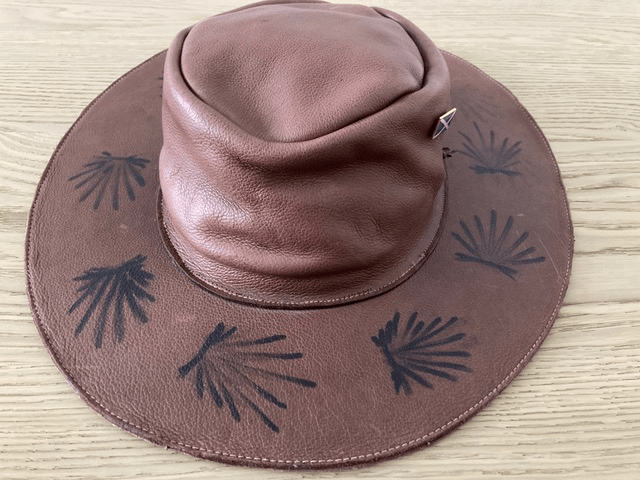
I got this hat as a present from my good friend Joost, who unfortunately died a few years ago. He made this hat by himself approx. 8 years ago with leather I supplied him with and he liked very much. He was an exquisite leather technician who worked, both in the tannery as well as in the supply chain for many years. After his retirement he started with two hobbies: making leather hats for friends and tanning fish leather on a bigger scale. First in his garage with the aid of an old washing machine, later he advised a bigger company in the North of the Netherlands to produce fish skins on production scale.
LN: Tell us about your pilgrimage to Santiago the Compostella together with your hat.
The leather hat I made water resistant with some products from Stahl, the company I worked for many, many years to prevent it from getting wet, hence heavy. If you go on a long trip you do not want to carry 10 grams too much and also I decorated it myself with scallops. During the 700-kilometre trek to Vezelay (F), my trusty leather hat was invaluable. It protected me from the unpredictable weather changes, shielding me from the relentless rain that fell suddenly and the relentless sun that beat down on me during the day. As I traversed the ancient path, the hat became a symbol of both the practicality and intention behind my pilgrimage.
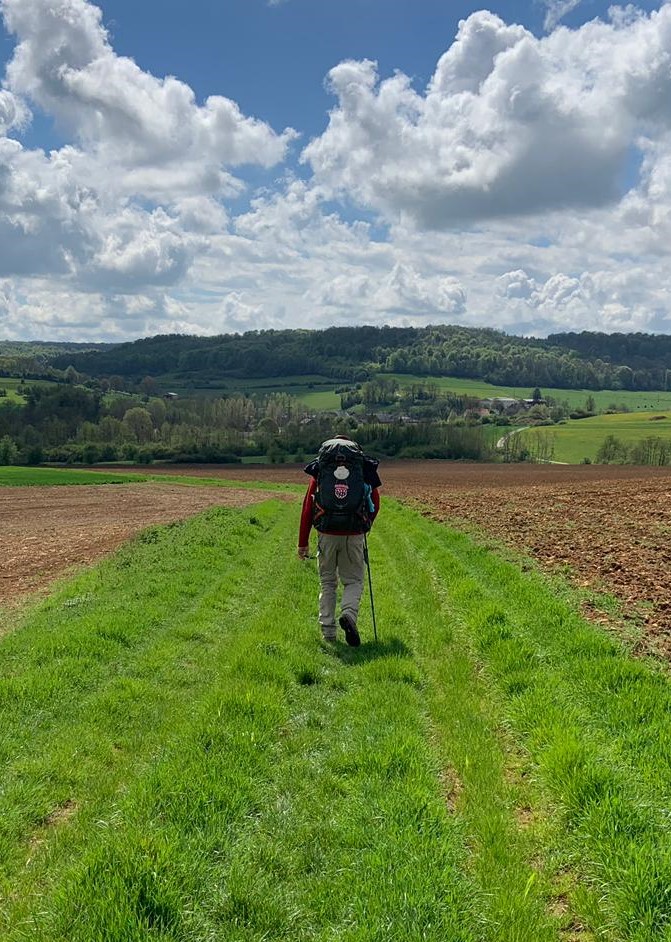
LN: Why did you decorated the hat with scallops?
Scallops are the symbol of the road to Santiago de Compostela, you will find them all over Europe to guide the way. Every pilgrim to Santiago will have a scallop on his backpack, so you are able to identify a fellow walker immediately. This will also lead to very interesting meetings along the way.
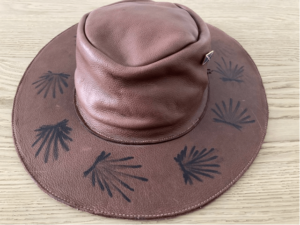
LN: What does this hat mean to you?
The hat is more than an accessory; it is a tangible connection to my good friend Joost and was my travelling companion during this extraordinary experience. As the seasons changed and life went on, the hat remained a treasured relic of my pilgrimage, to Santiago de Compostela.
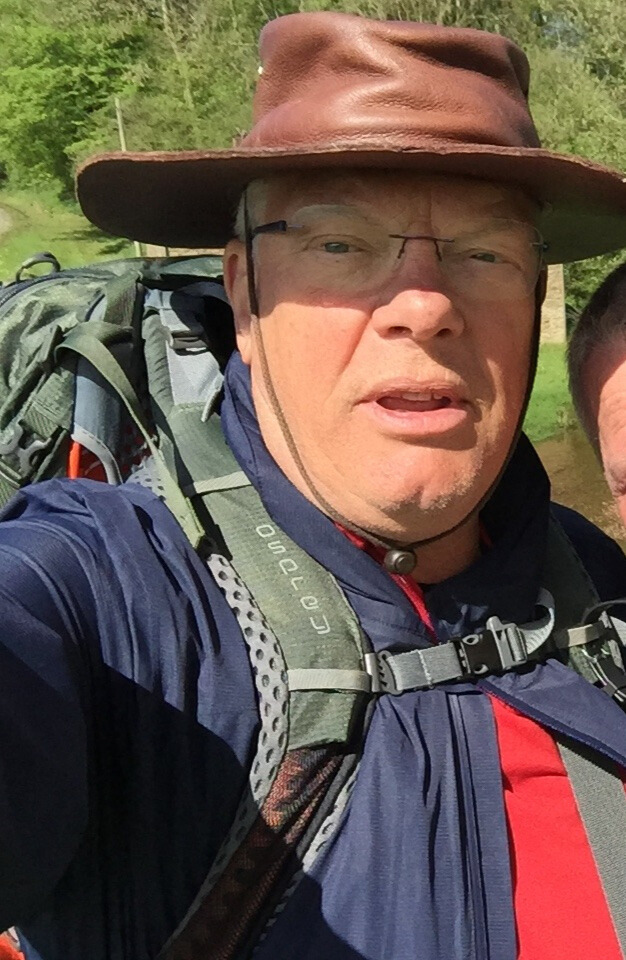
LN: Where is the hat now?
The hat is hanging in my “man cave” and got a nice place between a lot of other symbols of my life, mostly presents which I assembled during my interesting life in the beautiful world of making leather.
LN: Thank you for sharing your personal story Frans.
Read more personal stories by clicking on the link: ………………
If you as reader also have a nice personal story and like to share this with us, please contact by e-mail at: info@leathernaturally.org
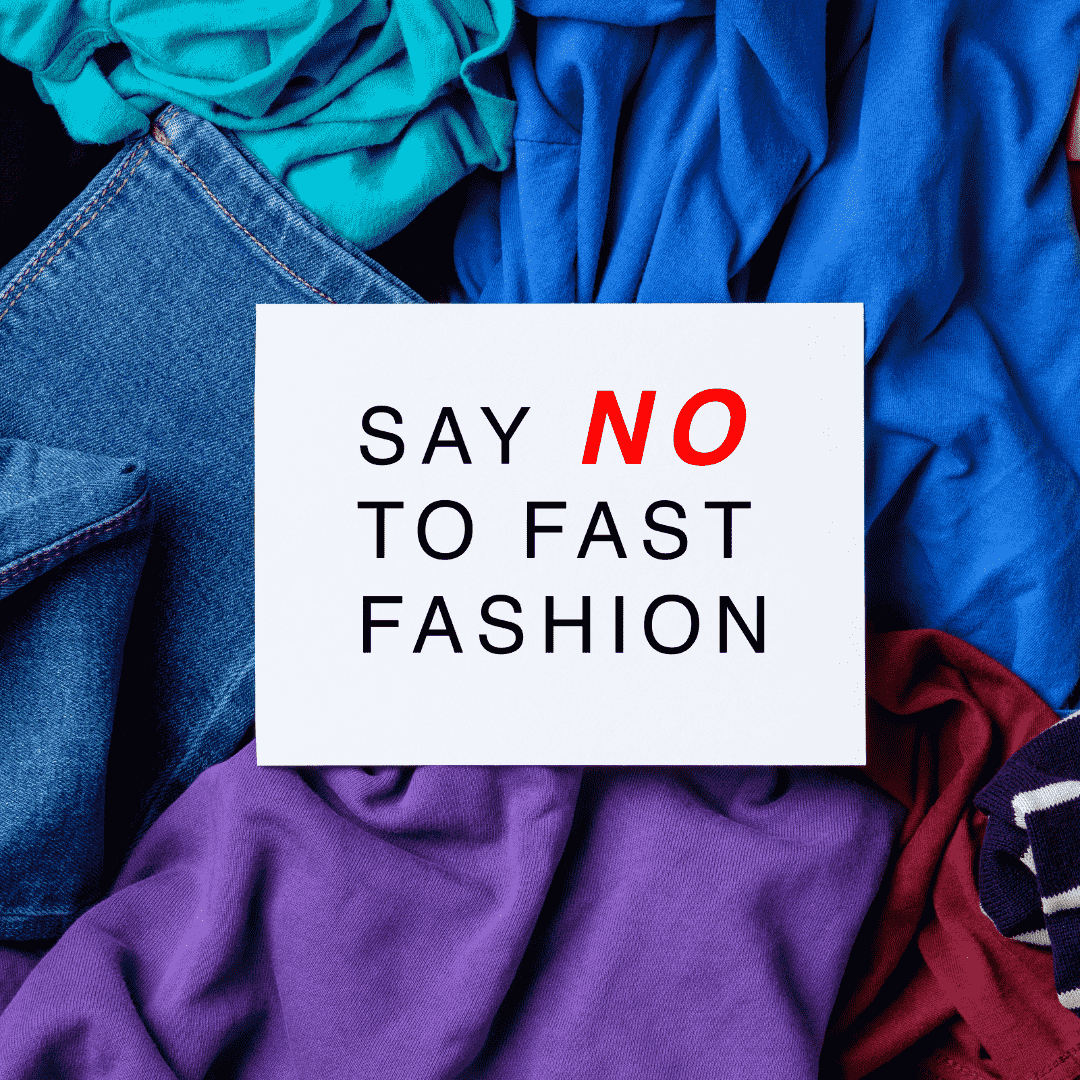
Fast fashion is out of fashion – how leather is set to become part of the solution
Leather: Pioneering Sustainability and Circular Fashion in the Age of Climate Action
As the world grapples with how we can reduce our impact on the environment and actively limit the impacts of climate change, we sit at a vital crossroads in our collective history. Leather is well positioned to be a meaningful part of the solution.
The European Commission has launched an anti-fast fashion campaign specifically designed to educate younger consumers about the negative impacts of fast fashion and to promote the EU Strategy for Sustainable and Circular Textiles. The campaign aims to address issues of over-production associated with fast fashion and to prioritize sustainability and longevity.
The European Union is committed to serious action as part of its 2030 Vision for Textiles the cornerstone of which is sustainable fashion – designed to have a positive impact on people and the planet. Read here for more details.
With leather’s inherent properties of durability, reparability and longevity it represents the antithesis of fast fashion. The fact that it utilizes a by-product in order to create a versatile and premium material lends an additional benefit to its key position in the circular economy.
Increasing traceability expectations together with more and more stringent regulations have entirely shifted the modern consumer landscape. Consumers are far more educated than ever before on the provenance of the goods they purchase and the fact that the impacts of their purchasing decisions can be far-reaching.
Within this context, leather takes a by-product that would otherwise need to be disposed of (with its own environmental impacts) and using responsible, traceable and verifiable production processes, offers designers and consumers high quality products that can be repaired, re-cycled and that can last a lifetime.
How can you make an impact?
In addition to industry and government initiatives and regulations being pursued on a global scale, consumers also play an important role in effecting positive change by choosing leather. Please see below for some ideas as to how you can have an impact –
1. Quality over quantity
Invest in high-quality leather products that are durable and timeless, meaning that you can buy fewer items that last longer. Take care to purchase authentic leather pieces rather than synthetic or vegan leather alternatives which can contain high percentages of plastic, petroleum based products etc…which are damaging to the environment and do not have the same durability as leather.
2. Repair and restoration:
Leather products can often be repaired or upcycled and major brands are actively encouraging their consumers to repair their leather products. Many luxury leather brands such as Hermes, Chanel and Loewe offer to repair your leather products with the intent of extending their life and consequently reducing consumption and waste. Some of these services include in-store artisans and even dedicated retail spaces which create an experience for the consumer and build brand value at the same time.
3. Vintage & second hand:
Given the longevity of leather items, there is a strong vintage or second-hand market for leather products which – similarly to above – reduces global consumption and waste and can offer you a point of difference in terms of style and luxury at the same time.
4. Circular economy:
By choosing leather, you can actively support a circular economy in a number of ways. Firstly, by using a by-product of the meat industry, leather avoids hides and skins being sent to landfill and instead uses them to create beautiful and versatile products. In addition to this, you can take advantage of brands that may offer to buy back leather goods for a credit towards a new purchase eg… Mulberry’s circular Exchange program. Repairing your leather products and buying vintage leathergoods are also examples of how you can encourage a circular economy.
5. Timeless design:
Authentic leather products are often designed to be classic and timeless to encourage you to invest in pieces that you can wear for many years rather than to buy into fast fashion. You can also use apps such as Whering which can help you to digitize, curate and style outfits from your own wardrobe as well as fill wardrobe gaps sustainably!
6. Care:
Educate yourself about the quality and origins of what you are buying so that you can make informed choices about purchasing leather products. This will ensure you can keep them for many years and also take care of them well. For more tips on how to best care for your leather items please click here

Biobased carbon
What is biobased content?
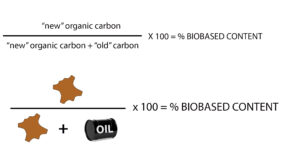
It is a measure of “new” carbon or recent organic carbon compared to the amount of “old” carbon. New carbon originates from renewable biological sources (such as plants, animals, forests, marine, feedstocks, etc.) and old carbon is predominantly from petroleum-based products.
For example, oil extracted from a plant is 100% biobased and oil derived from petroleum fractioning is 0% biobased. They can have the same chemical composition, but one is from a renewable source the other not.
How is biobased content calculated?
In the diagram below, the biobased content refers to the hide and not the final leather end product:
What is the significance of biobased content?
The higher the amount of biobased content the higher the amount of renewable carbon. The production of renewable carbon is made by the capture of carbon from the atmosphere, in practical terms cleaning the air.
Are biobased products more biodegradable? The terms Biobased and Biodegradability are not interchangeable. There is no correlation between the two.
How much biobased content does leather have?
Animal skins have 100% renewable carbon. The transformation of skins to leather is made with some petroleum-based products. This reduces the amount of biobased content in the leather, but most leathers still have more than 80% biobased content.
Having 80% biobased content is generally considered good in terms of sustainability and environmental impact. A higher biobased content indicates that the product or material relies more on renewable resources, which can help reduce the overall carbon footprint and dependence on non-renewable fossil fuels. Products with high biobased content are often seen as more environmentally friendly and can contribute to mitigating climate change and promoting sustainable practices.
How is biobased content measured?
The most widely used test methods are ASTM D6866 (USA) and EN 16785-1 (Europe).
Literature:
USDA has an extensive list of biobased products in the Biopreferred Program
Biobased content on leather and alternative materials can be found in this Publication
Regenerative Agriculture
What is Regenerative Agriculture?
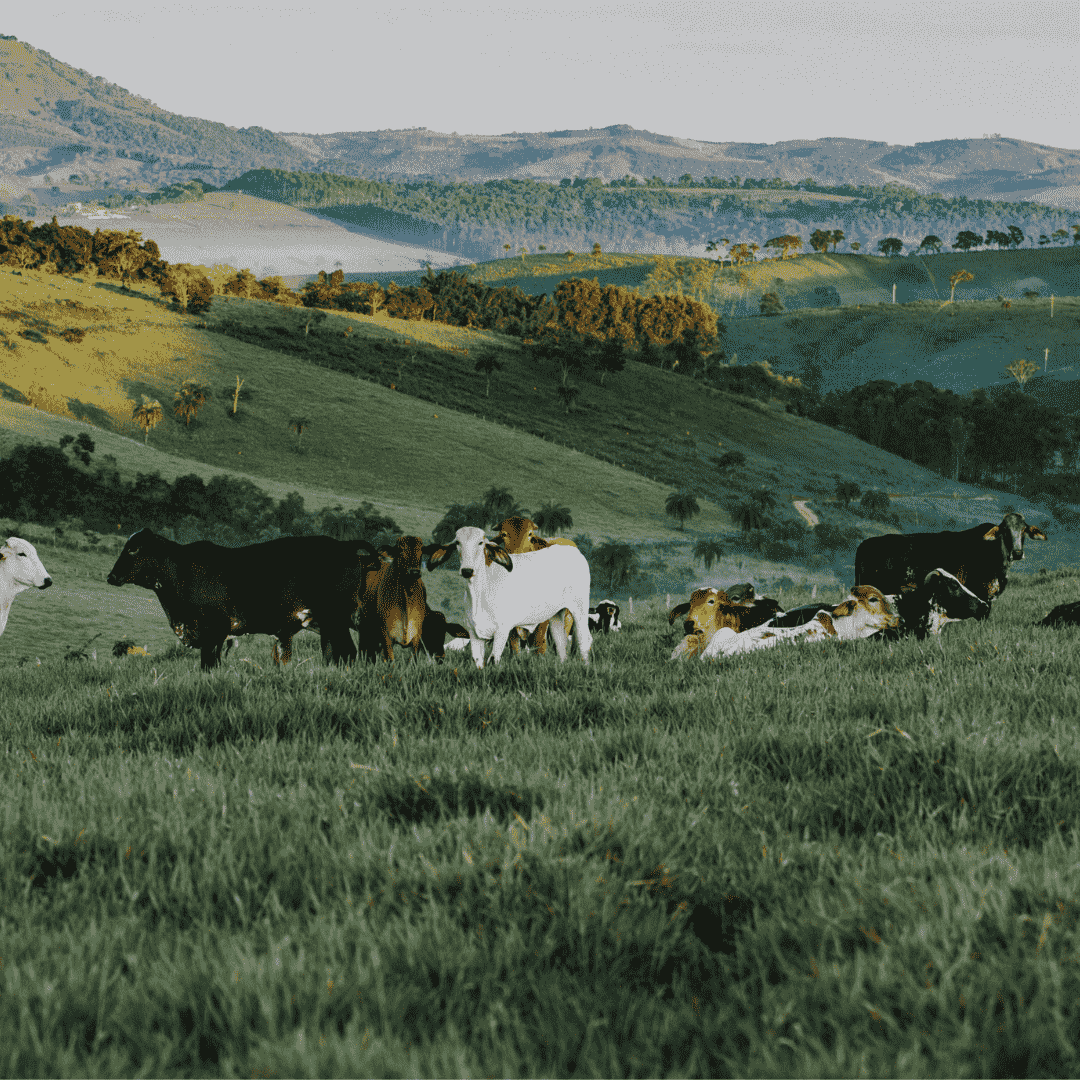
Regenerative agriculture or regenerative farming is a model of crop or livestock production that uses a variety of practices to restore and conserve ecosystems connected to the land. While at the same time seeks to increase productivity and mitigate environmental impacts like climate change and biodiversity loss.
Regenerative agriculture both encompasses traditional, proven practices as well as innovation in management, measurement and practice. It is an alternative way of raising crops and animals that, by working with natural systems, ensures the long-term viability and resilience of the land to continue to provide for generations to come. The focus on restoration and regeneration of nature is about ‘doing more good’ through agriculture, rather than just ‘less bad’[1].
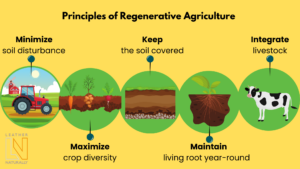
The practice of Regenerative Agriculture:
Regenerative agriculture distinguishes a kind of farming that goes beyond simply sustainable as it seeks to improve ecosystem services within farming systems. Rather than a set method or simply sustainable farming, regenerative agriculture consists of a multitude of (holistic) farming practices to improve soil health and reverse climate change by expanding biodiversity, improving the water cycle, increasing organic matter in soil structure and transferring carbon from the atmosphere to the soil. For example, it can also include grazing practices that, among others, reverse climate change by rebuilding soil organic matter and restoring degraded soil biodiversity. Doing so, regenerative agriculture acknowledges the role that livestock plays in sequestering carbon in the soil and the relationship of this to soil health.
Why is regenerative agriculture important for the leather industry?
Leather, as a by-product of the meat-industry, begins its life as a raw material on a farm or rangeland. The future of the leather industry is therefore inextricably linked with the future of agriculture. Regenerative farming practices can contribute to a more sustainable leather industry by improving biodiversity and restoring and conserving the ecosystems that facilitate the hides as a raw material for leather production. Doing so, regenerative farming practices can be a powerful nature-based solution, driving a transition with positive environmental and social impacts in the leather supply chain.
Potential benefits of regenerative agriculture for farmers:
Farmers may benefit from regenerative agriculture by increasing the resilience of their land through improved soil health and a more (bio) diverse, stable and sustainable ecosystem that their production depends on. Regenerative agriculture can bring more stable and diversified income streams to farmers through reduced input costs, a higher productivity of the land, crop diversification and accessing growing market demand for sustainable products. In addition, farmers can potentially benefit from the generation of carbon credits. These factors make regenerative agriculture an attractive and viable approach for farmers looking to improve the productivity, profitability and sustainability of their operations.
Key practices for Regenerative Agriculture
The way regenerative agriculture is practiced may vary depending on the region, soils, type of crops or livestock. But there are some key practices that define agriculture or farming as regenerative:
- No-till cropping or No-till farming (also known as zero tillage): An agricultural technique for growing crops or pasture without disturbing the soil through tillage. No-till farming decreases the amount of soil erosion that tillage causes in certain soils, especially in sandy and dry soils on sloping terrain.
Instead of tilling the soil, farmers use specialized equipment to plant seeds directly into untilled soil, leaving the crop residues from the previous harvest on the surface. The main idea behind no-till cropping is to maintain the integrity and structure of the soil while reducing erosion, preserving moisture, and improving soil health.
- Diversification: Diversification of annual cropping systems to include legumes, perennial crops, and forages in rotations. Diversification helps improve soil health by promoting biodiversity and enhanced nutrient cycling, disrupts and reduces the risk of pest and disease outbreaks, supports natural weeds suppression, optimizes nutrient cycling and reduces the need for synthetic fertilizers. At the same time, diversification in crops can enhance the economic resilience of farmers by generating more stable and diversified income streams.
- Use of organic soil amendments, such as cover crops, manure, and biofertilizers:
Cover crops for example are planted in conjunction with row crops, either between cash crop seasons or alongside cash crops as intercropping. They can include a wide variety of plant species such as grasses and grains. Cover crops are highly beneficial for a multitude of reasons, ranging from soil health improvement by protecting against erosion, minimizing nutrient run-off and retaining soil moisture, to weed suppression, better nutrient cycling, biodiversity promotion and pest-and disease management. Cover crops especially are linked to increased carbon sequestration, as they can capture atmospheric carbon dioxide through photosynthesis and incorporate it into the soil as organic matter.
- Grazing practices: The reintegration of grazing animals back into cropping systems, through for example managed grazing. This involves carefully managing the movement of livestock across pastures to prevent overgrazing and exhaustion of land. Livestock are rotated between different paddocks or sections of pasture, allowing vegetation to recover before being grazed again. Grazing practices also include converting marginal and degraded cropland into permanent pasture and forests, and restoration of wetlands.
- Change in fertilizer use:
- Reduction of nitrogen (N)-fertilizer use, changing the type of fertilizer used (e.g., legumes, controlled-release, and nanoenhanced fertilizers), and use of nitrification inhibitors.
- Application of organic fertilizers, that feed the soil microbial systems and improve mycorrhizal functions, reducing nitrogen (N) and phosphorus (P) runoff and ground water losses.
- Water conservation: The harvesting of rainwater, improved irrigation techniques, and the use of cover crops to reduce evaporation, and reduce water consumption and the strain on water resources.
- Biodiversity preservation: Supporting habitat restoration and biodiversity conservation through for example planting native species, creating wildlife corridors and strips of herb-rich grassland.
Indicators to measure the impact of regenerative agricultural practices
The concept of regenerative agriculture is still fluid and subject to a myriad of studies in different systems that can provide for better understanding on the best practices for each specific region. Core principles range from keeping the soil always covered with minimal disturbance to integrating livestock into cropping rotations or forestry systems. The minimization of external inputs is also sought after.
Nevertheless, there are some commonly agreed indicators to measure the impact of regenerative agricultural practices, indicating the various elements to invest in:
| Ecosystem topic | Indicator (s) |
| Soil Health | Physicochemical aspects of the soil |
| Biodiversity | Microbiology, Presence of local fauna and flora |
| Water | Availability of water, Humidity |
| Economic performance | Production, Profitability |
| Carbon emissions | Carbon storage (in soil) |
[1] Regenerative Fund for Nature | Kering
References:
https://www.fcav.unesp.br/Home/departamentos/zootecnia/anaclaudiaruggieri/7.-ilp-modelo-embrapa.pdf
O’Donoghue, Tom, Budiman Minasny, and Alex McBratney. “Regenerative Agriculture and Its Potential to Improve Farmscape Function.” Sustainability 14.10 (2022): 5815.
Teague, W. Richard, et al. “The role of ruminants in reducing agriculture’s carbon footprint in North America.” Journal of Soil and Water Conservation 71.2 (2016): 156-164.
[1] https://www.carbonbrief.org/explainer-desertification-and-the-role-of-climate-change/
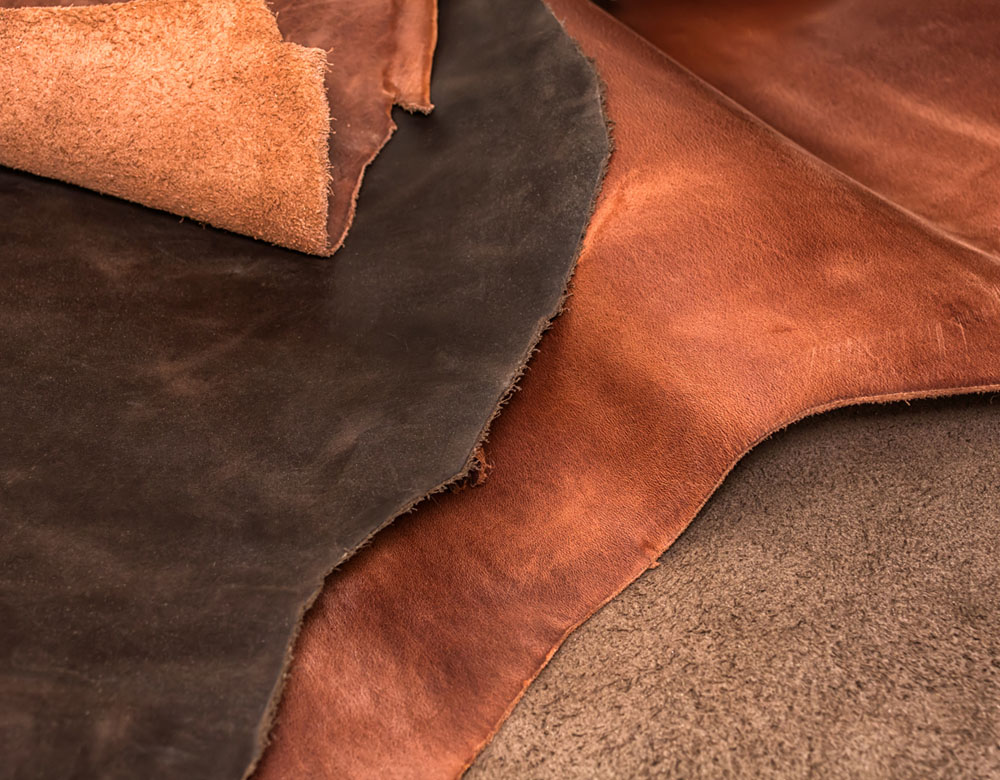
In Conversation with Suzie Fletcher
Can you tell us what you are up to at the moment and what’s inspiring you right now?
Right now, I’m filming more episodes of The Repair Shop. It’s lovely. It’s my foundation work and to be part of the show is incredibly humbling and good fun. It enhances everything I believe in. I’m also on a book tour as I’ve had my first biography published this year.
The book is mostly based in America – about living a wild life but with the foundation of what I do as a craftsperson – which kept me grounded and safe!
What’s inspiring me? Everything! I have a break from filming in October and I have so many projects planned from designing and making coats and luggage, re-creating lots of the patterns in the case makers workbooks that I’ve collected – using all recycled materials. Also I’m designing some new saddles and going to America!
How did you start your career in leather repair and restoration and what advice would you give to people today keen to do the same?
For me, it all started with my instant love of horses – from when I was very young. And being surrounded by creative parents. My mum was a seamstress. She could make anything! If you described what you wanted – she could just make it.
I remember being introduced to leather, visiting a leather factory with my parents who used to pick out the sheep leather they needed to make gloves. Witney in Oxfordshire was very well known for fine sheepskin leather.
I was enthralled with this material. You could buy bags of offcuts for pennies. And I used to make things. I remember sticking bits of leather together and making a belt. And I’d make saddles for my rocking horse. I also remember going to my local riding school and offered to clean the tack!. And my love of horses introduced me to our local saddle maker, Ken Langford and he introduced me to the saddlery trade. I said I wanted to be a saddle master – and he said ok, even though it was a male dominated industry – he said let’s see what we can do! I was 14 at the time. Terribly shy and awkward, dyslexic and yet this was something that really interested me.
Having written my book now, with the chance to reflect, I see my life as a series of happy accidents. I had to get a job to look after a pony. I had to save up for a used saddle. The saddle broke. And Ken said it was a sub standard saddle not worth repairing. He suggested I take it apart and see how saddles are made, so I did and found my career path.
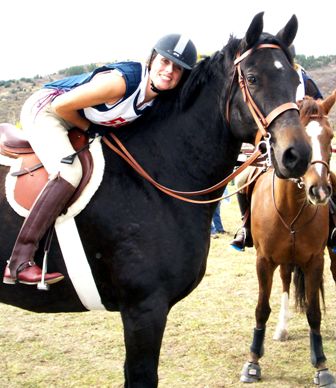
I was always also re-making things. It became really natural to me. In the 70s when I was at college, I bought everything secondhand. Much of my wardrobe today is an array of colour and beautiful fabrics – all pre-reloved pieces. I have the same passion for saddle repair.
When I was working as a saddler, I would always modify saddles to accommodate customer needs. Rather than just saying, go and buy a new one!
One of my planned projects is to start secondhand saddle sales. Making sure every saddle has a full MOT and ready for re-sale.
You are a recognised Master English Saddle Maker. How long did it take to achieve that accolade and what kind of training or experience did you need?
Here in the UK, most people will do their training through the Society of Saddle Makers and their recognised schools. If you’re fortunate enough to get an apprenticeship – which I was – you do a combined apprenticeship with college work. I completed 2 years at Cordwainers College where I studied footwear, leather goods and saddlery. I then did my formal apprenticeship with Ken and other Masters too.
In my day it was 7 years of apprenticeship and then you enter a ‘Journeyman’ phase where you develop your skills. Although this process has been shortened today, it’s a fine balance of having a good foundation of training then spending the rest of your working life honing your skills.
I have never been motivated by money. It’s been 50 years of always wanting to do this work! It’s all I have ever wanted to do.
What are the joys and challenges in your work?
When I receive a commission for a saddle design. I love the process. It’s like creating a piece of art. I make the patterns and I can select my hides. I begin mapping out the leather. Where each piece will go – including the hardest wearing pieces – where the leather will receive the most stress. You cut your patterns in accordance with where each leather piece is needed best. We are very lucky in this country to have really well produced hides. English leather is definitely the best in Europe.
Each saddle feels like a piece of me. I have a ‘buy back scheme’ and through a registration process, I know where all my saddles are!
Creating something bespoke – it takes time. I want the saddles to last at least 100 years. So each saddle takes about 65 hours with fittings in between. But I also offer an after sales service because the relationship with horse and rider is on-going. It’s about the horse and rider combination. Getting the saddle right through understanding unique biomechanics.
What are your thoughts about the future of natural leather and why do you think it’s important to value the qualities of natural leather?
In my heart of hearts, I really do feel we are on the crest of valuing and appreciating well produced leather coming back into its own. We have an amazing group of people, foundations and societies working together to ensure leather is the highest quality with best practice in play including compassionate cattle rearing.
High quality leather should be costed accordingly and for me, we should appreciate good quality leather because it can last for hundreds of years.
The longevity and circularity of leather is a core narrative within It’s A Long Story exhibition. Can you share why you are supporting the exhibition?
Leather is sustainable and long lasting. This is exactly what we need the public to know! As an industry, we are making it much less polluting and even now, compostable too. And we are reducing water usage in the tanning method. The leather industry is working on all of these much needed aspects including accountability through a new swing tag compliance system.
Once people know about the longevity of leather, they can make educated choices. In fact, there is nothing better than having a positive and open discussion, taking into account all points of view.

Interview With Julie Deane
What are you up to right now Julie and what excites you about the next 12 months?
It’s a good question and one I’ve been trying to figure out! What I would say is that many people and women in particular are concerned about the impact of taking a career break. Before I started The Cambridge Satchel Company, I was home being a full time mum because I’m not brilliant at multi-tasking – I like to focus on one thing at a time!
I was fortunate enough to be able to take that break and be with my children, Emily and Max when they were very little. I was at home for 8 years! But because I like to be busy I was volunteering everywhere. I was the village busybody! Although I was involved in a lot of things, I was on a career break which for me was no bad thing. People can get concerned that if they take a break it might not look good on their CV. Before the pandemic a break was perhaps seen as a red flag but now there’s more appreciation for the value of space and flexibility.
When I founded Cambridge Satchel, I was ready. I was able to focus and make a good job of starting it. I did that CEO role for 14 years – right up until the end of last year. But at the end, I needed time to decompress. It’s hard to just stop thinking. I couldn’t just jump from one intense role to another one. This has been a time to improve my health. I’m in a good healthy state and its given me a chance to do those things that I’ve always wanted to get around to.
It’s taken a while for me to realise that I don’t have to do things in a rush. I can take time and talk to the people I was close to in my career. To put time aside to give back to an incredible group of people who supported me and do that in a way that does justice to the amount of respect I have for these people.
I’ve always identified myself as a Mum first and the owner of two large dogs! But I was also Entrepreneur in Residence at The British Library for a long time and a judge for The European Business Awards as well as being on the advisory board of Cambridge Judge Business School and Fitzwilliam Museum Enterprises.
What’s really nice now is having the space to think about things that are important to me. Sustainability for example. I am worried about how the world’s resources are being depleted and how we could do things better. I’ve been meeting a number of startups in this space and that’s been really interesting.
When there is something that comes along that I want to go after, I’ll have to narrow my focus. Earlier this week I was lucky enough to visit some factories in Coventry and Birmingham, looking at items being made as heritage businesses and appreciating the level of craftsmanship. I do still love seeing things being made can imagine being drawn back into that world, but I’m appreciating the chance just to take a breath. Because once I say yes to something and jump in, the focus is back on!
Looking back, what inspired you to set up The Cambridge Satchel Company?
Entrepreneurs come in all sizes with different motivations. Mine was clear and straightforward. I wanted to send my children to a great school. For a variety of reasons, the state school option was no longer working for my children so I decided to send them to a private school in Cambridge. When I found out how expensive they were though – I was flabbergasted! I was a stay at home mum and we had never budgeted for private school. I set myself this goal of generating enough money to raise the school fees within 10 weeks. I started with £600 and the idea of starting something that would pay the school fees. According to Google this counts as a Moonshot! I developed an Excel spreadsheet with 10 ideas and what startup money I would need and whether it was sustainable and what would happen if I died of a heart attack during the process! It seemed like the most logical way of doing these things. The idea of supplying satchels was there.
I had this hatred of poorly made school bags where the zip would break and they would fall apart. I had a well made satchel at school and I got it into my head that I wanted my children to have satchels. So I came up with the question – how can I get things to a stage where my own children would welcome satchels in their lives? I spun a line that linked the satchel style to the Harry Potter/Hogwarts school uniform. But then I couldn’t find a school satchel anywhere. So that was why the satchels were on my list of ideas to raise funds. I designed a logo and a graphic of a bicycle using Word Art, Cambridge is known for all the bicycles so this made sense to me. Logo done! It was just simple. I had clarity of my goals and that made things straightforward. I thought other parents might want these bags for their children too.
But mostly my attention was on who would be buying and why they would be buying. I looked at my customers to understand who they were and contacted them myself with questions to get as much feedback as possible. I gathered testimonials and put them online – to make the buying experience less scary for customers. I think the tone of voice spoke to people in a way they could relate to. It was just very honest. In fact when I was building my business in Hong Kong, I asked my customers living there what they thought about certain retailers and their location and I gained great insights – with the help of the crowd via social media.
Admittedly it was a lot easier as a startup – just me and my mum. A lack of cumbersome administrative layers. I could just make a decision and immediately act on it. It was very hands on and very low budget! At Christmas, I even invited customers to collect last minute presents from my kitchen if they’d missed the posting deadline. The early days were an incredibly happy time for me.

You are a proven female entrepreneur with a great story to share – what advice would you give other young budding business leaders?
I was very fortunate that when I started in 2007 – social media wasn’t as established, nowhere near as commercialised. No one wins a race looking over their shoulder, so don’t be put off by what’s going on around you. Imposter Syndrome is such a negative force.
Also don’t ask for too many opinions – these can just put you off doing anything. Advice can be discouraging and often not objective. Research to help overcome a challenge but avoid using this as a means of procrastination.
Think about ‘what’s the worst that can happen?’ You often realise that by doing this exercise – the outcome is not that bad Another piece of advice I have is that when you are very close to realising a positive result, don’t give up. Try again another way. Another small push along that route will often get you there.
I was asked by the then Prime Minister, David Cameron to conduct a review of Self Employment in the UK. Unsurprisingly I found that one of the biggest issues faced by the self employed is a sense of loneliness and isolation. So I looked at libraries. Places that are comfortable to work from with a sense of community.The Business and IP centres within libraries are wonderful, objective and accessible. So my advice is to encourage those starting out in business to see if their local library has a Business and IP Centre, most of the main ones do.
Julie Dean is a supporter of our online exhibition It’s A Long Story. It’s A Long Story is designed to take visitors on a rich and inspiring digital journey celebrating the long lasting, circular, repairable, upcycling and recycling qualities that leather can offer.
It’s A Long Story helps people re-think about the role of leather in a sustainable future. What other features of natural leather would you like to highlight for consumers?
I’m very committed to the areas of conservation and sustainability. I hate single use plastics and things that are going into landfill. Leather is a natural product. The leather we used to make the satchels at Cambridge Satchel is a by-product of the meat industry. I believe there will always be a meat industry and surely using every by-product makes sense.
If a leather strap is chewed by a dog – you can repair and replace it. And indeed leather products often look better with age. I have a 14 year old satchel that has aged in a way that looks loved and valued.
I have photographs of the satchel being in different continents with me. There’s this incredible continuity and long memory of my wonderful and long lasting leather satchel.