

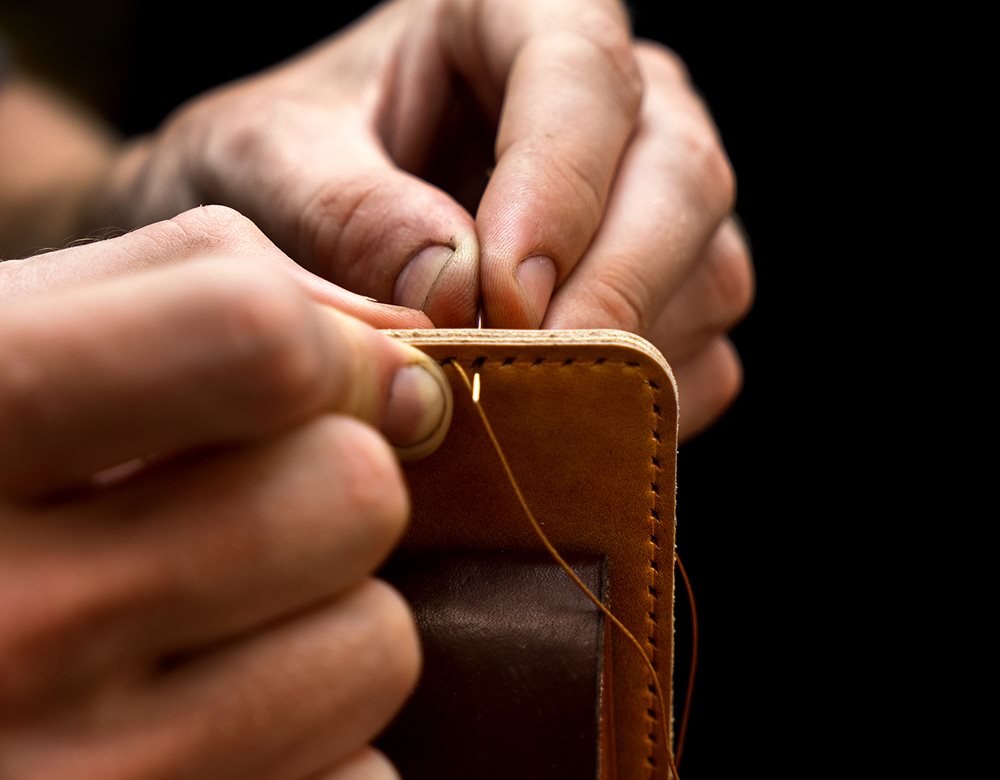
Promote Your Leather Course. Increase Your Knowledge about Leather.
Leather Naturally invites all companies, (small & large) to promote their leather courses, online or in person
In the current situation we have noticed an especial interest in online learning as people expand their knowledge about making leather and making leather goods from home.
As well as hosting course details in a dedicated section on the website we will promote them via our social media channels and monthly newsletter. In this way we hope that we can help promote your business to a new audience.
It’s free to sign up – If you are interested please send an e-mail to info@leathernaturally.org with following information:
- Course Title
- Brief description of course content
- Date when you course starts
- Fees
- Website or course detail link
- Category detail, e.g leather making, handbags, footwear etc
- Company logo
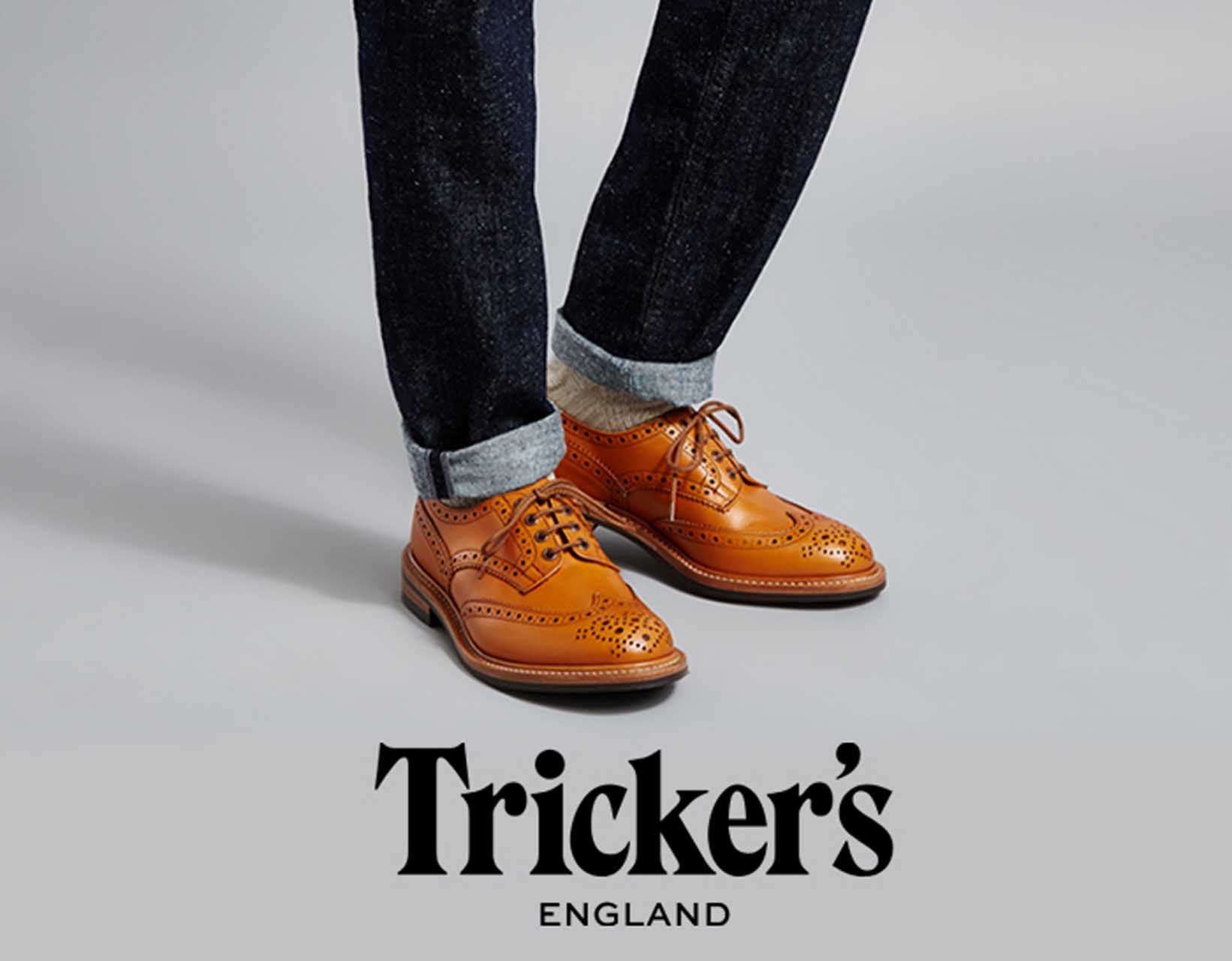
Tricker's - Traditional English Footwear, Made to Last
A family – owned business since 1829, Tricker’s footwear is recognised around the world for its quality and quintessentially English style.
Northampton, situated in the heart of England, is a famous for its shoe industry, the history of which goes back hundreds of years with shoemakers attracted to the town due to its thriving tanning industry.
Established in 1829 by Joseph Tricker, the brand quickly gained a reputation for outstanding manufacturing quality and durability, becoming the maker of choice for heavy country boots and shoes to farm, estate owners and the landed gentry who all swore by the comfort, strength, durability, and practicality of Tricker’s waterproof country footwear.
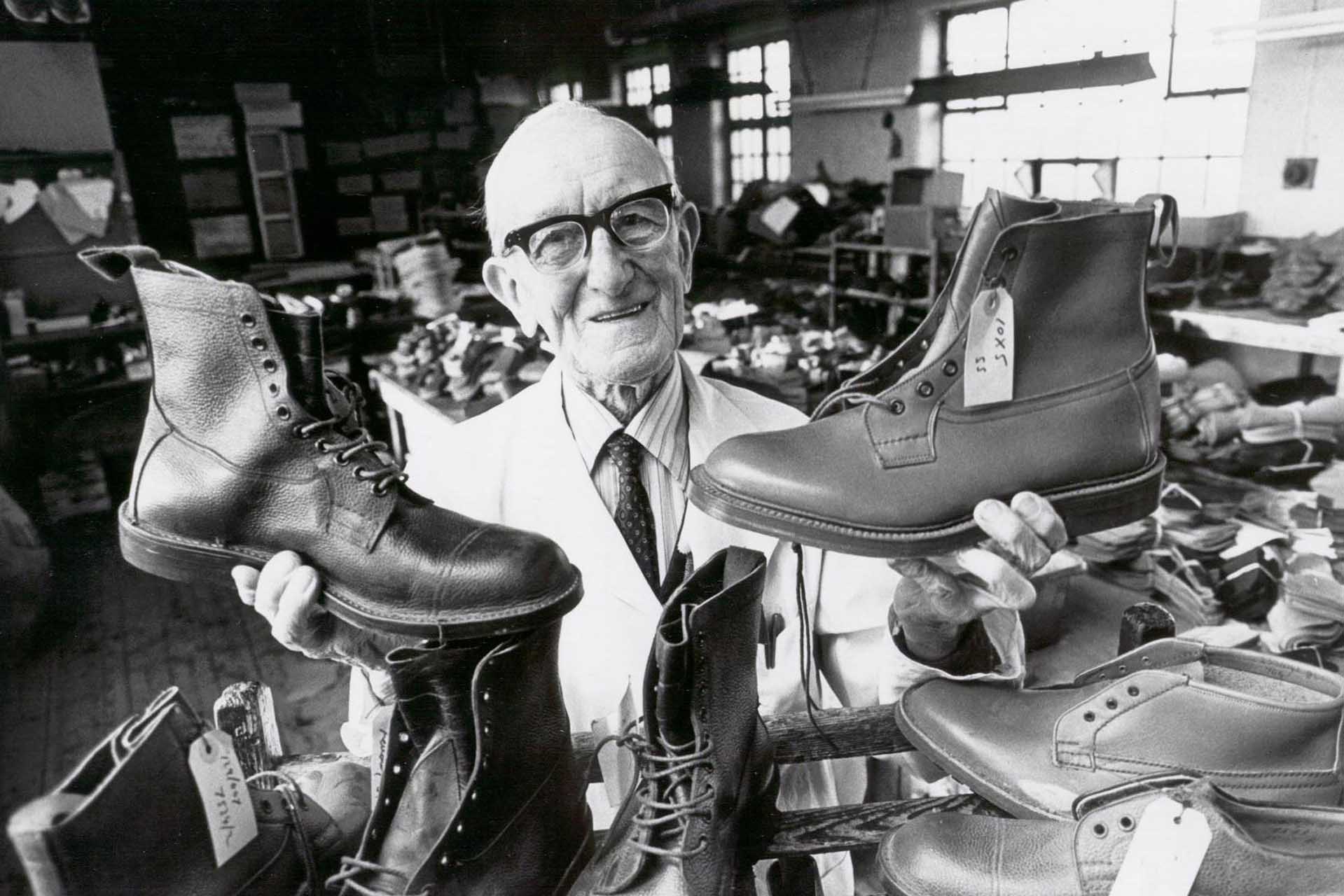
Responsive to innovation, even in the early days, it was one of the first Northampton companies to bring the Goodyear welting machines over from America. The process of Goodyear welting was one that enabled the change from out workers to factory production.
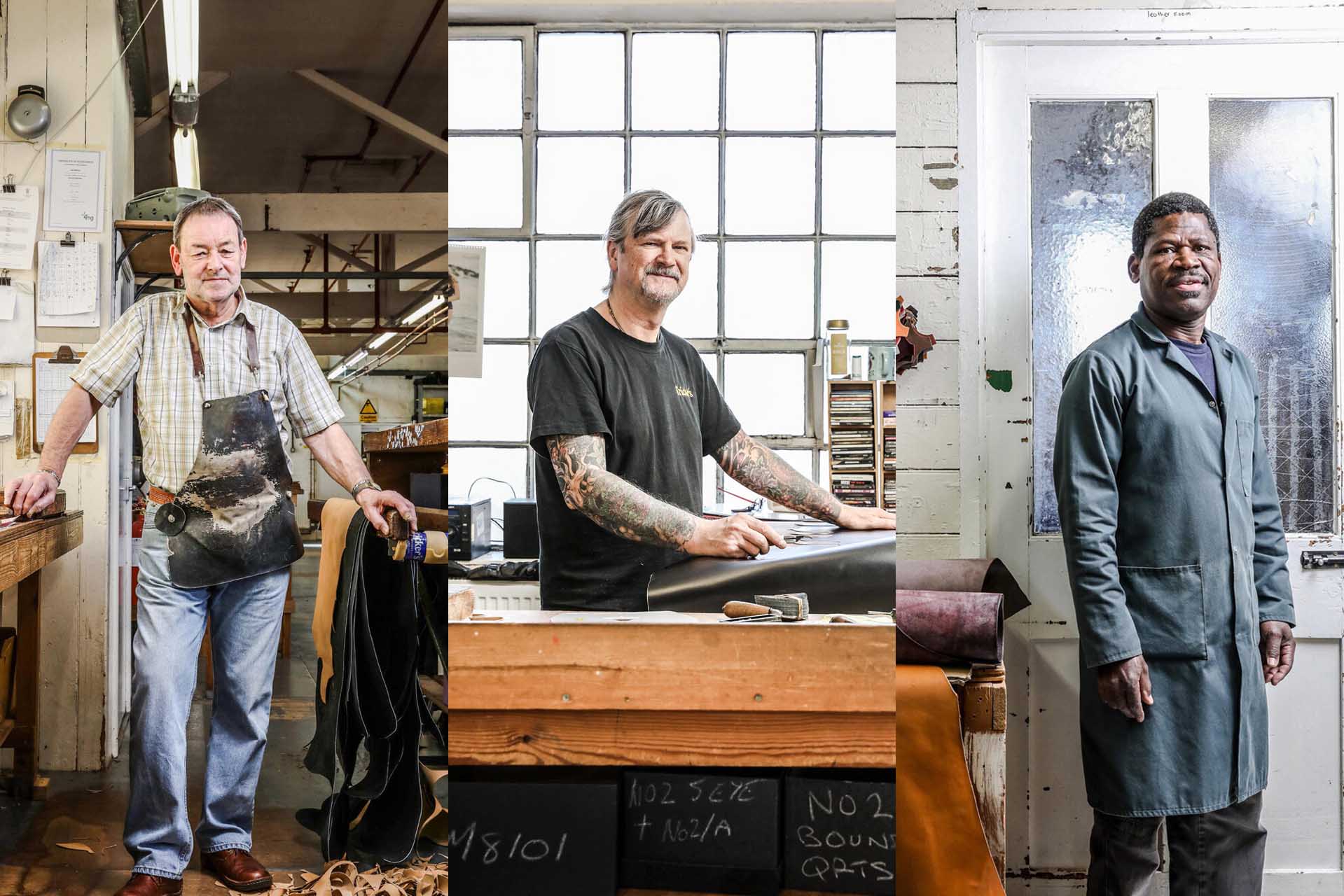
Tricker’s country shoes and boots are today built to the same exacting standards that first established its reputation. One of the longest established shoemakers in England, five generations later, Tricker’s is still a family-owned business. All its footwear is made entirely from start to finish at its Northampton shoe factory and His Royal Highness, The Prince of Wales, awarded Tricker’s a Royal Warrant in 1989.
There are still 260 individual processes in the making of a pair of Tricker’s country boots and they take eight weeks to manufacture. In terms of design the shoes today are exactly the same as the 1930s styles. The brogues are a traditional archetype of stylish casual wear with the Bourton brogue and Stow boot being the cornerstone of the Tricker’s business, representing an uncompromising standard of craftsmanship and use of honest materials.
New leathers and designs give the loyal customers a sense of excitement about the brand’s future. For Tricker’s 190th year, a special edition Tramping boot was made from the finest English ‘cruiser upper’ leather sourced from Pittards; one of the last tanners in England and originally a part of the Northampton shoe trade. This leather was selected for its combination of comfort, durability, and finish – the exact ingredients required for the boot’s purpose.
The fact that Tricker’s in-house repair service often receives shoes that are 20 years old speaks to the loyalty and affection that they have for the brand. Most telling is the regular instruction not to make the shoes look ‘too new’ again! It seems that Tricker’s customers carry their memories with them in their shoes.

Classic Designs in Leather Endure
Launched in 1955, the Chanel 2.55 bag with its signature quilted leather, went on to become an iconic style and one of the most recognisable bag in the world.
Well made leather lasts a long time and unlike most man-made, or synthetic materials it gets better with age, acquiring a depth of patina and wear pattern that is individual to the user – much like a favourite pair of jeans. As we mindfully look for ways to lower consumption, leather very much fits with the ethos of ‘buy less, buy better’. Investing in quality leather products, is investing for the future.
Leather has long been a component of luxury goods, from covetable handbags to footwear and clothing. It has a distinctive touch and wear quality that cannot be replicated. As with all natural materials it creates a user experience that is more emotional, less functional.
That blend of luxurious touch, craftsmanship that lasts a lifetime and truly classic design is embodied perfectly in the Chanel 2.55 bag and this photo essay on Designer Vintage shows the steps that go into making one. For anyone interested in handbag design it’s a fascinating insight into the complexity, components and skill that go into making a bag that will likely go to become a family heirloom.

A Guide to Buying Vintage Leather
Well made leather lasts a long time and unlike most man-made, or synthetic materials it gets better with age, acquiring a depth of patina and wear pattern that is individual to the user – much like a favourite pair of jeans.
As we mindfully look for ways to lower consumption, leather very much fits with the ethos of ‘buy less, buy better’. Investing in quality leather products, is investing for the future.
Echoing the Leather Naturally sentiment that ‘some things just get better with age’ Coveteur has published a guide on how to shop for vintage leather. Calling on advice from vintage experts at Vestiaire Collective and The RealReal as well as a leather care expert, the piece explain what to look for and how the worn imperfections in leather can add to the appeal of one-of-a-kind items.
Featuring style advice, care tips and Intsa inspo, the Coveteur feature is a great place to start your quest for the perfect vintage leather investment.
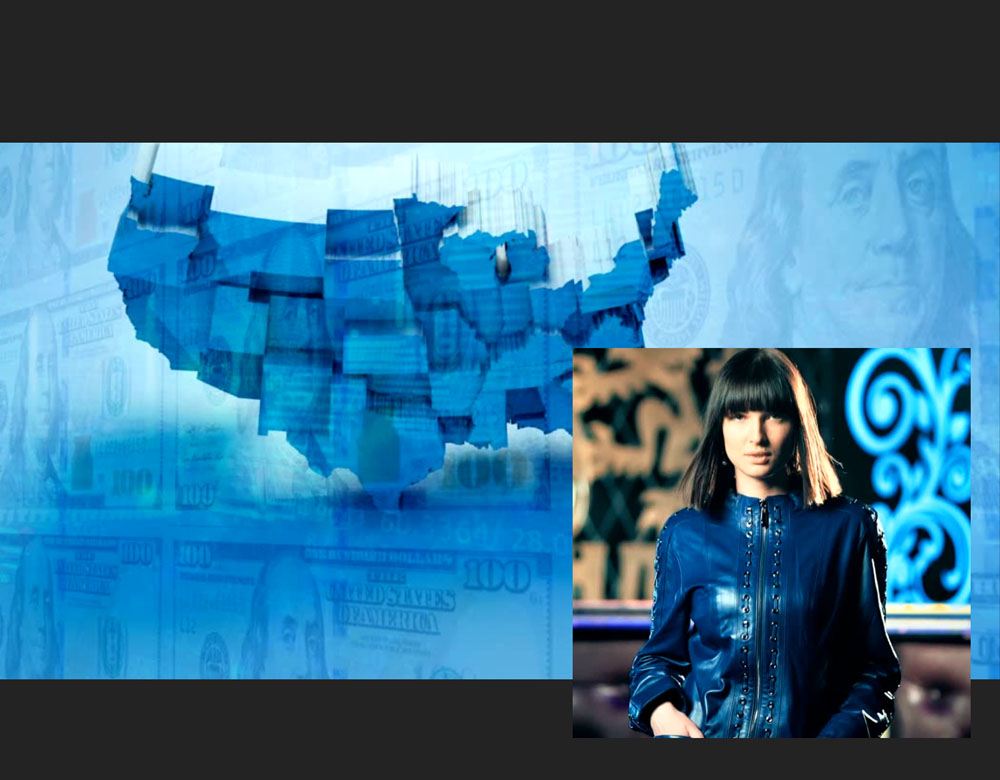
Gen-Z Will Accelerate Millennial Trends
Gen-Z doesn’t regard luxury in terms of brands, but unique items that express individuality.
How Gen-Z and millennial are shaping the future of US retail’ is a podcast by McKinsey that talks, community, differentiated product and brand authenticity. Take a deep dive into the detail to get a view on the future, from always-on purchasing habits to the transparency consumers desire.
www.mckinsey.com/industries/retail/our-insights/how-gen-z-and-millennials-are-shaping-the-future-of-us-retail
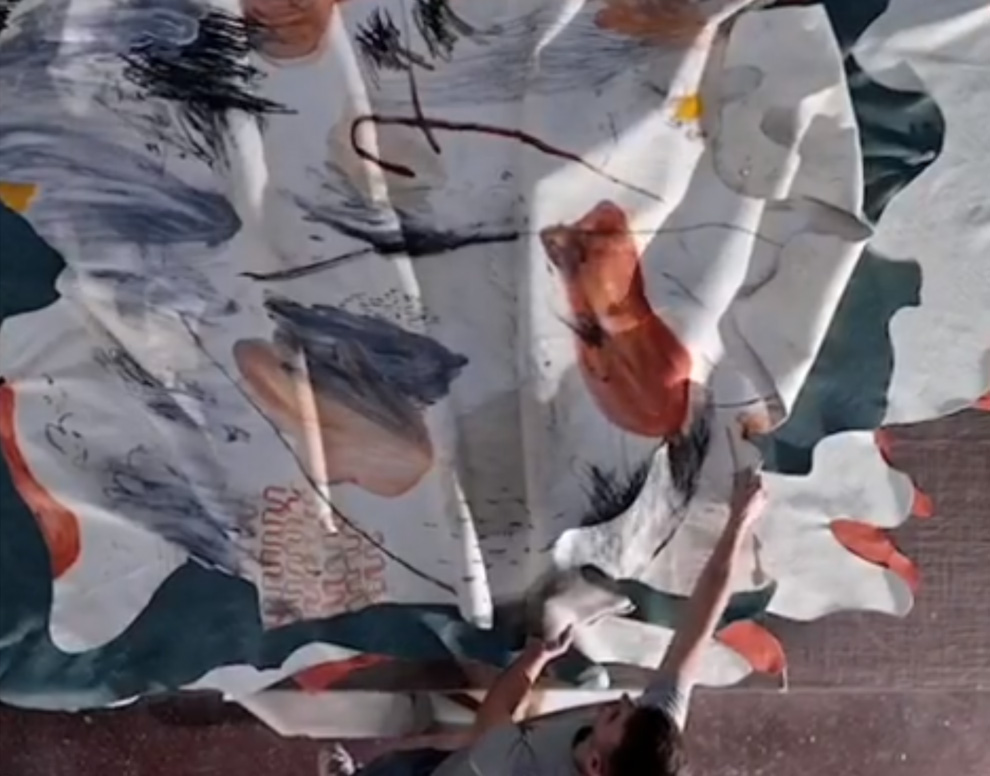
What Is the Future of Leather?
Listen to creative and founder of Bill Amberg Studio, Bill Amberg speak on the subject.
If you would like to read the ins and outs of this impressive interior designer, read Meet the Maker – Bill Amberg.
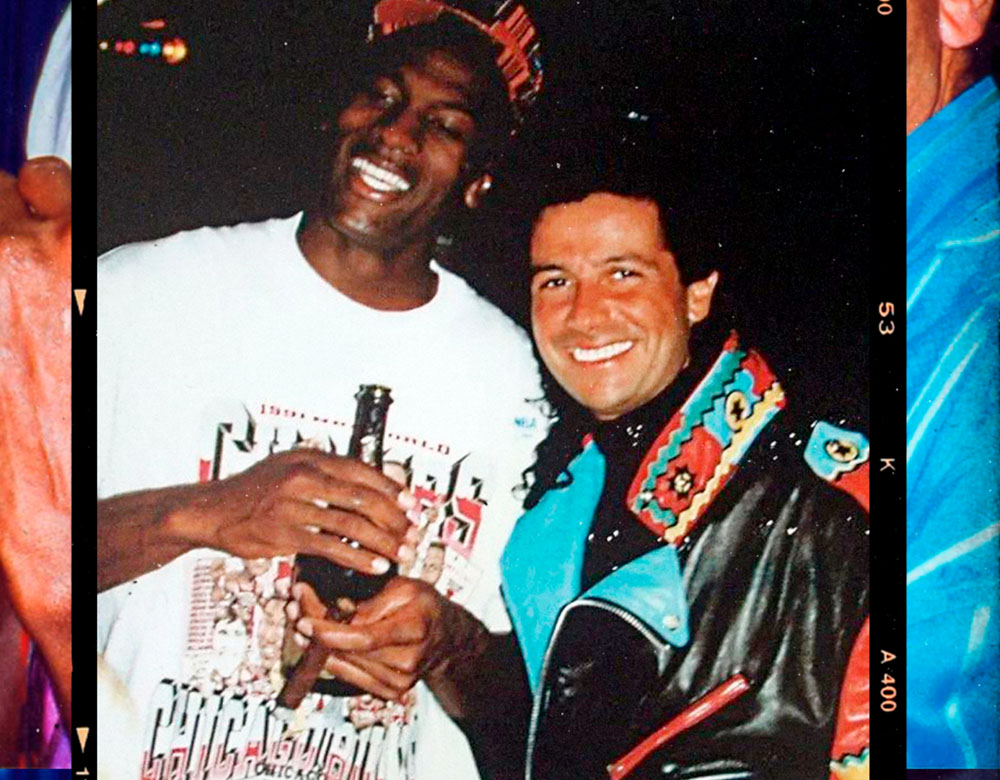
Jeff Hamilton - The first ever licensee for Guess Jeans for Men
Jeff jumped from denim to leather, his passion
Jeff Hamilton has an initial attraction to leather, the intricate creative prociess, experienced design philosophy and plans to make his jackets more accessible for those that don’t have a wallet like the artists.
However it all started when he was a kind and big fan of basketball. He started working as a designer and founded Guess, but was always attracted to leather even when started Guess jeans. After Guess his started making leather jackets. He began designing a few jackets for NBA players. He designed for the big players like Michael Jordan.
This helped him to penetrate into the basketball industry. After the basketball industry the pop industry started wearing his jackets. Like, George Michael and Michael Jackson. He made an impact with his leather jackets. These leather jackets are not just jackets, but pieces of art. In the early 90s Jeff started signing every custom made jacket he made.
If you like to read more about the future plans of Jeff to make his leather jackets more accessible for those with a smaller budget click on the link.
https://metcha.com/article/meet-jeff-hamilton-the-leather-craftsman-to-the-stars
Credits: Jeff Hamilton & Metcha
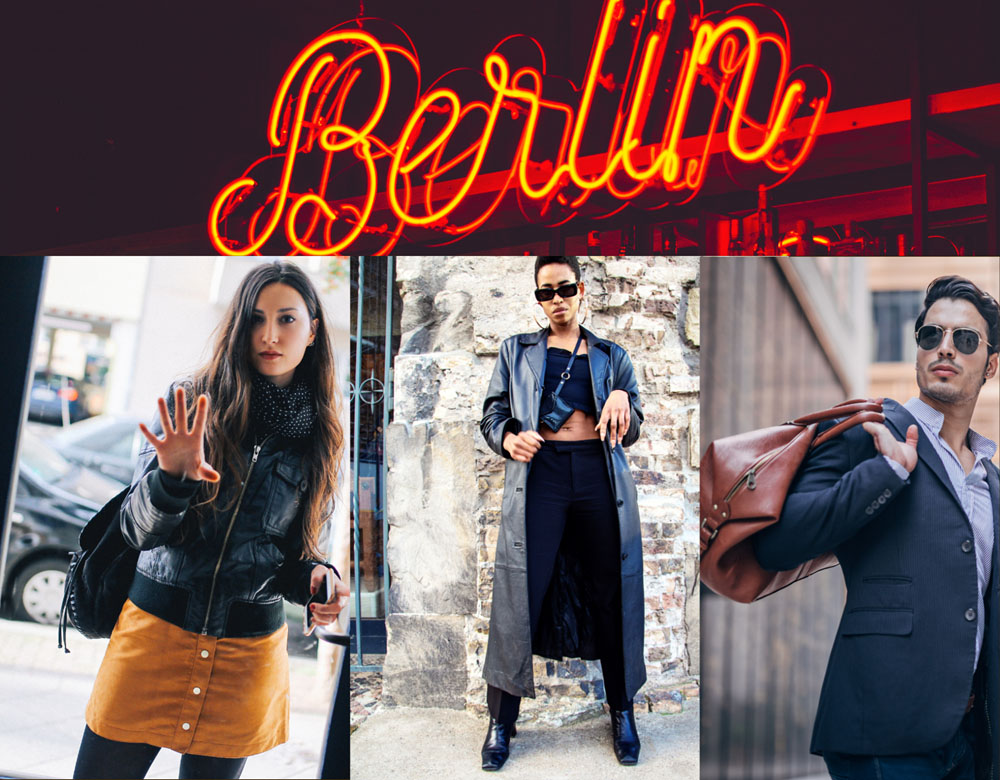
Buy Less, Buy Better, Buy Leather
Berlin Department store to sell only pre-owned goods.
Berlin’s city government has just opened a department store. Called B-Wa(h)renhaus the pop-up shop will sell only high quality pre-owned goods ranging from apparel to furniture. The initiative is part of a wider plan to make Berlin a zero-waste city by 2030.
Read the full story here:
bit.ly/3oRVIv8
Well made leather goods from footwear, to apparel, accessories and furniture all get better with age and retail innovations that showcase long lasting products, which can continue to have value for multiple owners are to be celebrated. If successful, more stores in Berlin are planned and we look forward to seeing them.
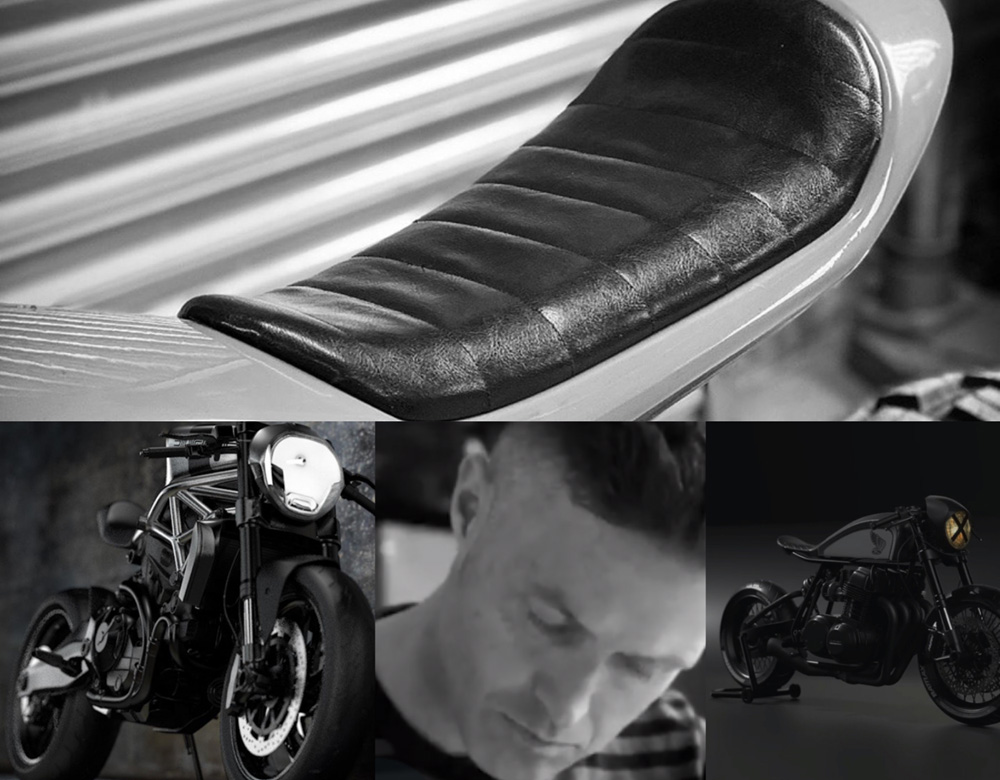
Leather and Motorcycles Are Extensions of Each Other
Passionate about motorcycles and their synergy with leather.
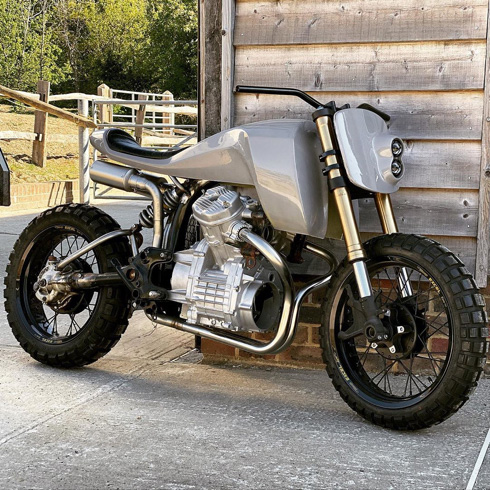
Leather a material that offers a natural protection, but for Paul it does more than that – for him it makes the real biker experience complete. (His personal favorites are the sets from Dainese, a brand known for its leather garments specially made for racing.) Leather is also at the heart of the experinec of Ziggy Moto, his company that specialises in custom-made bikes.
Video Player
That’s because for Paul, it’s not only about the looks, it is about functionality and the perfect performance. Plus, the ethos of reduce, reuse, recycle meaning that leather plays an important role.
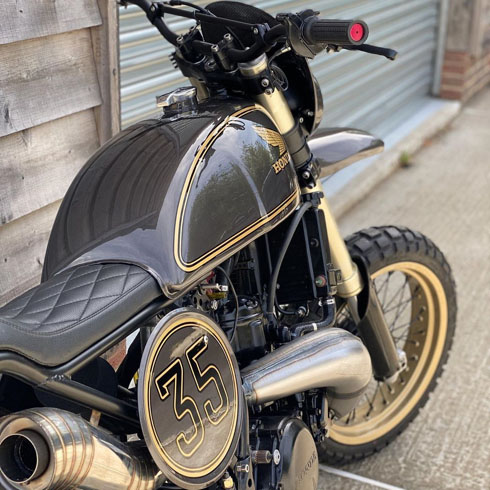
“There are some aspects of riding where there could be no other material. I have a set of Dainese Leathers that I use on track, I’ve had it for years. They still fit and feel great on top of looking even better with age. They carry a number of battle scars and have been professionally repaired after a sizable crash on Paddock Hill at Brands Hatch, but that’s a great example of genuine sustainability and the ability to repair and reuse rather than discard and replace. Only leather can do this.”
3 Reasons Why Louis Vuitton Uses Leather
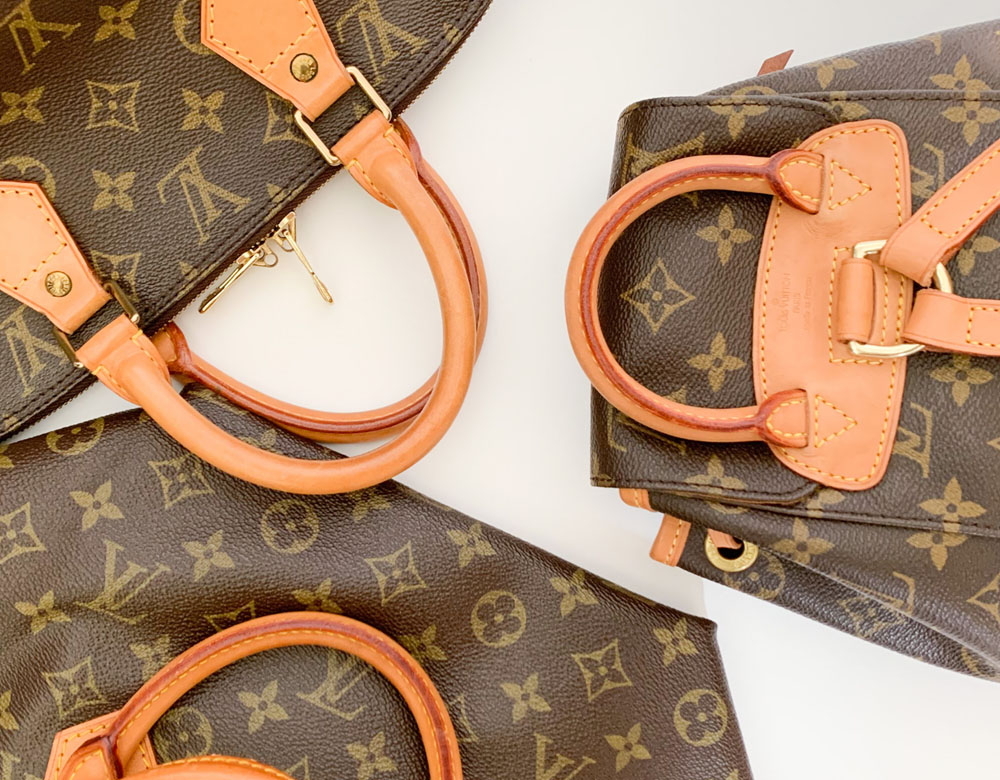
Cristal clear why Vuitton uses leather. Read the 3 reasons of CEO – Michael Burke
- First, because the leather tanning industry has been traditionally a circular economy model.
- Second, LV cares about animal welfare and the farmhouses which currently work with Vuitton have been relying on protocols and are certified. Furthermore LV requires and enforce ethical treatment in addition to the welfare of animals and those who work with them ”.
- Third, there is no material that can substitute leather.
Read the whole interview with CEO – Michael Burke: https://www.laconceria.it/
Credits: La Conceria – News and insights from the leather world.
Do you like to know the benefits of leather? Download our factsheet for free (no registration)