


Interview: Greyder L A B
Two years ago, the shoe brand GREYDER L A B was founded to make the world a little better with a product that almost everyone uses every day: shoes.
Now we are launching a funky shoe collection made from coffee scraps, sugar cane, Mediterranean plastic bottles, recycled cotton, car tires and Leather Working Group leather in 22 countries.
LN: What does the label say? – What does this mean?
The world is changing, let’s change the world! – Because #WECARE. With this philosophy, the GREYDER L A B brand does much more than just make cool, affordable shoes that are sustainable. Their Forest Fund will plant 10,000 trees this spring. And shoes left over from collections, just as good and beautiful as shoes in the store but normally thrown away as trash, are given to refugees fleeing the civil war in Eritrea.
“The era of simply selling shoes is over. In this uncertain and polarized world, people are looking for meaning, connection and warmth. Taking care of each other and our natural environment is the only way, also looking at my own children,” says Creative Director Rob Willems.
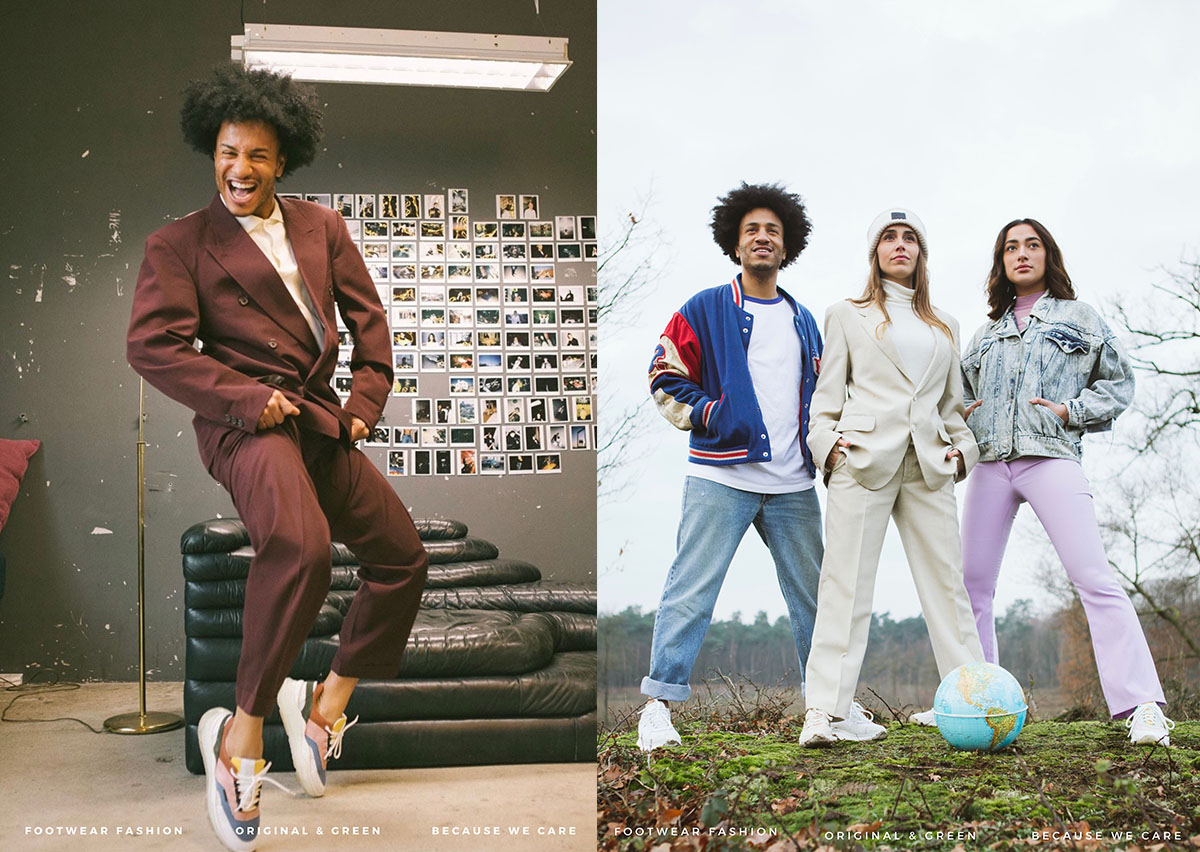
LN: tell us some more about your shoes
We care about originality and personality. Therefore our shoes are designed and developed to leave an impression: a beautiful way to express yourself and be yourself with every step you take. Our shoes are also designed and developed to feel good. From the shapes and colours to the textures and footprint. So funky equals fun key.
LN: you say we care about your feet and durability, tell us more
The shoes stand out through crazy comfort thanks to self-developed lasts – decades of craftsmanship given from one generation to the next. Together with our removable footbeds made of ‘memory foam plus’ a guarantee for happy feet – even after a long day.
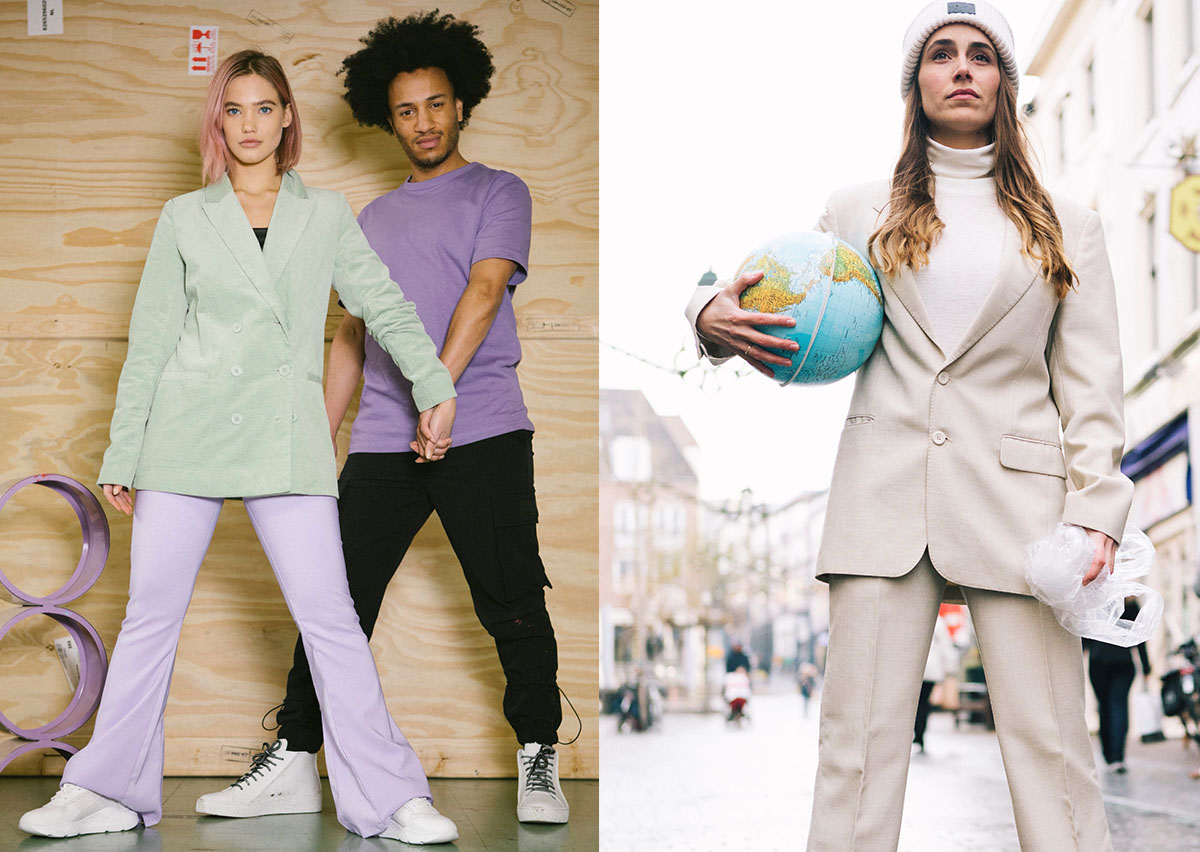
LN: you care about resources and pollution, how do you feel about the sustainability of your shoes?
We use recycled and organic materials. Tires,coffee wast, cotton, cork, plastic bottles, sugar cane, pineappl leaves and even cactus – up to 90% of a shoe. When recycled or organic materials are not an option, we use leather from Leather Working Group (LWG) suppliers as we are an official LWG-brand. With this we save huge amounts of water and energy every year.
LN: can you give us more information about your Forest Fund as you care about people and the planet
A GREYDER L A B Forest Fund has been established to preserve, maintain or restore nature. Therefore we donate a part of our own margin to the Fund. From the perspective People R Human we look at people in need and how to help them with what we do and make. So we give shoes to refugees.
Billy Tannery
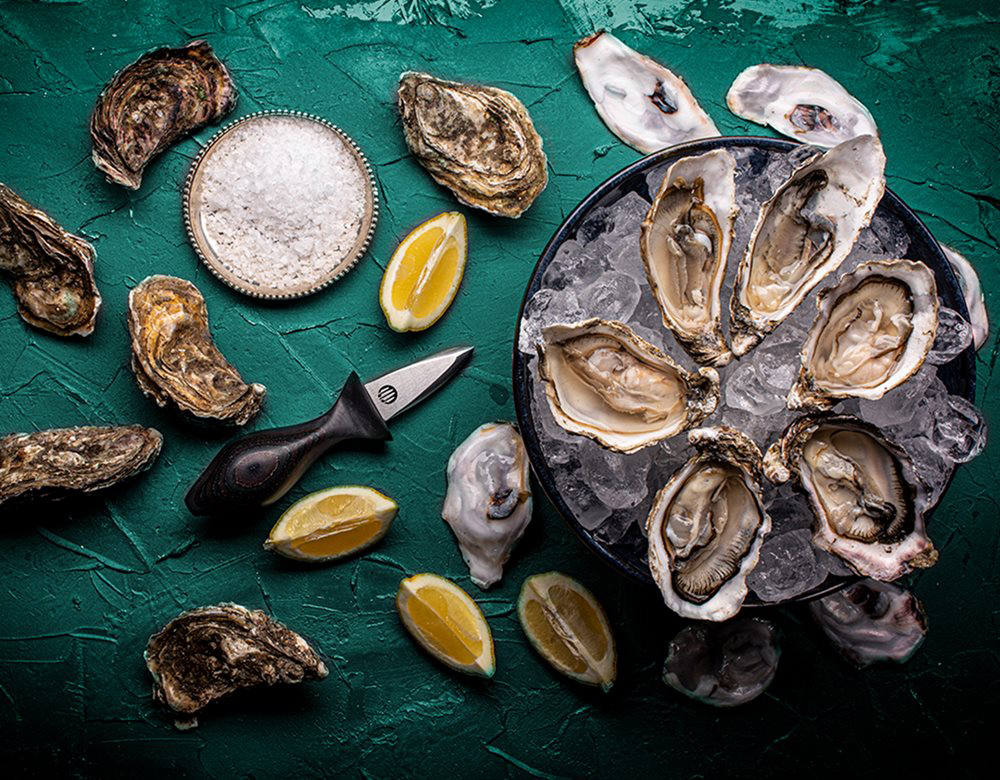
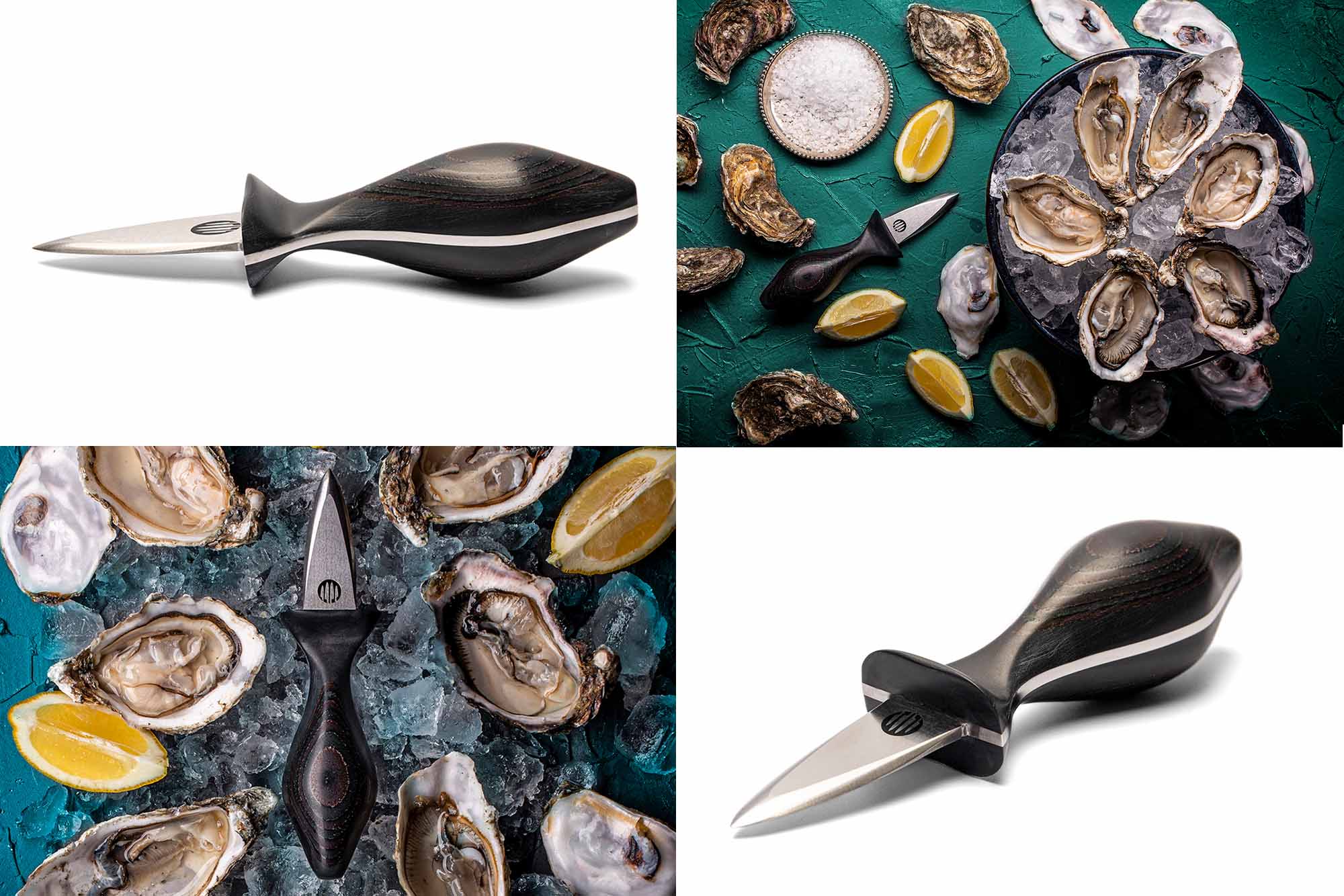
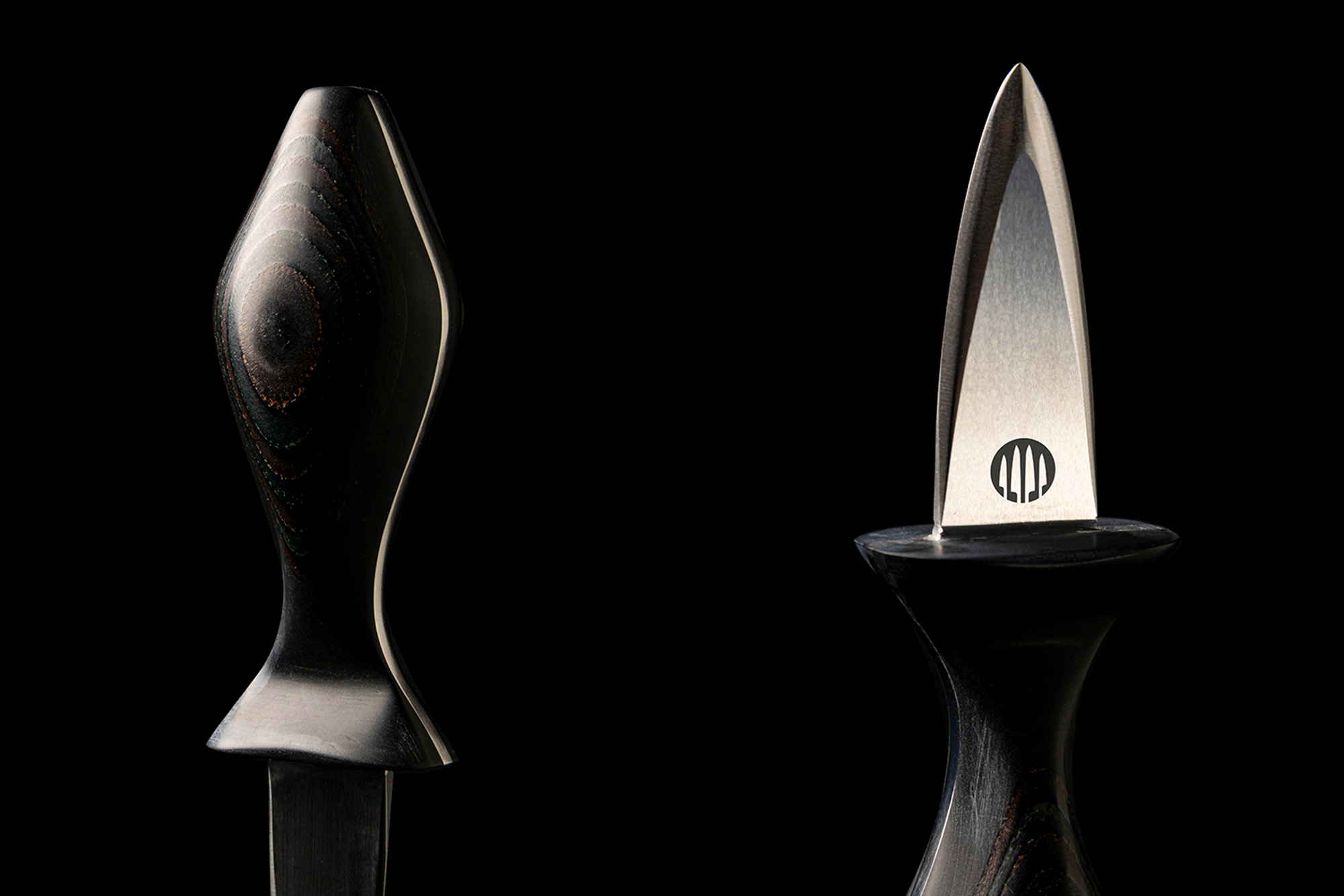
Billy Tannery has partnered with Savernake Knives to create beautiful knife handles from leather waste.
Billy Tannery is a small-batch micro-tannery based in England. They believe that a sustainable future lies in a return to interconnected and regenerative systems and their unique operation processes goat skins that are a by-product from the food industry and turns then into beautiful leathergoods.
Tackling waste is at the heart of everything they do and as part of an initiative to use up the off-cuts they have partnered with Savernake Knives in a collaboration that uses layers of leather to create incredible knife handles.
Interview: Lederhaus
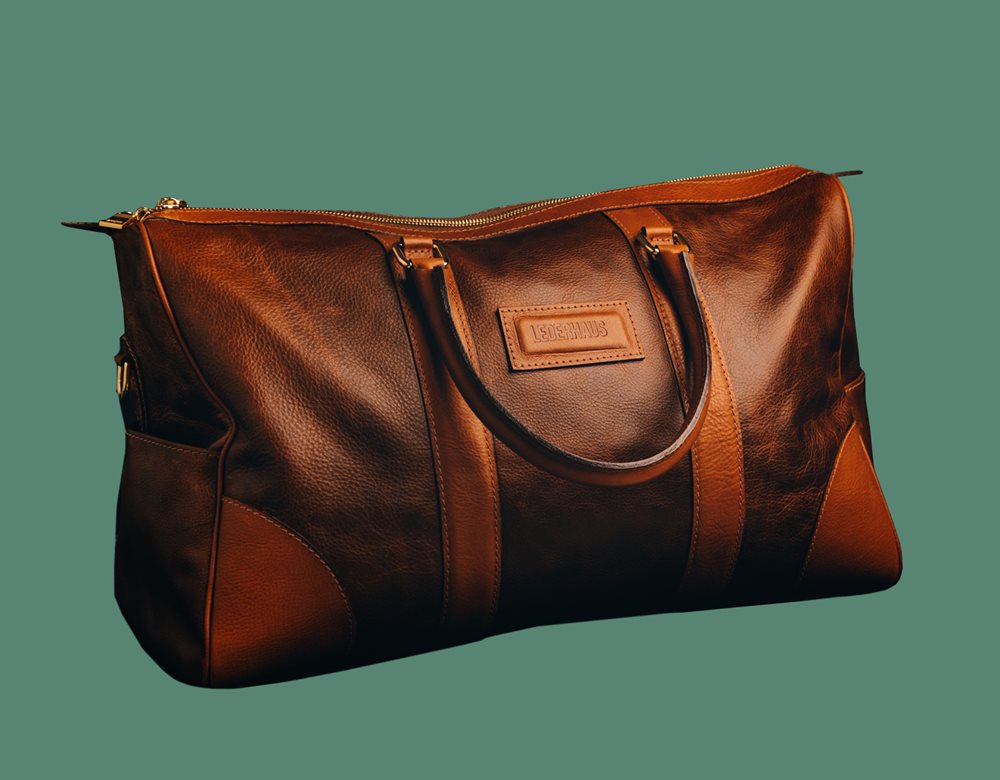
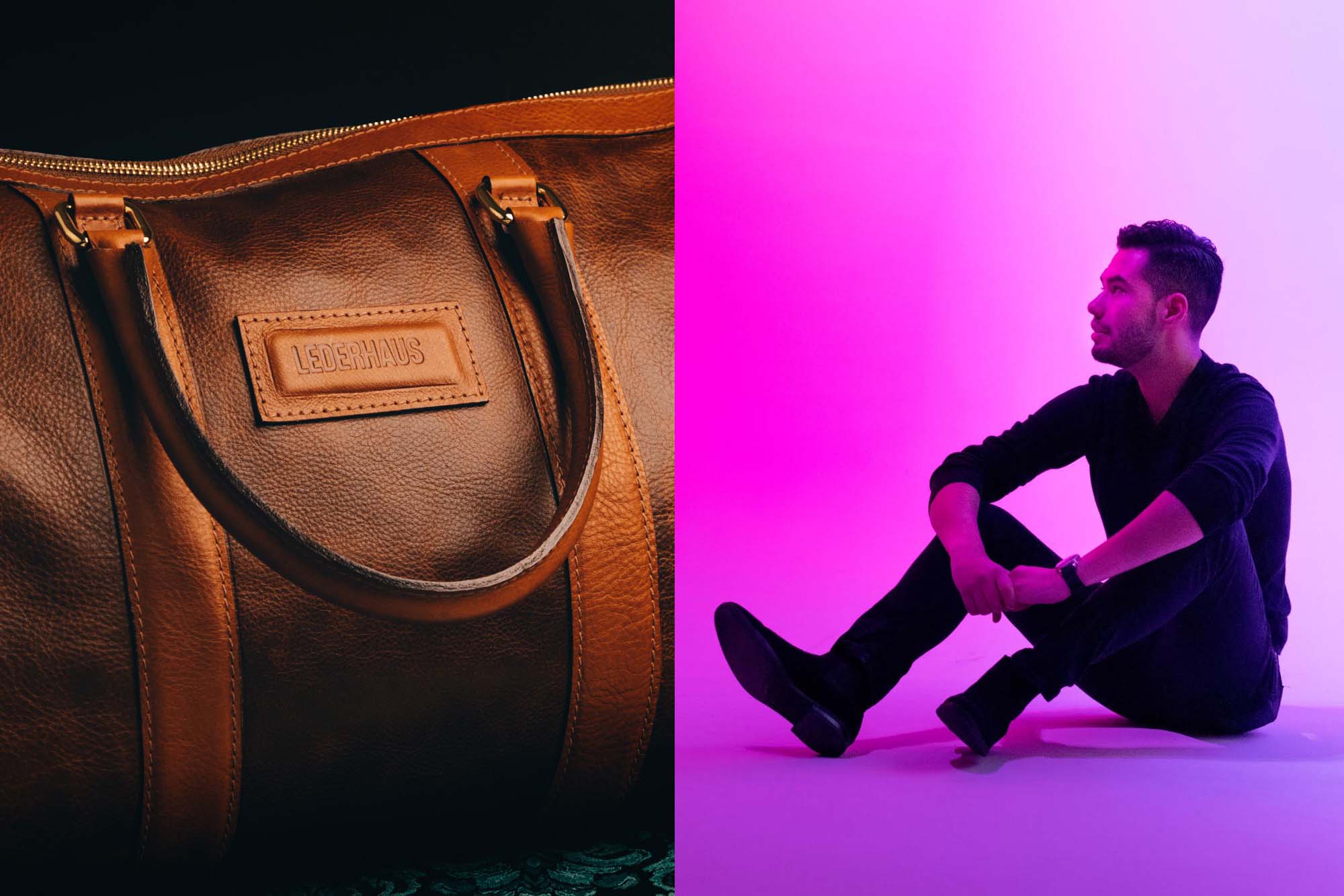
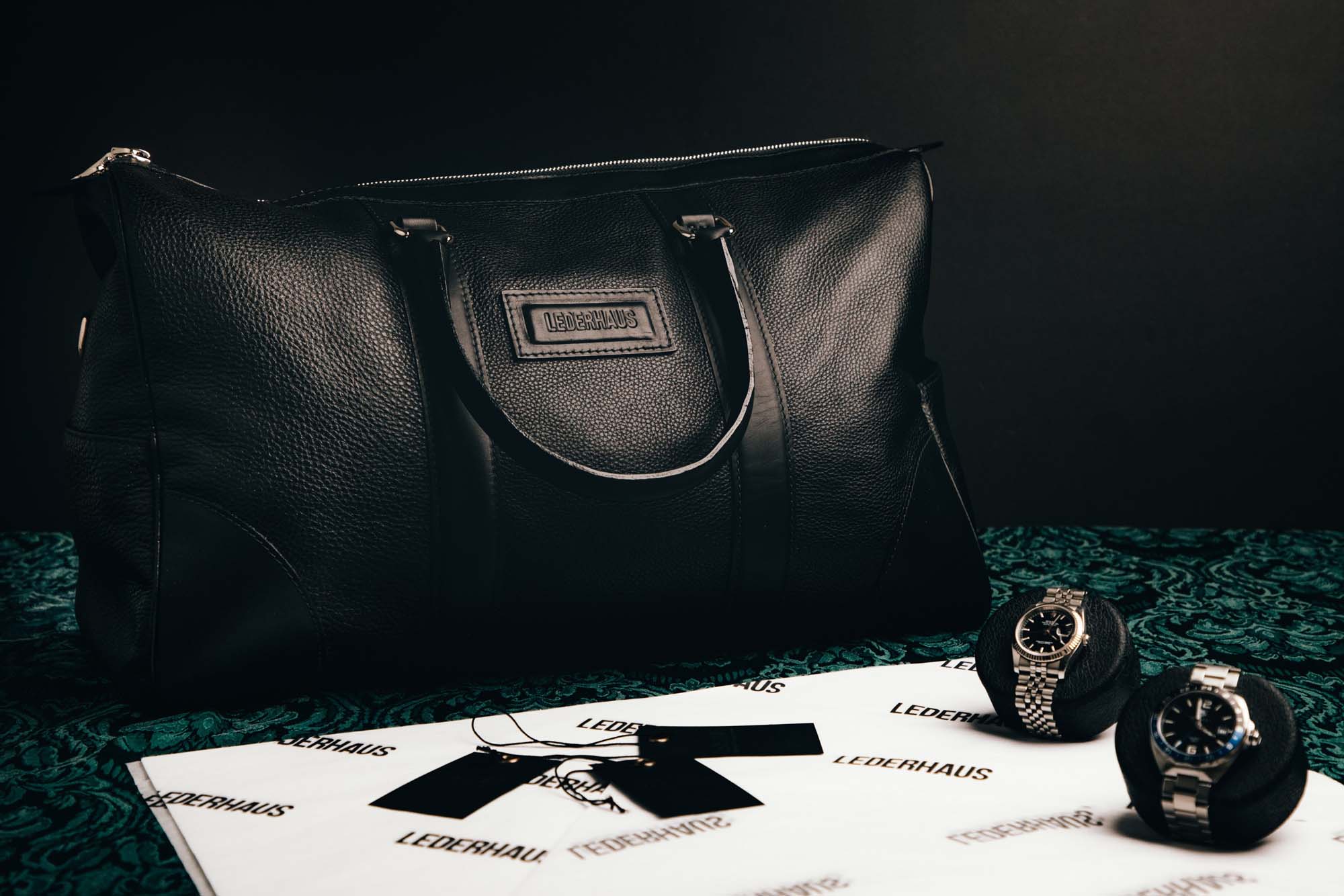
Lederhaus is an online leather goods retailer. Their products are expertly crafted by a master artisan in Toronto, Canada.
LN: What does the label say? – What does this mean?
Lederhaus, means House of Leather.
LN: All your products are handmade, please tell us a little more about your handmade process?
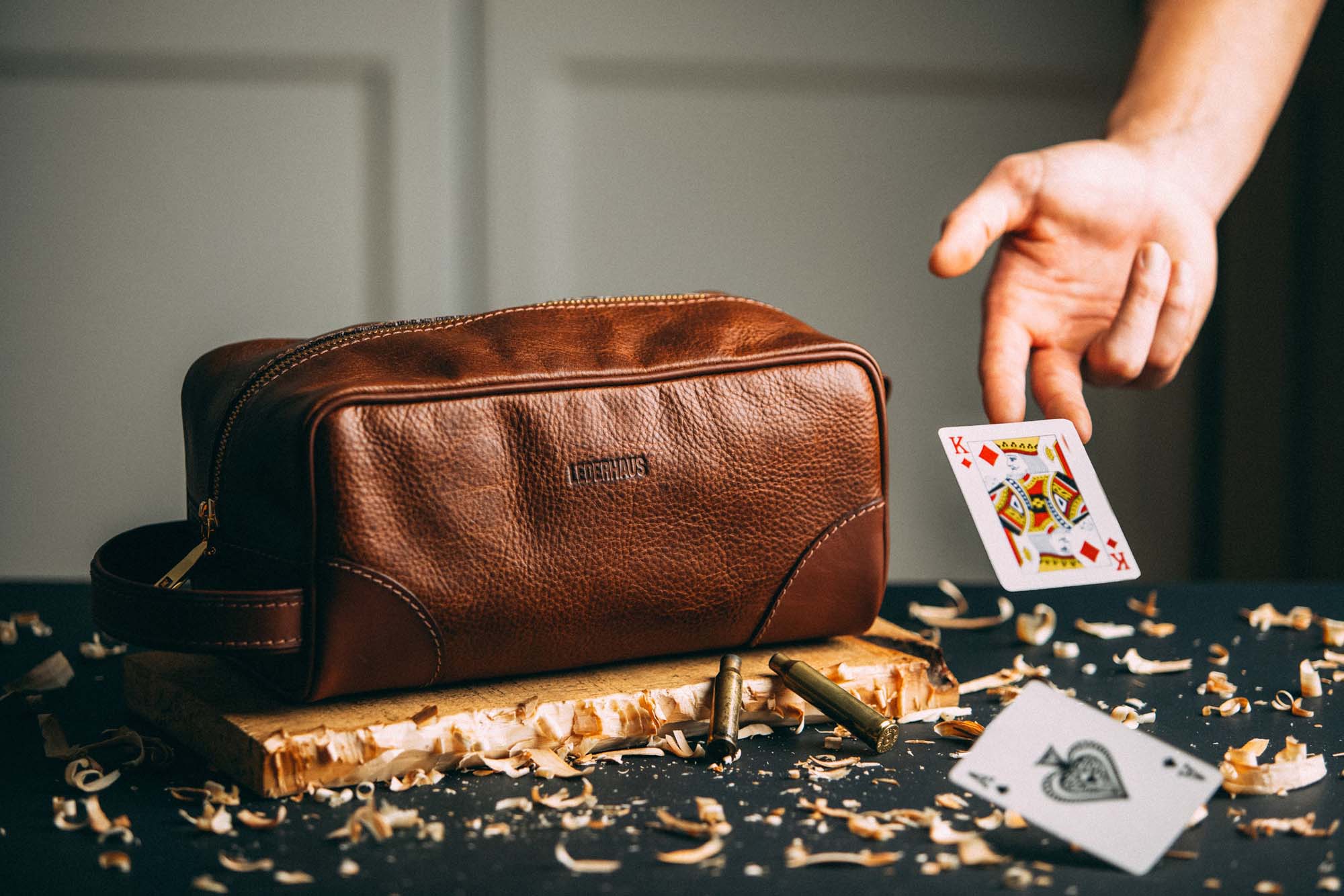
Our leather has a full aniline finish which means that it was first put in a vat with the colour in it. The leather is then tumbled in huge drums which give it the grain or pebbled effect. This process is all natural with no top finish. We use Italian full grain leather because it is the top layer of the leather and the strongest part which makes our product strong and durable. All of our hardware comes from one of the premier manufacturers of metal findings in Italy.
All of our bags in the Slate colour are fitted with zinc hardware and our Sandalwood coloured pieces boast beautiful brass findings. The thread that we use is classified as cable. It’s a nylon which is rot resistant and UV resistant – our product is made to last.
LN: How started your passion for leather?
I’ve always loved wallets. Then I learned how they’re actually made and I fell in love. The amount of craft and precision you need to create these products is incredible.
LN: Why is leather such a unique material?
Not one piece is alike, almost like a fingerprint.
LN: How do you advise your customers to care for their Lederhaus products?
Always keep your leather products in a cool and dry place when not in use. Avoid direct sunlight exposure and overall, just keep it clean. This product is meant to last a lifetime.
LN: What keeps your customers coming back?
Our unparalleled customer service and the fact that we stand behind our products 100%. If you’re not satisfied with your product we’ll be happy to offer you a refund, because no one should have to feel like they didn’t get their moneys worth.
LN: Why do you think should leather be the material of choice for consumers?
It’s unique, just like each and every one of us.
Want to learn more about full grain, aniline an different types of leather? Check out our fact sheet on Leather Terminology.
Is Leather Sustainable?
Yes! If sustainable means converting materials that would be otherwise thrown away to make the products we use to live, keeping things for a long time, repairing them when we need to, passing them on to someone else to use after us and, eventually, recycling the product as many times as possible… Leather is most certainly sustainable.
Here’s how leather meets those criteria:
- Leather is based on a raw material that is a by-product of animal meat and milk, which are required by consumers
- It is a by-product of the food industry that is up-cycled, preventing 7.3million tons of waste each year
- Leather is long-lasting
- Leather products are eminently repairable
- At its end-of-life phase, leather degrades through chemical and biological means
The leather industry is also an excellent example of the circular economy, as set out by the European Commission in December 2019, (read our White Paper) its sustainable consumption and production support the United Nations’ Sustainable Development Goals.
Sustainability in the leather industry
Leather’s durability, longevity and recyclability as a natural product are underpinned by regulations and quality standards in many countries to ensure that sustainability credentials are met and maintained throughout its production.
Responsible tanneries are very transparent about their compliance data and openly share the following areas of information with their customers.
- How they comply with environmental controls
- How they manage wastewater and other waste
- How they use and manage chemicals, including restricted substances
- How tanneries keep their leather workers safe
- How they calculate how much energy and water they use
- How customers can track a leather supply chain
There’s more detail of these processes and regulations in our fact sheets Everything you need to know about leather and The sustainability of leather.
How to source sustainable leather
If you want to make doubly certain that the leather you source forms part of the sustainable circular economy, there are a number of organisations around the world which audit and certify areas of leather production such as the processes, governance, social responsibility and environmental impact. Read our section, Certification to learn more.
Want to know more? Check out our wide range of articles and fact sheets created to inform and educate.
Is Leather Environmentally Friendly?
The simple answer is ‘yes’. Leather is a highly versatile, widely used material and there are a number of elements in its manufacture that contribute to its environmental credentials.
Is real leather environmentally friendly?
The simple answer is ‘yes’. Leather is a highly versatile, widely used material and there are a number of elements in its manufacture that contribute to its environmental credentials.
Use of chemicals
Leather making is one of the oldest industries and has always required the use of chemicals. Nowadays, there are strict requirements regarding the use of chemicals. They are restricted by legal requirements and by many voluntary industrial initiatives which are committed to eliminating potentially harmful substances from the supply chain.
Read our The sustainability of leather fact sheet to learn more.
Is leather sustainable?
Leather as a raw material is renewable, and in products it is long-lasting and repairable.
It is made from a by-product of the food industry. If this by-product were not converted into leather, it would be thrown into a landfill, a significant environmental risk.
Can leather be recycled?
Leather can be repaired, refurbished and re-purposed but it has also been recycled for well over 70 years into leather fibre board, a material used in footwear, or sometimes as ground up trimmings for stuffing boxing punch bags. A lot of R&D is currently ongoing to expand the applications for leather recycling.
Leather is based on a renewable material
Leather is made from a by-product of the food industry. If this by-product were not converted into leather, it would be thrown into a landfill, a significant environmental risk.
Is leather biodegradable?
As a natural product, leather will biodegrade in a typical landfill in 10 to 50 years, depending on the type of leather. A typical Polyvinyl Chloride plastic material takes 500+ years to break down in the same environment.
Responsibly governed, worldwide
Large leather-producing countries, like Brazil and Italy, have implemented sustainability certification schemes which include good governance in chemical and water usage, social responsibility, and environmental and sourcing stewardship. The Leather Working Group (LWG) is the global standard for environmental stewardship for leather manufacturers.
Get the full picture by reading our fact sheet, Everything you need to know about leather
Is faux leather environmentally friendly?
Faux leather is an umbrella term for products marketed as vegan leather, PU leather and synthetic leather – all artificial leather-look materials that are made mainly from oil, a finite fossil fuel.
There is certainly some confusion around what ‘environmentally friendly’ means in relation to these marketing terms.
For some it can imply its level of ‘green-ness, ’ or that the material ethically suits those who follow a certain lifestyle, like a plant based diet or vegan philosophy. For the latter, the choice of whether to use an animal-derived product or a man-made one, no matter its provenance, is clear.
For those who are concerned about the environmental impacts of the products they use, in terms of criteria such as sustainability, recyclability and end-of-life disposal, faux leather does not meet the same standards as real leather. Usually manufactured with polyester or nylon, then coated with PVC or PU, synthetic materials are not made from a renewable source, they are generally not as durable as real leather, and they are more likely to end up in a landfill, given their unsuitability to recycling.
Even new materials made from mushroom, apple skins, pineapples or grapes, still require treatment and coatings, which are often made with PVC or PU.
To help you make a fully informed choice, read our fact sheet – Leather & Leather Alternatives, a guide to labelling
Which is more environmentally friendly – leather or plastic?
Why not browse our range of fact sheets about all manner of leather-related topics to find out more about the environmental impacts of leather production?
Why not browse our range of fact sheets about all manner of leather-related topics to find out more about the environmental impacts of leather production?
Interview Lake Cycling
Lake Cycling is renowned for the fit and performance of its cycling shoes. Leather Naturally caught up with them to learn more about two new models just launched and the part that leather plays in helping them fulfil a mission to create the most innovative performance cycling shoes.
LN: tell us about Lake Cycling
Lake cycling’s core business since 1982 Is in design, development and manufacturing of Cycling Specific foot wear. We wholly own our manufacturing facility that makes all of our top-level racing shoes. All of our products are developed in-house by our design/development engineer who brings over 20 years of experience designing cycling shoe for Lake along with a core manufacturing team that has multiple decades of experience in cycling footwear manufacturing.
Lake’s mission has always been to create the most comfortable, best fitting, innovative and highest functioning cycling shoes by utilizing our decades of experience in conjunction with the best and most advance materials.
LN: there’s a lot of buzz around your new launches, how do you use leather to enhance the performance?
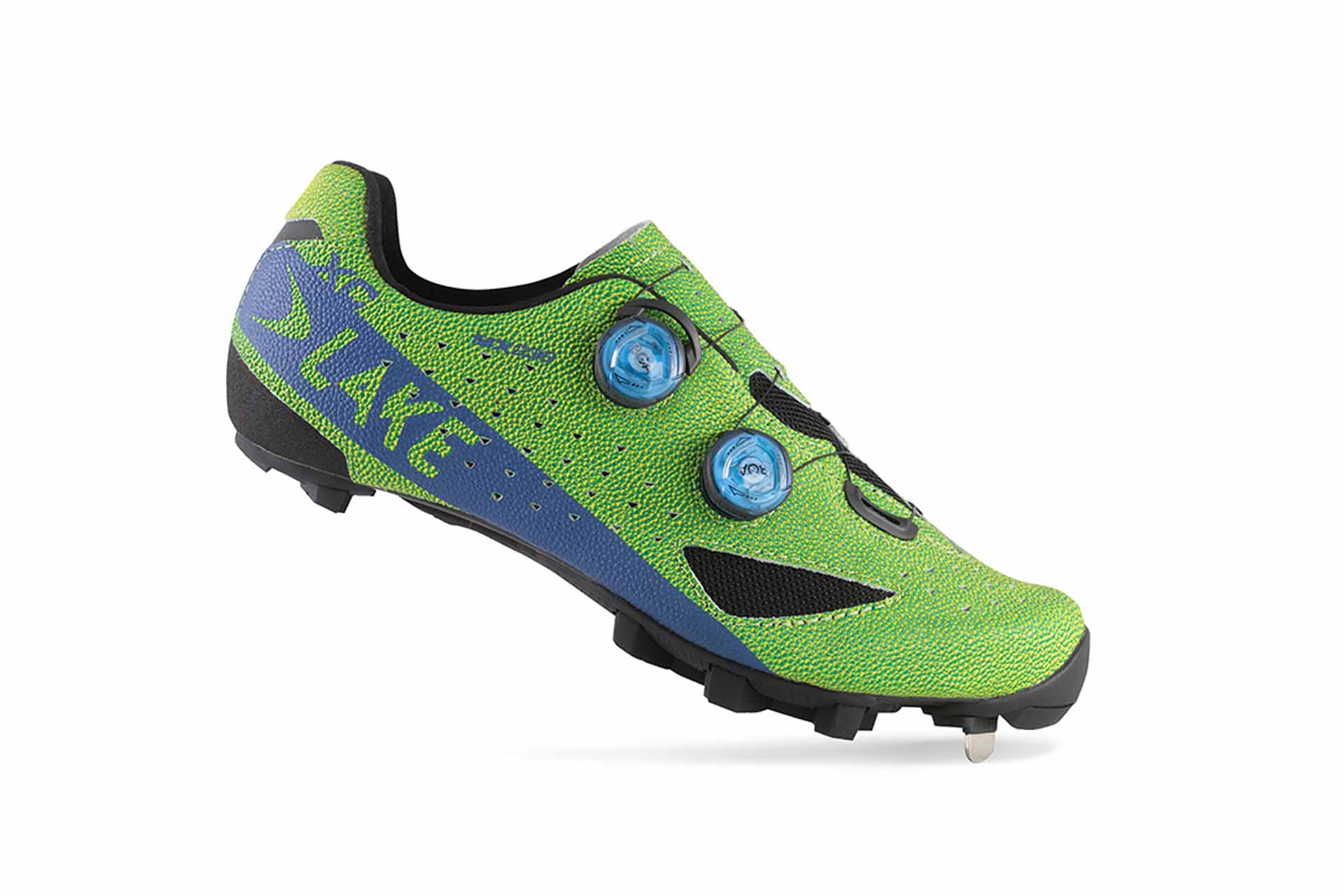
The Lake MX238 brings together several high-quality materials in order to build performance oriented Mountain Bike racing shoe that not only excels in comfort and function but also having enhanced upper durability. The main body / vamp of the shoes uses leather sourced from Ecco Tannery that is light weight, supple, breathable and highly Water Resistant. The Toe and heel use leather from Helcor Ledertec that is extremely durable while maintaining the positive properties of leather.
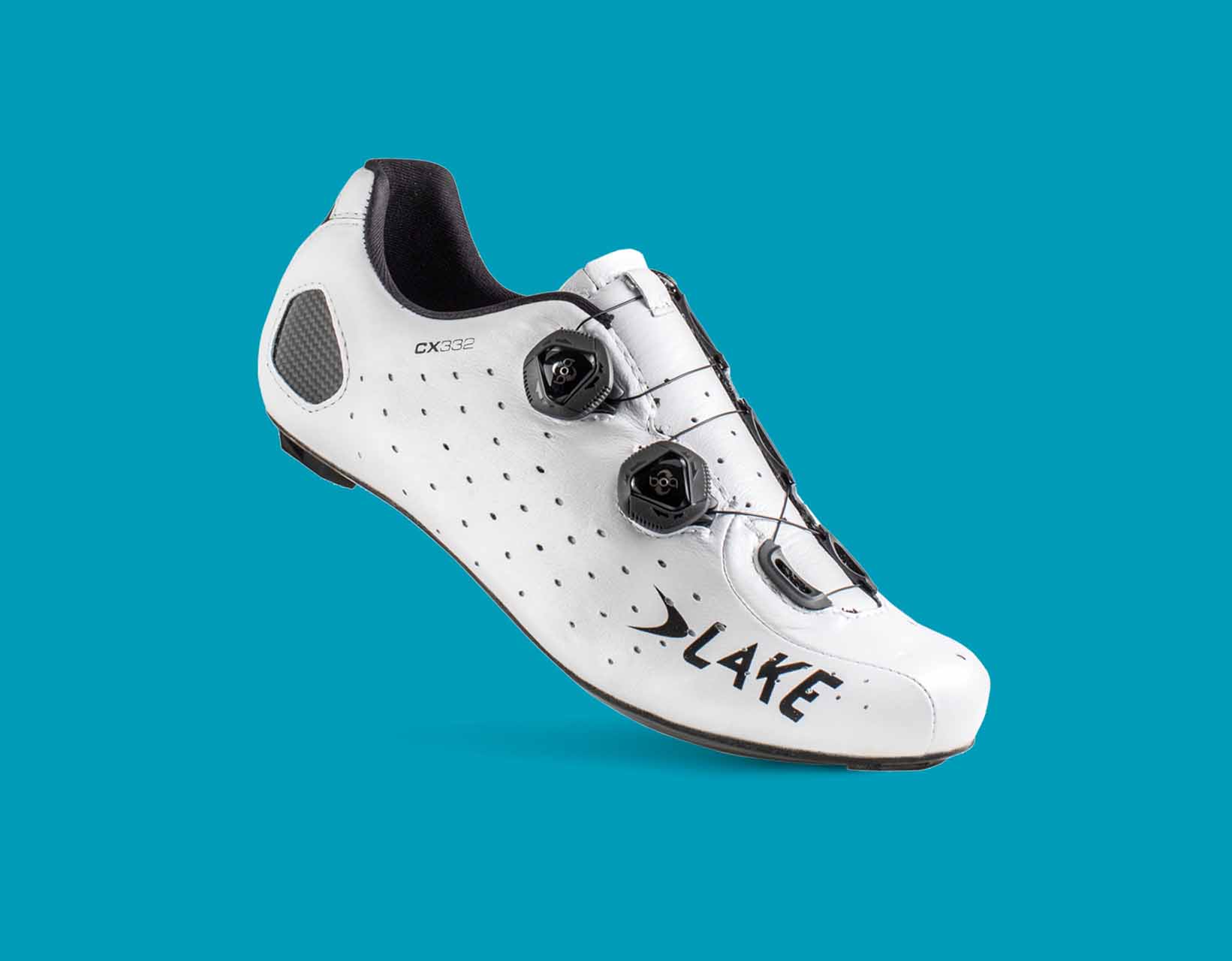
CX332 offers many of the features and functionality that are expected in a top-pro-level racing shoe but with the comfort that is only gained from Leather. The upper is Kangaroo Leather source from Packer Leather Tannery. We have over 30 years working relationship with Packer and have found that their Leather provides not only the light weight performance needed at the pro-level but also the benefit of breathability and form fitting that you can only get from leather.
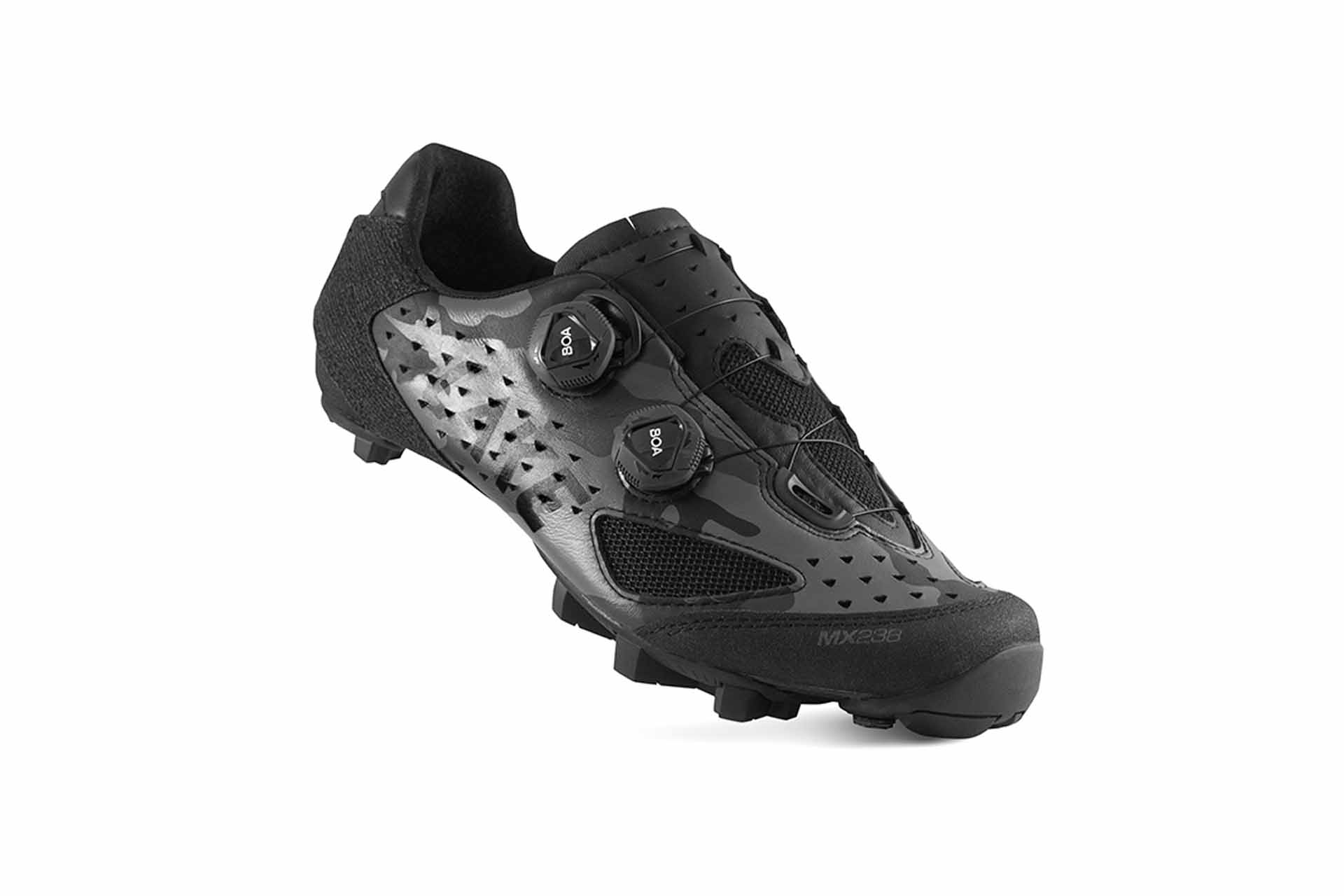
LN: what inspires your use of leather and what are the benefits for cycling shoes?
We use leather purely for the functionality and comfort level that is impossible to gain from synthetics or textiles. The flexibility, form fitting, breathability, durability and esthetic possibilities has always made leather the obvious choice for our products. We embrace the uniqueness that leather offers and believe it enhances not only the performance of the product but the feeling and soulfulness that it brings to our shoes.
Form fitting for comfort and fit are main benefits, but it goes beyond that. We can use leather that is engineered to have increased durability and water resistance while not giving up the natural properties that makes leather attractive.
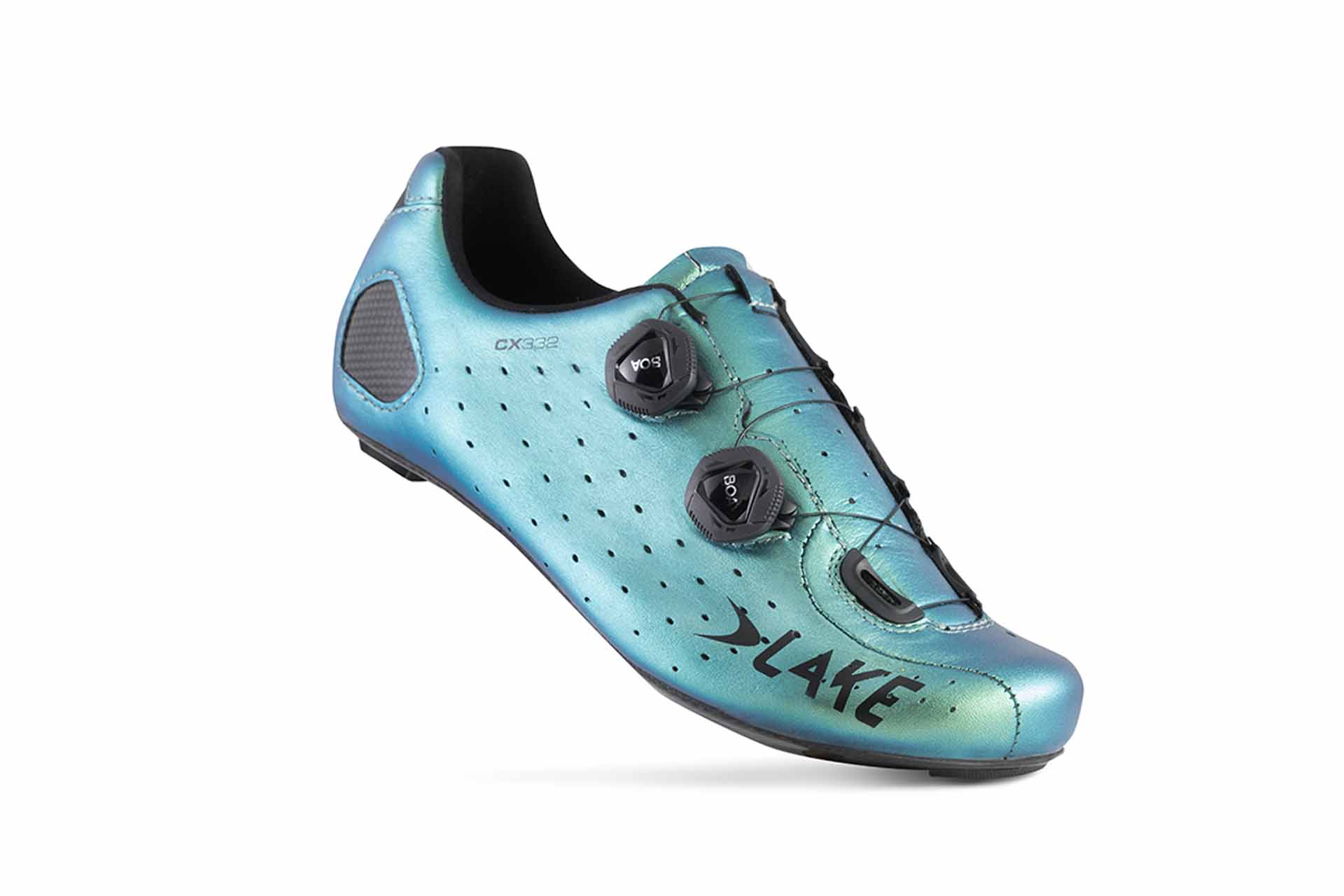
LN: can you tell us any more about the leathers you work with?
We are proud to say all the leather upper materials we use come from respected and environmental conscious suppliers. These facts are quite important to our core customer base as well as the responsibility that we take in our company to have a positive impact not only on the sport but the world itself. We currently source our leather from 4 different tanneries to utilize their expertise in the leathers they manufacture: Pittards for Water Resistant Winter Boots, Packer for Kangaroo leather used in Top-Pro-Level racing shoes, ECCO for core comfort collection Racing shoes, Helcor for durability applications.
Interview: Our Choice Fashion
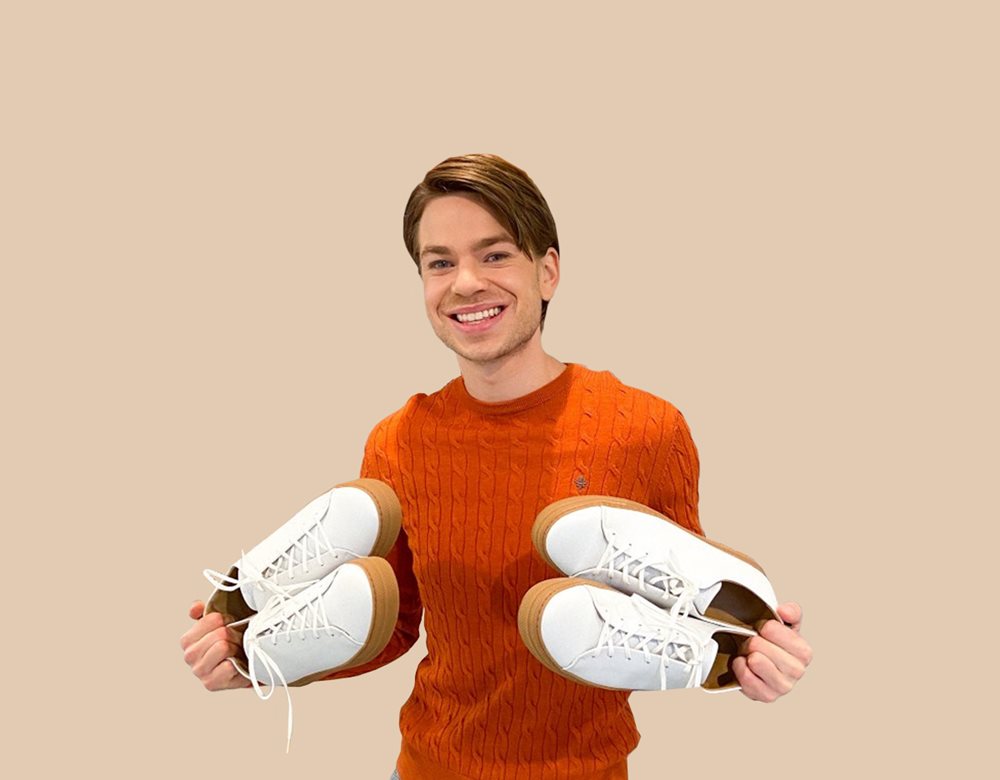
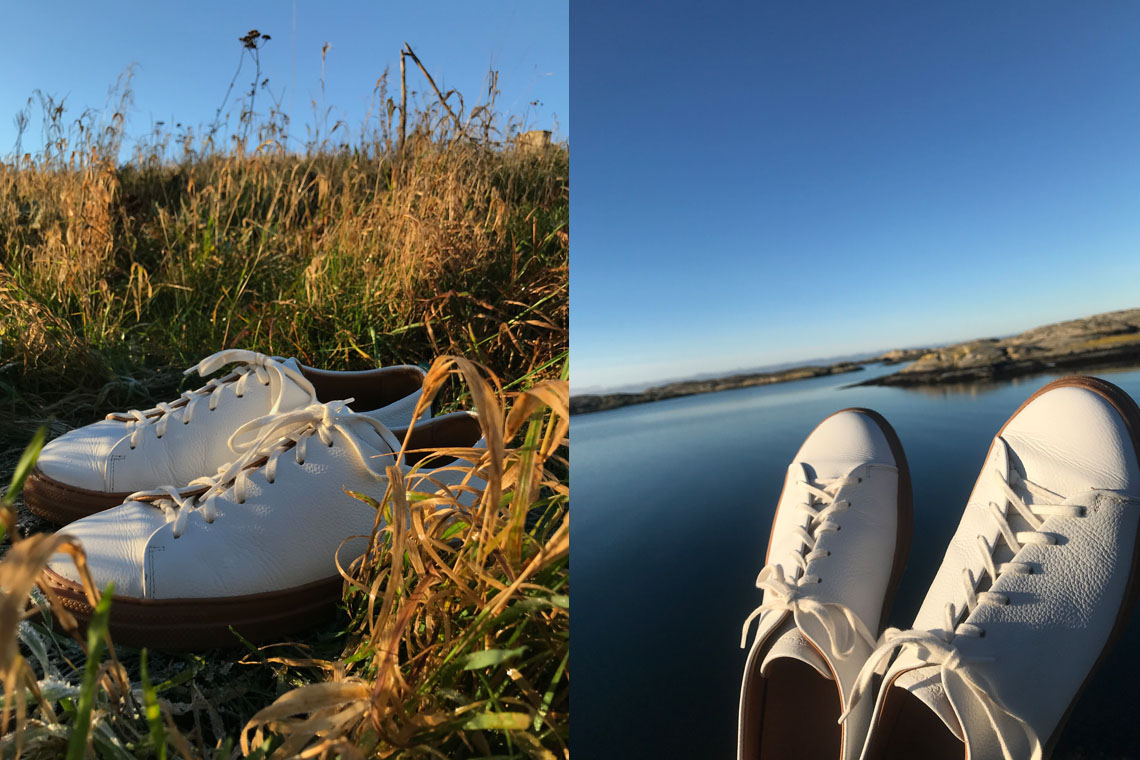
Filip and Marcus wanted to create something truly circular, something recyclable and biodegradable as well as 100% plastic free.
LN – what inspired you to start the business?
Nature and ironically, plastic pollution. Growing up in Sweden we have always spent loads of time outside and part of that time spent has been picking up the trash and plastic waste that ends up on the Swedish west coast. A swirl in the ocean leads everything that’s been thrown into the ocean in the UK & Ireland to end up here.
That’s how I started and how the brand emerged organically. I was sick of plastic sneakers breaking after just a few months and started to do my research. I stumbled across some horrific numbers; 25 billion sneakers are being produced each and every year and of these, 87% end up in landfill. Unfortunately, most sneakers are made from plastics and alarmingly, 89% of eco-sneakers on the market are too.
I saw some brands “compensating” by cleaning up ocean plastics, but what good does that really do when brands sell us low quality plastic goods that end up in oceans again?
LN – tell us how you started
We based our business on the Circular Value Hill (Circle Economy, 2016) and provide sneakers made with a fully circular business model, entirely plastic free and with a take-back-scheme in place. If your sneakers were to break, you just send them right back to us and we will perform a full upgrading of your sneakers and send them back to you. We launched a Kickstarter in November which got fully funded in 15.5 hours, bringing in 10.000$ only in the first week. It was amazing to see how people really loved the concept from day one, a concept that we’ve been working so hard on for two years. We’re now working on our next two campaigns (launching in April and June) as well as our e-commerce platform.
LN – how would you describe your passion for Leather?
We wanted something truly circular, something recyclable and biodegradable as well as 100% plastic free. Something that consumers could wear for years and years to come.
What more can I say– NATURE is the greatest chemist of all, and no faux leather comes close to it’s qualities.
LN – Why is leather such a unique material?
It ages with pride, if you treat your leather goods with love it will always get more and more beautiful over the years. As a footwear material it is perfect as it is breathable and adjusts to the owner.
LN – what, in your opinion do consumers need to know about leather?
Consumers need to know that animal hides are being thrown away at rapid speed because greenwashing fashion brands have marketed Vegan Leather (PU) so aggressively
I always mention to our consumers questioning the leather that I and many people I’ve met have footwear and other garments made from leather that is 70+ years of age and still beautiful. If we look at the CO2 and environmental impact from these products – it is far less than any plastic fashion on the market. For example, I once met with a journalist that was wearing her grandmothers old leather boots – they have probably walked more than a thousand miles but still looked mint condition!
LN what can the leather industry do to help?
The leather industry must step up to a modern standard and make high quality accessible and affordable so that people really understand the longevity and benefits of it as a sustainable and circular material.
Podcast interview:
Check out Filip’s podcast interview, which looks at why sustainability is more important to consumers than ever.
The Boot Institute
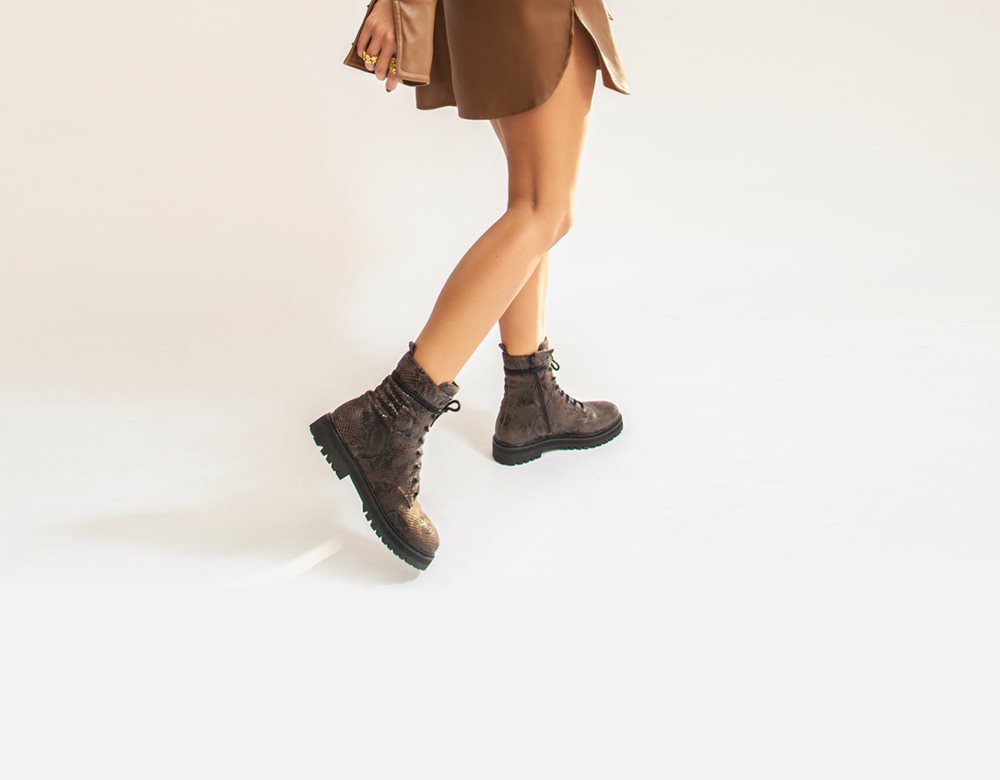
This is a story of two modern independent women, who share the same vision and came together to make their dream come true.
Dina was born in Canada, lived in Paris and London where she studied art direction for fashion and film as well as fashion management. She now lives in Porto while working in the shoe industry for over 12 years.

Sandra was born in Paris and now lives in Porto. She studied Business Management and specialized in Digital Marketing. With a solid background in these areas, she worked in several renowned national and international companies.
Their values:
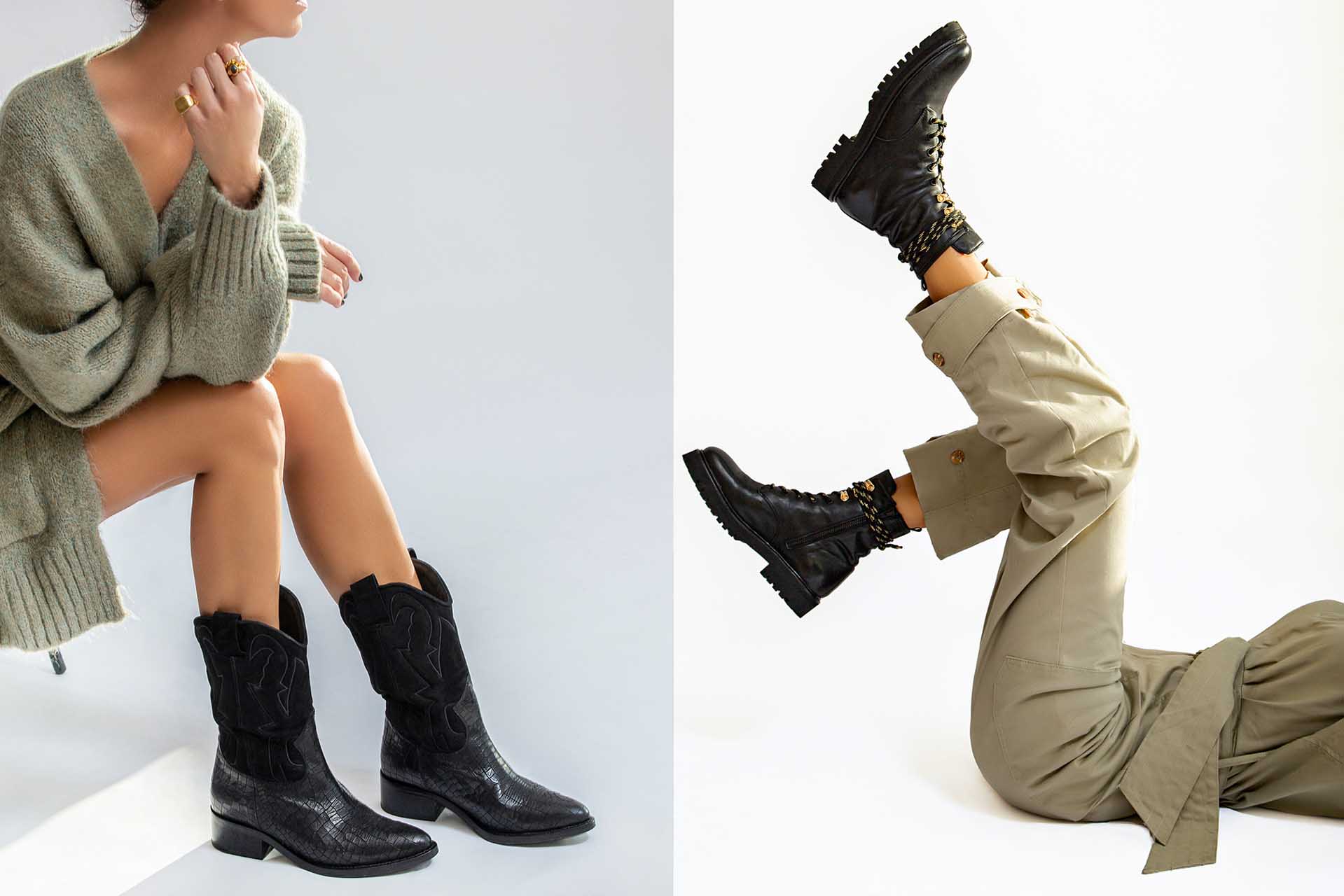
The Boot Institute is the incarnation of these two women’s vision and how they see the modern women:
- Independent
- Sophisticated
- Timeless
- Natural
Every style is different and reflects what women feel: One day she is elegant, the other mysterious, casual, laid back or even rebellious.
Their goal is to offer different styles for different moods, so that each one of us can bring out every woman we have inside.

Made in Portugal:
The production of the Boot Institute is 100% made in Portugal, because they believe that here, the high standards of quality and savoir- faire, elevate their brand to the level of any high fashion shoe brand in the industry.
Each pair is hand finished giving each shoe their own identity. All the components are carefully chosen from the best of what is available on the market. Leather, out soles, insoles, accessories…
“We produce in Portugal because it has very high standards in shoe making”

The Boot Institute always uses leather to produce its shoes for its durability, handling performance during production and finished look.
They strive to deliver style, comfort and sustainability in all their products.
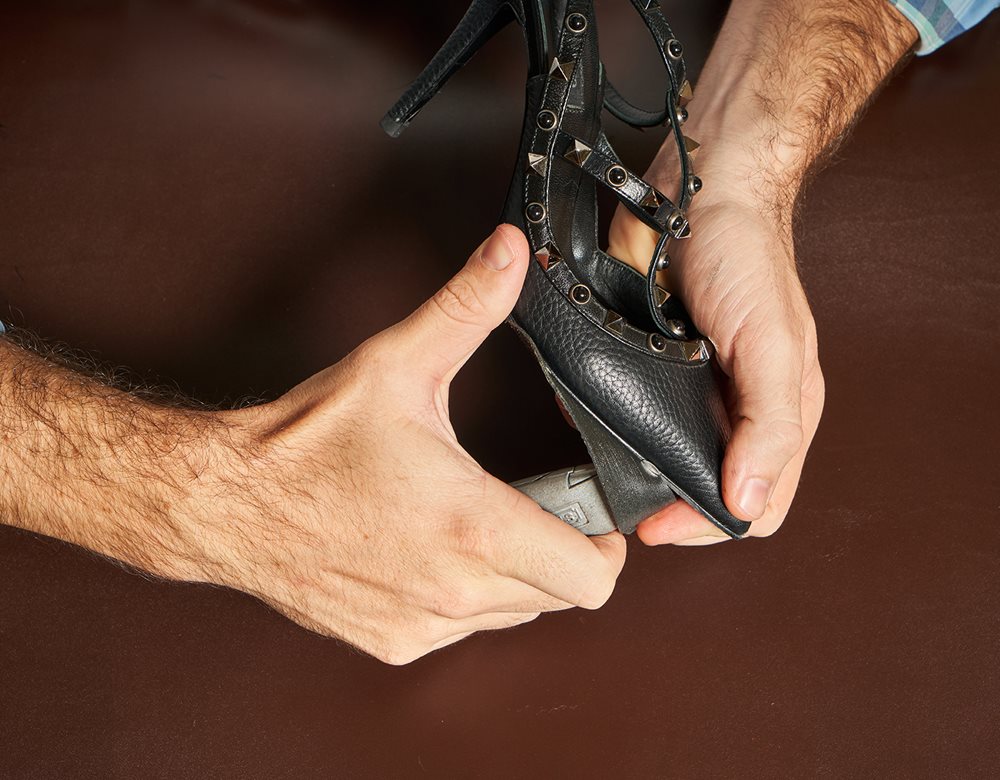
Leather Goods Repair Is a Smart and Sustainable Approach to Luxury
Company The Cobbler has taken this line since the beginning – we asked them about their history and why leather is important to them.
Can you say something about the history of your company or your work, what inspired you to enter this field?
Well, I started at a very young age (16 years old) after meeting the shoemaker near my neighborhood in France (Lyon). I immediately fell in love with the smell of the leather, glue and noise of the different machine and the craftmanship that goes behind it.
I then decided to quite school and get trained by “Les Compagnons du devoir” a guild of craftmanship whose roots are dating from the middle age. This is a very interesting time where I learned some important values and the importance of hard work and that what matter the most is the passion you put in your job!
Describe the activity of your company / work
At the Cobbler, craftsmanship, heritage, expertise and passion are some of the DNA. That is what is driving us since day one and still drives us today and we believe that is what customers recognise in our work as well.
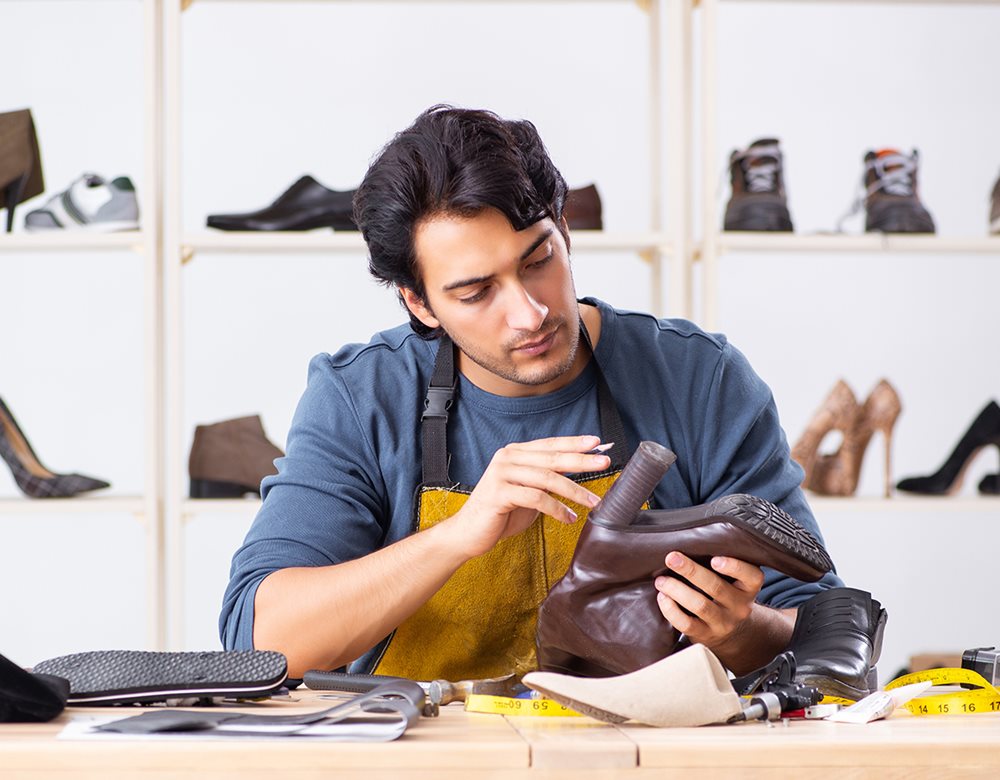
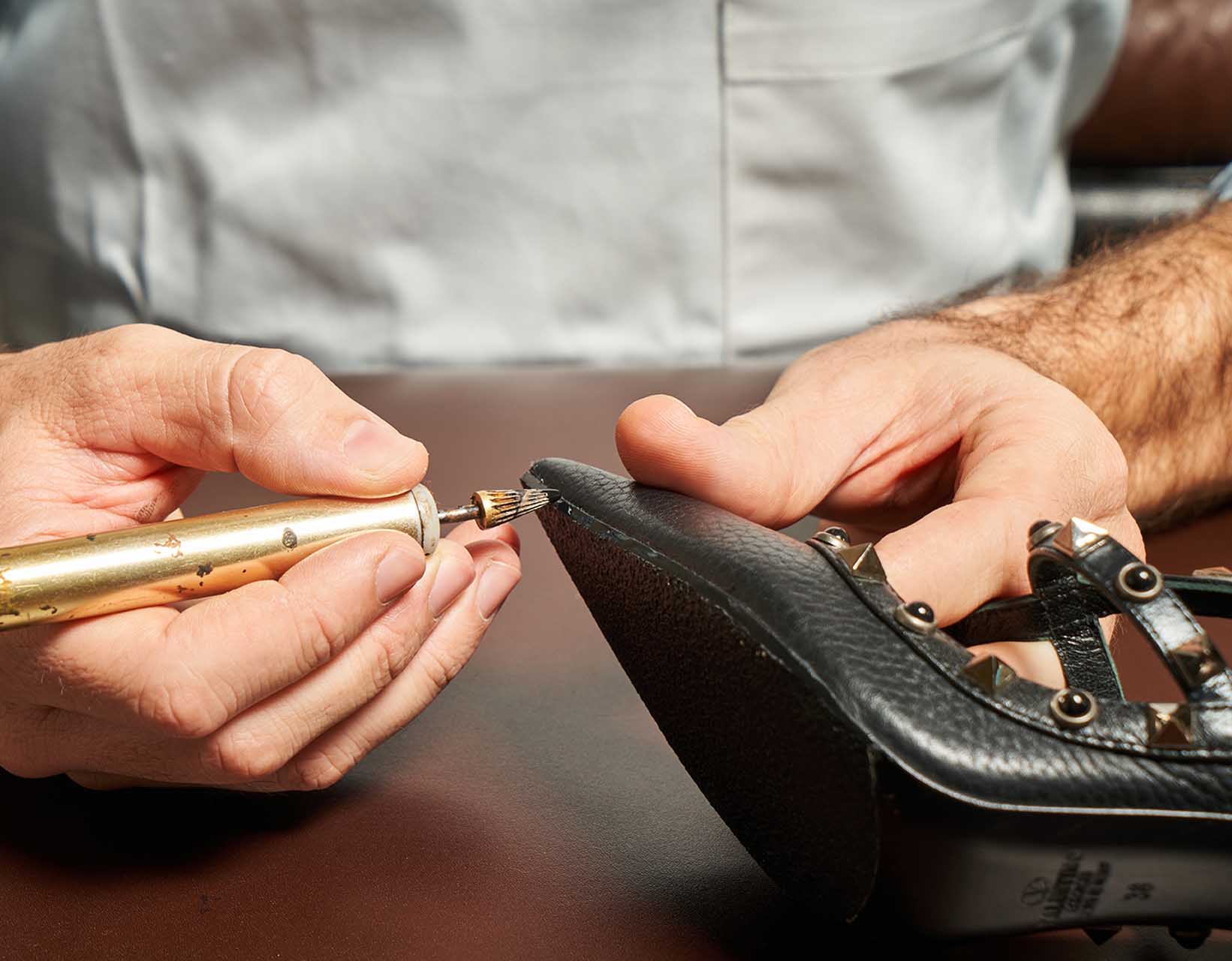
We have now specialized for 10 years in luxury repairing and restoring of shoes and handbags for men and women along with shoe care products and accessories for men. Our focus is on expertise, savoir-faire, excellence and craftmanship.
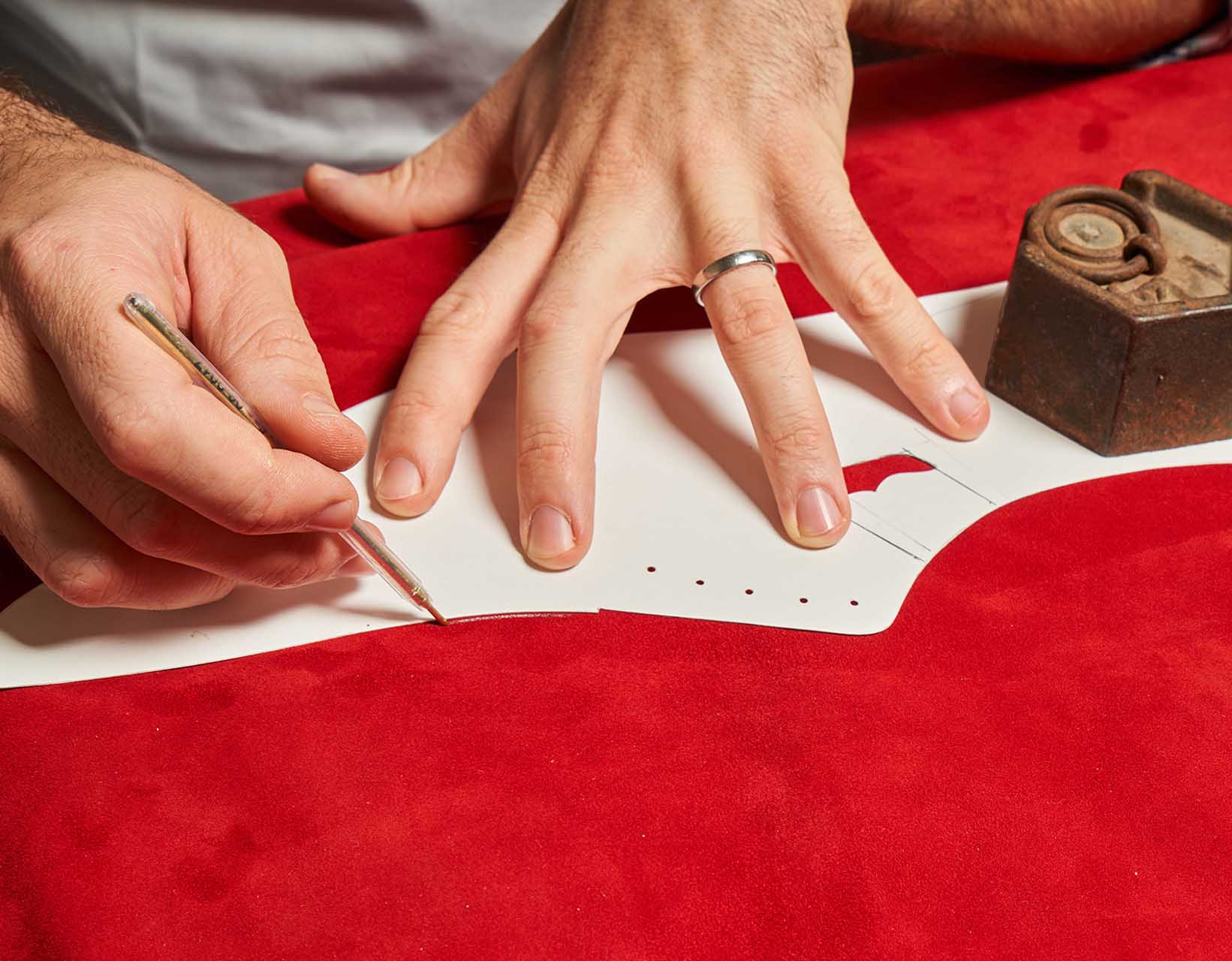
We also offer a bespoke shoes services, which I personally take care of it. This is a process which takes approximately 4-6 months. We start from a white piece of paper with the customer and we build it from there, creating the shape, last color and stitching according to his desires. All together it involved 90 hours of work. It is of course entirely handmade.
How would you describe your passion for Leather and why is it such a unique material?
One can never really understand completely leather. That is the beauty of it. People tend to forget that it brings all the history of the animal with it. Even if the hide is coming from the same farm and the same tanning process is applied, you’ll have two different leathers. And that is an infinite source of learning and surprises that’s why it makes it so unique material to work with.
What does a consumer need to know about leather?
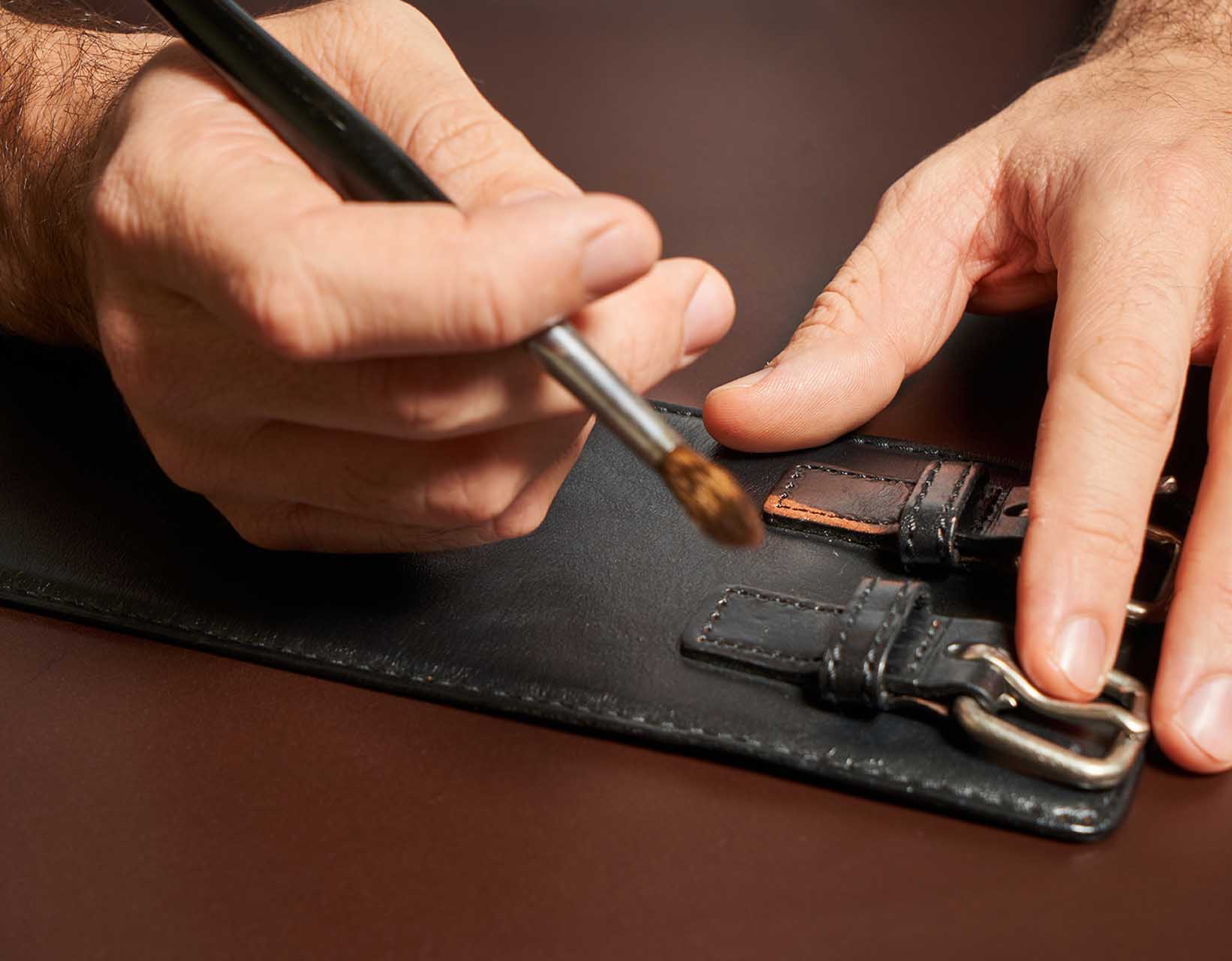
Care is the biggest factor when it comes to leather, a customer needs to understand what type of leather it is and what products to use on each to enhance its beauty during his life.
Leathers can last for decades even century when given the proper care. Seek for guidance from the salesperson or your local cobbler. Depending on your usage, you might need it to give it a little bit of care every week.
What Is Leather Made of and Where Does It Come From?
Leather is made from the hides of animals, treated and finished to create a durable product suitable for a huge range of uses.
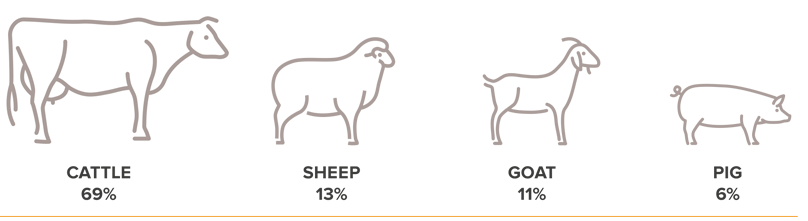
The main sources of animal hides are:
Cattle – 69%
Sheep – 13%
Goat – 11%
Pig – 6%
These animals are not raised for their hides. Their hides are a by-product of being raised for food and, thanks to manufacturers’ skills, they are turned into a versatile material, at the same time ensuring that this valuable resource does not end up being thrown away into landfill.
How is leather made?
There are five main processes in leather making.
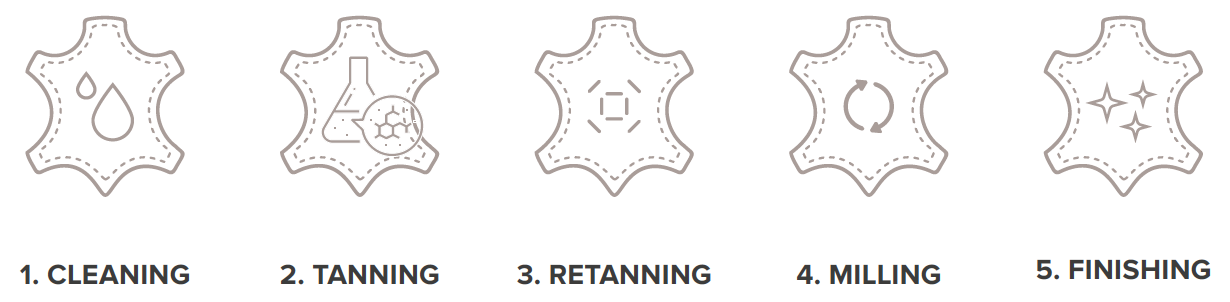
1. Cleaning (or beamhouse)
This is the stage where the hide is cleaned along with the removal of wool or hair.
2. Tanning
Tanning produces what we would recognise as leather, the process stabilising the protein structure of the hides to make them hardwearing and long lasting. The three traditional tanning methods are based on chrome, vegetable tannins and chrome-free alternatives. Most hides are split after tanning, if they weren’t during beamhouse operations.
3. Retanning (or wet end)
Retanning is the stage that adds character to the leather, through retan materials, dyeing to give colour and oils to add softness, fullness and touch. Characteristics are honed to the requirements of the end product, whether for car or aeroplane seating, footwear, garments or bags and other leather goods.
4. Milling
Leather is softened by machines but for even softer leather, they can be placed in a tumble drum for milling. The process enhances the natural grain structure. Leathers softened by milling are often referred to as ‘tumbled’ and are identifiable by their soft handle and naturally grainy appearance.
5. Finishing
Manufacturers can create improved levels of surface protection, distinctive fashion effects or an even more sumptuous feel during this stage by using additional coats, dyes, waxes, oils, and embossing or printing patterns.
Find out the details of all the stages of tanning here, in our How is leather made? fact sheet and read more about the different types of tanning in the Different types of tanning fact sheet.
What are the main types of leather?
Aniline leather
Has a minimal surface finish, allowing the original natural grain surface to be clearly visible and, as it usually comes from the best quality hides and skins, is used for luxury items. The leather has a gorgeous feel to it but is less well protected against marking and soiling.
Buffed leather
Has a soft, velvety touch and, often, a clearly visible nap, which is produced by buffing the top surface.
Full grain leather
Is made from the top layer of the hide or skin, which is split during the tanning process. Find out more from our How is leather made? fact sheet.//link needed//
Nubuck
Has had the top surface buffed to produce a soft touch, and is interchangeable, as a term, with buffed leather.
Suede/split leather
Is the flesh side of the final leather where the fibres tend to be longer, giving it the typically ‘hairy’ appearance. Find out more about how hides are split in our How is leather made? fact sheet.
Find out the full details about these, and all the other types of leather, in our Leather terminology fact sheet
Where is leather made?
The top 3 leather-producing countries in the world, by volume, are: Italy, China and Brazil.
However, nearly every country in the world produces leather in quantity and the industry is an important global employer, with around 500,000 people across the world directly working to manufacture around 24 billion square feet of leather every year.
Of course, many times that number of people work in associated industries, such as leather footwear, leather goods, leather garments, gloves, and furniture – including automotive and aviation. No matter whether the leather is made in one of the top producing nations, or on a smaller scale, its manufacture and use across many industries are vital elements in creating livelihoods that, globally, help to pull millions of people out of poverty.