

Waste not, want not - Habits of previous generations can shape our future
Outdoor brands have been adopting a repair and reuse mindset for some years- now that luxury brands are taking notice has it gone mainstream?
For those whose grandparents lived between the world wars and got through the strict rationing that persisted into the 1950s, who hasn’t heard the phrase ‘Waste not, want not’ uttered to us as we – in our late 20th-century profligacy – were poised to discard something we considered old and broken?
Fast forward twenty years or so and it appears we could be poised once again to take on that new/old mindset, one that harks back to a culture of ‘make do and mend’, eschewing the mantra of perpetual consumption and growth. Witness the popularity of The Repair Shop on the UK’s BBC1, for example, and the number of repair and swap shops that the programme has helped spring up across the UK alone.
The outdoor market is already proactively tapping into this ‘make do and mend’ mindset. For years they have looked at and taken action on how to keep their products out of landfill. Patagonia and Berghaus are two key exponents of the advantages of adopting this as part of a sustainable business model.
Patagonia Worn Wear
Patagonia’s Worn Wear started life as a travelling service to repair Patagonia items. It’s now a feature in store and the firm even ran live Worn Wear webinars during lockdown, showing customers how to do their own fixes. Recrafted is Patagonia’s collection that makes clothes from the offcuts produced during the making of other clothing lines. They may be from offcuts but the business finds that these, often unique pieces don’t stay in stock for long.
Berghaus Rehaused
Berghaus not only repairs its garments free of charge but once an item cannot be repaired they ensure it is reused through a collaboration with Dirt Bags who make them into climbers’ chalk and kit bags.
Both Patagonia and Berghaus have found success by making repair and reuse part their business model, not a ‘nice to have’ adjunct and they aren’t the only ones. REI has its Good & Used platform wear members can trade in used gear. VivoBarefoot launched ReVivo where customers can buy reconditioned returns or get their shoes repaired.
Luxury reimagined
The outdoor market, with its engaged community may have led the way, but now the appeal has gone luxe. Loewe has started up their Surplus Project, which uses offcuts of softest leather to weave them together and stitch into new (and highly desirable) products, while Coach also weaves slim offcuts to fashion into the Upwoven collection of bags. All equally covetable. And none other than LVMH recently made the unprecedented announcement that it would sell its deadstock fabrics and leather in an online marketplace.
What do these brand activities have in common? They’re all adapting their business model by using their raw materials more fully, producing short runs of products that create instant ‘It’ factor, and helping nurture new designers in local ateliers and workshops develop and thrive.
Use, repair, re-use. Repeat.
Leather, with its natural by-product origins, long lasting and repairable qualities, has an important role to play in a future where we should look to design product, not just for the here and now, but with a view to how it can be repaired, repurposed and ultimately recycled.
Sounds niche? Household name Clarks have already launched the Origins shoe, designed from the ground up to be easily taken apart, with its components reused or recycled at the end of its wearable life.
Want to know more?
Peterson & Stoop
A company that takes pre-loved leather sports shoes and remodels them into unique and highly desirable new styles.
Loewe Surplus Project
Check out images of bags being handwoven.
Looptworks
A business based in Portland, Oregon that upcycles product destined for landfill, including making old leather airline seats into bags
Coach Upwoven
Watch the process as Coach snips and weaves leather remnants into bags- it’s mesmerising!
The Restory
Luxury bags and footwear are renewed and restored with this specialist service, worth a visit to review the fascinating case studies.
Our Choice Fashion
A new footwear brand that started with the objective of creating a fully circular business model that keeps sneakers out of landfill.
Patagonia Worn Wear & Recrafted
Repair, share and recycle. Learn more about the Worn Wear programme and buy renewed worn wear or product made from other clothes.
Berghaus Rehaused
Learn more about the collection and read the interview with Dirt Bags founder Jennifer Woods.
Bonded Leather - What You Need to Know About Bonded Leather
Bonded leather (also called “reconstituted leather”) is a material made with leather fibers and binders.
What is Bonded Leather?
Bonded leather (also called “reconstituted leather”) is a material made with leather fibers and binders (PU, latex, acrylic, etc.). It’s produced in rolls or sheets. They are available in thickness of 0.10 to 6 millimeters.
The bonded leather is produced with leather waste (scraps or pieces) and is a homogeneous material, economical and can be finished to look and have superficial appearance similar to leather. Making bonded leather is a good way to use by products of the tanning industry to achieve at the end almost zero waste by manufacturing higher valued materials.
Bonded leather has been made for more than 70 years and are mainly used as a material for shoe components, bookbinding (book covers), furniture parts, wall panels and leather goods. The use is mostly limited to nonmoving parts, since the mechanical properties are inferior to real leather.
What is Bonded Leather Made Of?
Leather fibers usually coming from grinded leather pieces and/or scraps and mixed with binders (glue) to make the fibers stick together. In analogy to wood, it is like a particle board wood made of wood chips, sawmill shavings and wood flakes and bound together by binders.
The surface can be finished quite similarly to leather in regard to appearance, embossing (hair pores or print). Waxes and oils can be added to the surface to give a more natural feel. Sometimes is very difficult to distinguish real leather from bonded leather in an article.
Is Bonded Leather Real Leather?
No.
The ISO Standard 15115.2019 defines that “leather disintegrated mechanically and/or chemically into fibrous particles, small pieces or powders, and is then, with or without the combination of a binding agent, made into sheets or other forms, such sheets or forms are not leather”.
Articles made with bonded leather must be labeled as “bonded leather” as component material.
Faux Leather Vs Bonded Leather
The bonded leather contains real leather fibers and faux leathers do not contain leather fibers.
How Long Does Bonded Leather Last?
In applications where there is some stress or mechanical flexibility it can last several years (3 to 5 years). On applications like bookbinding or wall panels it can last much longer.

Why We All Want Hiking Boots Now
It’s accessible, enjoyable and great exercise – so make sure you’re kitted out for walking with the right boots for the job.
For freedom. To exercise. For a connection with nature. To stimulate creativity. For family time. For time to ourselves. For our mental health. For these and a multitude of other reasons, we’ve become a planet of walkers.
The trend has been exacerbated by the pandemic but even before Covid became the dominant feature in our daily realities, more and more people were turning to walking both for exercise and mental health benefits.
Hiking for long term health
Figures from Sport England released in April last year showed 20.3m people were walking for leisure, an increase of 1.2m on the previous 12 months. A further 15.3m were walking for travel, another increase of nearly 400,000 on the previous year. This trend continued through the pandemic as daily exercise remained one of the very few liberties available to many. In England, figures from Sport England show that on average 63% of people said they wanted to stay active for their mental health. It’s not just individuals who have discovered the benefits of walking, US families report nature walks and hikes as their favourite outdoor activity.
It’s hoped that people are now firmly in the habit of walking and the humble ramble is finally having its moment in the sun. Financial experts Schroeders warn a rush to buy equipment doesn’t necessarily translate to a habit becoming a bona fide lifestyle change – which could be bad news for all those SUPs and camping stoves – but in the case of walking, it just might.
Choosing the right hiking boots
The beauty of walking is its accessibility. You don’t need to travel for a walk or have any special kit – barring a good pair of shoes. While yes, technically any old pair of trainers will do, once you’ve caught the walking bug, a good pair of supportive, well-fitted walking boots can help reduce the chance of injury, prevent blisters or other damage to the feet and make sure they stay comfy, healthy and pain-free during your hike.
Breathable and waterproof materials are also essential. Sweat and damp are the enemy of walkers, not only because they’re uncomfortable but also because boots or shoes that don’t allow air to circulate – such as wellington boots – can become a breeding ground for fungal infections.
If you’ve ever perused the shelves of an outdoor store or been online in search of walking boots, you’ll know the choice can be overwhelming.
‘Deciding what you intend to use the footwear for can help narrow down your selection,’ advises Glen Calloway, product development manager for Penland Brands which counts outdoor emporium Berghaus among its labels. ‘If you’re predominantly walking in parks, forests or in the countryside on well-made paths a pair of lower cut walking shoes or mid-cut boots might be the best option. If you’re planning on navigating more adventurous terrain, a more serious 3-4 season hiking boot would be better suited.’
Hiking boot fitting
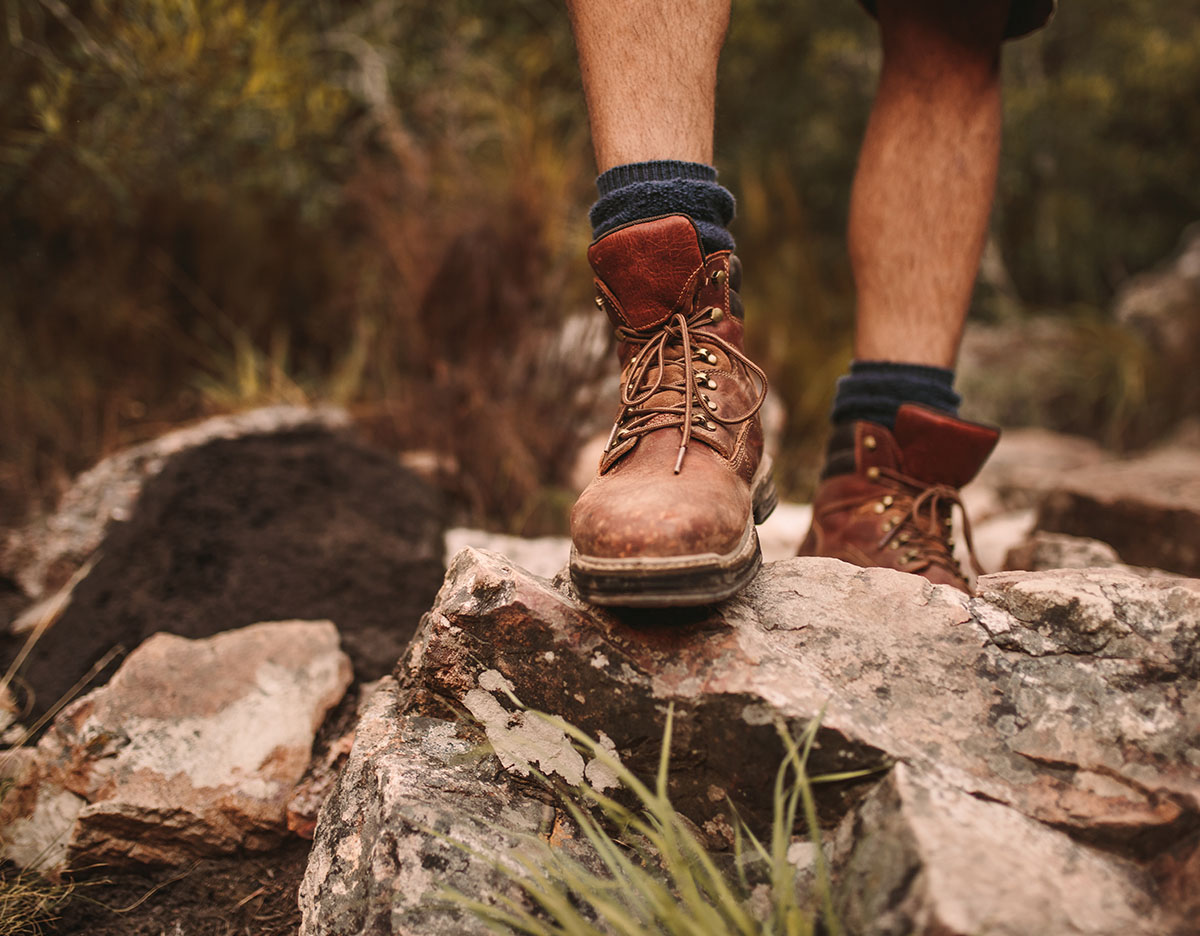
It goes without saying that even the best-made boots in the world aren’t worth much if they don’t fit properly. Look for enough room for you to wiggle your toes around, because your feet will expand and swell whilst you’re walking. Make sure there’s no pinching across the toes or any pressure around the ankles. Footwear should offer a good level of support, enough cushioning underfoot for you to feel comfortable, and plenty of grip. Where possible, try boots on instore. Many retailers will offer fitting services.
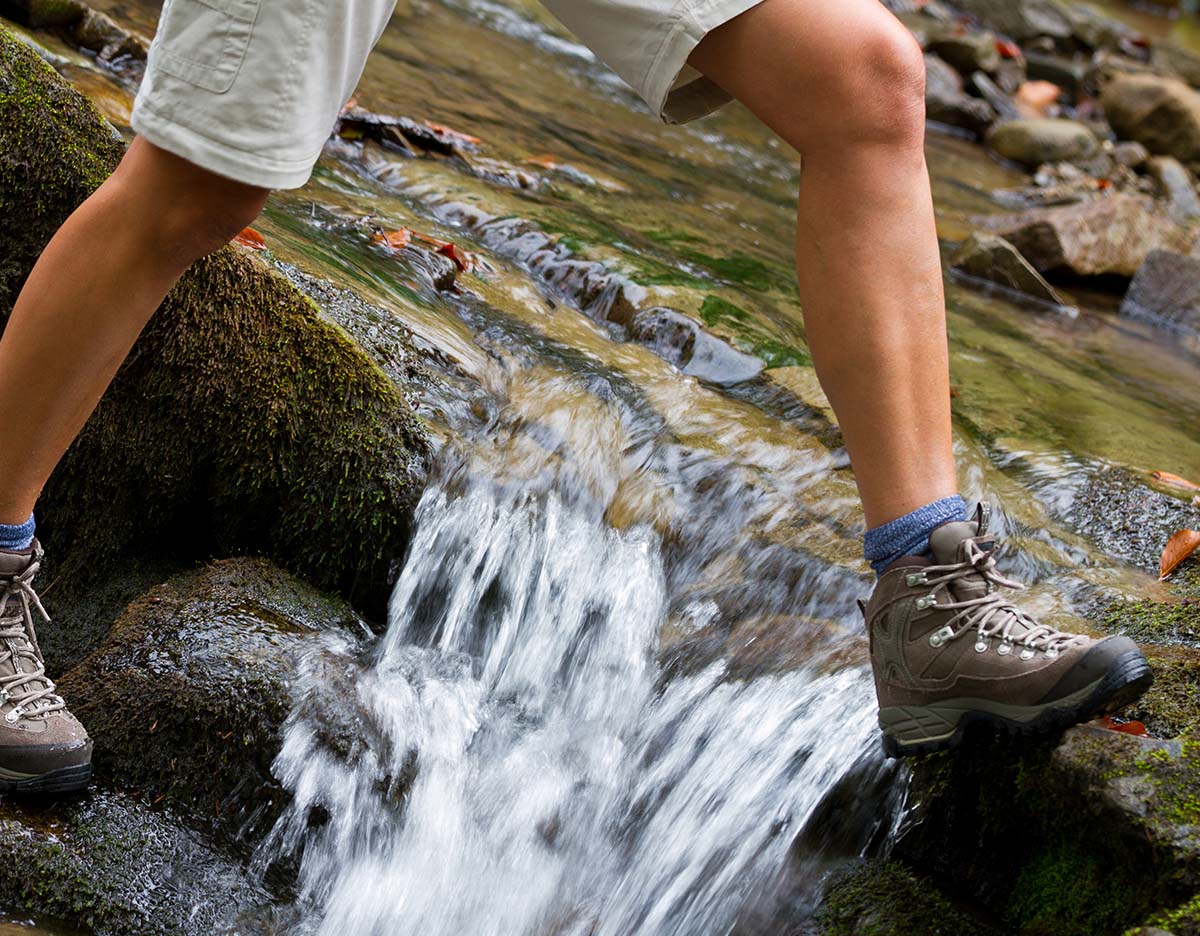
Leather hiking boots
The final way to narrow down your choice is to look at the material used.
‘Leather boots are more durable and will usually last longer than their fabric equivalents,’ advises Calloway. ‘There are often less stitch seams in leather boots, reducing potential failure points, and they are easier to clean. They do require more regular treatment and care than fabric boots to keep them in good condition.’
Leather is naturally breathable and insulating, absorbs perspiration and moulds to the shape of the wearers’ foot, meaning a better fit is possible.
Leather is also a good choice for sustainability, as it’s both a recycled material as a by-product of the meat industry (animals are not raised to make leather) and easy to repair and recycle.
Repair, reuse recycle
‘Some walking boots can be re-soled to extend their life, and boots that are unwanted or beyond repair can be sent to specific charity organisations that will either re-sell or recycle them,’ Calloway says. ‘The sole units can be ground up and used in the surfaces for children’s playgrounds, for example.’
But some customers prefer to find other creative uses for their worn-out, well-loved boots. ‘We knew of one customer who was so attached to their favourite pair of leather walking boots they used them as a flowerpot in the garden once they’d reached the end of their useful life.’
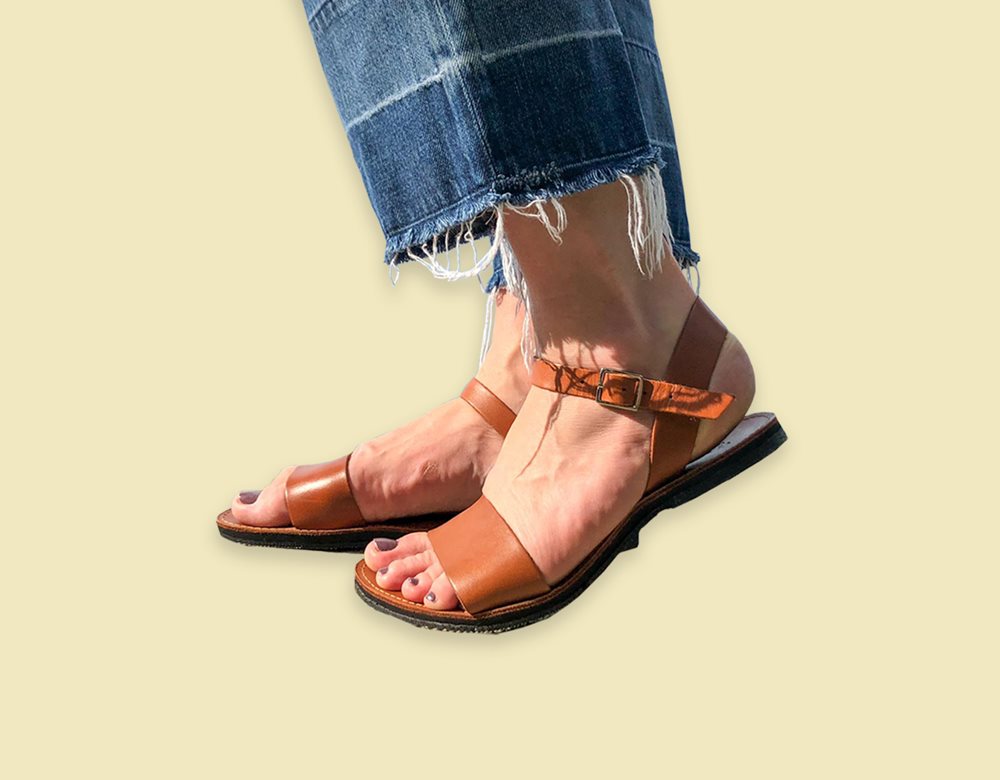
Interview: Brave Soles
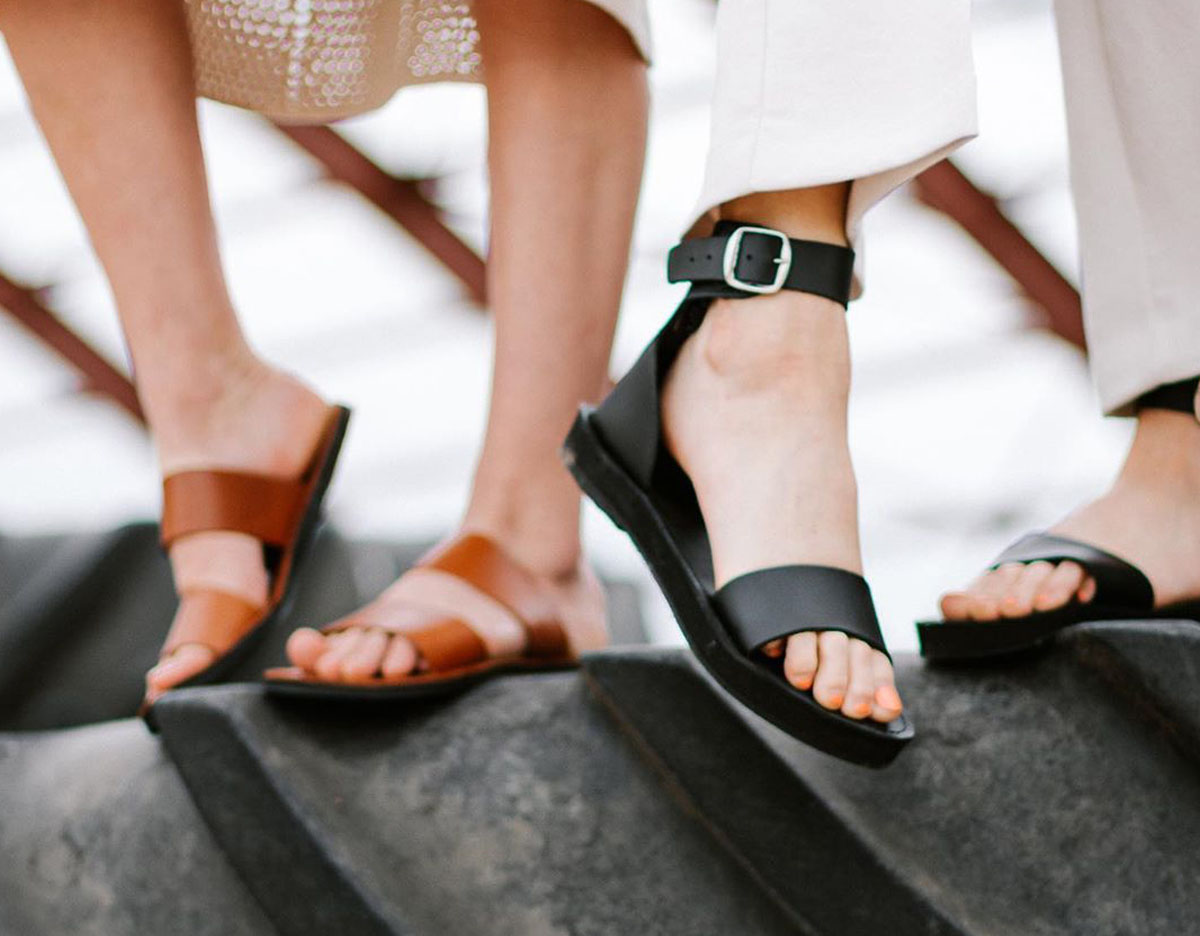
Founded in 2017 by Christal Earle, we are focused on creating fashion with upcycled materials and ethical, small scale production. Our handcrafted shoes have up-cycled tire soles and all accessories are hand crafted from reclaimed leather from aircraft seats and other sources.
LN: please describe the activity of your company / work
Discarded tires and other usable materials fill landfills, ditches and waterways around the world. They are biohazardous and they pose significant health risks. Yet materials such as tires, deadstock fabrics and leathers present endless opportunities for circular fashion designs. Through a simple and scalable process, Brave Soles is creating fashion that is kind to both people and planet – and built on a circular economy.
Since our launch in 2017, Brave Soles has been primarily focused on e-commerce and building retail partnerships with small scale retailers and drop shipping companies. We have positioned ourselves in the affordable sustainable fashion space, offering customers the chance to be able to make better choices and feel good about the story they are participating in with their purchasing power.
Our brand was inspired by our founder’s work with landfill workers in the Dominican Republic and her realization that there were simple solutions to help tackle very complex problems that were affecting vulnerable people in the communities.
In 2019 we were nominated for a Canadian Fashion Innovation award and we are part of numerous initiatives in Canada and globally to help create a more sustainable future through the power of ethical fashion. We are actively seeking BCorp certification and have built significant partnerships with marketing and advertising specialists to grow our sales, our influence and our impact.
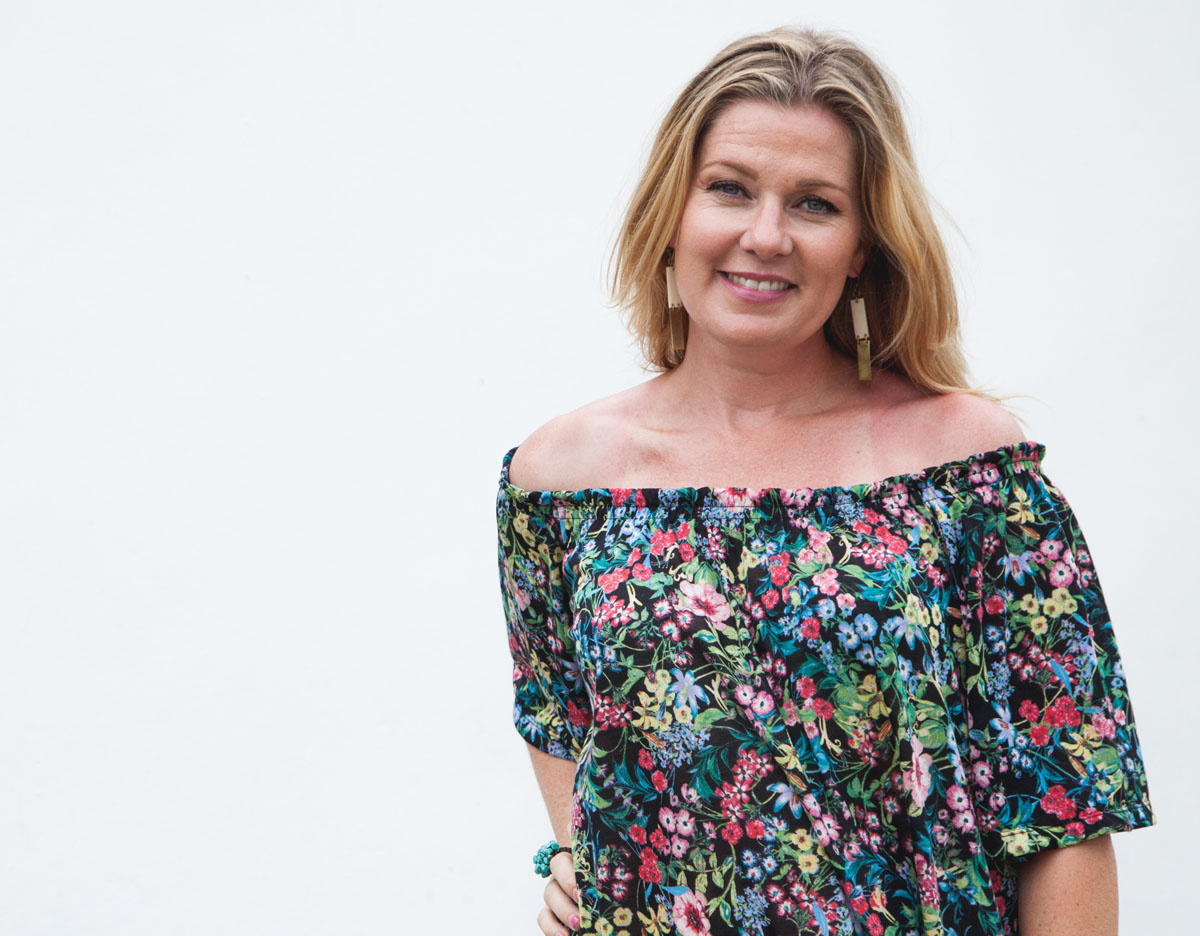
LN: You want to help to create an even more sustainable future. Can you explain how this sustainable future looks like an how plays leather a role is this future?
We believe that leather is a natural product and, when it is processed in a responsible, traceable way that is open and transparent, it is a sustainable product.
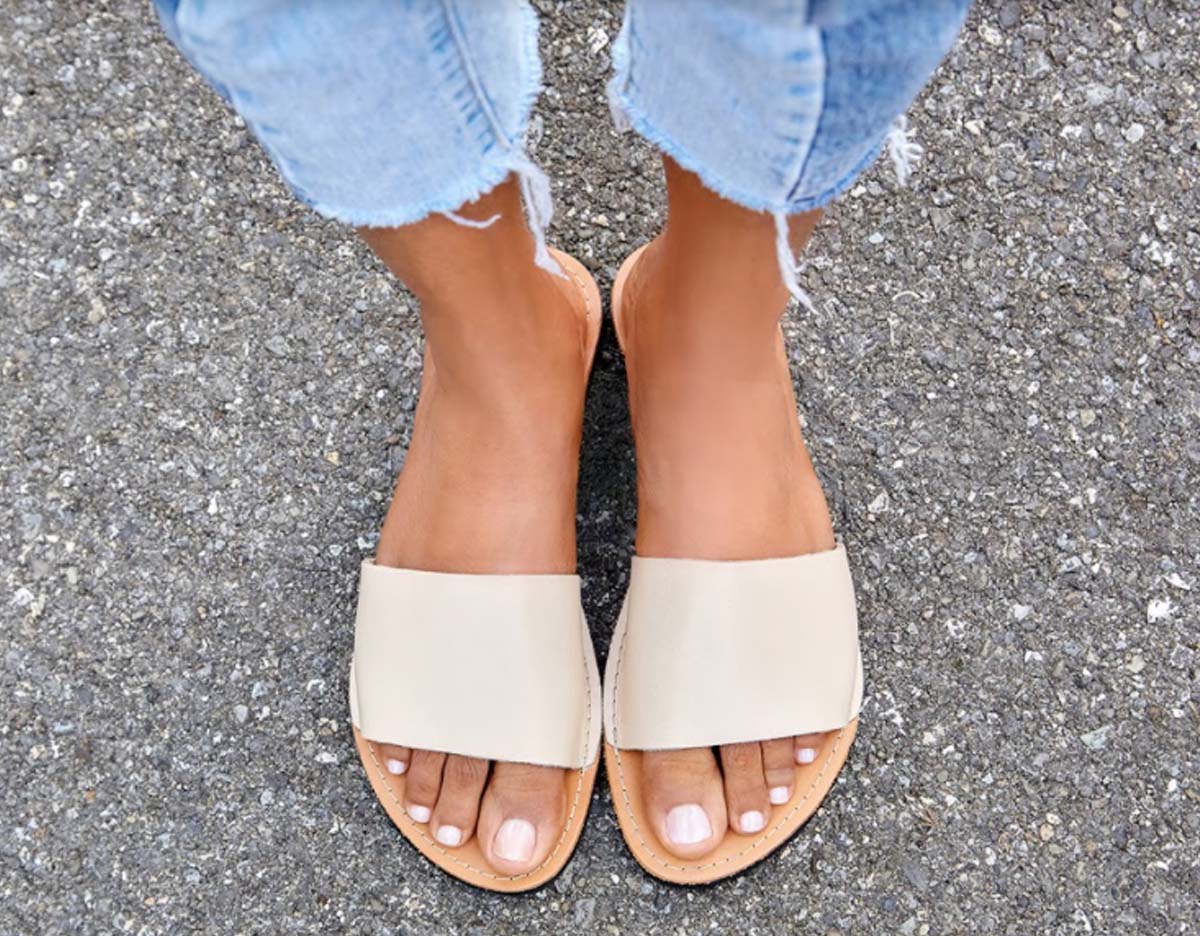
LN: What inspires you to use leather? What makes leather so special for you?
For me, personally, I have some leather items that I own that are vintage and have been handed down. They only grow more beautiful with time and they hold a story for me.
LN: How do you feel about the sustainability of leather?
When leather is processed in a way that is using natural agents, that is respectful of water sustainability and the environment, it is very sustainable.
LN: What kind of leather you use for the production of your leather sandals?
Our sandals are currently made with leather that is from a gold certified member of The Leather Working Group.
LN: Why do you think should leather be the material of choice for consumers?
Leather lasts a long, long time and when things are crafted with leather they are items that can journey through life with us.
Interview: Eva Barbara Bongard & Vesile Yilmaz
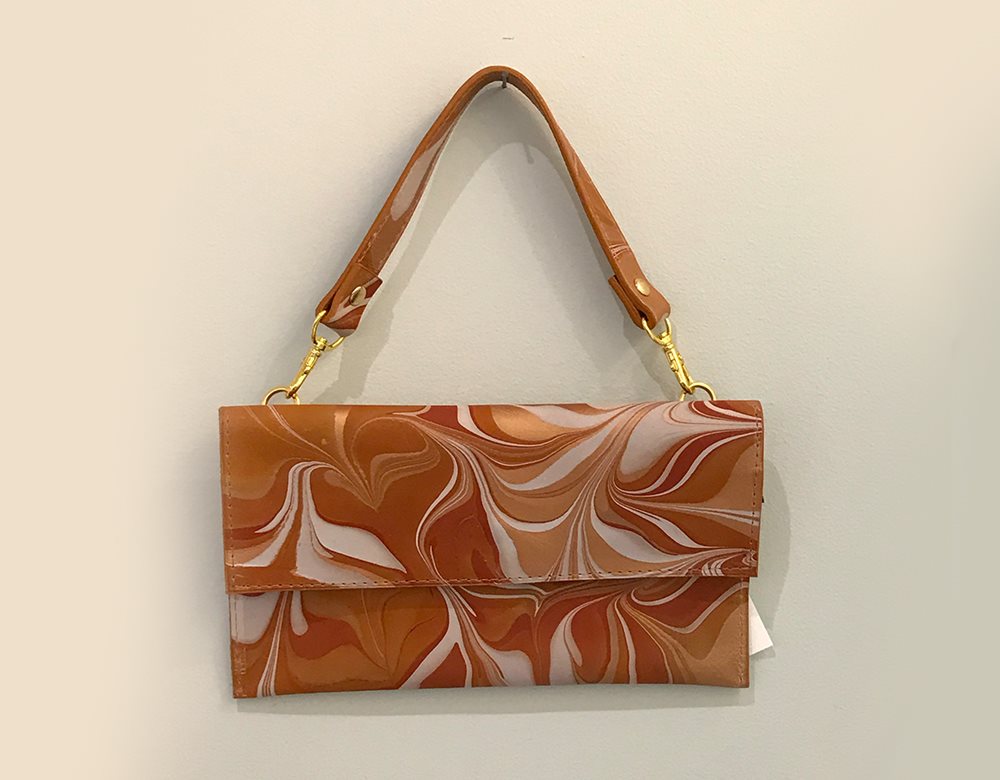
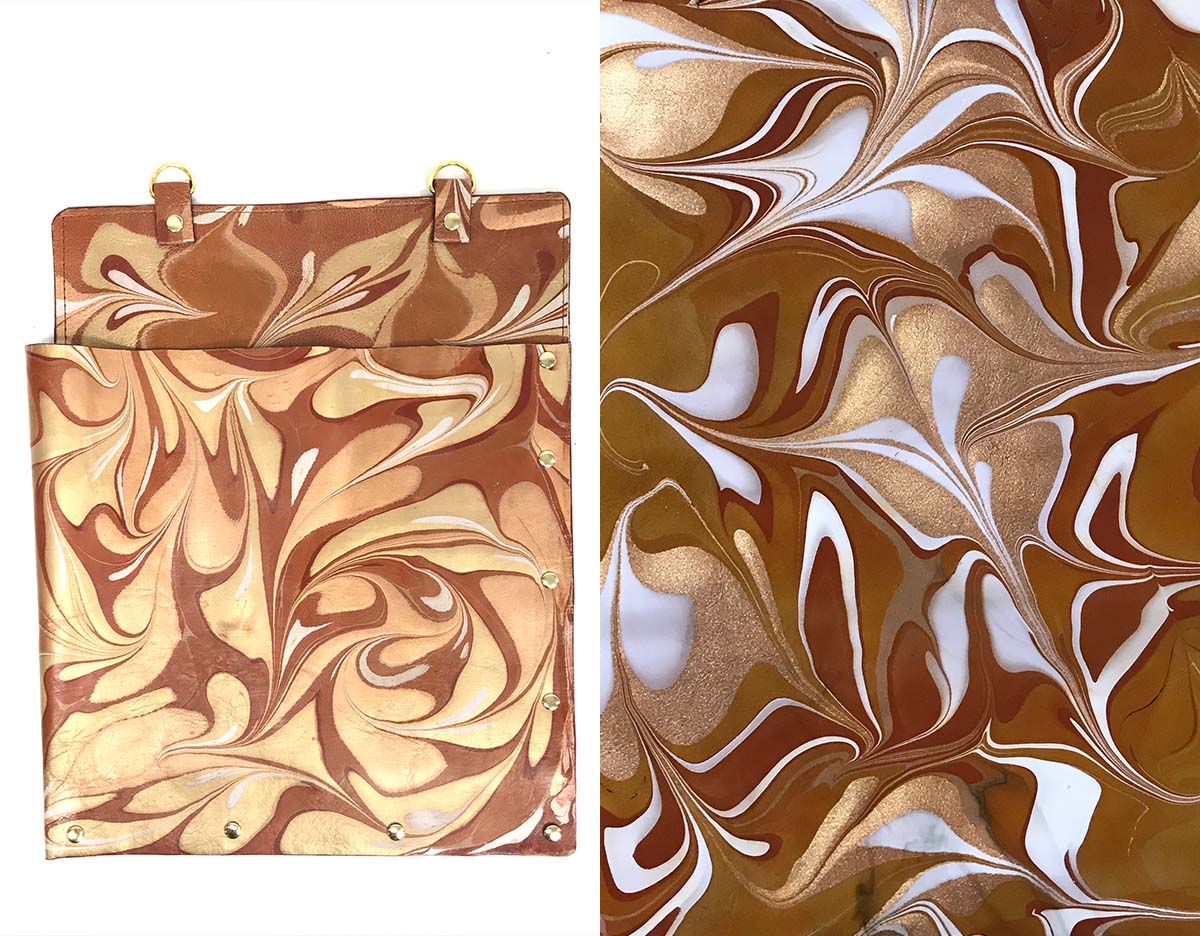
Vesile Yilmaz is a traditional Ebru artist from Turkey, based in Wisconsin. Vesile describes Ebru as an art that is mesmerizing, meditative and meaningful that allows you to create mind blowing patterns with one drop of paint at a time!
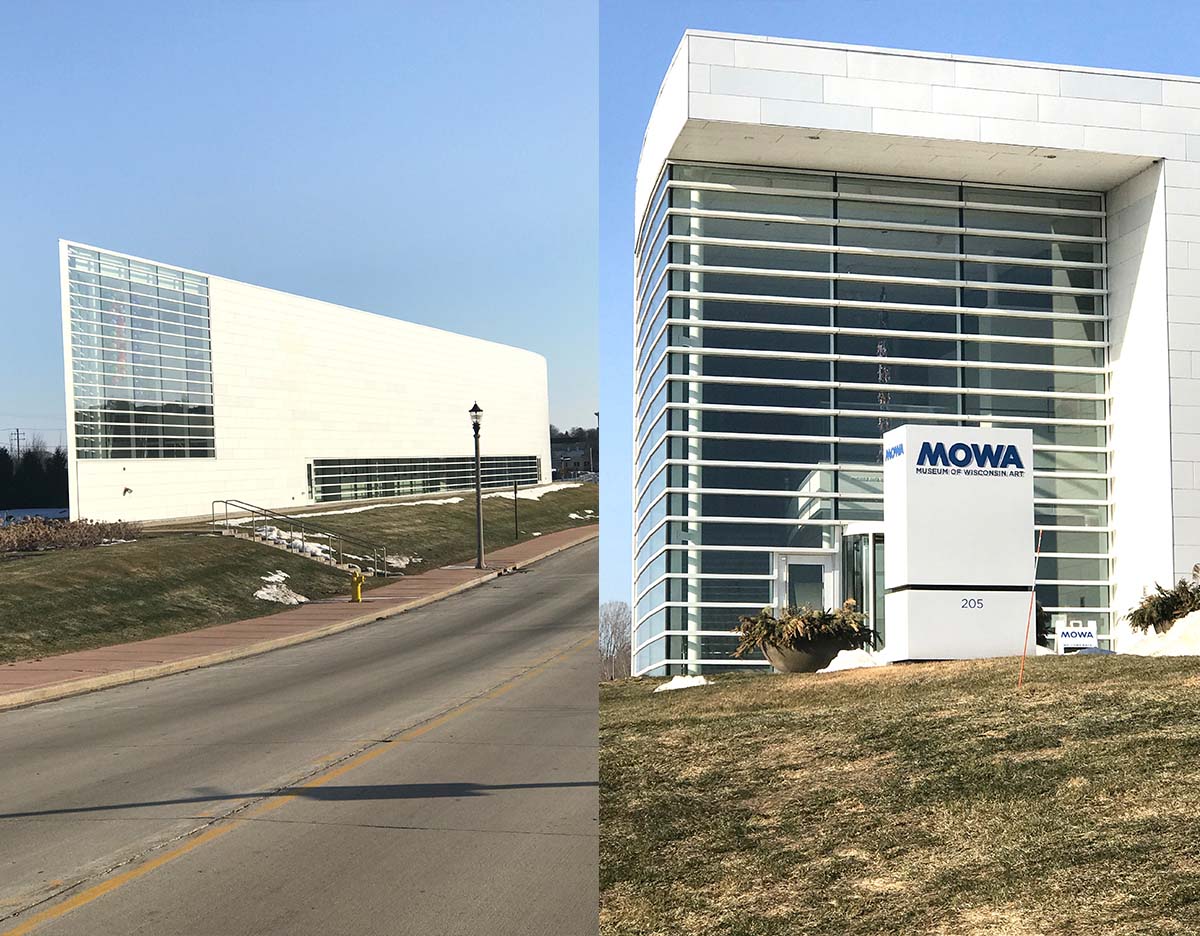
Getting together was a great idea as Vesile was looking for a versatile material where she could print her beautiful patters and I was looking to give live to different uses of the leather. Our knowledge and passions merge fantasticly and the Museum of Wisconsin Art (MOWA) liked the pieces we have created together.
Vesile prints the piece of leather and I develop and create a product according to the piece of leather and patterns that she has created.
The pieces are being featured and sold at the MOWA.
LN: How would you describe your passion for Leather?
I am a very passionate person in general, I am dedicated, hard working, and I have the willingness to learn in the process even when I fail over and over. I find particularly fascinating our leather industry in many ways, it is so exciting to create new products, to develop textures and trends with a natural material I also have found a sense of true purpose participating and advocating for an industry that is solving a problem by using a by-product from the food industry that would otherwise go to waste.
LN: Why do you think leather is such a unique material?
Leather is unique because is natural, a byproduct of the food industry, durable, luxury, versatile and overall sustainable when follows the best practices.
LN: How did you came to the idea of this artwork?
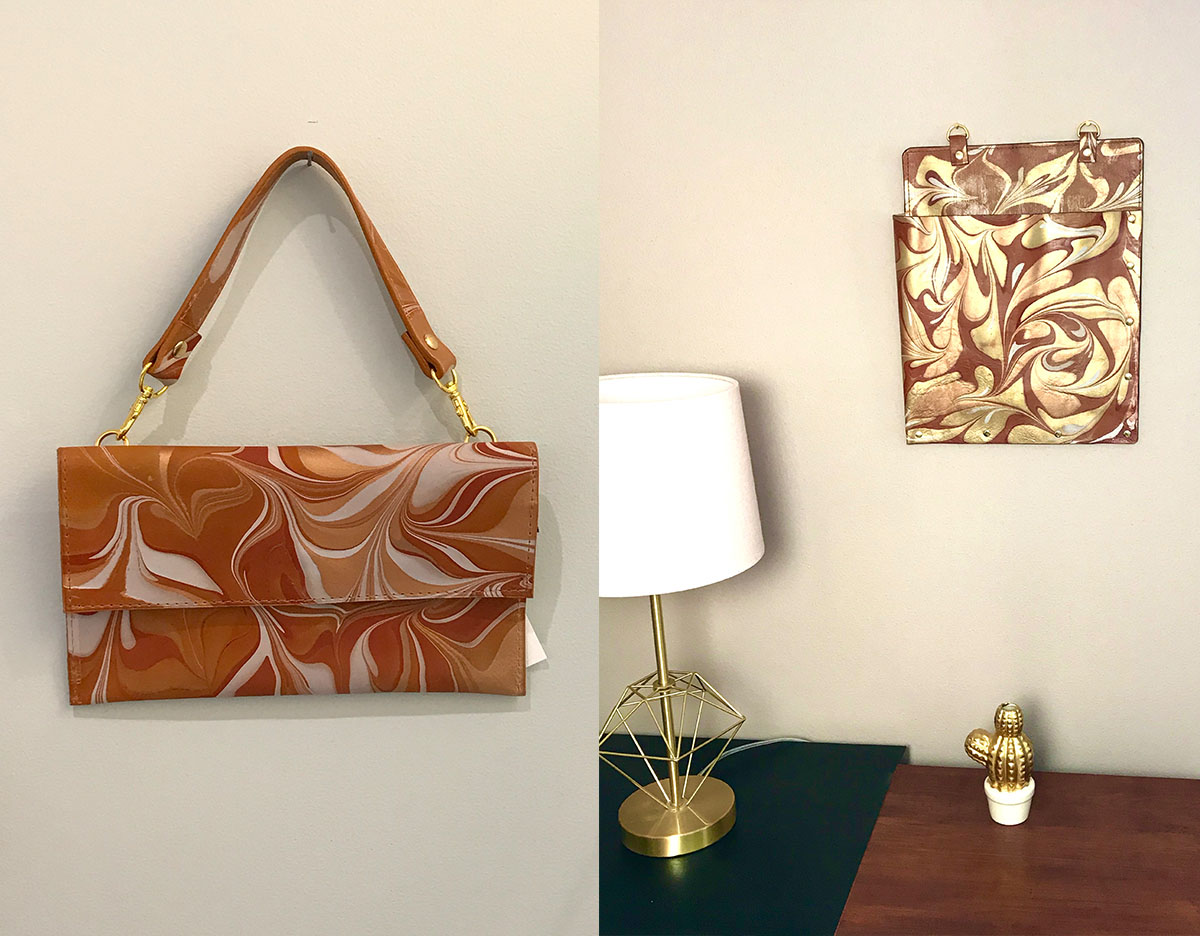
The product is created after I received the piece of marbled leather. First I created a clutch as when I saw the marbled piece it was so unique and I love to use unique pieces when I go for a wedding or to special events.
I am all about using leather in homes or offices in different and unique ways so when I got the second piece of marble leather I decided to create a piece that can be practical but at the same time unique for an office. MOWA liked to be able to display the versitality of the pieces.
LN: What inspires you to use leather and what makes leather so special for you?
The fact that the leather is a byproduct of the food industry and using it we avoid to create other oil/petroleum based products is what makes it special for me.
Use It or Lose It: The UK Leather Specialists Turning Waste into Worth
By Stephen Sothmann, Real Leather. Stay Different. – a campaign to promote the sustainable qualities of leather and champion slow style over fast fashion.
How many industries can claim to divert [1]4.5 million tonnes of potential waste from landfill every year? How many can boast of converting unwanted materials into stylish, long-lasting products that grace catwalks and adorn some of the world’s most prestigious buildings and luxury homes? The leather industry can – an industry that is far more sustainable than it’s often given credit for. It doesn’t kill for its art, but rather upcycles animal hides that would otherwise be thrown away. For an insight into this inherently sustainable process, we spoke to three leather specialists who are turning waste from the meat and dairy industry into worth.
Zero waste
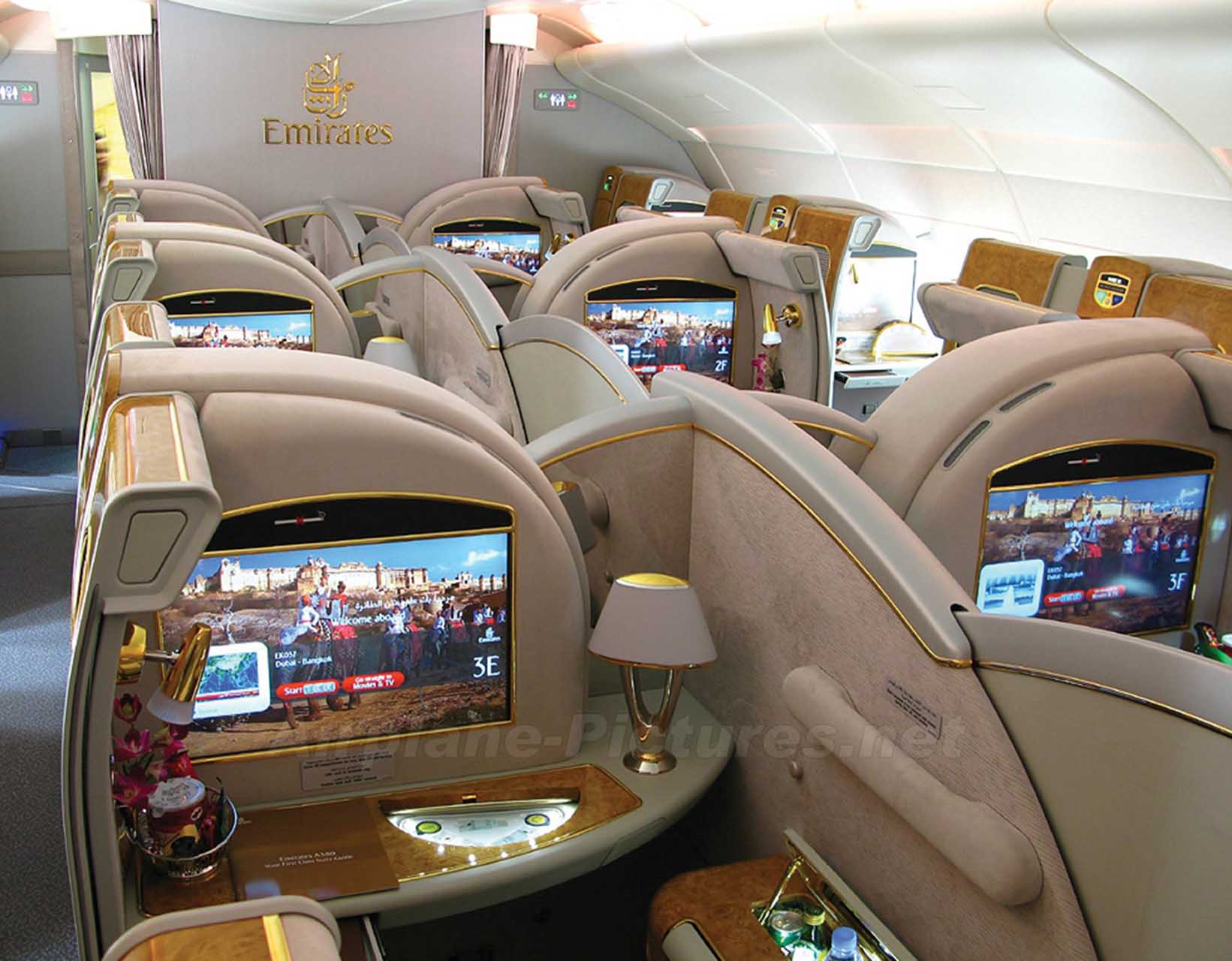
“We don’t really believe in waste”, says Nicholas Muirhead, joint managing director of The Scottish Leather Group, reputedly the UK’s largest manufacturer of leather. If you’ve flown with Emirates, cruised on a Princess Yacht or taken a spin in an Aston Martin, you may well have experienced (or sat on) the company’s craftsmanship. The Group’s mission is to ensure that the beef industry’s unwanted animal hides are rescued, re-used, re-processed and upcycled into high quality luxury leather, avoiding the otherwise huge environmental impact of those hides being left to rot in landfill.
“Scottish Leather Group alone saves up to 100 tonnes of cow hide from going to landfill every day. That’s equivalent to the weight of well over 2,300 double-decker buses per year,” says Muirhead.
The company, which claims to produce the world’s lowest carbon leather, sources its leather locally as part of its commitment to sustainability and reducing its carbon footprint.
This commitment dates back to 2003, when the Group first launched its zero waste strategy, with the goal of reaching zero embedded carbon and sending zero waste from the manufacturing process to landfill by 2025. Is it on track to meet its target? According to 2020 data, it has already cut its waste to landfill by 81% thanks to measures such as innovative tanning methods and recycling its waste water back into production. And it expects to reach its 2025 goal ahead of time via capacity investment in its unique Thermal plant and the complete utilisation of renewable heat.
Save our seas
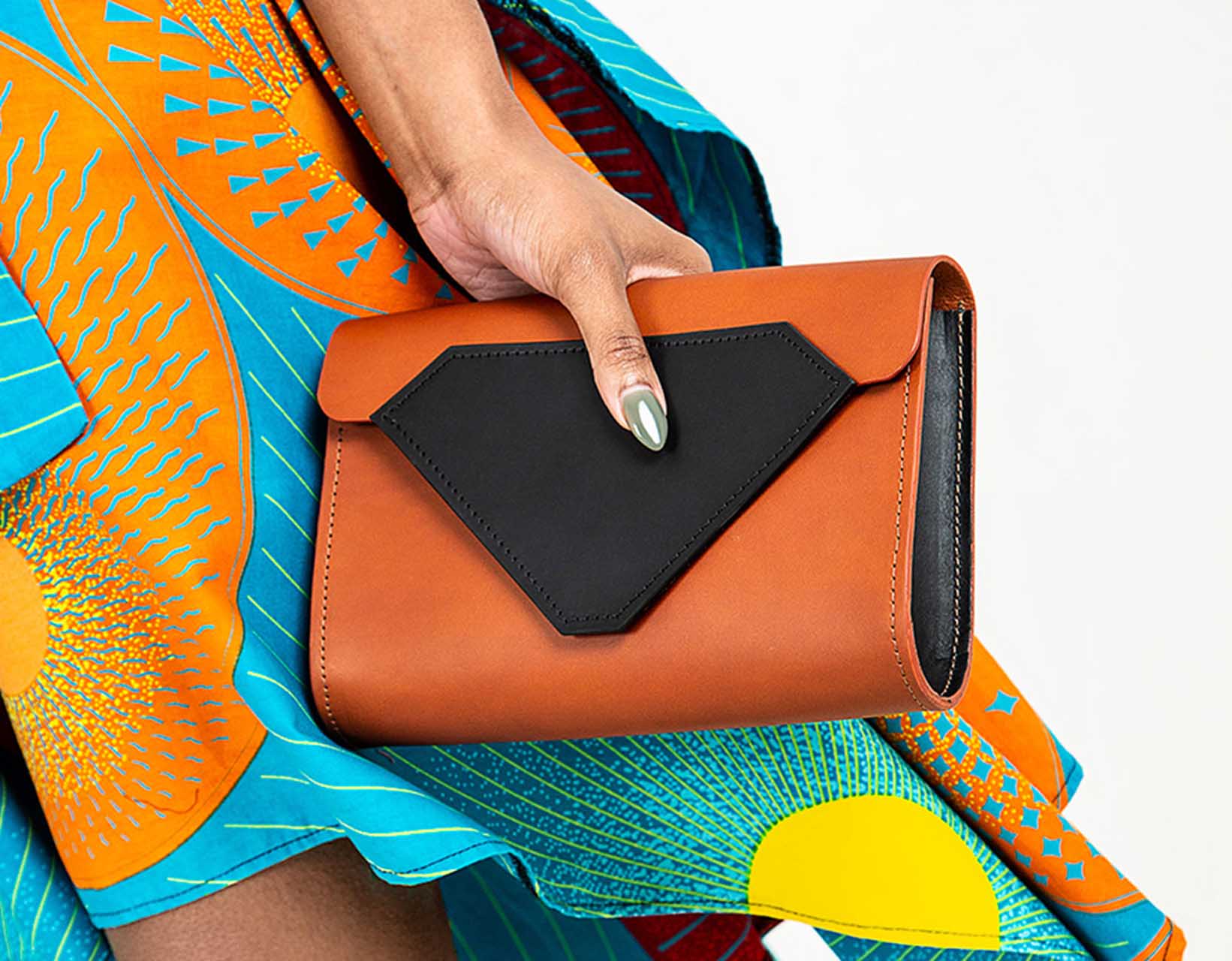
Sustainable luxury handbag and accessories designer Tatum Diamond shares Scottish Leather Group’s drive to eliminate waste, but of a different sort. Her business is rooted in her passion for the ocean and her commitment to protecting marine life by reducing plastic waste.
That’s one of the reasons why she uses leather, a durable, long-lasting material, to create versatile products that people can use for every occasion, whether they’re walking the dog or dining out, and will want to keep forever. The fact that this leather is a by-product of the meat and dairy industries is also significant.
“More leather than we actually use – the hides themselves – end up in landfill rather than being used to create bags, shoes and jackets,” she says, “Instead we create new products that are damaging to the environment.”
For Tatum, using a vegan or PU (polyurethane) leather simply doesn’t fit with her philosophy. That’s because it’s made from crude oil and ultimately ends up as waste at the bottom of the sea, harming the animals that try to eat it.
“I don’t want to waste what we already have,” she says. These aren’t just empty words. Tatum ensures that every piece of leather gets used – even the smallest offcuts are made into earrings.
Use or lose
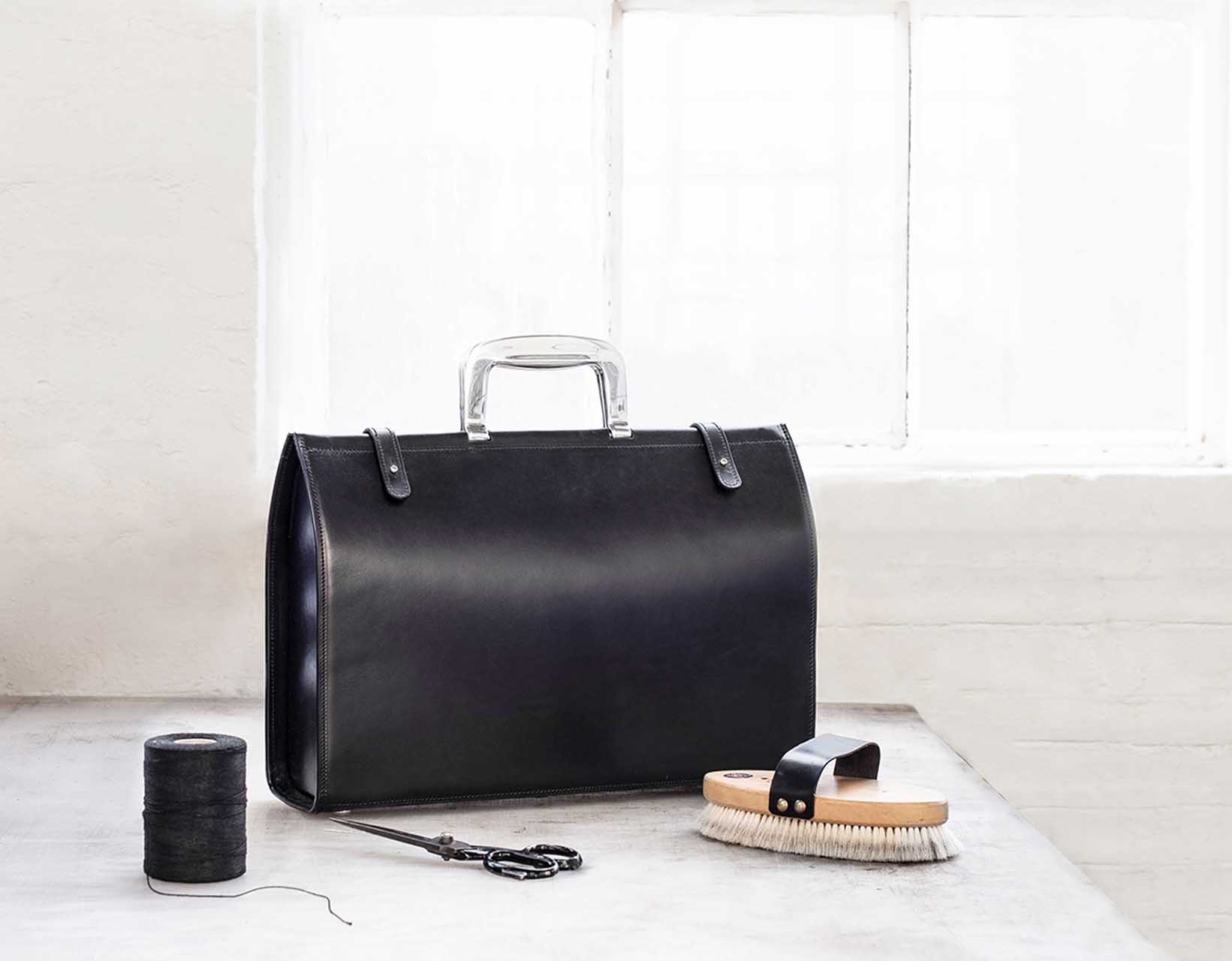
Renowned leather designer Bill Amberg, founder of the eponymous Bill Amberg Studio and the man behind the original Paul Smith bags, believes that we have a simple choice: “to use the hides from animals that are raised and killed for their meat, or allow these materials to be burned or sent to landfill.”
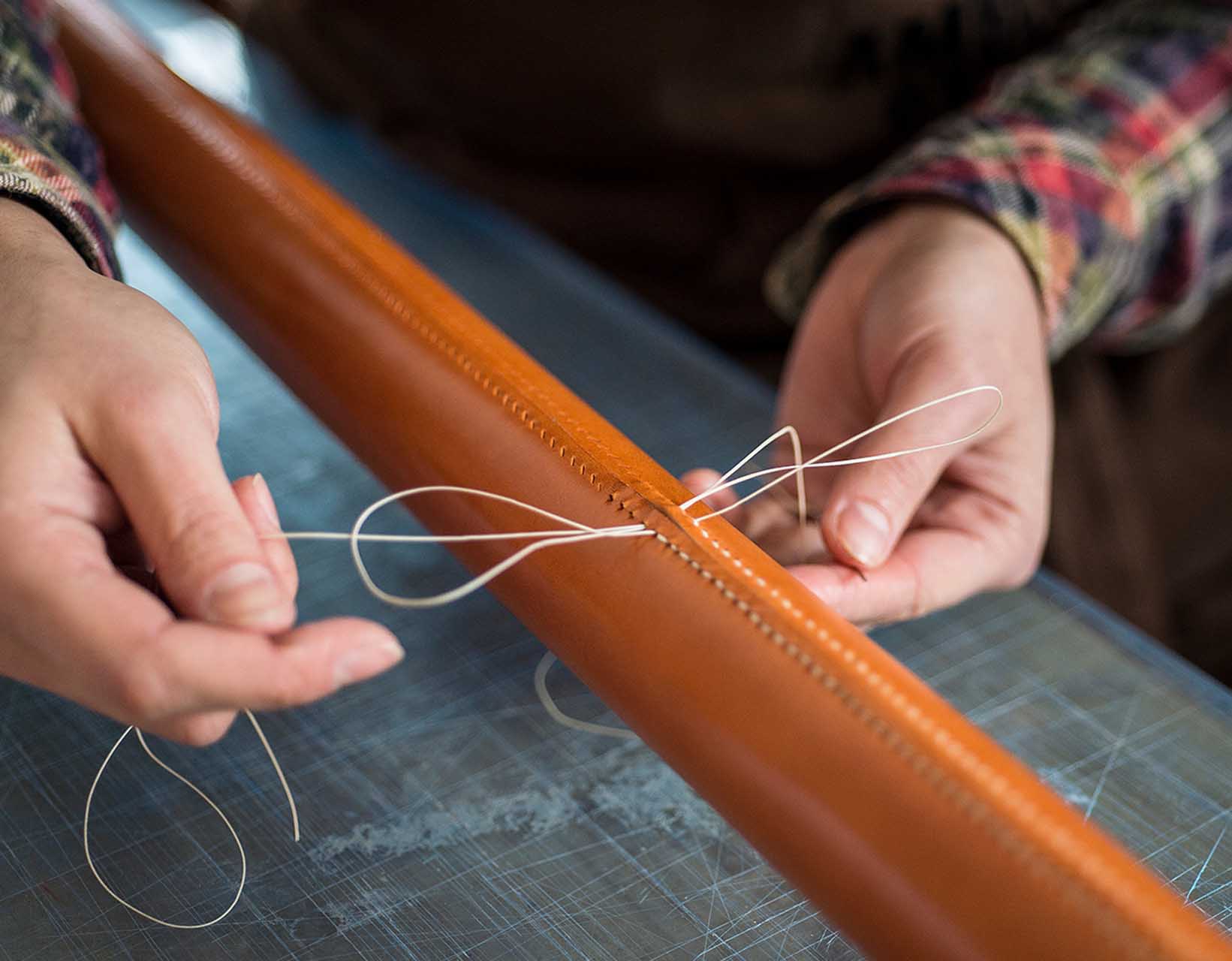
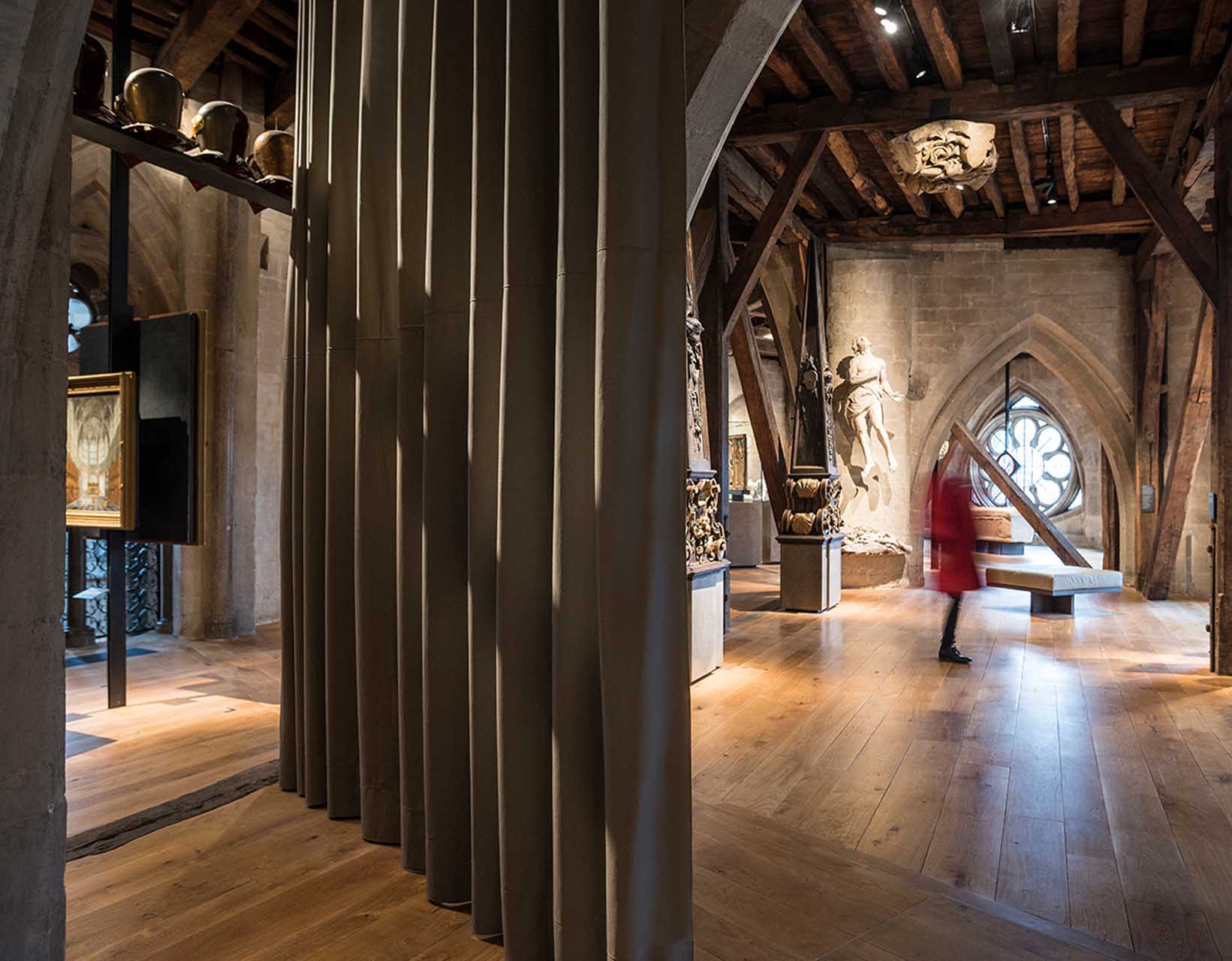
Amberg chooses to use rather than lose this precious resource, for bags and accessories, furniture and interiors. His iconic ‘Rocket Bag’ is part of the permanent collection in London’s V&A and New York’s Metropolitan Museum of Art, while his craftsmanship can also be seen in The Royal Academy of Arts, Harrods and even Westminster Abbey. Visit the Abbey’s upper galleries and you can’t fail but miss the dramatic custom leather curtains designed to provide a backdrop and UV protection to the precious artefacts on display. The curtains were so large and heavy that Amberg and his team had to use techniques and hardware typically used in yacht sail making!
Asked why he chooses to use leather over alternatives such as vegan or faux leather, leatherette or faux suede, he says that they’re “less hardwearing, far harder to repair, and in our opinion, considerably less beautiful. These materials are often characterised by a short working life and hundreds of years in landfill; to say nothing of the environmental impact of their production.”
While some plastics are vital to modern human existence, Bill Amberg feels strongly that they should be treated as a precious and limited resource, rather than being used to mimic leather, “a material that is vastly superior, and a by-product of the food industry.”
New lease of life
In many ways, leather making is the ultimate in upcycling, turning one industry’s trash into treasure. And leather craftsmen take pride in breathing new life into materials that would otherwise be thrown away. As handbag designer Tatum Diamond puts it, “There is a rare, powerful beauty in taking what has been discarded or dismissed, and letting it live again.”
So, what’s it to be: 4.5 million tonnes of landfill, and the associated greenhouse gas emissions, or a lifetime of beautiful bags, shoes, belts, jackets, upholstery and interiors?
Stephen Sothmann, Real Leather. Stay Different.
[1] This is based on data from the Leather and Hide Council of America

Interview: WaiWai
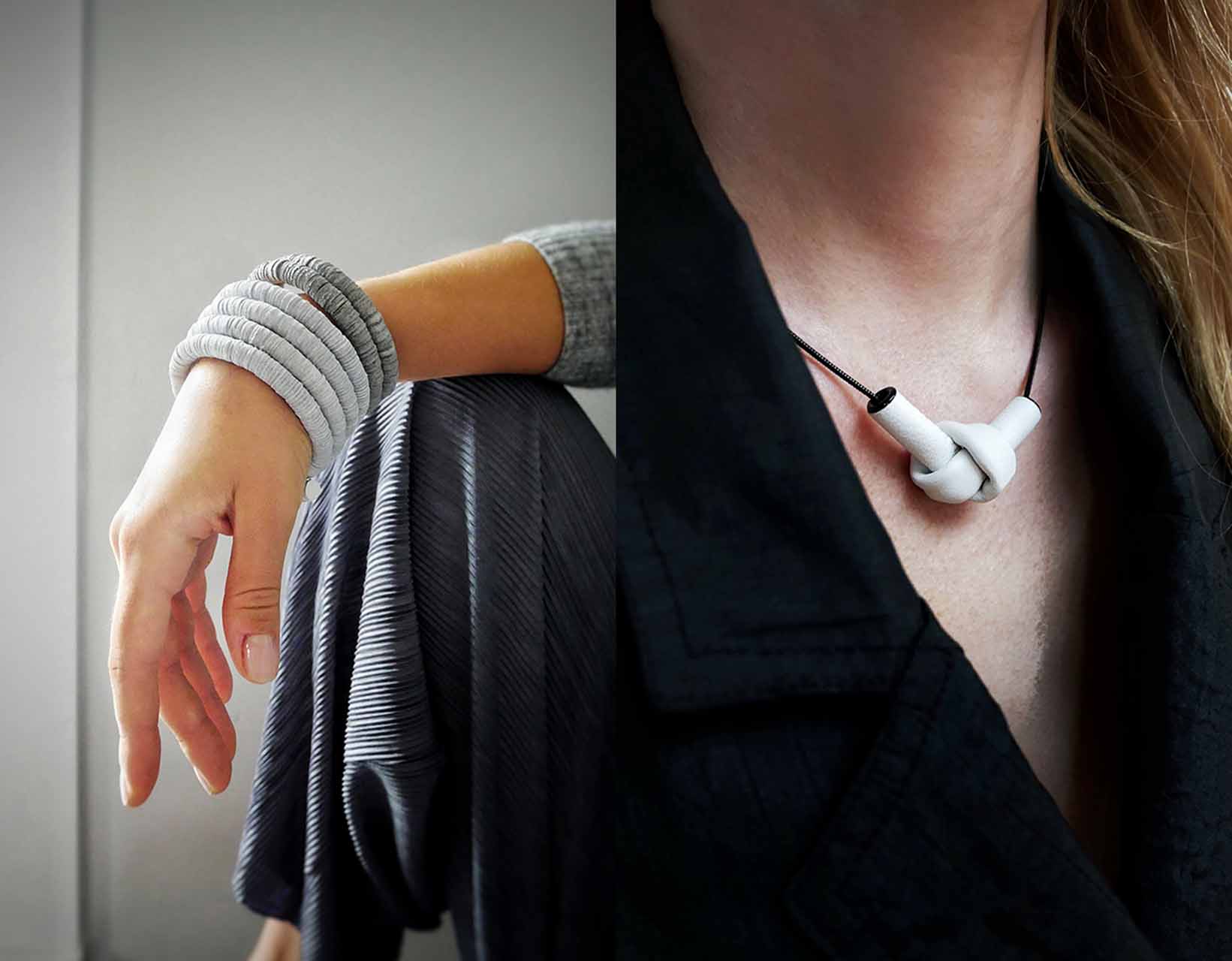
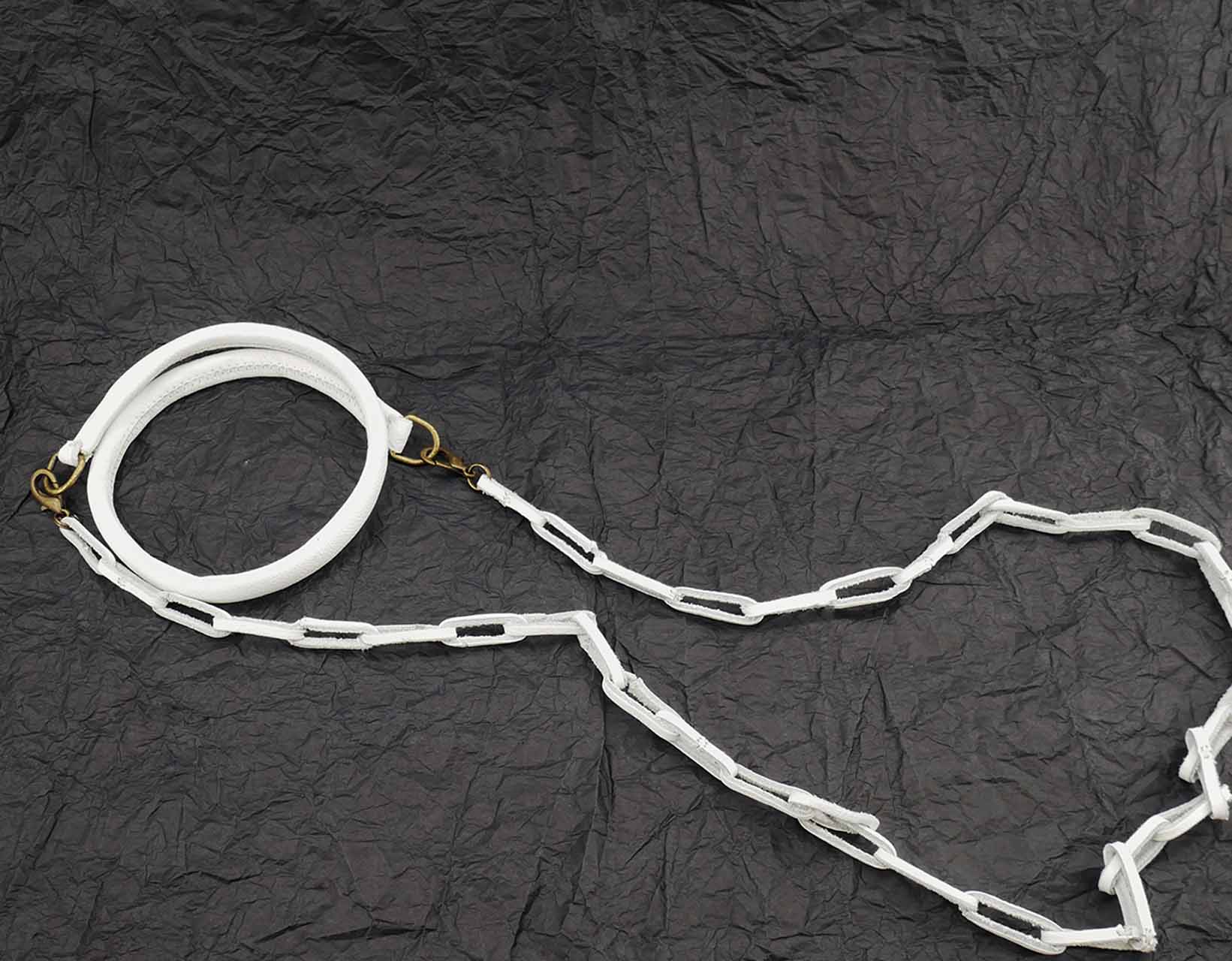
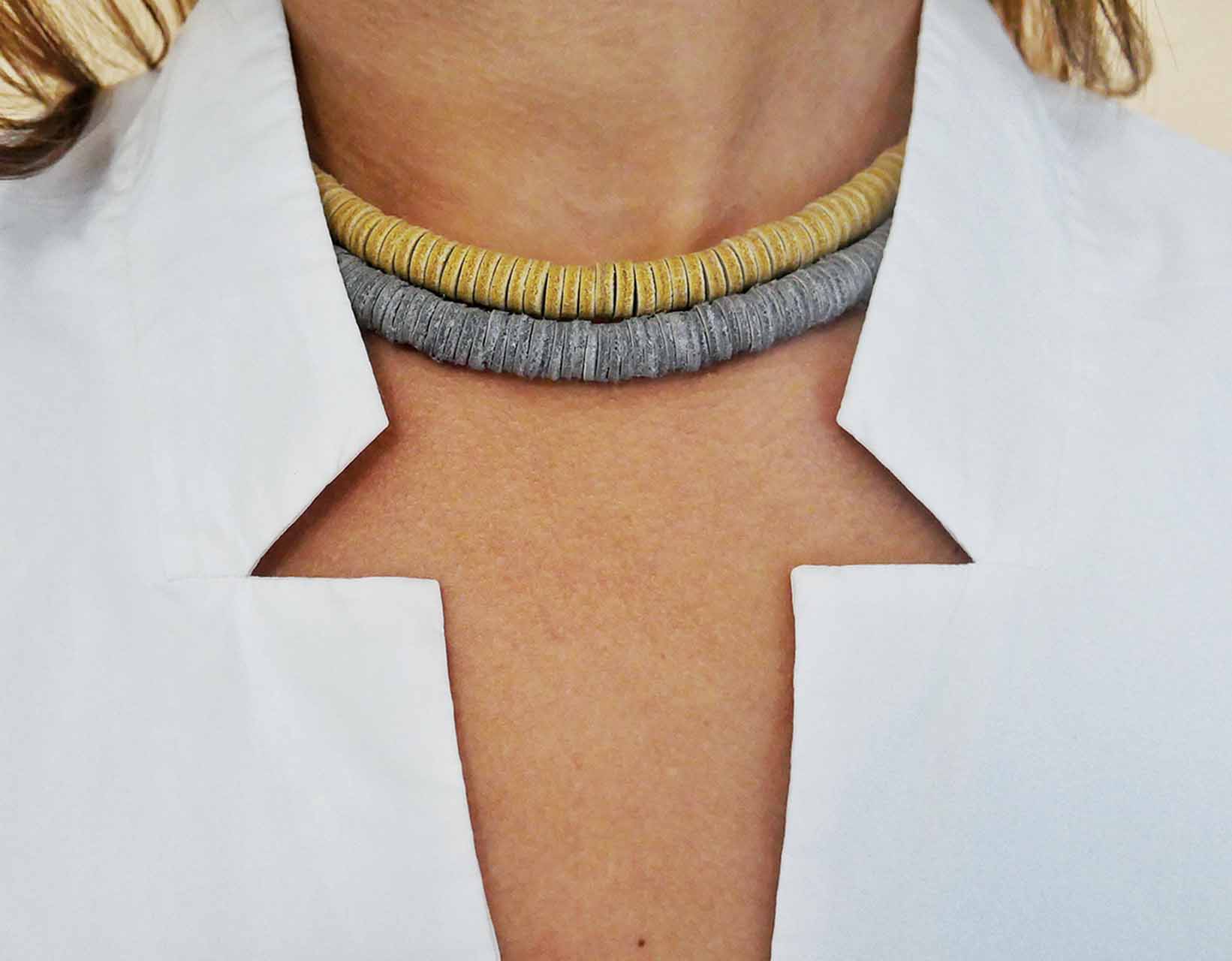
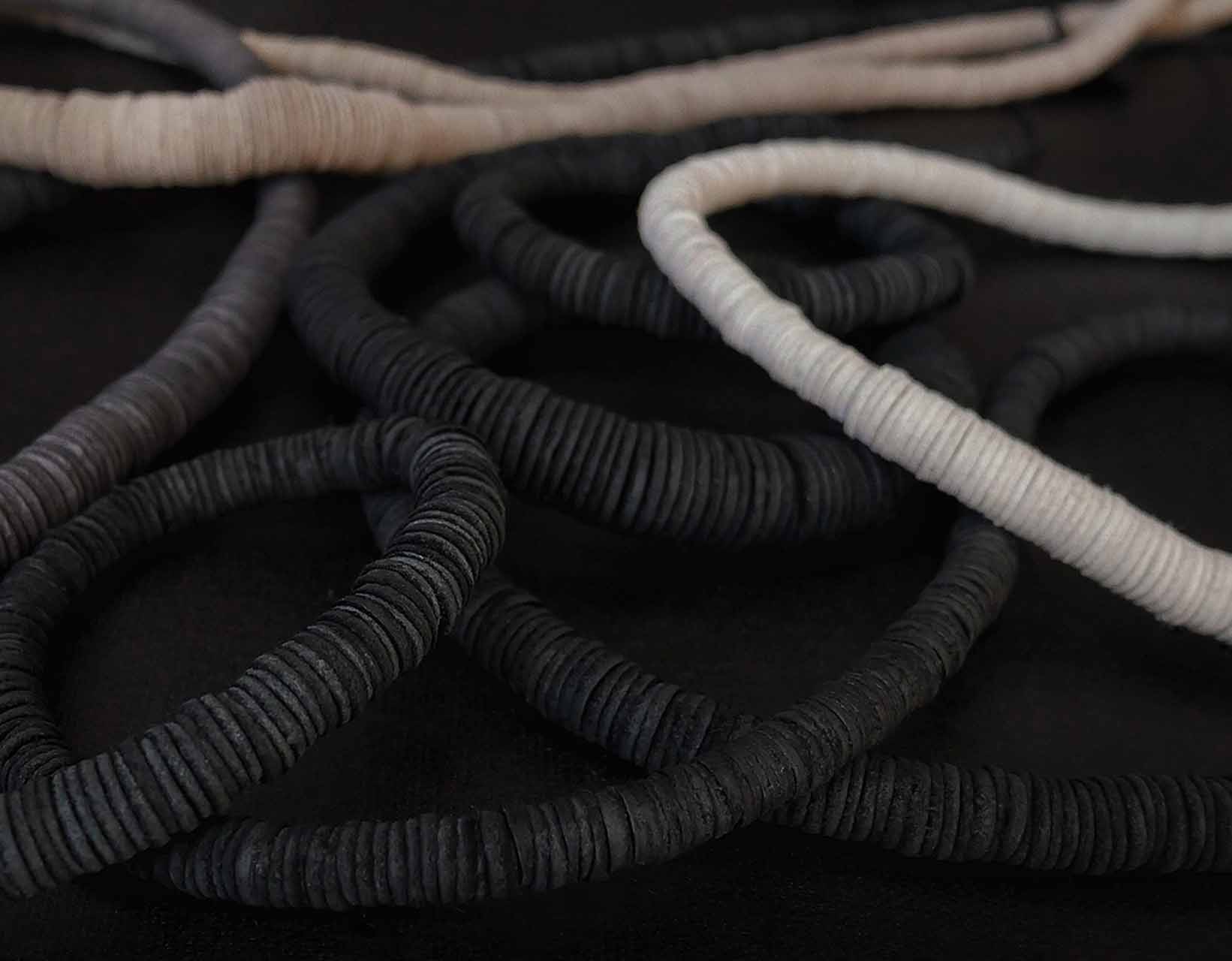
Thoughtful jewelry and home decor pieces carefully handcrafted exclusively from leather scraps.
LN: How did you came up to the idea to use leather scraps for your designs?
I’ve been working on small projects with different materials such as polymer clay, wood, glass beads etc for a while until one day I got a bag with leather scraps from a local fabric store. I made few jewelry pieces for myself and right away fell in love with this amazing material. Some bits were so tiny but I was able to use them. That’s when I realized that a lot of such precious pieces are just being thrown away. I reached out to a couple of local leather makers and I was right. They either had bags of scraps they had no idea what to do with or just had to discard those little pieces. I want to divert as much usable material from landfill as I can and hopefully bring attention to how much leather is being wasted and add value to this precious material by creating quality, long-lasting products from it.
LN: Where do you get your inspiration from?
Inspiration comes from everywhere. First of all, the qualities of the leather itself give a lot of ideas. It is such a supple material that is easy to manipulate.
Thinking of a special piece for a certain person many times inspired me to design a piece that turned into a bestseller.
Architecture is a big thing for me too. I love browsing architectural and interior design sources and often ideas spark just seeing nice textures, shapes or colour combinations. And of course Nature, it’s an endless source of inspiration.
LN: Can you tell a bit more about your leather designs?
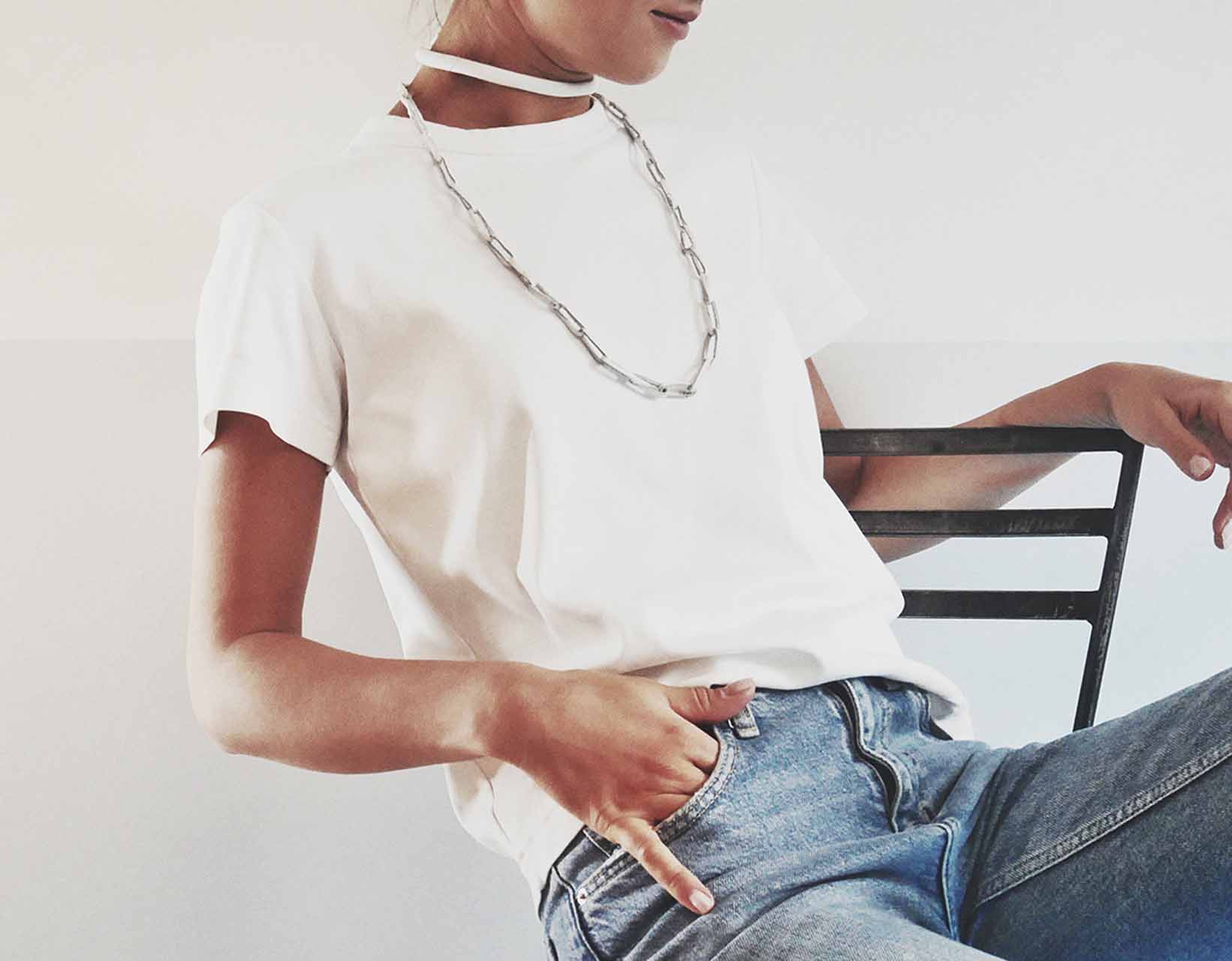
I tend to create pieces that are timeless and work well with any style. Leather is a very durable material and having this in mind it makes a lot of sense to me to design pieces that would effortlessly complement any look. Sustainability and minimalism are the key values for me when it comes to creating a new item. This inspires me to think of multifunctionality. I have convertible necklaces with many possible ways to wear in my collection as well as reversible earrings that give you a chance to play with creating different scenarios. I use only organic treatments and sturdy hypoallergenic hardware to make my products work well for anybody. I prefer to create simple designs to emphasize the sophisticated, elegant and exquisite look of leather.
LN: Why is leather such a unique material?
From ancient times it has been used in a variety of utilitarian and decorative ways. We still continue to learn to utilize it for many innovative uses. I believe it has no true competitors considering all the qualities combined together.
LN: Why do you think should leather be the material of choice for consumers?
Everyone needs to be educated, seriously question what he/she chooses to consume and make the best possible decision not only for selfish needs but with a lot of respect to the Earth. My decision to use leather is based on the desire to keep it away from landfill where with all its unique qualities it is of no value to anyone.

Interview: Greyder L A B
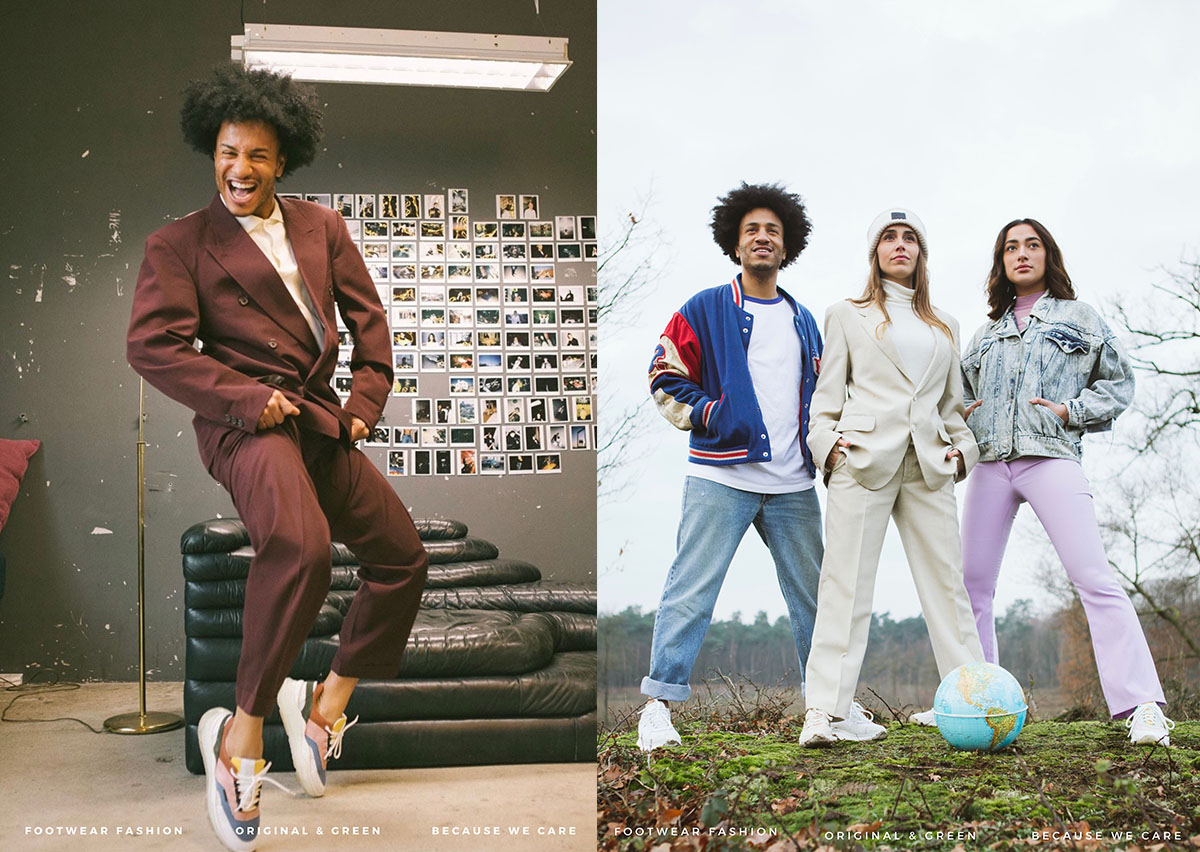
Two years ago, the shoe brand GREYDER L A B was founded to make the world a little better with a product that almost everyone uses every day: shoes.
Now we are launching a funky shoe collection made from coffee scraps, sugar cane, Mediterranean plastic bottles, recycled cotton, car tires and Leather Working Group leather in 22 countries.
LN: What does the label say? – What does this mean?
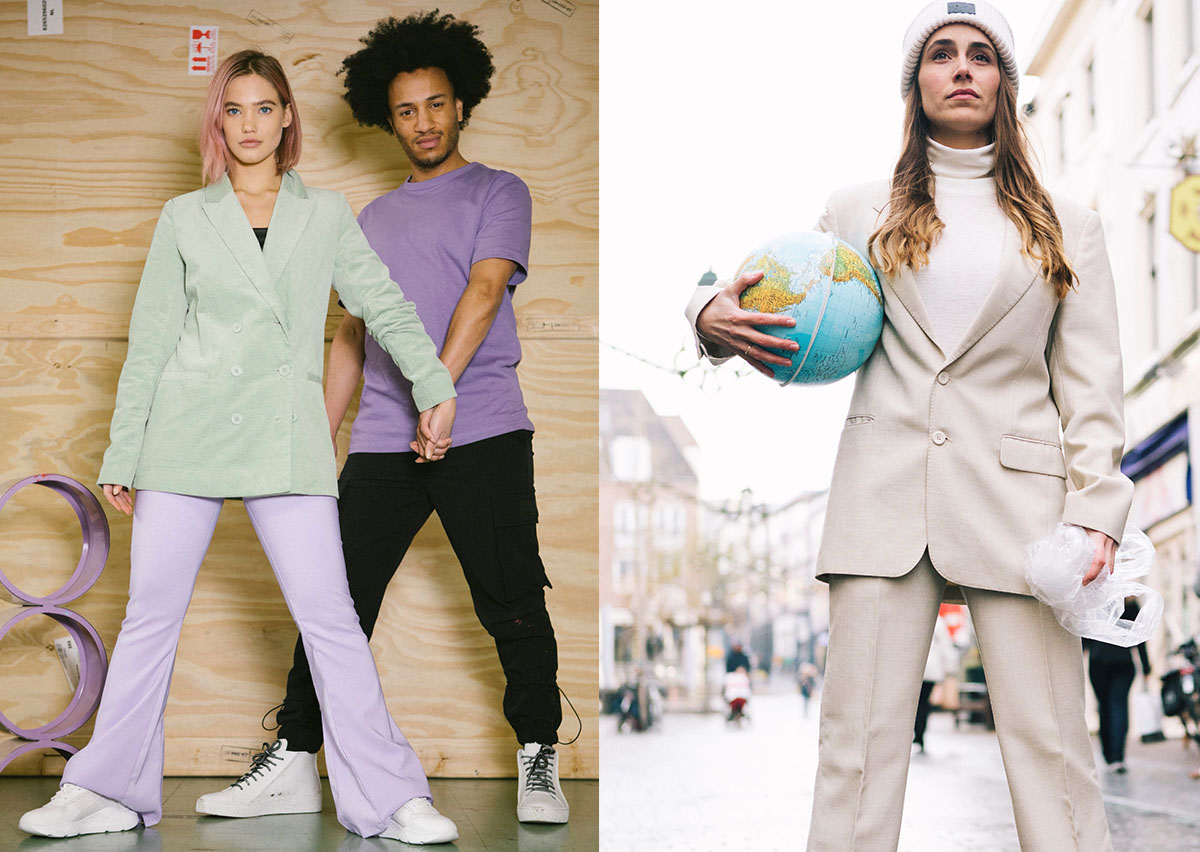
The world is changing, let’s change the world! – Because #WECARE. With this philosophy, the GREYDER L A B brand does much more than just make cool, affordable shoes that are sustainable. Their Forest Fund will plant 10,000 trees this spring. And shoes left over from collections, just as good and beautiful as shoes in the store but normally thrown away as trash, are given to refugees fleeing the civil war in Eritrea.
“The era of simply selling shoes is over. In this uncertain and polarized world, people are looking for meaning, connection and warmth. Taking care of each other and our natural environment is the only way, also looking at my own children,” says Creative Director Rob Willems.
LN: tell us some more about your shoes
We care about originality and personality. Therefore our shoes are designed and developed to leave an impression: a beautiful way to express yourself and be yourself with every step you take. Our shoes are also designed and developed to feel good. From the shapes and colours to the textures and footprint. So funky equals fun key.
LN: you say we care about your feet and durability, tell us more
The shoes stand out through crazy comfort thanks to self-developed lasts – decades of craftsmanship given from one generation to the next. Together with our removable footbeds made of ‘memory foam plus’ a guarantee for happy feet – even after a long day.
LN: you care about resources and pollution, how do you feel about the sustainability of your shoes?
We use recycled and organic materials. Tires,coffee wast, cotton, cork, plastic bottles, sugar cane, pineappl leaves and even cactus – up to 90% of a shoe. When recycled or organic materials are not an option, we use leather from Leather Working Group (LWG) suppliers as we are an official LWG-brand. With this we save huge amounts of water and energy every year.
LN: can you give us more information about your Forest Fund as you care about people and the planet
A GREYDER L A B Forest Fund has been established to preserve, maintain or restore nature. Therefore we donate a part of our own margin to the Fund. From the perspective People R Human we look at people in need and how to help them with what we do and make. So we give shoes to refugees.
Billy Tannery
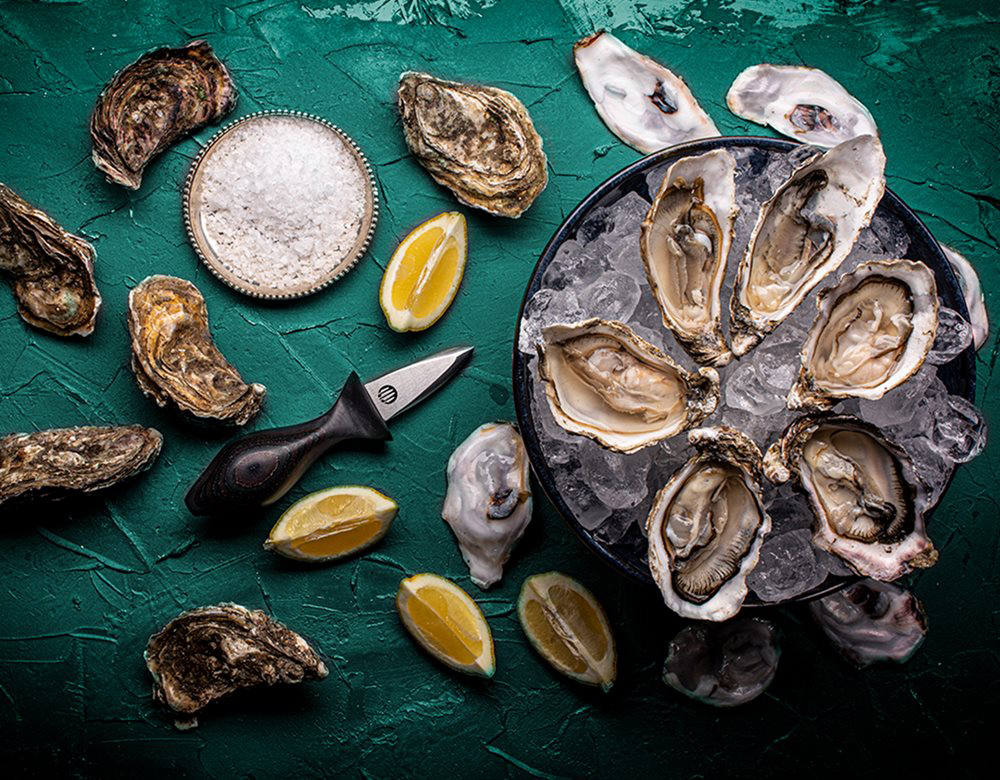
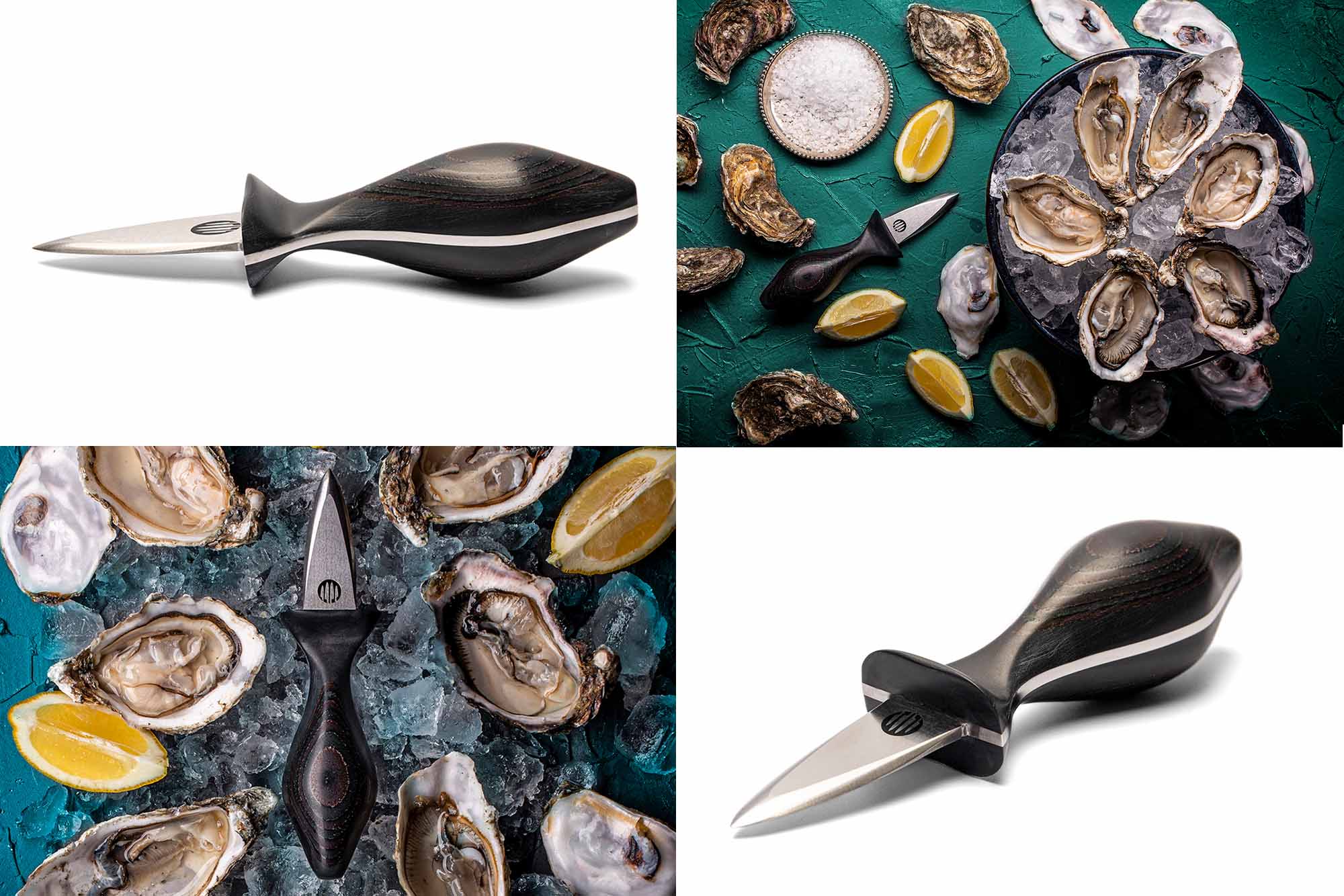
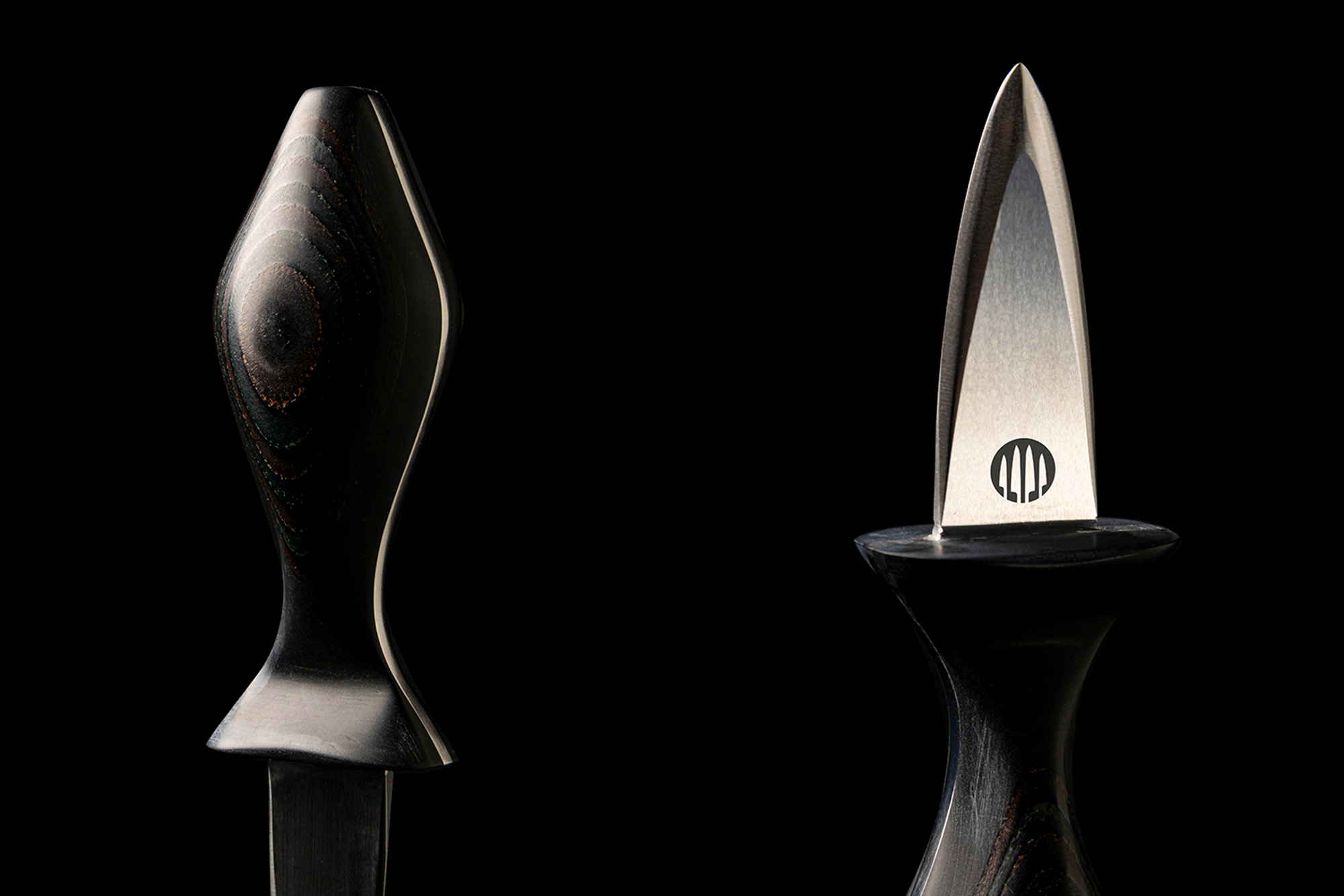
Billy Tannery has partnered with Savernake Knives to create beautiful knife handles from leather waste.
Billy Tannery is a small-batch micro-tannery based in England. They believe that a sustainable future lies in a return to interconnected and regenerative systems and their unique operation processes goat skins that are a by-product from the food industry and turns then into beautiful leathergoods.
Tackling waste is at the heart of everything they do and as part of an initiative to use up the off-cuts they have partnered with Savernake Knives in a collaboration that uses layers of leather to create incredible knife handles.
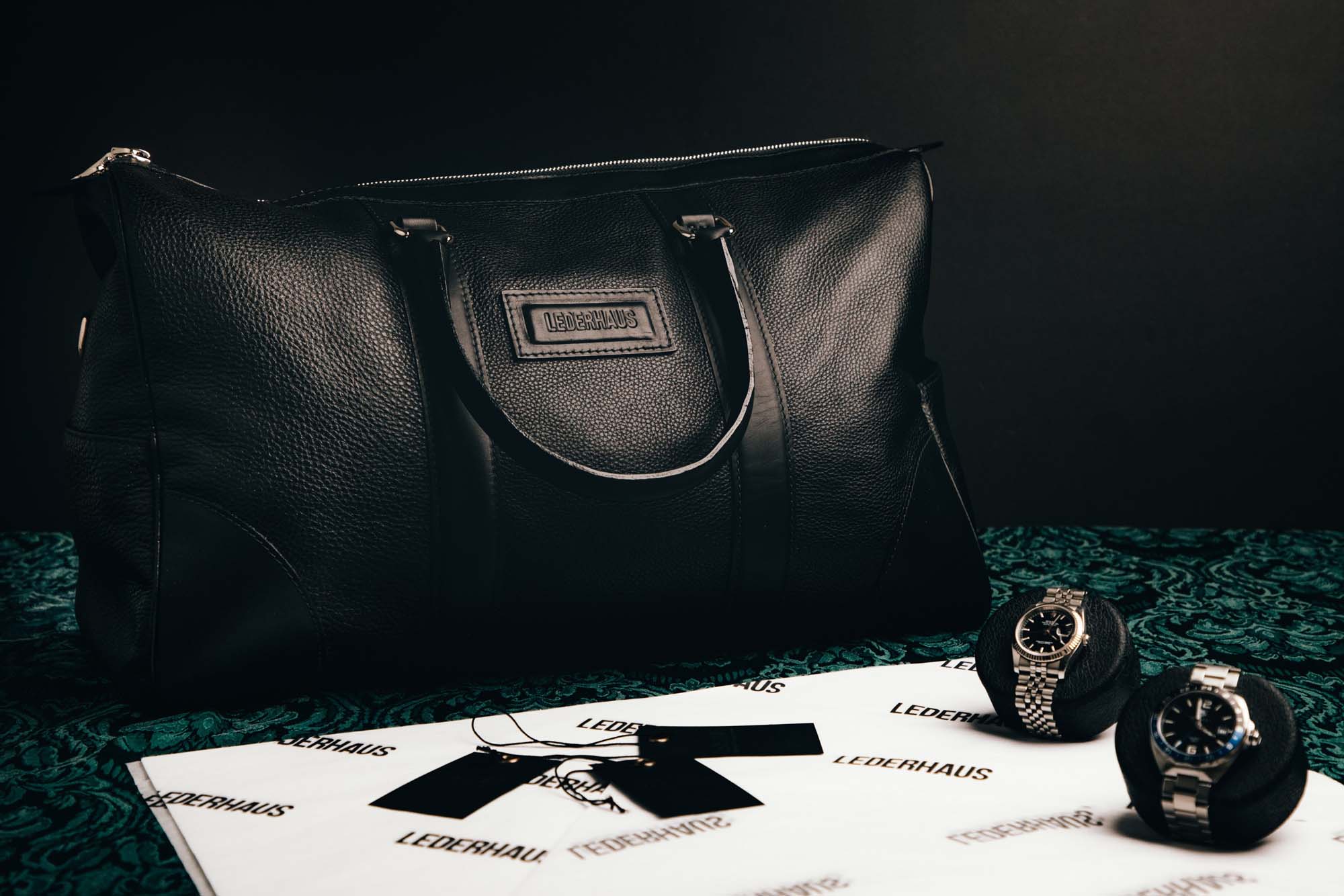
Interview: Lederhaus
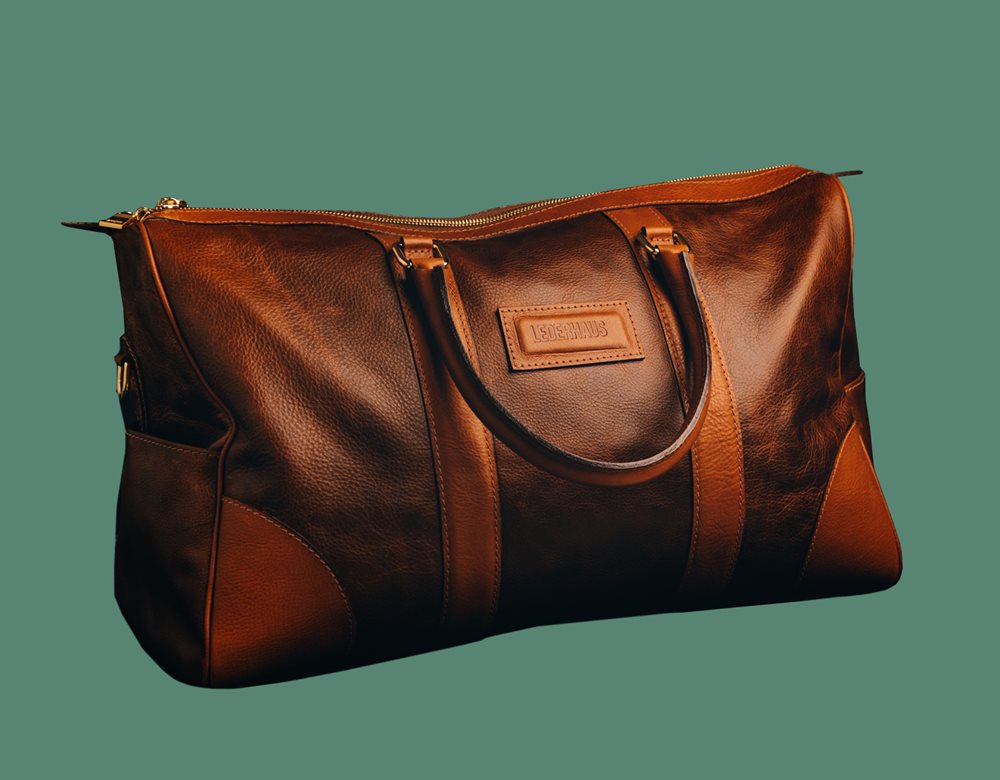
Lederhaus is an online leather goods retailer. Their products are expertly crafted by a master artisan in Toronto, Canada.
LN: What does the label say? – What does this mean?
Lederhaus, means House of Leather.
LN: All your products are handmade, please tell us a little more about your handmade process?
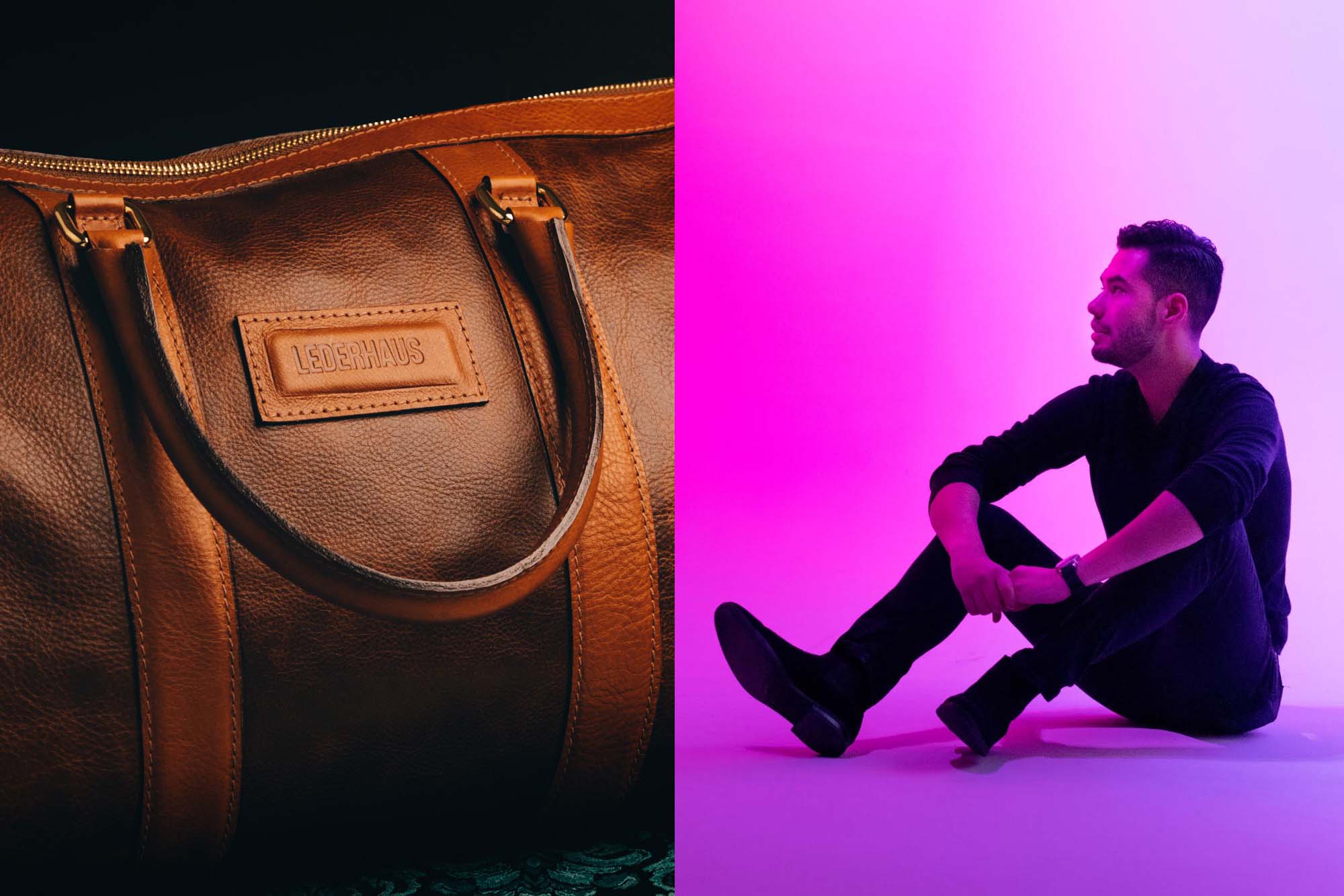
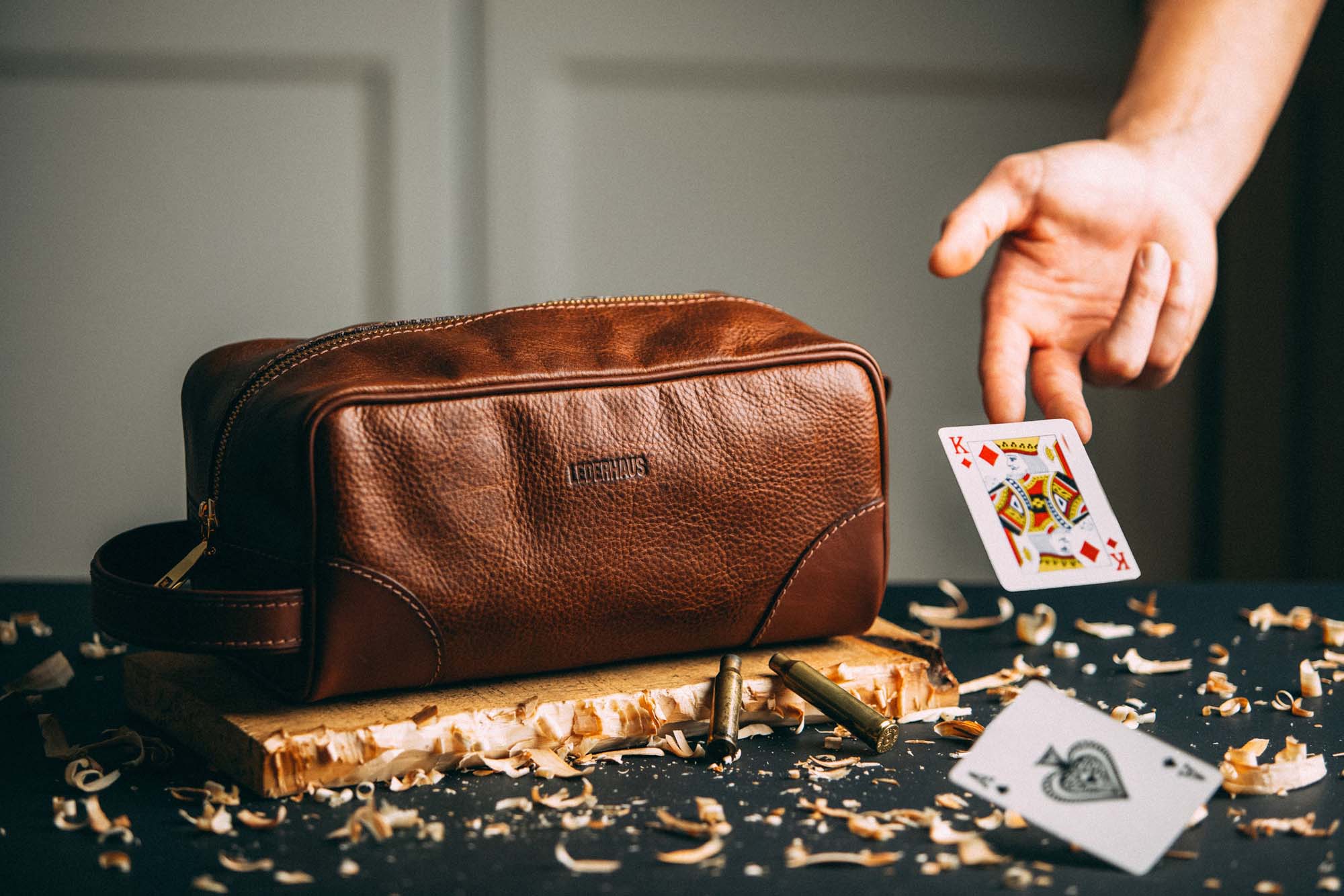
Our leather has a full aniline finish which means that it was first put in a vat with the colour in it. The leather is then tumbled in huge drums which give it the grain or pebbled effect. This process is all natural with no top finish. We use Italian full grain leather because it is the top layer of the leather and the strongest part which makes our product strong and durable. All of our hardware comes from one of the premier manufacturers of metal findings in Italy.
All of our bags in the Slate colour are fitted with zinc hardware and our Sandalwood coloured pieces boast beautiful brass findings. The thread that we use is classified as cable. It’s a nylon which is rot resistant and UV resistant – our product is made to last.
LN: How started your passion for leather?
I’ve always loved wallets. Then I learned how they’re actually made and I fell in love. The amount of craft and precision you need to create these products is incredible.
LN: Why is leather such a unique material?
Not one piece is alike, almost like a fingerprint.
LN: How do you advise your customers to care for their Lederhaus products?
Always keep your leather products in a cool and dry place when not in use. Avoid direct sunlight exposure and overall, just keep it clean. This product is meant to last a lifetime.
LN: What keeps your customers coming back?
Our unparalleled customer service and the fact that we stand behind our products 100%. If you’re not satisfied with your product we’ll be happy to offer you a refund, because no one should have to feel like they didn’t get their moneys worth.
LN: Why do you think should leather be the material of choice for consumers?
It’s unique, just like each and every one of us.
Want to learn more about full grain, aniline an different types of leather? Check out our fact sheet on Leather Terminology.