


The Truth About Leather in Cars
It’s time to tackle the misinformation that’s out there about the use of leather in cars
Online leather resource for the automotive industry, One 4 Leather has laid out the assumptions made about the use of leather in cars and answered them with plain facts. The feature is a must-read for anyone that wants to go deeper than the sensational headlines and learn that replacing leather with synthetic materials in cars will not save the planet.
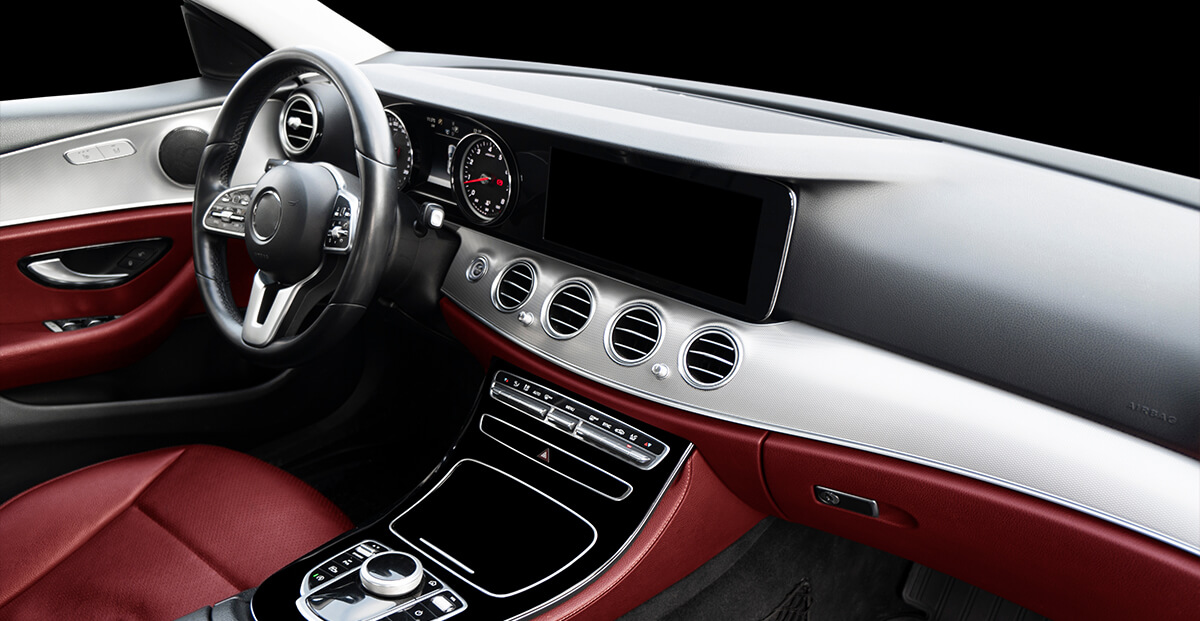
Covering all the detail needed, from why animals are not killed for leather to better understanding environmental issues and the role that cattle can play in regenerative agriculture, the article concludes, “The bottom line is simple: we need to look at our consumption differently and find ways to be efficient with the resources we have available. Leather fits that future, as do other by-products that we have started to replace with plastics. Although plastics are part of what makes our lives convenient, safe, and protected, their use should always be evaluated first, and materials should be chosen based on the performance needed. Plastics or ‘vegan leather’ is not the one-fix-solution for our future. Leather has a huge part to play in a future where we use our resources responsibly.”
As luxury maker Bentley marks its intention to be the most sustainable car manufacturer by joining the Leather Working Group, it is important for everyone to understand the benefits that leather brings by turning a by-product that would otherwise go to waste in landfill into a beautiful, long-lasting material.
Read the full article on the One 4 Leather website here.

Il Bisonte
Why are the bags & accessories of Il Bisonte so revolutionary? Read the remarkable story of this artisan company situated in the heart of Florence.
LN: Your company is established in the heart of Tuscany – in Florence. Can you share your company’s history with us, and where the name Il Bisonte comes from?
Our company, which has just celebrated its first 50 years of history, was founded in 1970 in a small artisan workshop in the heart of Florence, a stone’s throw from the magnificent Palazzo Corsini where the headquarters, showroom and the brand’s flagship store are still located today. The founder, Wanny Di Filippo, was inspired by his favorite animal, the bison (bisonte) which is a universal symbol of peace and strength.
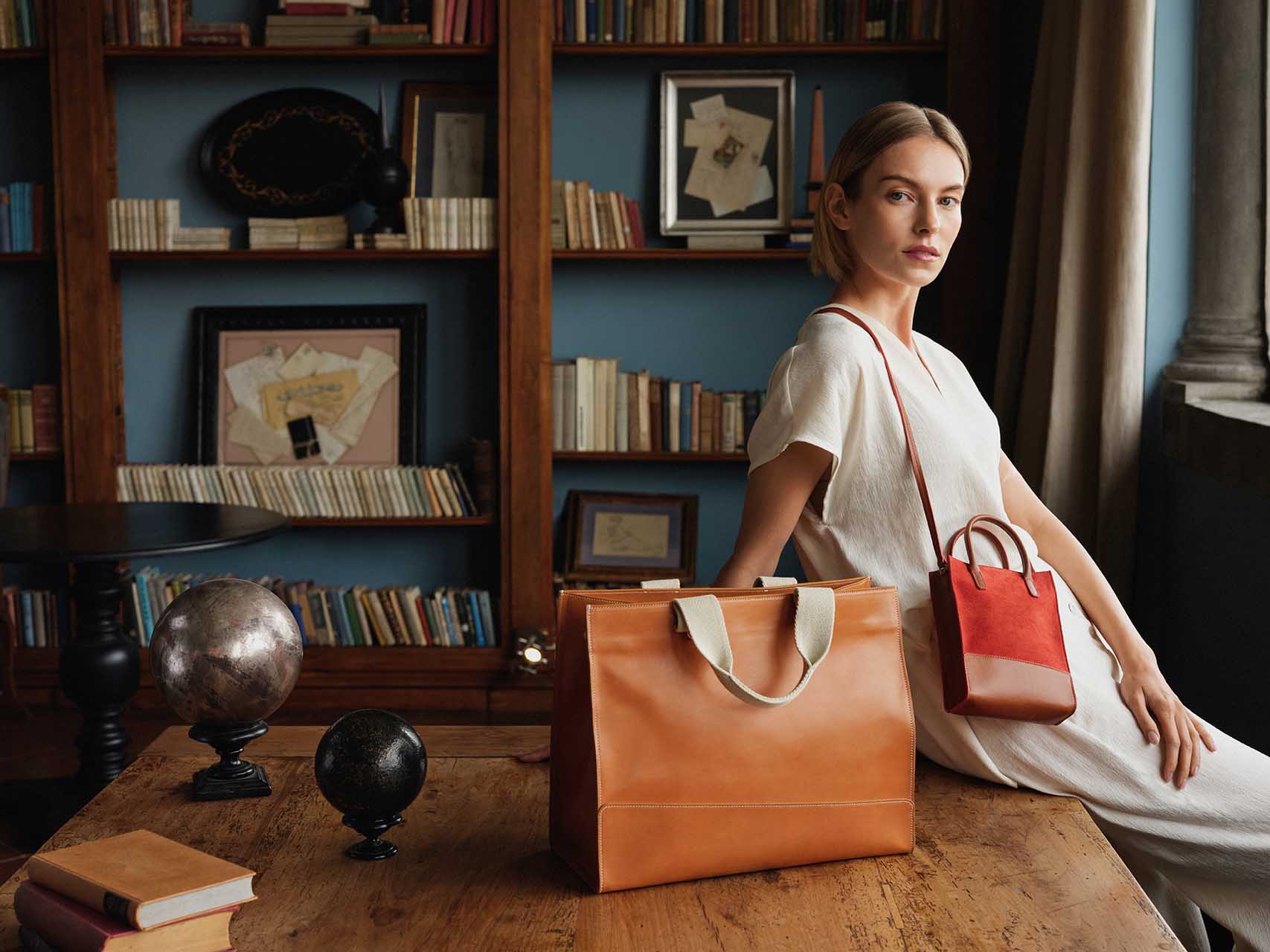
LN: You say: Il Bisonte bags and accessories are revolutionary in everything except in their absolute loyalty to the extraordinary Florentine tradition of manufacturing. Why are your bags & accessories so revolutionary?
Our products are revolutionary because they are the result of continuous inventions outside of mainstream manufacturing and because their style has always been unhindered by seasonal fashion trends. Thanks to their quality and timeless elegance, our bags and accessories are made to last a very long time, maintaining and increasing their beauty and uniqueness. This stylistic choice is also the foundation of authentic commercial sustainability.
LN: We are very curious to learn more about the extraordinary Florentine tradition of manufacturing. Can you please explain?
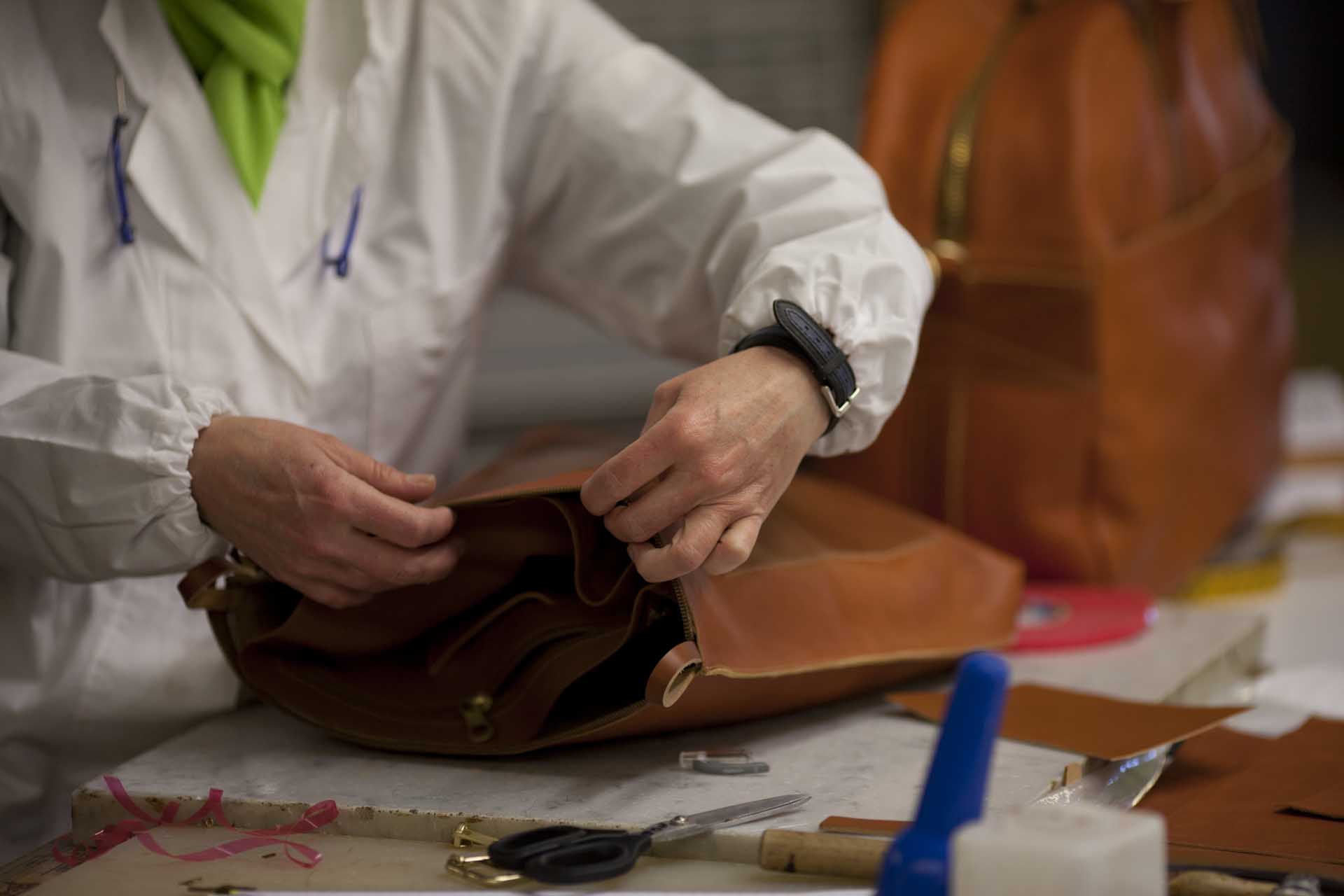
Il Bisonte products are made exclusively in the province of Florence by the best artisans in the world, true heirs of the centuries-old Tuscan manufacturing tradition. All leathers are tanned, coupled, cut, split, skived and hand-stitched within a 30KM radius of the main plant. We are committed every day to promoting the talent and passion of our artisans and to protecting and passing down their unique know-how from generation to generation.
LN: Santa Croce is one of the most important areas in Europe’s leather industry. How important is Santa Croce for your company?
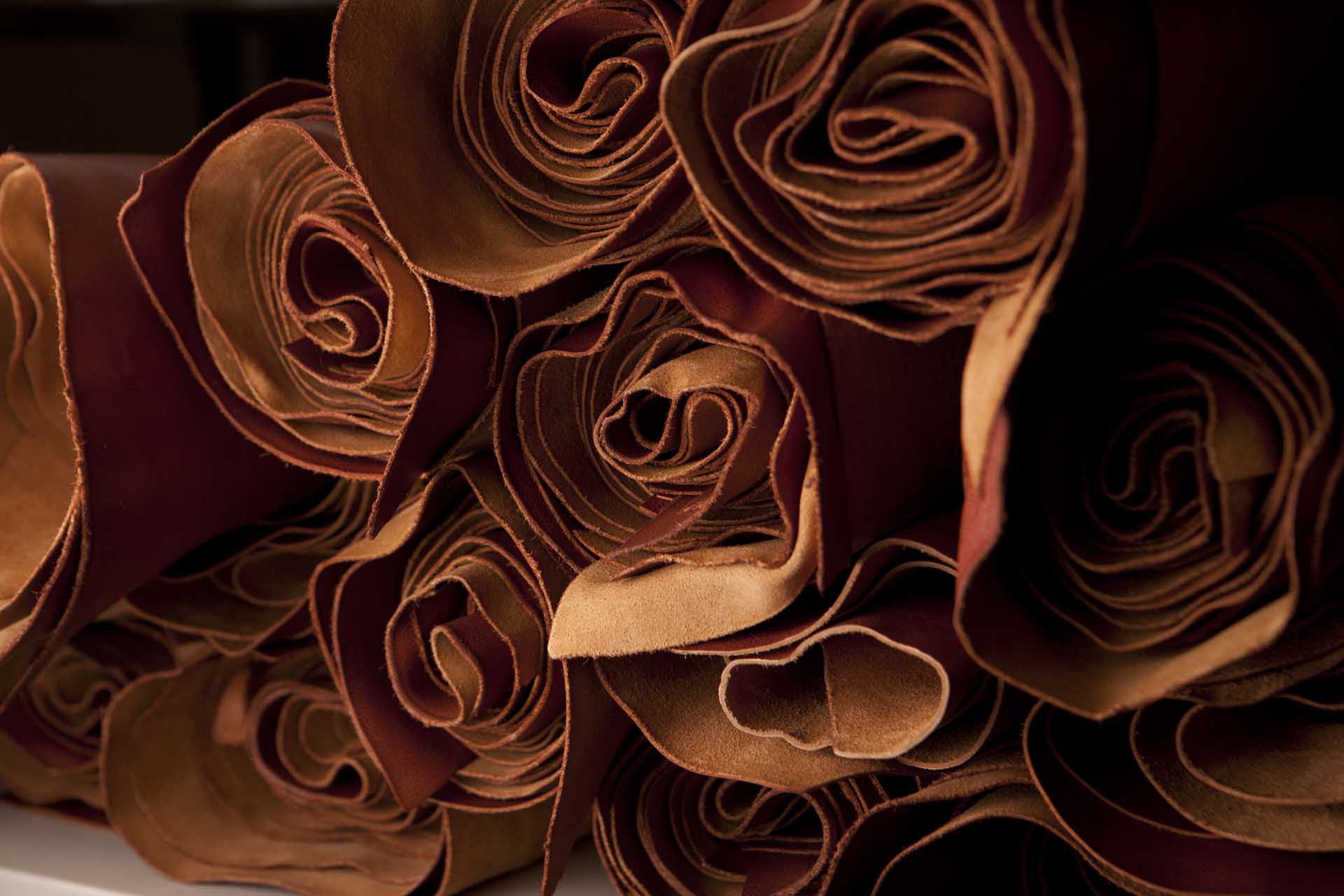
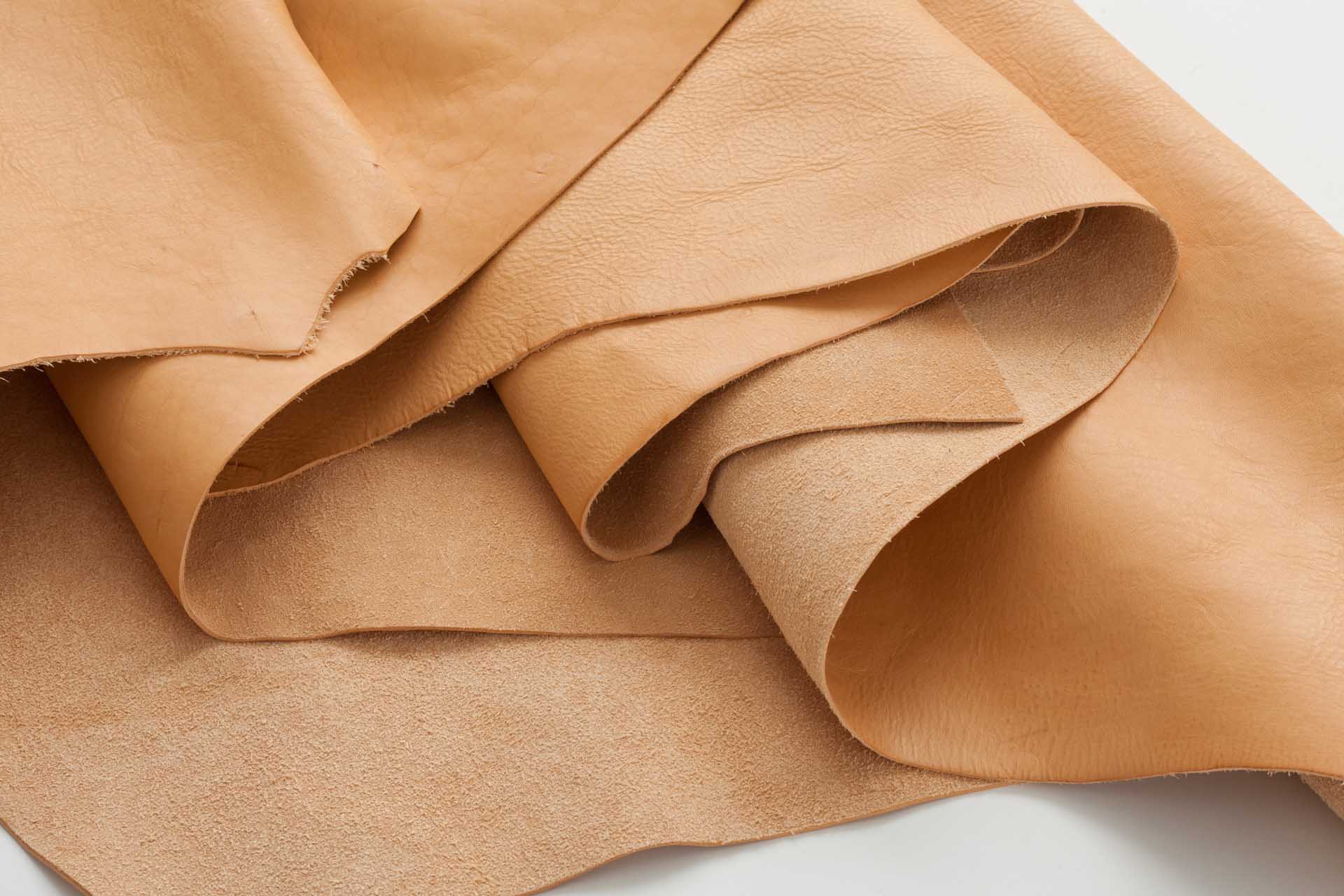
For more than fifty years we have been buying our leathers in the Santa Croce district where cowhide leather, Il Bisonte’s iconic material, is vegetable tanned following ancient procedures that use tannin obtained from tree bark. To produce it, competence and patience is needed. The result is a fine leather: beautiful, resistant, soft and rendered totally unique by its delicate woodland scent and golden patina that covers its surface over time.
LN: How are you inspired for new collections?
For our Heritage collection we have carefully selected some historical models that continue to appeal. Some of them have been in continuous production for five decades. Bags and accessories from the Contemporary collection are inspired by prototypes preserved in our extraordinary historical archive (which includes more than 2000 pieces) and are then reinterpreted with a contemporary twist, exemplifying lightness and minimalism.
LN: You mentioned in an earlier interview that your manufacturing methods are green. Can you give us more background on your green production?
The commitment to safeguarding people and the planet has been part of Il Bisonte’s DNA since it was founded. We put this mission into practice every day, making responsible choices inspired by an authentic and alternative circular economy. We use certified chrome-free and metal-free leathers. Alongside the vegetable-tanned cowhide, the new collections use innovative recyclable and compostable bio-tanned cowhide leather, recycled nylon, organic cotton and linen, and nickel-free metal accessories galvanized with eco-sustainable processes.
LN: How do you communicate your ethos with the consumer?
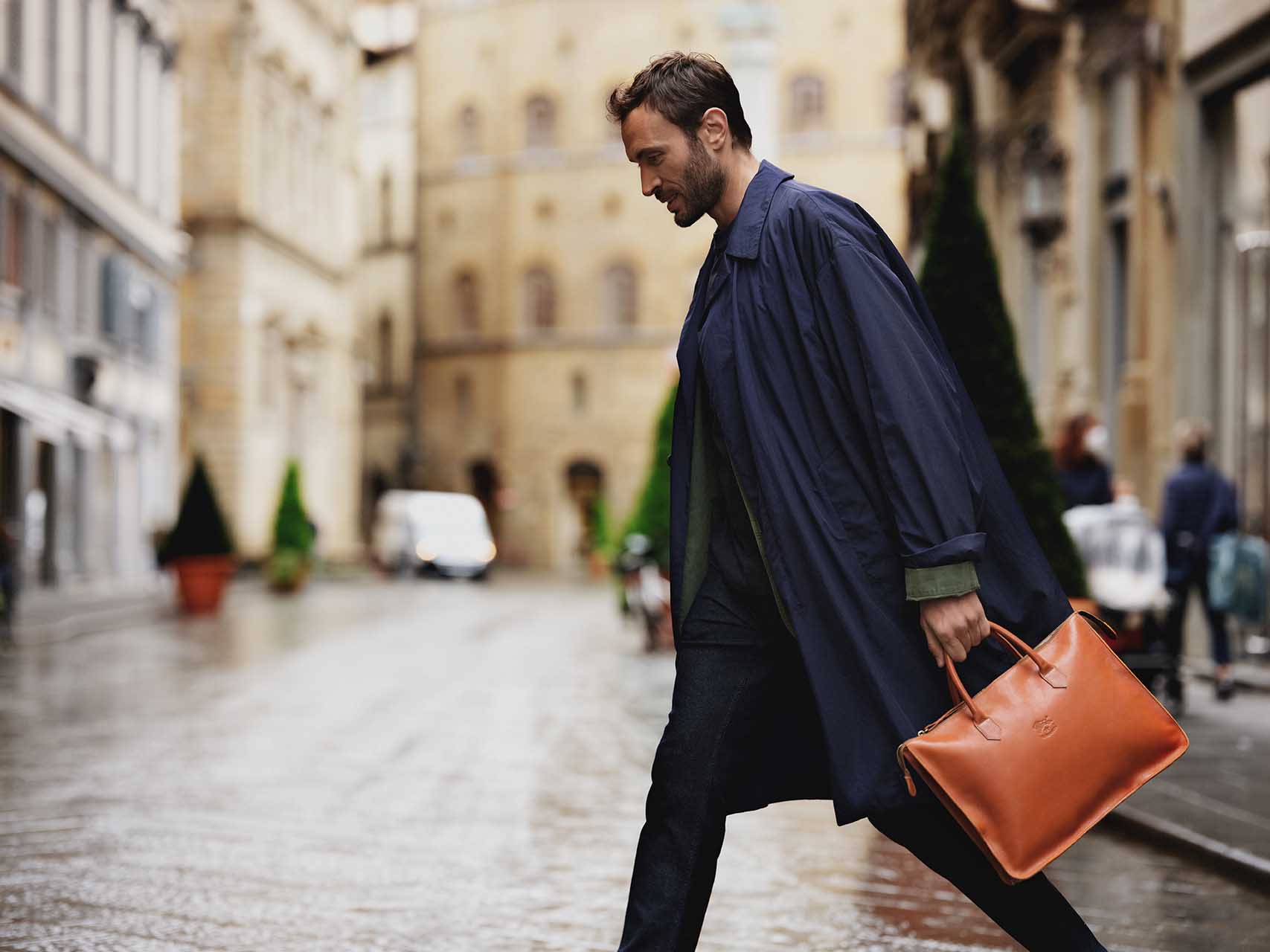
Our products embody the idea of sustainable luxury made with materials responsibly sourced and processed and destined to last a lifetime and to be handed down from generation to generation. We offer our clients exclusive maintenance and repair services by artisans who are in charge of reconditioning our products.
Building a better future for the planet is not something you can do alone. This is why we work hard to involve all those who love Il Bisonte in our sustainability projects. We also do this through our website’s Journal where we tell the stories of people who inspire us. The first was Yacouba Sawadogo, the farmer (2018 Alternative Nobel Prize winner and 2020 United Nations “Champion of the Earth”) who managed to plant trees in the African desert.
LN: What should a consumer know about leather?
Il Bisonte’s customers are attentive and well-informed consumers, with considerable ecological awareness and good knowledge of the raw materials and production processes we use. They know – because we tell them – the stories behind the bags and leather accessories they buy. They appreciate that our leather is recycled and derived from food industry waste and that no animals are killed to produce it. This awareness is the best antidote to both disinformation and the rhetoric of green-washing.
Why do you think leather should be the material of choice for consumers?
Because choosing high quality leather means investing in a durable and sustainable good. And because it is extraordinarily beautiful and offers multisensory experiences that no other material can.

Nike's Jordan Brand Retro Collection Demonstrates the Versatility of Leather
Nike has released a preview of the Jordan brand Holiday 21 collection and it’s everything you want.
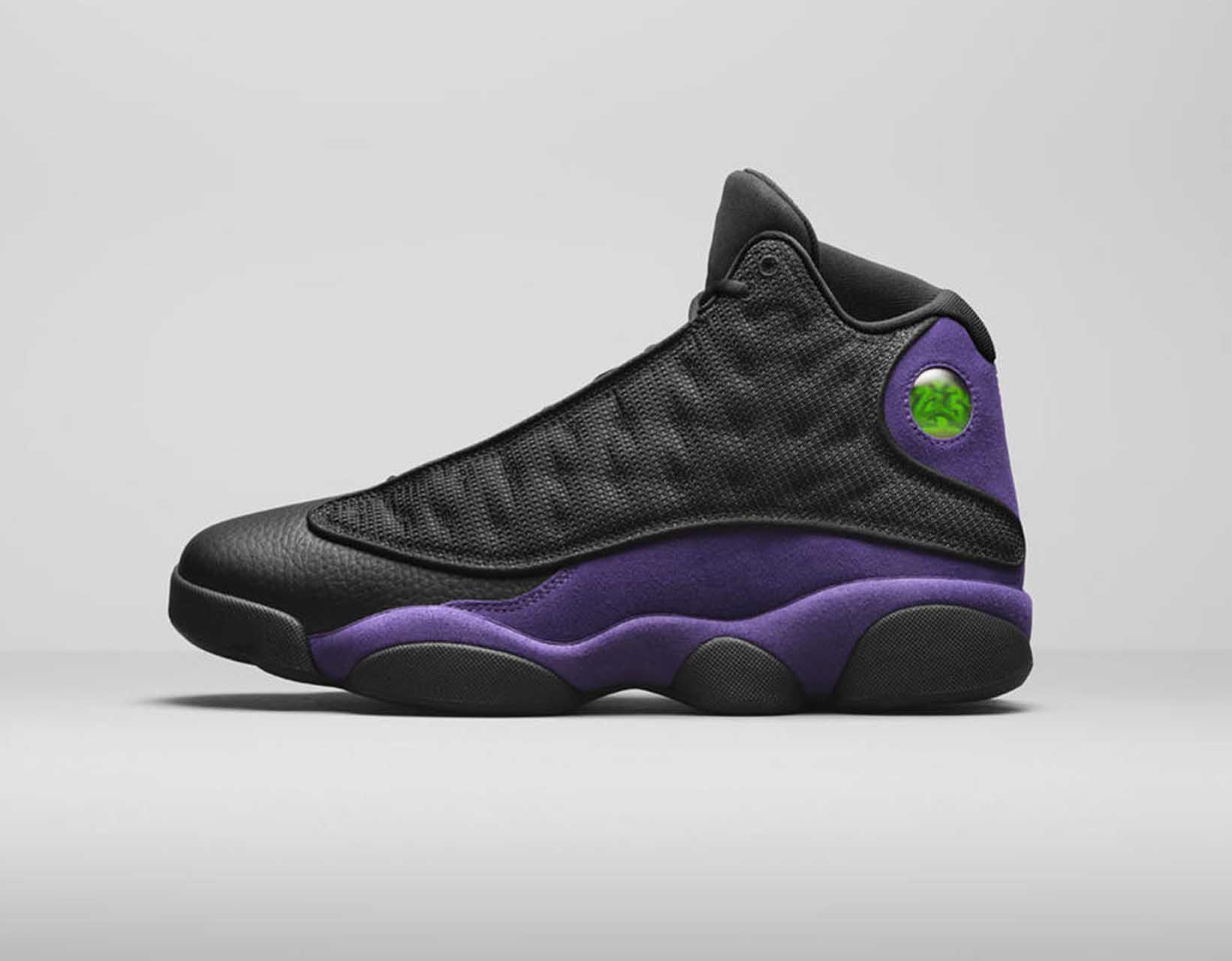
The collection includes multiple sizing options as well as four iterations of the Nike Air Jordan I.
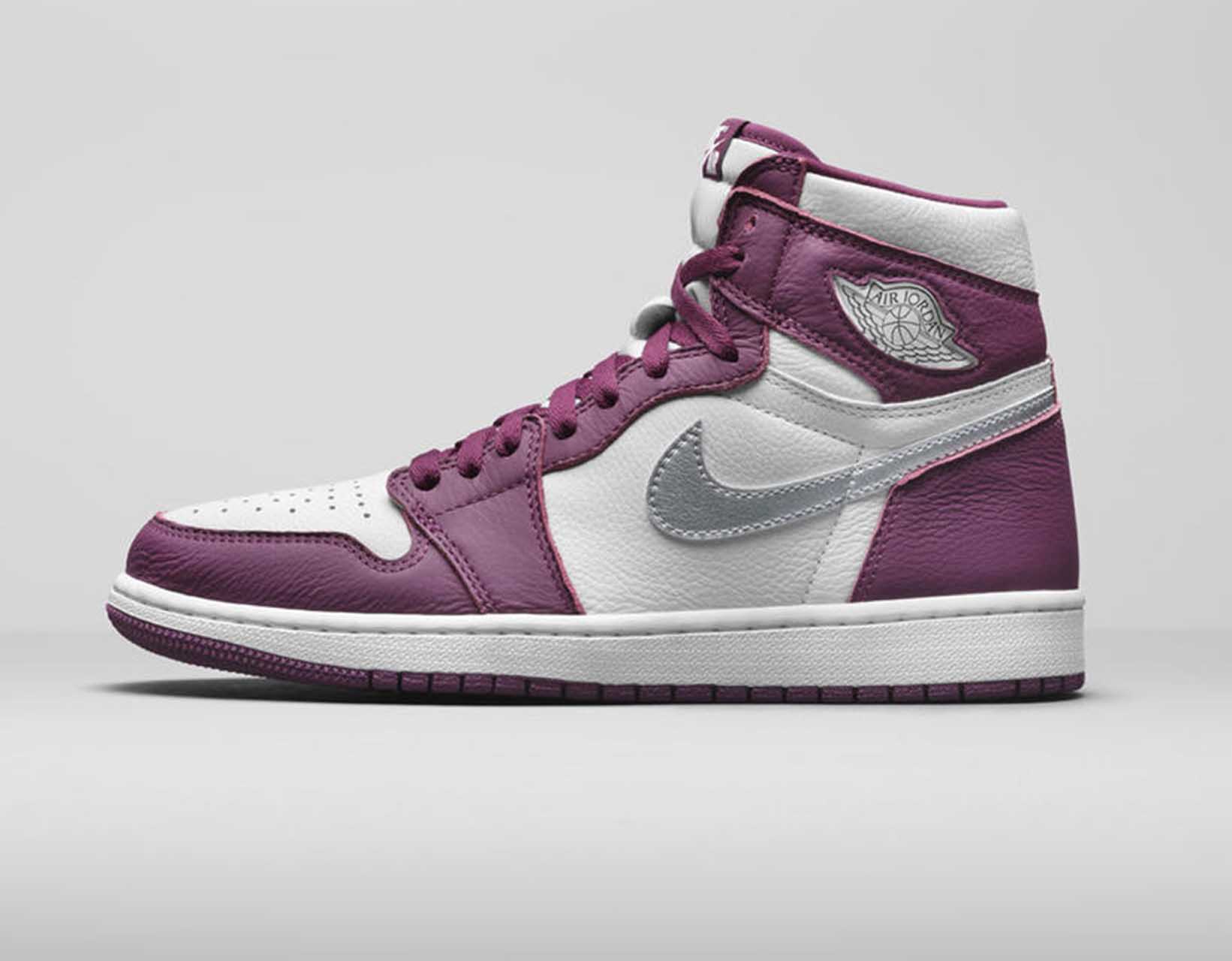
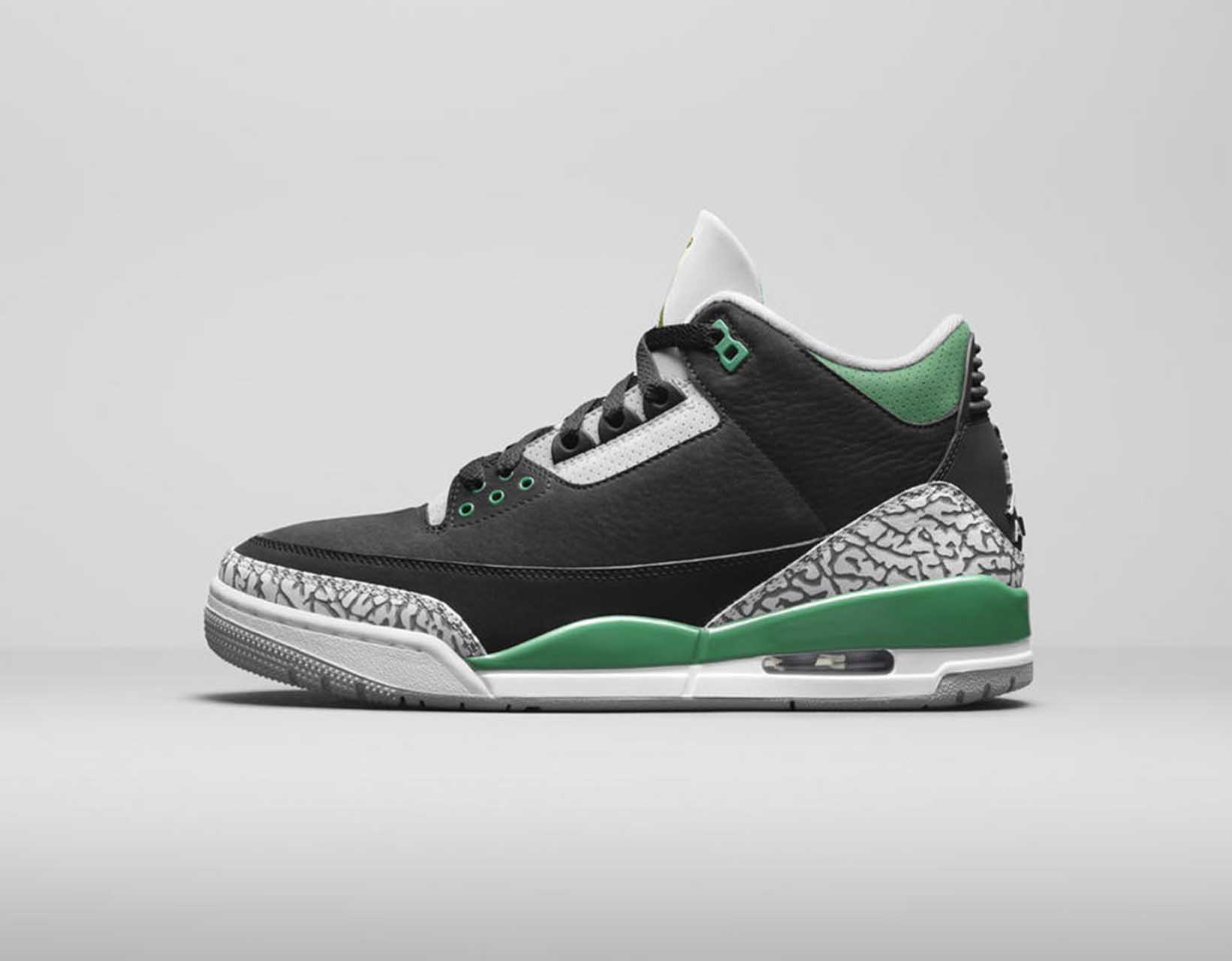
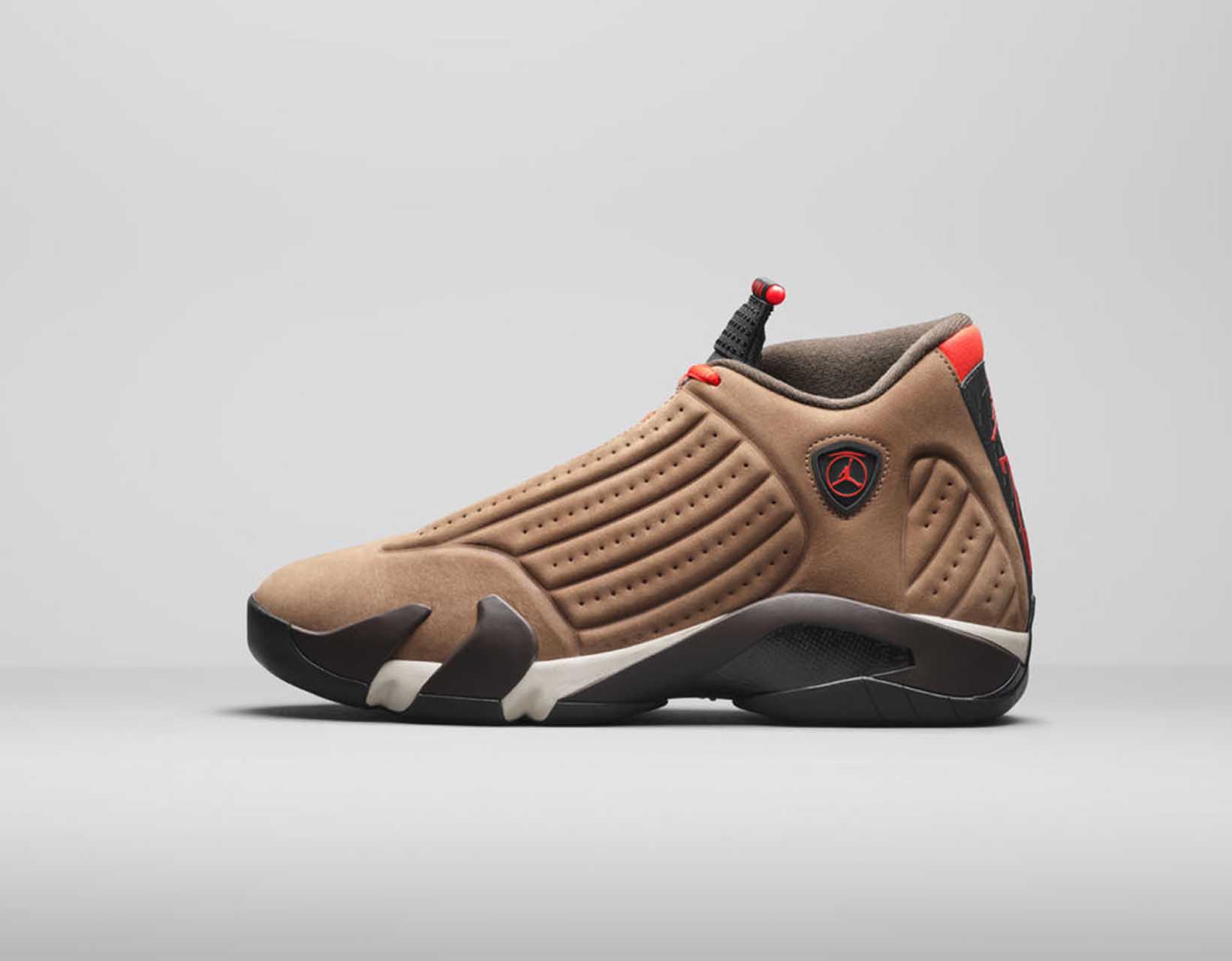
In addition to seasonal colour combinations, the brand has used different leathers to bring distinctive looks and performance features such as the water-resistant winterised suede featured on the Air Jordan XIV Retro.

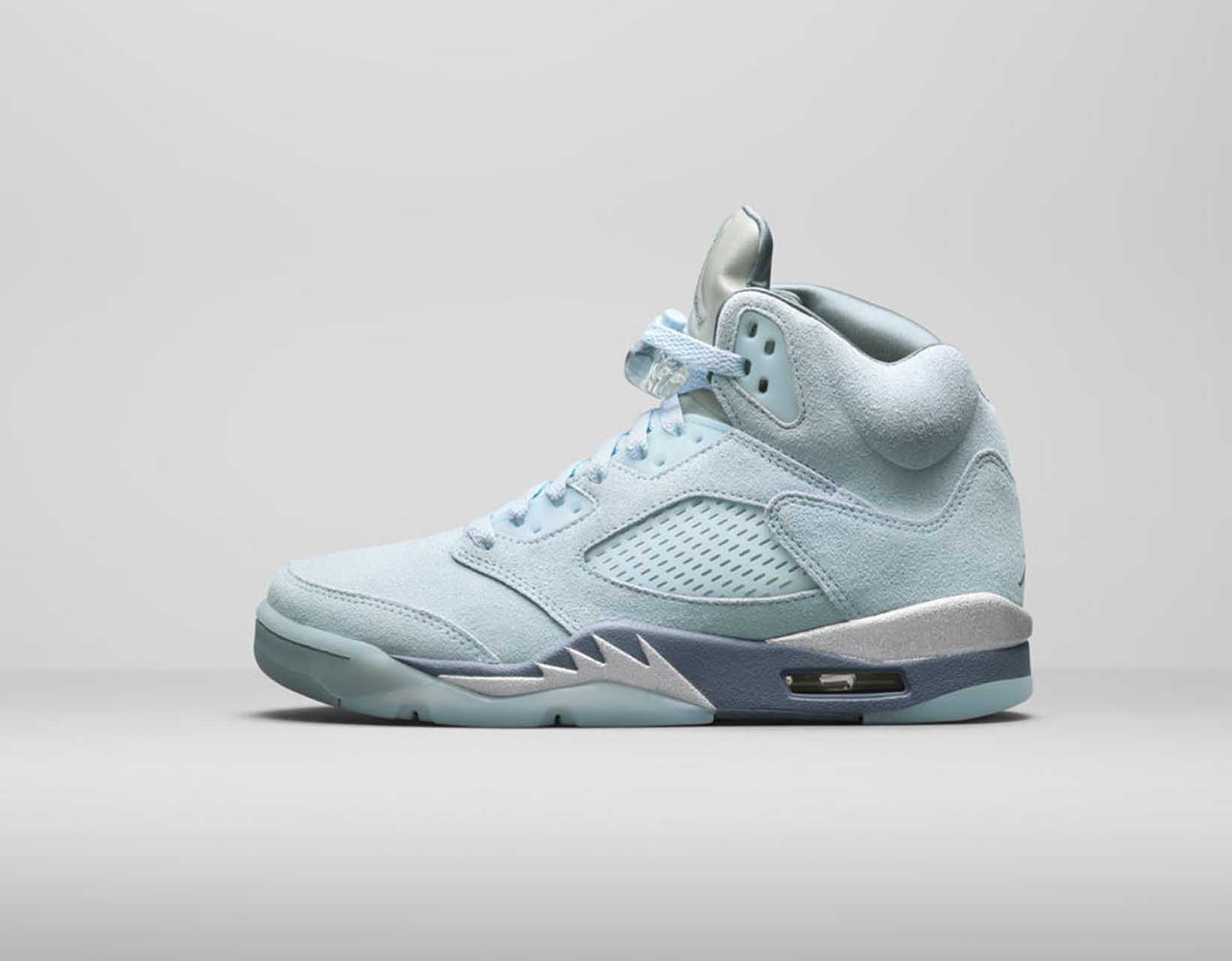
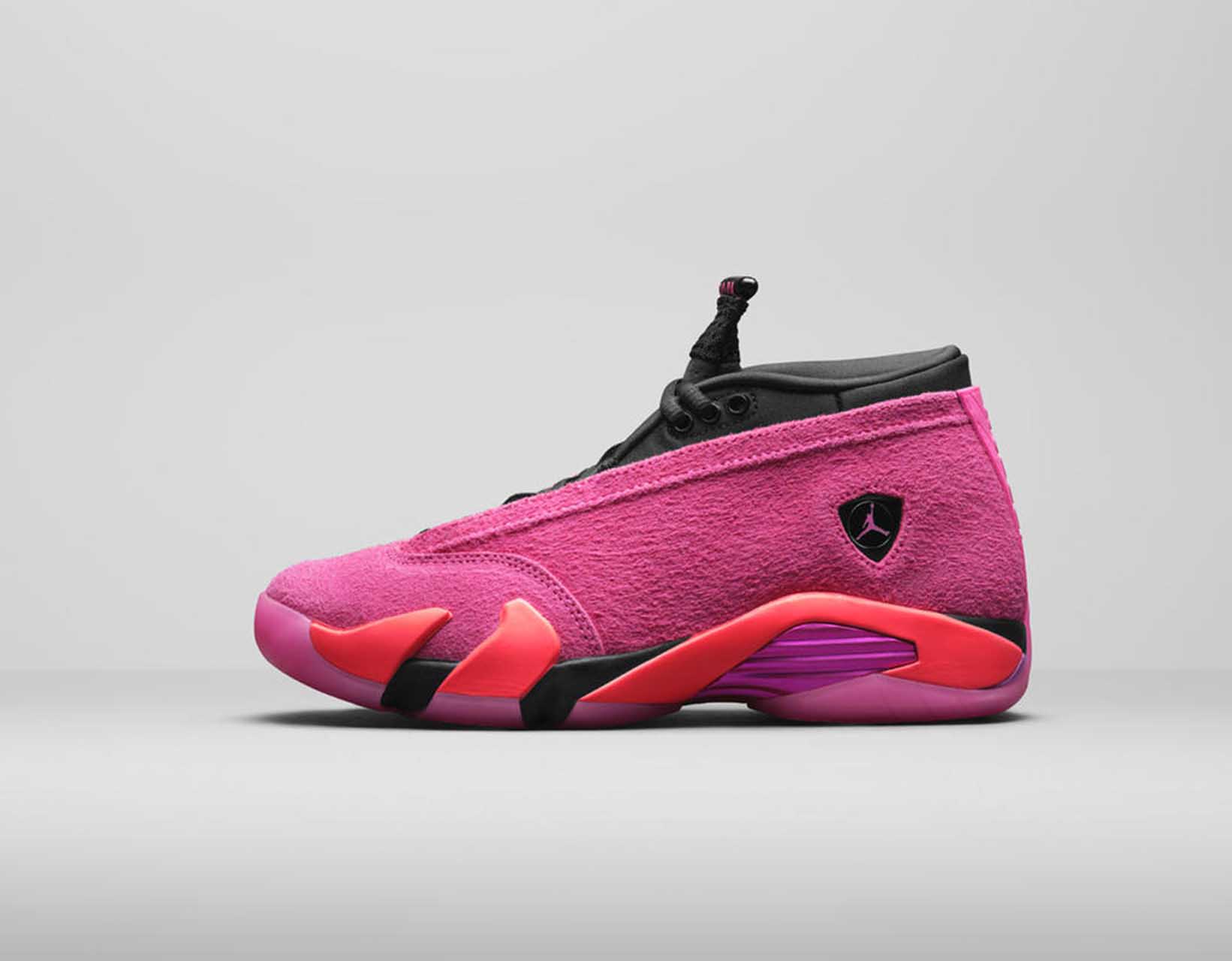
The shaggy shocking pink suede of the Women’s Air Jordan XIV Low is going to put it high on so many wish-lists this coming season, but for anyone looking for a more subtle take on the retro theme, the Women’s Air Jordan I Hi OG combines matte nubuck and patent leather in a partnership of pale pink and navy. The all-nubuck Women’s Air Jordan V is also a classy counterpoint worked in icy pale blue tones.
The Air Jordan V Retro has been specified with a premium leather upper designed to wear to a unique patina over time, demonstrating that although this launch hits the spot for Holiday 21, the shoes themselves will hopefully be worn for a long time.

Buy less, buy better, buy leather.

Daniel Essa
Daniel Essa had to leave Syria and became a refugee. He went to France, built up his own sneaker brand and is now selling his shoes all over the world.
The brand aims to create a purpose driven ethical business model, combining profitable growth with positive contribution to the planet, society, and community. By using sustainable and recyclable elements, the brand produces durable and timeless products that create a long-term change.
The versatile product design inspires customers to express their individuality and celebrate the diversity of the modern communities.
“It’s been my childhood dream to launch my own brand and make a lasting impact in the fashion industry”.
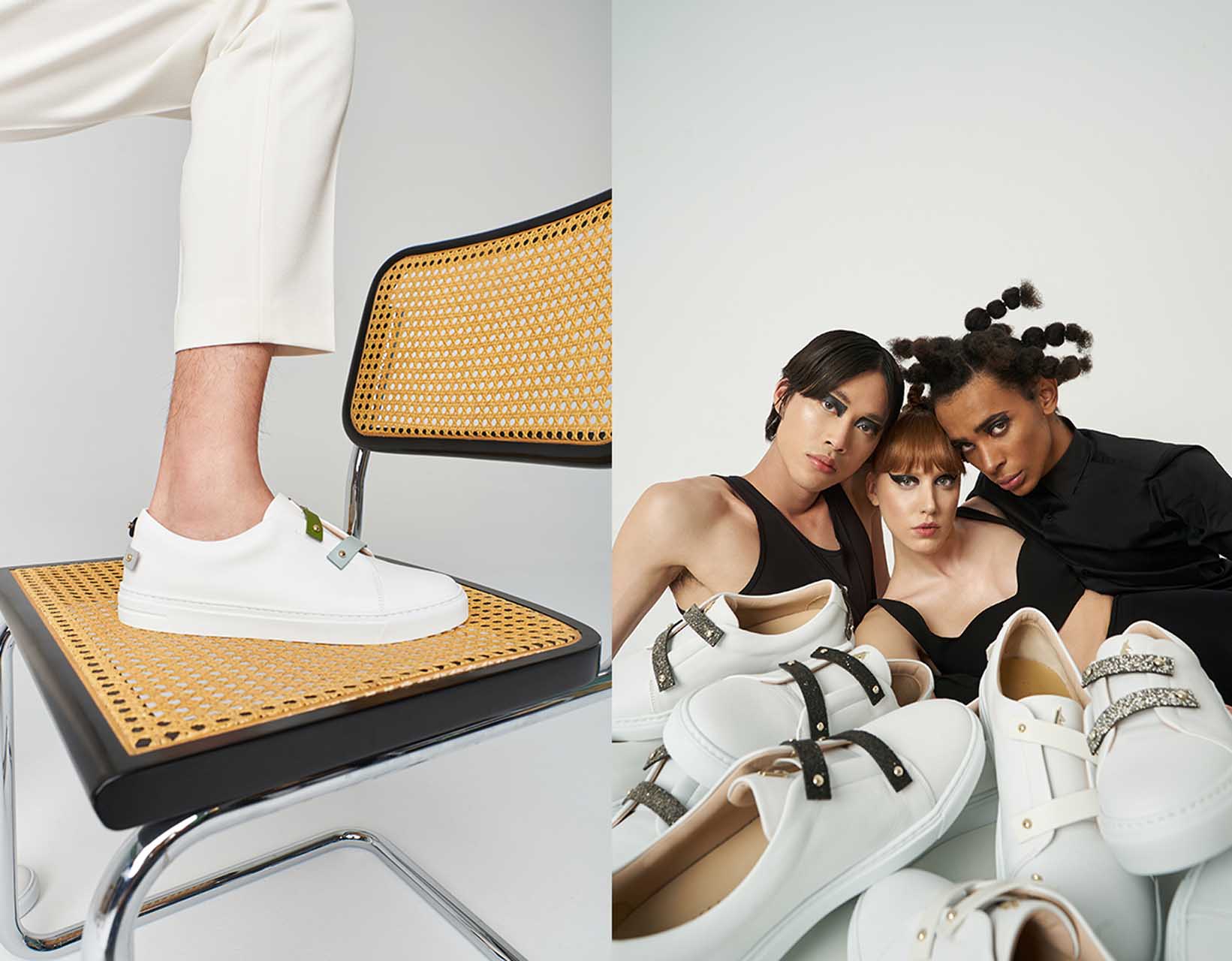
What gave you the idea for a customizable sneaker?
The “Nous” collection comes as an innovative response to the global state of the fashion industry. Following a challenging and unprecedented year, I did a lot of research and I wanted to offer both retailers and clients a safe option with minimal risk. Yet, I wanted to give them something bold and very unique and that’s how Nous was born.
In addition, I wanted to create a product that engages the client. The customizable sneaker allows the client to express their style and individuality in a fun and personal way. They can make the shoes their own and take part in the design process.
The customizable sneakers we offer also reflect our minimal and sustainable approach to fashion. The idea is that you can customize the sneaker for every occasion, every season, and every outfit.
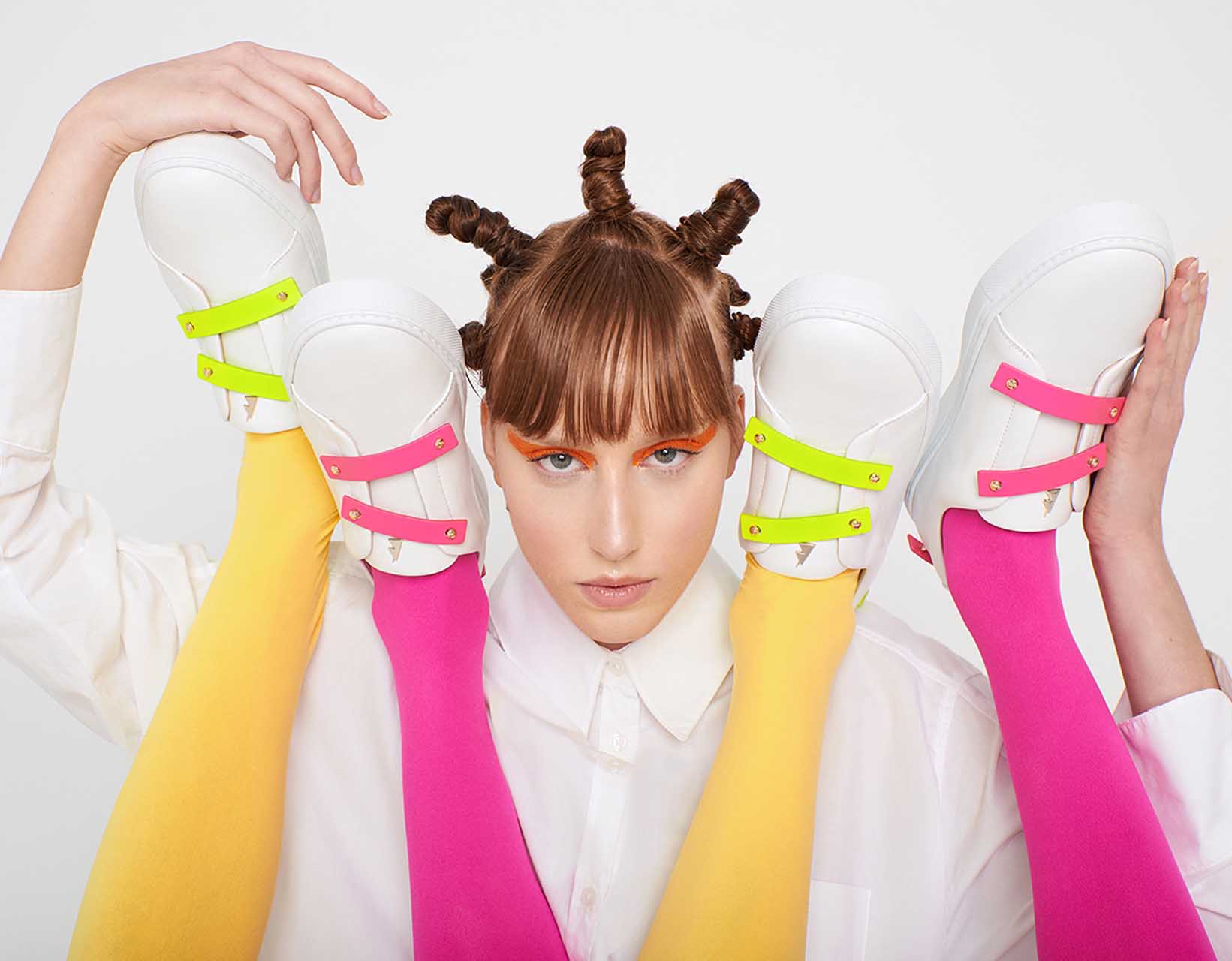
What are the key design principles that are important to you?
Minimalism is part of the brand’s DNA and signature. When I started the brand, my vision was to create a product that is distinctive with its minimal details. I wanted designs that can’t go unnoticed without making them loud. Achieving minimal luxury is challenging because it requires a lot of innovation to maintain a strong brand signature while keeping the shoes durable and comfortable. It’s extremely important that when a customer invests in new sneakers, these sneakers offer them both comfort and functionality and not just a pretty design. I create timeless pieces that are trend-proof and I want them to be an essential timeless piece in every wardrobe and for that to work you must always consider comfort and functionality and never compromise one for the other.
Your aim is to offer more than just a sneaker – can you tell us a little bit more about that?
It’s an experience, it’s a way of life to wake up everyday and look effortelssely good. This collection reflects the brand’s vision to connect with customers on a personal level. We are offering more than just a sneaker. We’re offering an experience that allows customers to instantly personalize their sneakers and transform the shoes for any occasion. We are giving the customer a canva to paint in their own colors and show their unique style.
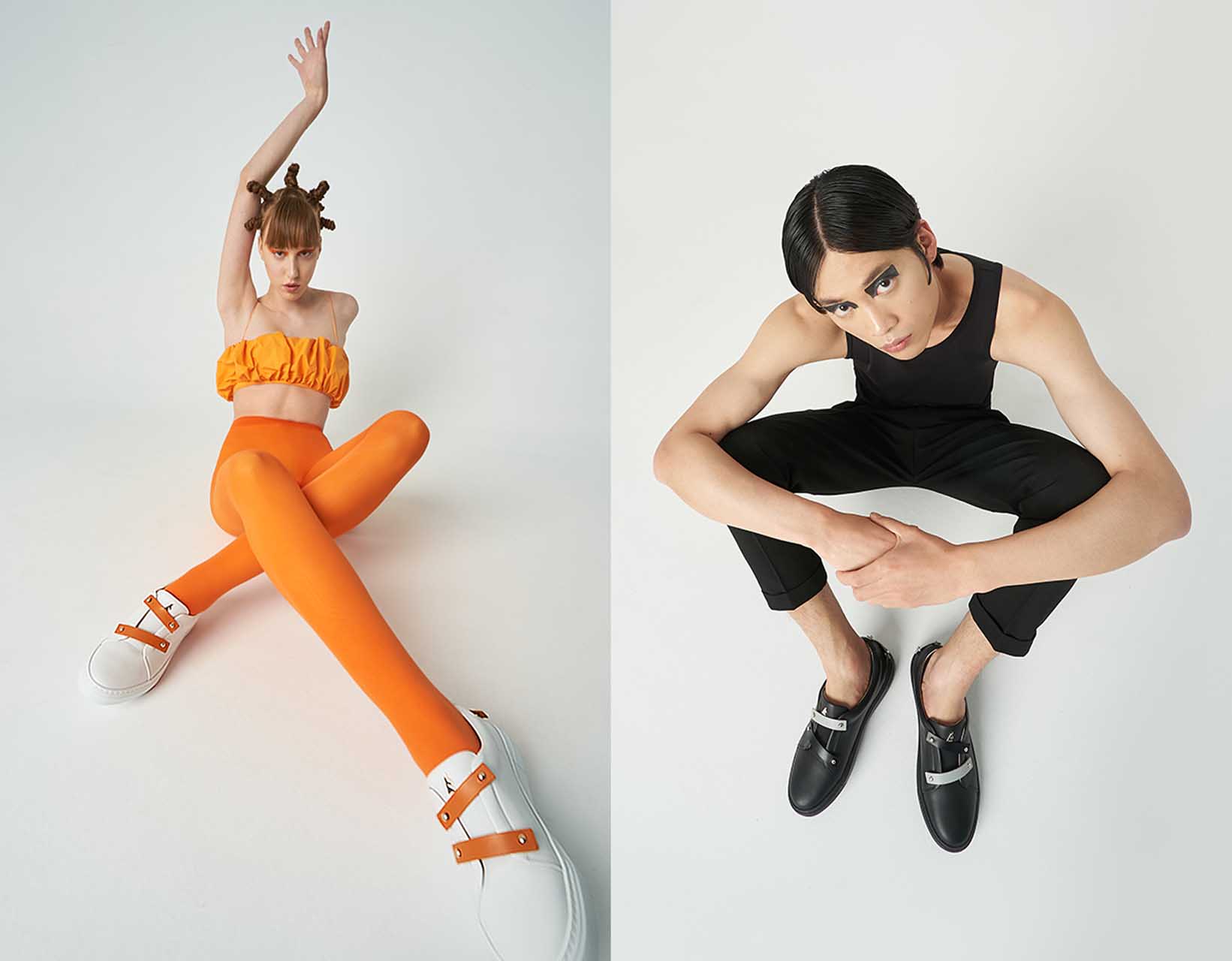
The leather straps are a standout feature – can you tell LN readers something about how they can be used?
The first of their kind “Nous” sneakers feature 8 hand painted leather straps that can be easily changed with the additional strap packs available in a variety of basic and fun colors. We will continue to launch new strap packs every season.
The idea is to wear the same sneaker but make it look different every time and have it match any look or outfit you go for. It’s a way to make dressing up more fun and more versatile. So the idea is to show your unique way of using the straps and highlighting your #NousOfTheDay.
Why is it important to you to use leather for your shoes?
Quality, durability longevity. It’s important to reflect my minimalist and sustainable vision through every detail in the product. And leather is a huge component that makes this vision true, because leather shoes will last you a lifetime and that’s what I am offering my clients. A product for life.
In addition, one of the brand’s signatures is the leather layering technique and how seamlessly we have managed to accomplish that.
Leather is breathable, heat-insulating, stretchy, tearproof and abrasion-resistant and acts a barrier against moisture evaporation. It is also robust, making the shoe more stable and functional. Leather is also eco-friendly as it is a natural material and no harmful chemicals were used to create it.

On your website you take care to explain your values and commitment to sustainability, how does leather fit into this ethos?
Our ateliers in Italy combine traditional techniques with the latest state of the art technology using AI. This technology scans and positions the pattern in a way that minimize the waste of the leather. Our certified leathers are hand tinted minimizing their impact on health and environment during production as well as the recycling and disposal phases.
Our products promote a more sustainable and minimal lifestyle with their design, durability, and high quality. The brand does not follow trends that will fade. I create timeless pieces that are in style now and will be in style for years to come and leather is a core element of this, as it ages so well.
Sustainability is very important to me and considering the planet is a priority for the brand. We are working constantly to improve our sustainability metrics – starting from responsible sourcing of raw materials, to designing, sampling, manufacturing, and distributing our products.
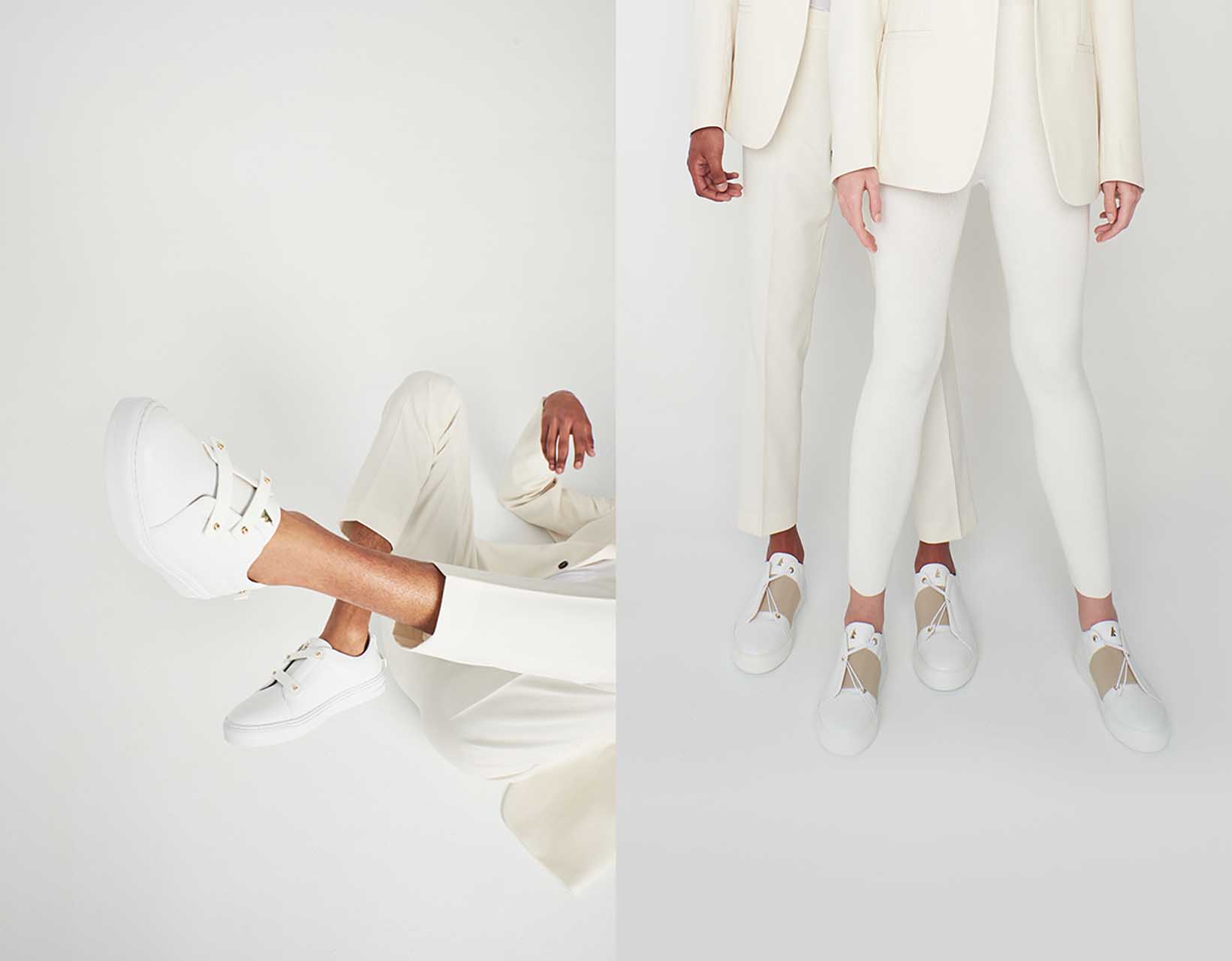
Any future plans you can share with us?
We have many exciting plans in the pipeline. I can’t share much at this point. I will just say that you can expect more than sneakers from Daniel Essa in the near future.
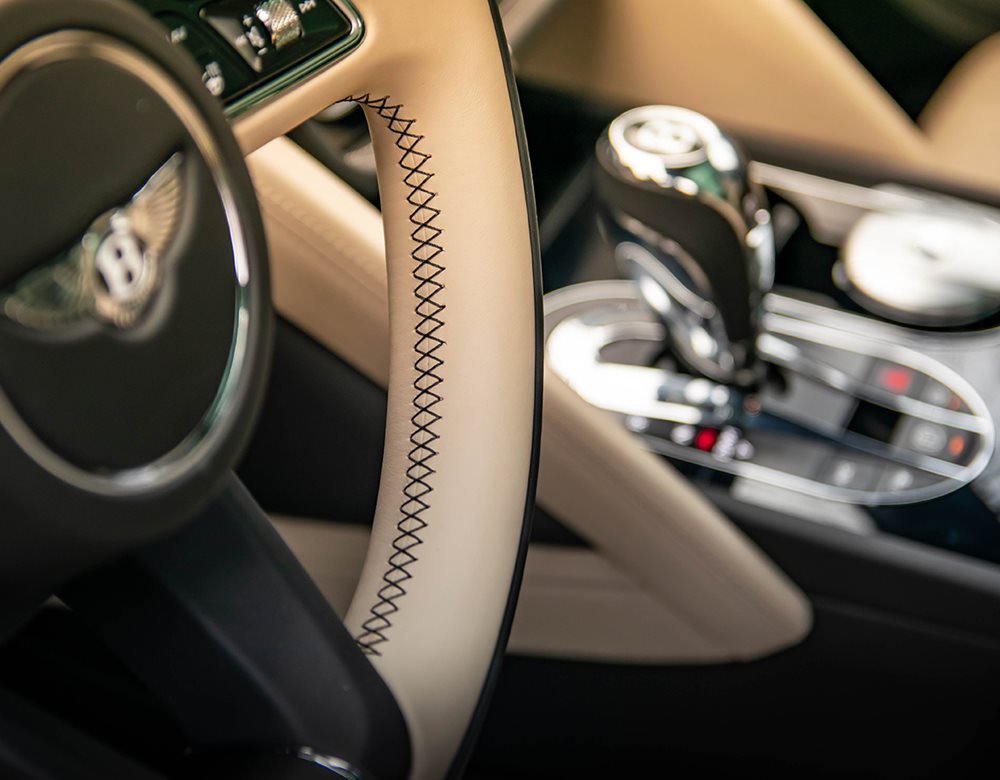
Bentley Becomes First Automotive Member of Leather Working Group
Bentley leads the way for responsible leather use in the automotive supply chain
Leather Working Group has announced that Bentley Motors has become the first car manufacturer to join. The move is part of its ambition to become the world’s most sustainable automotive brand.
Founded in 1919, Bentley is prestigious luxury car manufacturer based in the United Kingdom. They have recently launched their ‘Beyond100’ strategy, which sets out their goals to become carbon neutral by 2030 and lead the way in sustainable automotive luxury by reducing the overall environmental impact of their production processes.
Mark Cooke, Bentley’s Head of Production Purchasing added: “The use of leather and coachbuilding are hallmarks of our hundred-year-old history. Our cutters and trimmers are experts in their fields and the fact that so many of our heritage models still exist with their original interiors, demonstrates the longevity of leather as a core material to us. As the first automotive member of the LWG, we look forward to working with the group to actively shape the future of sustainably sourced leather in our sector.”
The Leather Working Group (LWG) is a membership organisation composed of over 1300 members across the leather value chain, including leather manufacturers, brands, suppliers, traders, and associations. The group develops audit certification standards to assess the environmental performance of leather manufacturing facilities and promotes responsible practices in the leather supply chain. For more information about the Leather Working Group, please visit the LWG website: https://www.leatherworkinggroup.com/
Photo – Editorial credit: Gabriel Nica / Shutterstock.com

Debunking The Methane Myth
A new animation from Meat & Livestock Australia presents a clear explanation of the carbon cycle.
Meat & Livestock Australia has created a simple animation that explains the difference in the environmental impact of methane from cows and carbon dioxide from fossil fuels.
Methane is part of the natural carbon cycle that after 12 years breaks down into natural CO2 and water. Grass absorbs the CO2 by photosynthesis and the cycle starts again. CO2 from fossil fuels is new and does not come from this natural carbon cycle, so remains in the atmosphere for potentially 1,000 years.
The difference between methane from livestock and CO2 from fossil fuels is widely misunderstood and misreported – this animation makes it easy to understand.
Read the full story here
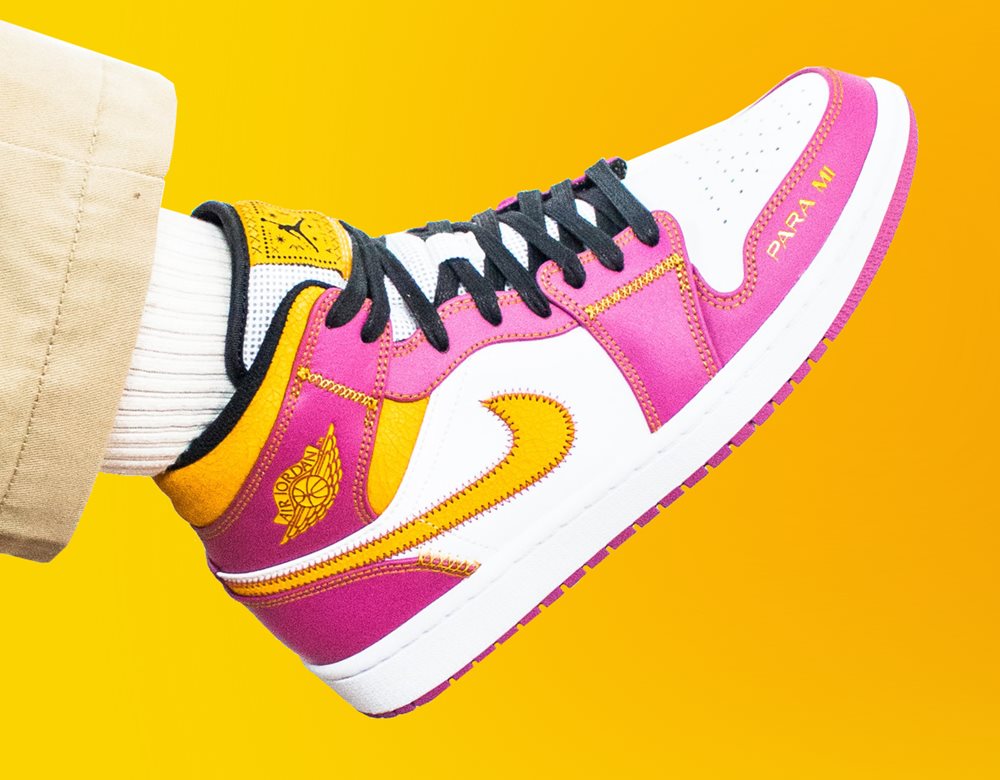
Sneakerhead Dreams
Nicola Davies searches out the best sneaker customisers in London
Trainer connoisseur Nicola Davies, by her own admission is not a designer, nor does she have any customisation skills, so her quest for unique product that no one else owns has drawn her to seeking out second hand gems and the art of customisation.
She has developed an appreciation for custom skills, which involve not only working with leather and recreating constructions, but ensuring every customer gets the correct fit.
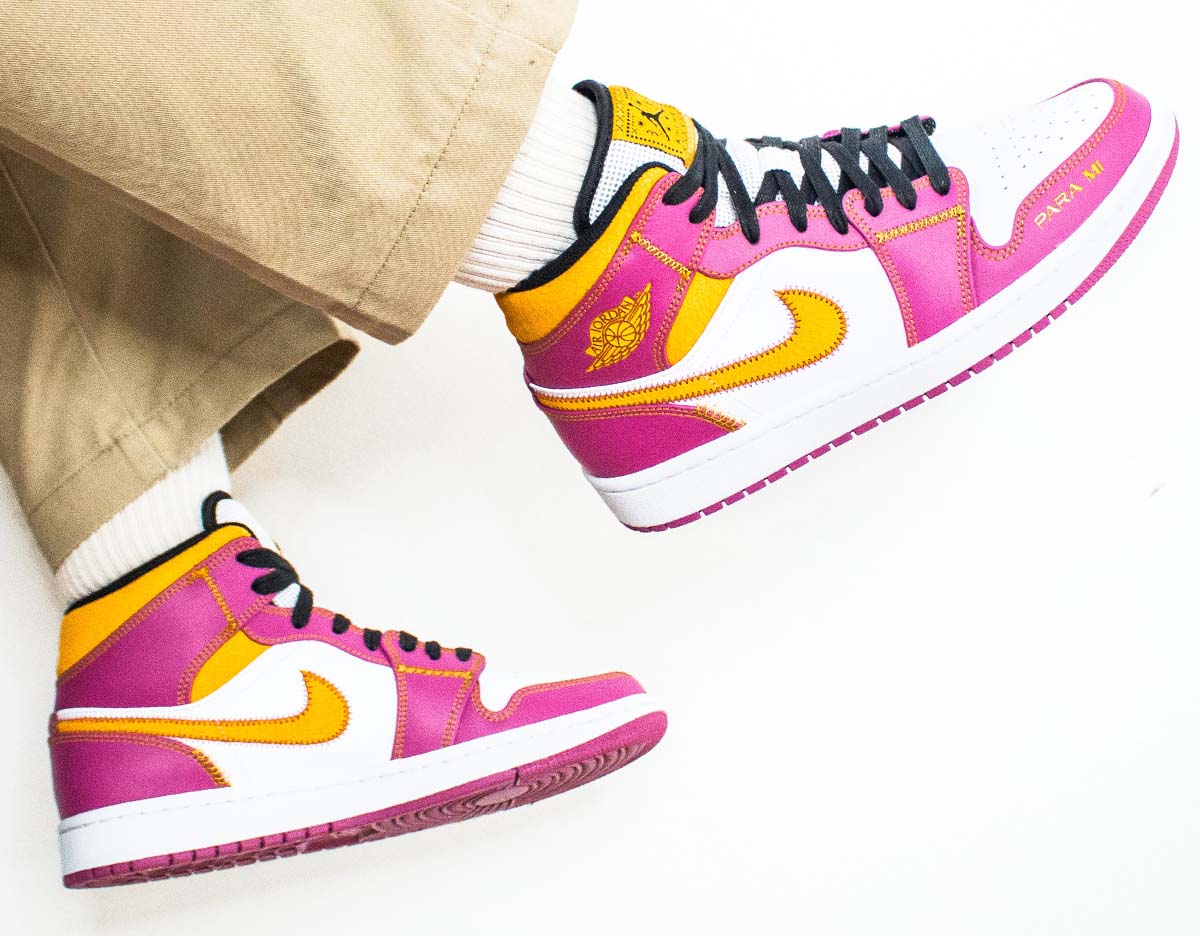
“But what customisation actually entails is very broad. It could be anything from reconstructing leather components, to painting, to using specialist sharpies, to embroidery or even stencilling. It’s the latest frontier in DIY culture that’s taken over Instagram feeds and sneakerhead dreams.”
Nicola’s list of must-see custom artists includes Nash Money, Helen Kirkum and Afro Kickz. You can read the full article, together with profiles of these taken artists over on Choose Real Leather
Nicola believes that this scene can only grow, “I think that more customisers will start moving onto creating their own shoes from scratch. The sneaker scene will definitely become more diverse.”
Image: courtesy of Choose Real Leather
chooserealleather.com
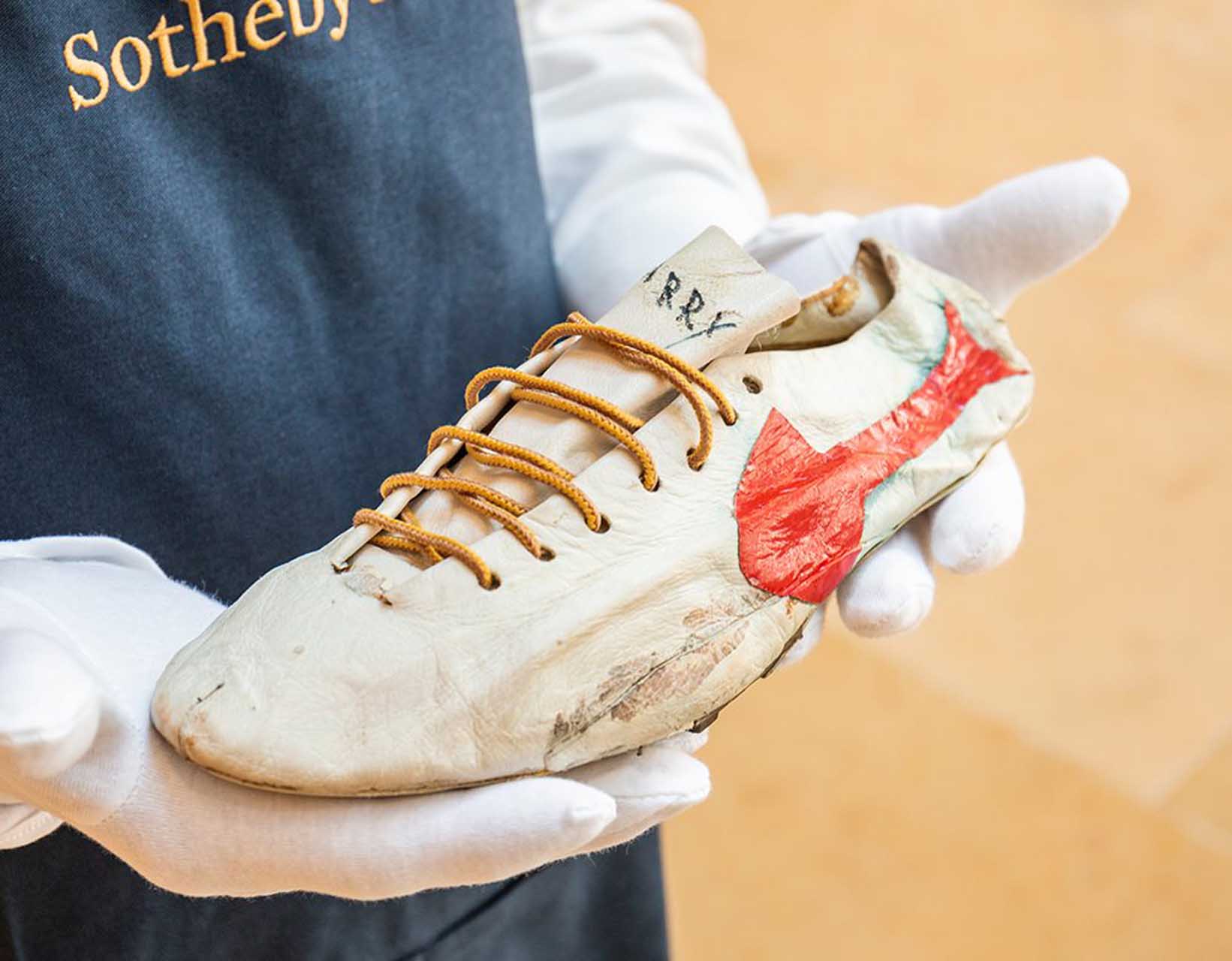
Sotheby's Auction Iconic Track Shoes
As the Olympics open on 23rd July 2021, so does bidding on a pair of rare prototype Nike track shoes.
The shoes, were made by Nike co-founder Bill Bowerman for Canadian Olympian sprinter Harry Jerome.
Bowerman is of course known for his obsession with creating the perfect running shoes and his subsequent invention of the waffle sole, the inspiration for which came from his wife’s waffle iron. It was an innovation which was to redefine athletic footwear.
The shoes on auction comprise a leather upper, which was produced in the sixties and a sole unit that was added as a modification by Bowerman in the early seventies. Under each set of track spikes the shoes feature the waffle sole that was premiered by Nike in the Moon Shoe in the 1972 Olympic trials.
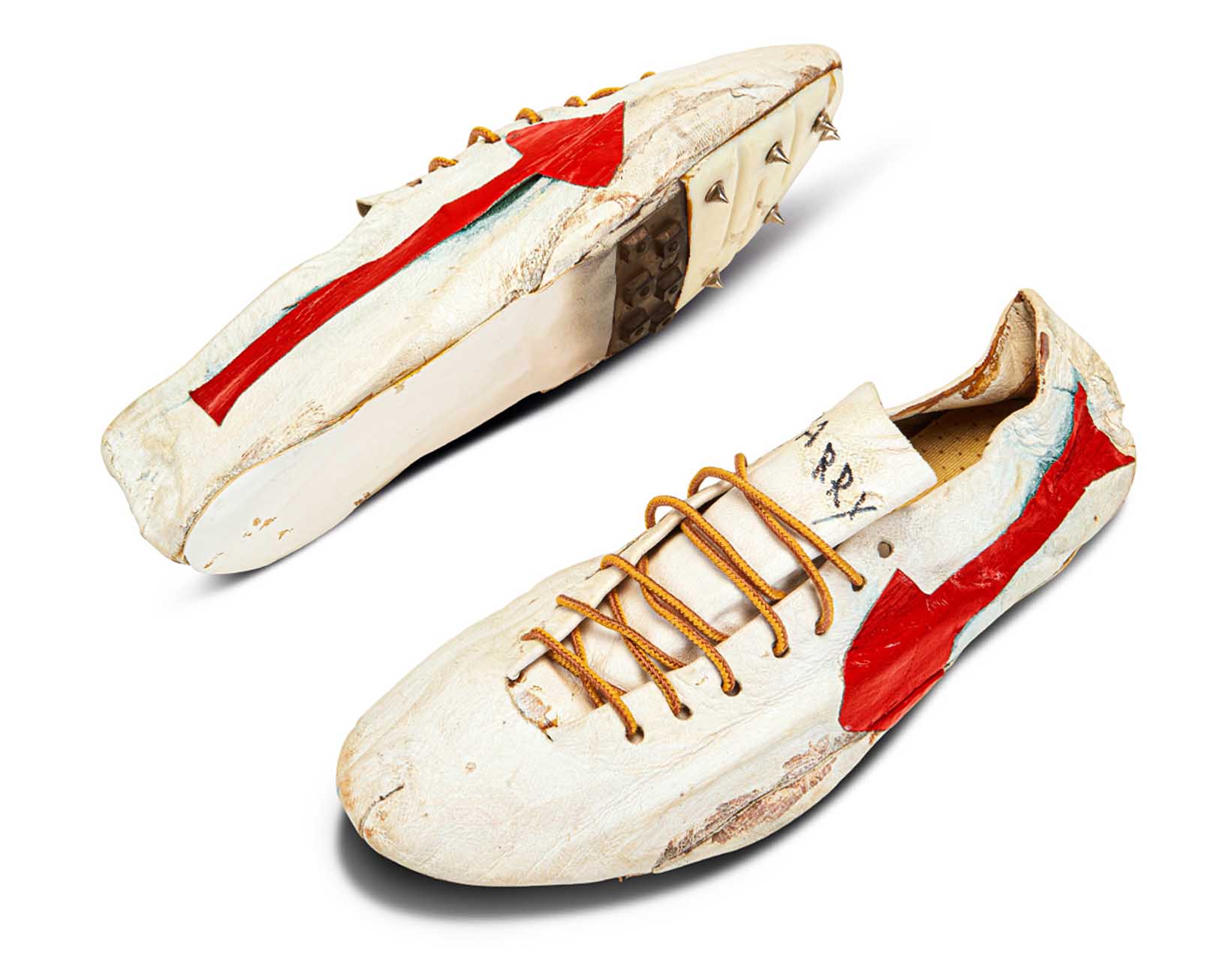
Harry Jerome not only set seven world records, but notably won a bronze medal for Canada in the 1964 Olympics, which were also held in Tokyo.
Bill Bowerman prototypes are incredibly rare and the shoes are expected to reach between US$800,000 and US$1,200,000
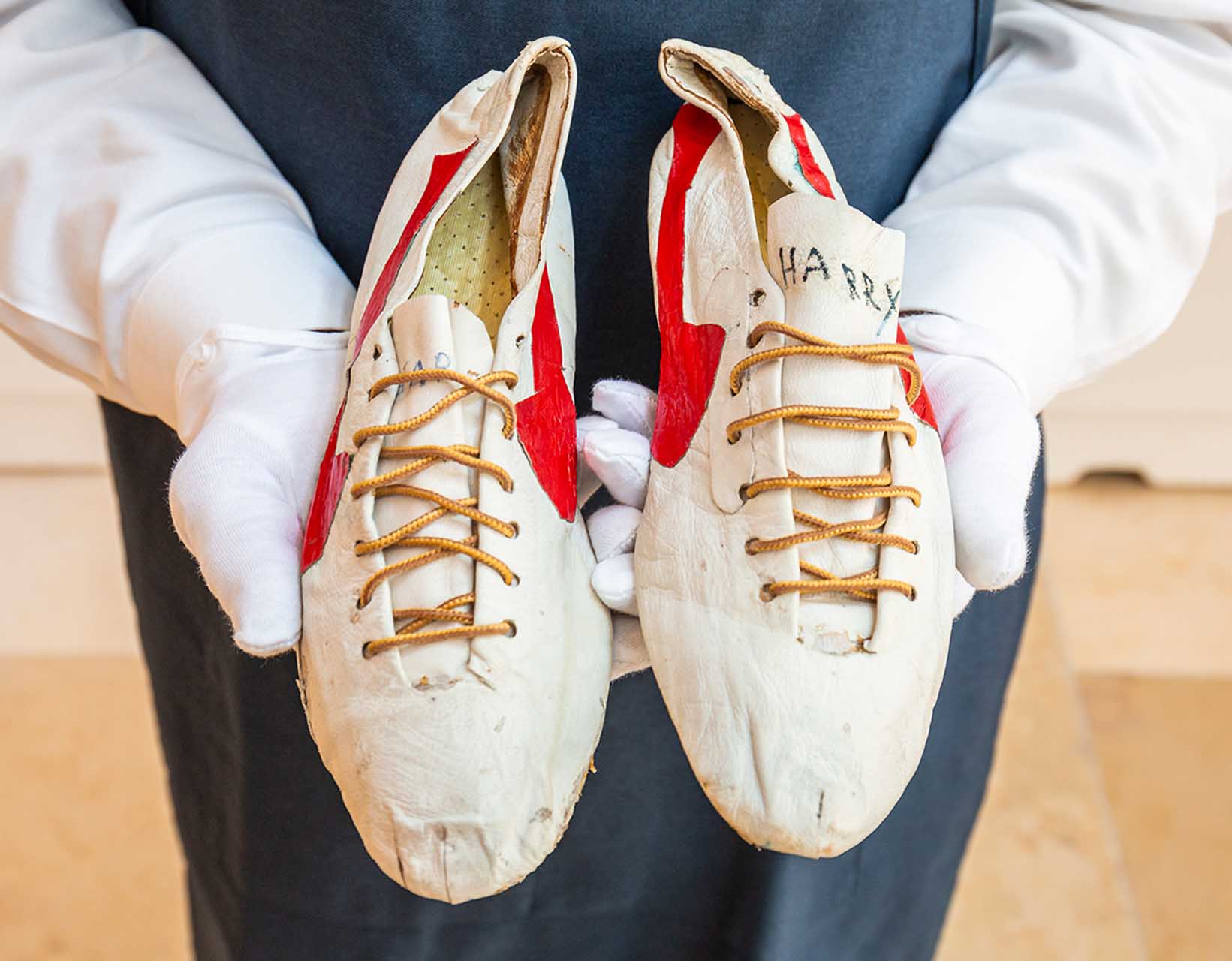
Tempted? You can view Sotheby’s Olympics Collection auction, (which also includes Michael Jordan’s 1984 Olympic Trial shoes) here.
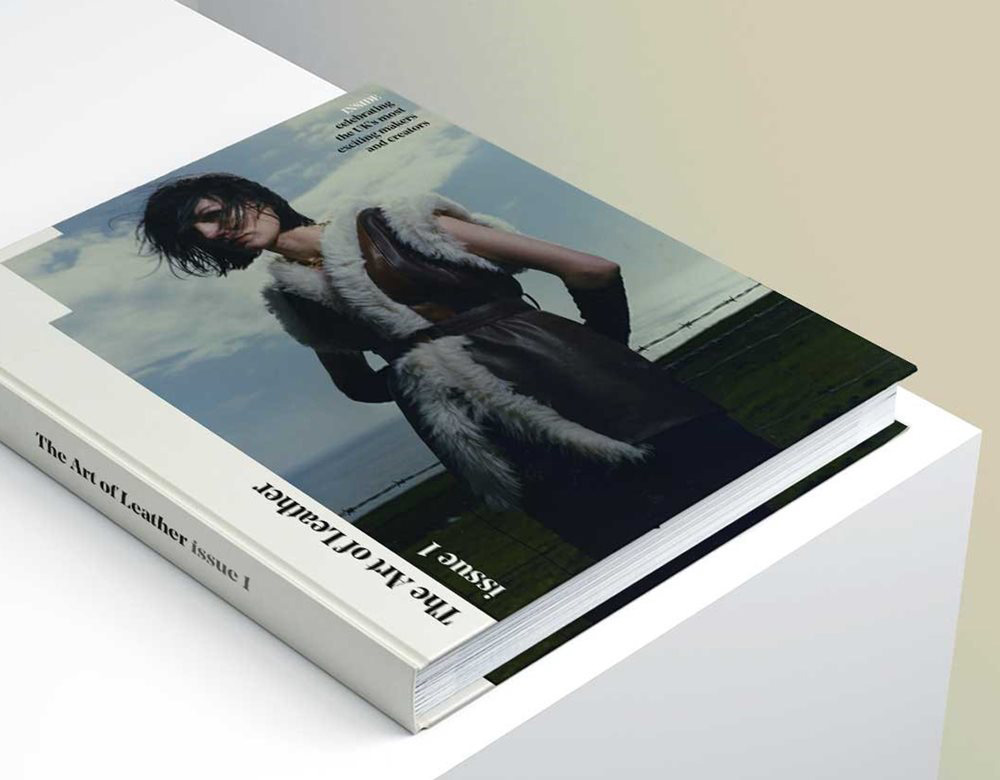
Leather UK Launches Online Showcase
An online magazine that will inspire and inform about the exciting leather makers and creators working in the UK today.
The collection, the “Art of Leather” is a glossy, magazine-style online publication that introduces readers to some of the most talented artisans working in leather clothing, jewellery, accessories, interiors, art and more, whose highly desirable works are available to purchase or who can be commissioned directly.
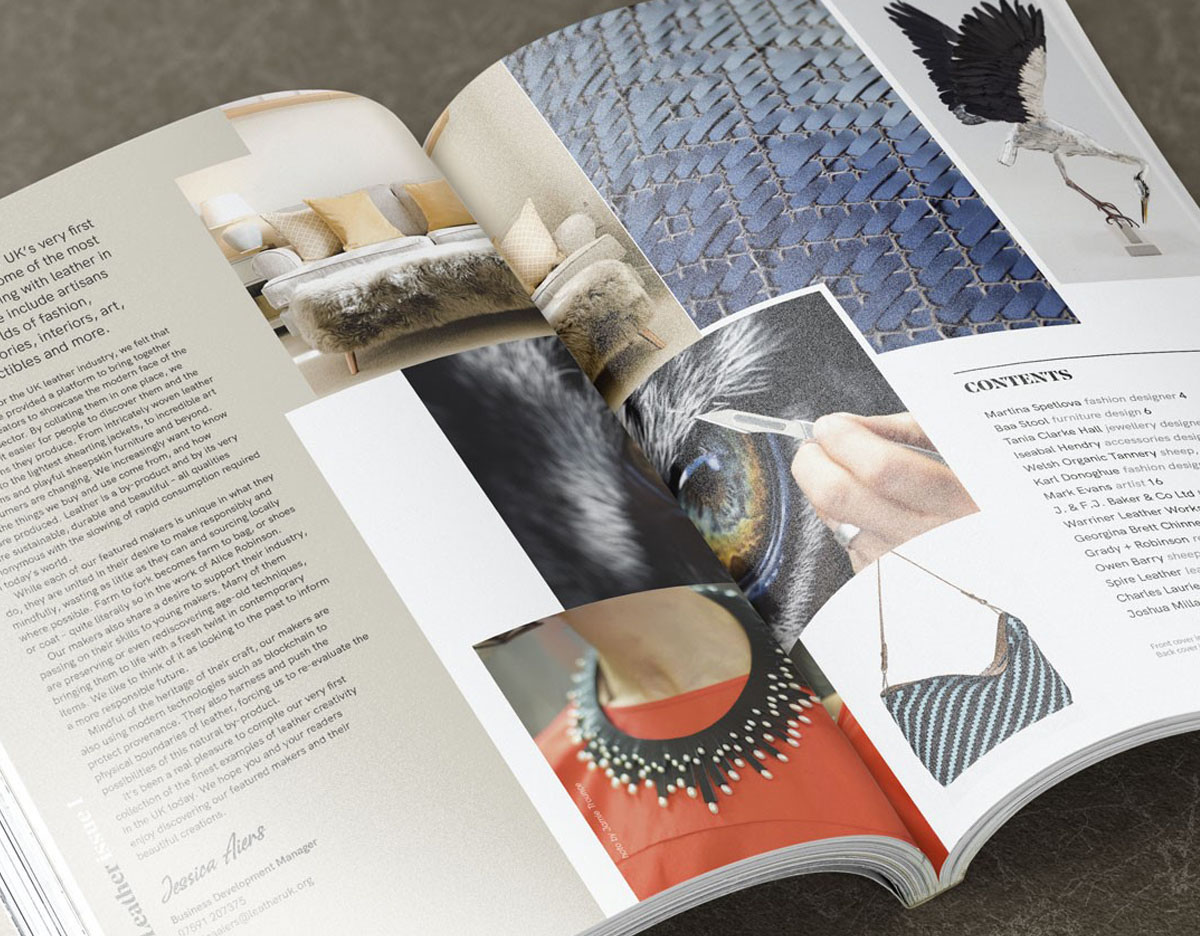
Featured in the launch issue of the Art of Leather are:
- Martina Spetlova – fashion designer
- Baa Stool – interiors
- Tania Clarke Hall – jewellery designer
- Iseabal Hendry – accessories designer
- Welsh Organic Tannery – sheep, goat and deerskin tannery
- Karl Donoghue – fashion designer
- Mark Evans – artist
- J. & F.J. Baker & Co Ltd – traditional oak bark tannery
- Warriner Leather Works – leather artisan
- Georgina Brett Chinnery – leather artist and sculptor
- Grady + Robinson – regenerative farming fashion design
- Owen Barry – sheepskin fashion and interiors
- Spire Leather – tannery
- Charles Laurie London – leather artisan
- Joshua Millard – fashion designer
The Art of Leather is a must-read for anyone wanting to know more about the vibrant scene of innovative artisans and artists whose work and ethos is representative of an exciting new direction in leather-making, where creativity thrives in harmony with responsible, ethical production.
Explaining the Art of Leather initiative, Jessica Aiers, Leather UK business development manager says: “The leather sector is full of amazingly talented makers, creating objects and works of great beauty. However, unless consumers are in the know, it can be hard to know where to find them. It is an important part of our role at Leather UK to ensure that our members are better known and this first ever issue of the Art of Leather is a platform to do just that.
She continues: “While each of our featured makers is unique in what they do, they are united in their desire to make responsibly and mindfully, wasting as little as they can and sourcing locally where possible. Farm to fork becomes farm to bag, or shoes or coat. Consumers increasingly want to know how the things they buy and use are produced. Leather is a by-product and by its very nature sustainable, durable and beautiful. We hope the Art of Leather shows consumers that it is possible to purchase leather with an easy conscience.
Download your copy of The Art of Leather here
https://leatheruk.org/downloads-and-resources/the-art-of-leather-series/

Coach Forever
Coach is a brand long associated with premium leather and now its Upwoven bags are an exciting concept on the journey to zero waste.
The Coach Forever 2021 collection debuted online in a presentation that showcased styles beyond the runway and worn by a global cast that included Kaia Gerber, Kate Moss, Debbie Harry, Kiko Mizuhara, Jeremy Lin, Megan Thee Stallion and Cole Sprouse.
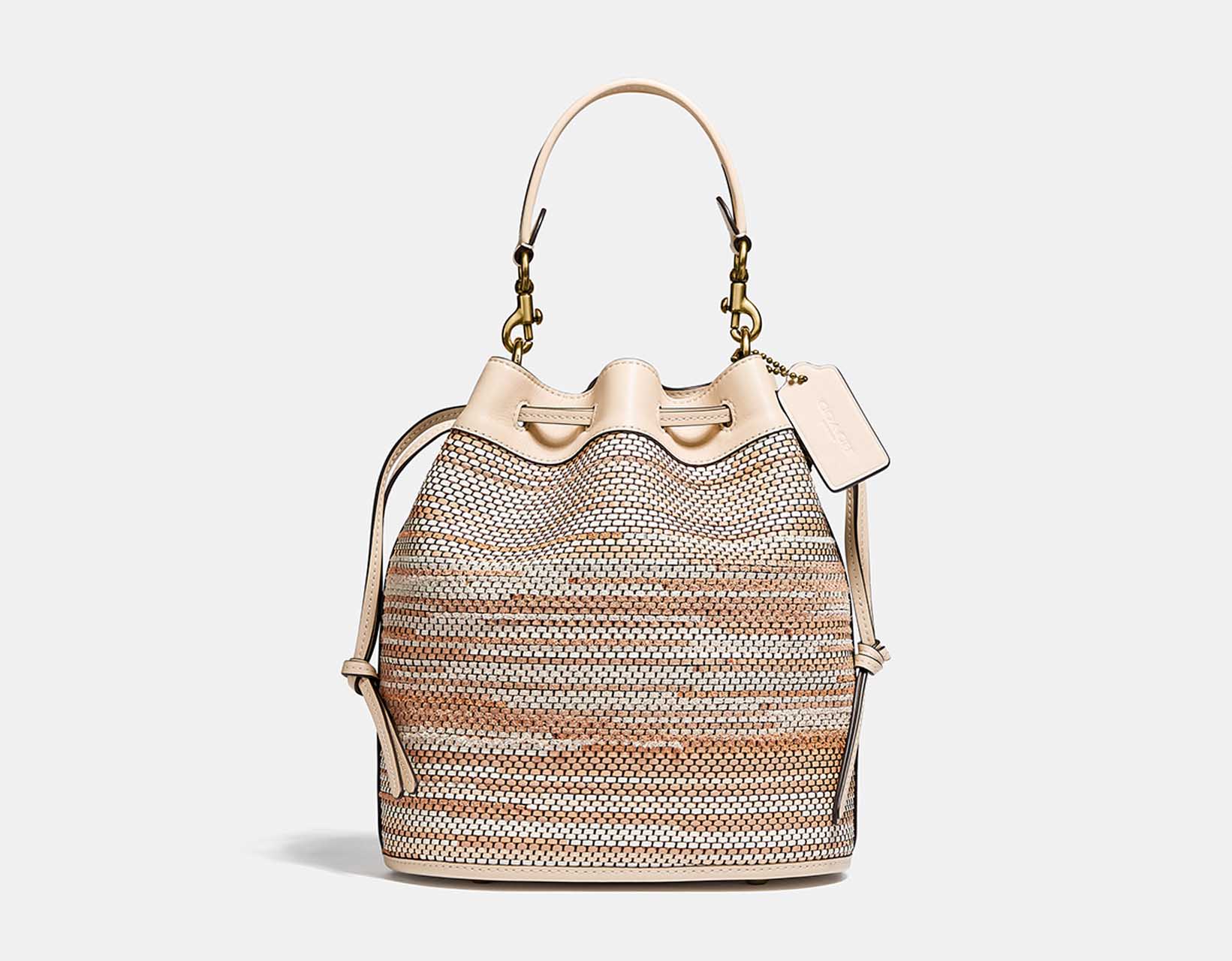
Coach bags have a legacy of leather, craft and community and this is a collection that looks towards a more mindful future of quality things, made to last and be passed down.
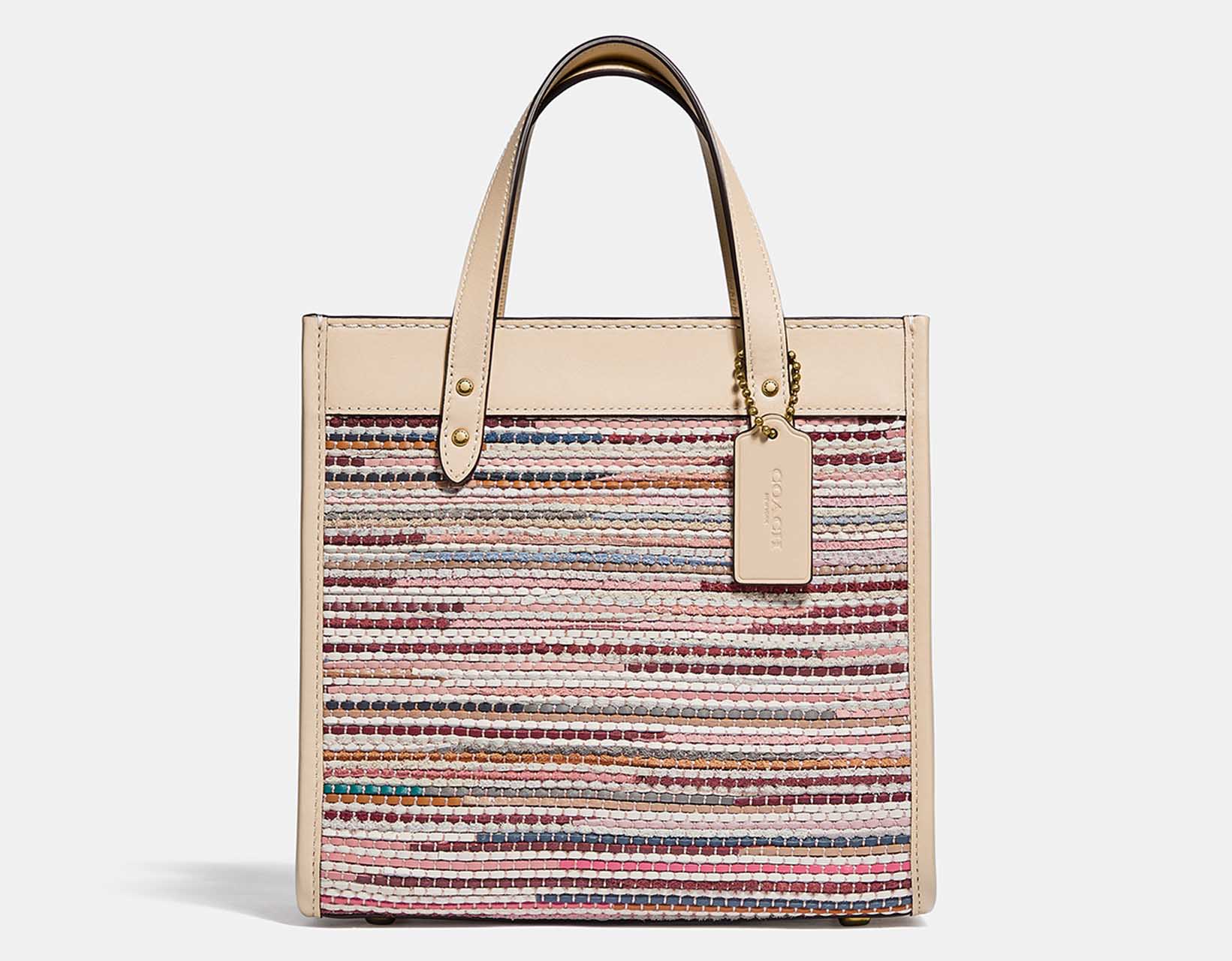
The Upwoven styles that form part of the 2021 collection are an innovative use of remnant leather strips, woven together to create a unique new material. It is a fresh, luxury take on how leather can play an important role in reducing impact and maximizing resources, while still creating truly covetable products, designed to last.
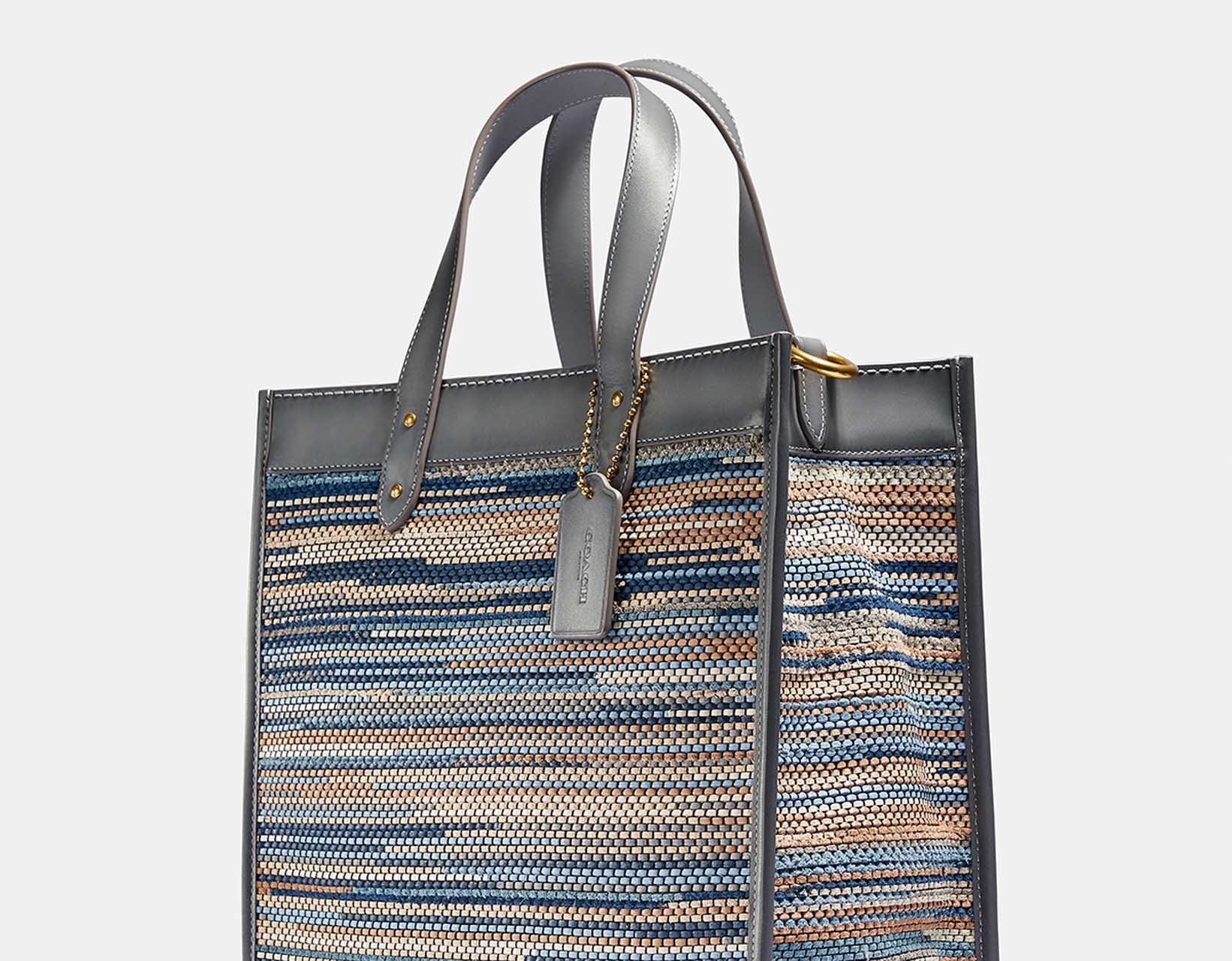
Watch the video of the weaving process here, it is mesmerizing!