


Daniel Essa
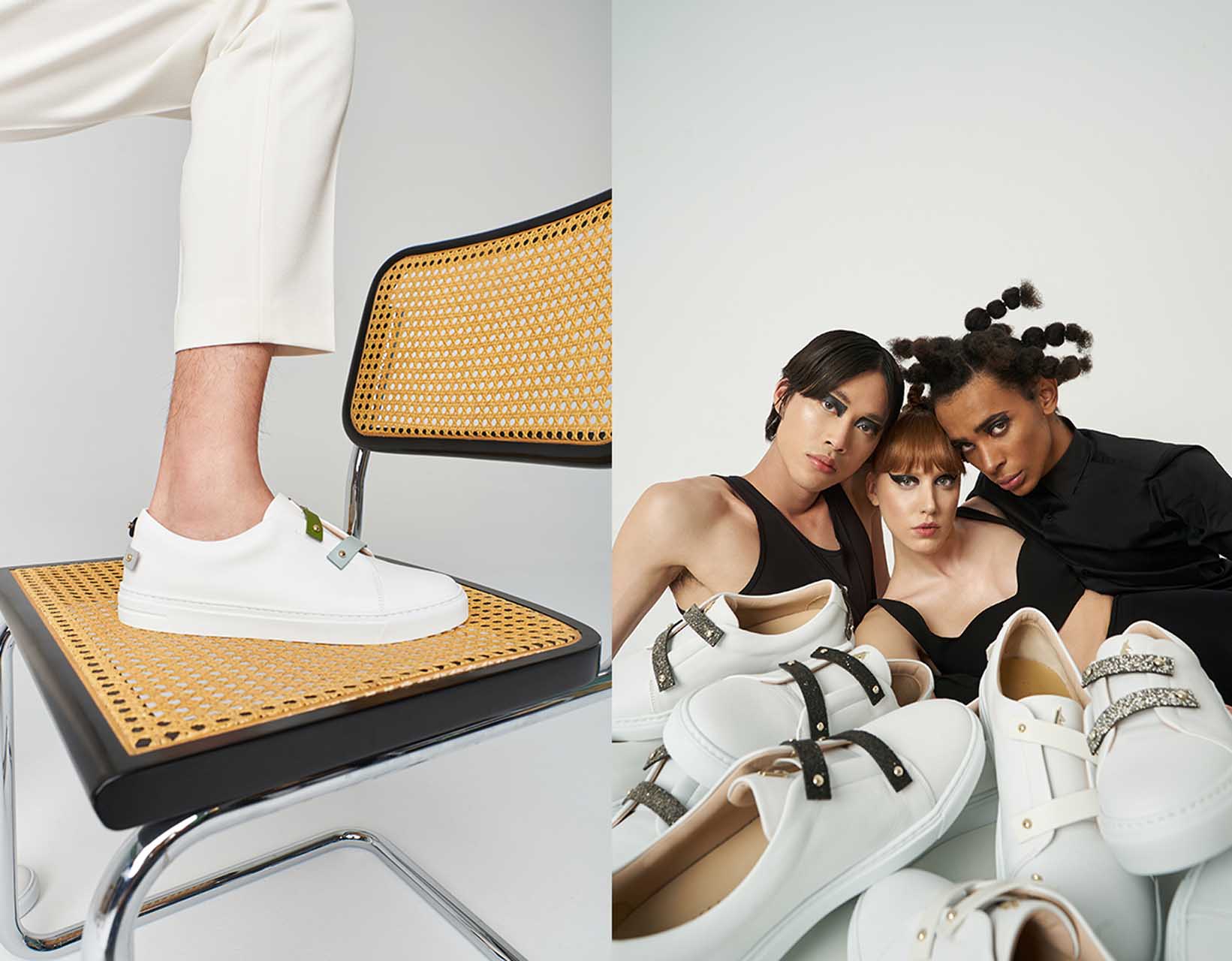
Daniel Essa had to leave Syria and became a refugee. He went to France, built up his own sneaker brand and is now selling his shoes all over the world.
The brand aims to create a purpose driven ethical business model, combining profitable growth with positive contribution to the planet, society, and community. By using sustainable and recyclable elements, the brand produces durable and timeless products that create a long-term change.
The versatile product design inspires customers to express their individuality and celebrate the diversity of the modern communities.
“It’s been my childhood dream to launch my own brand and make a lasting impact in the fashion industry”.
What gave you the idea for a customizable sneaker?
The “Nous” collection comes as an innovative response to the global state of the fashion industry. Following a challenging and unprecedented year, I did a lot of research and I wanted to offer both retailers and clients a safe option with minimal risk. Yet, I wanted to give them something bold and very unique and that’s how Nous was born.
In addition, I wanted to create a product that engages the client. The customizable sneaker allows the client to express their style and individuality in a fun and personal way. They can make the shoes their own and take part in the design process.
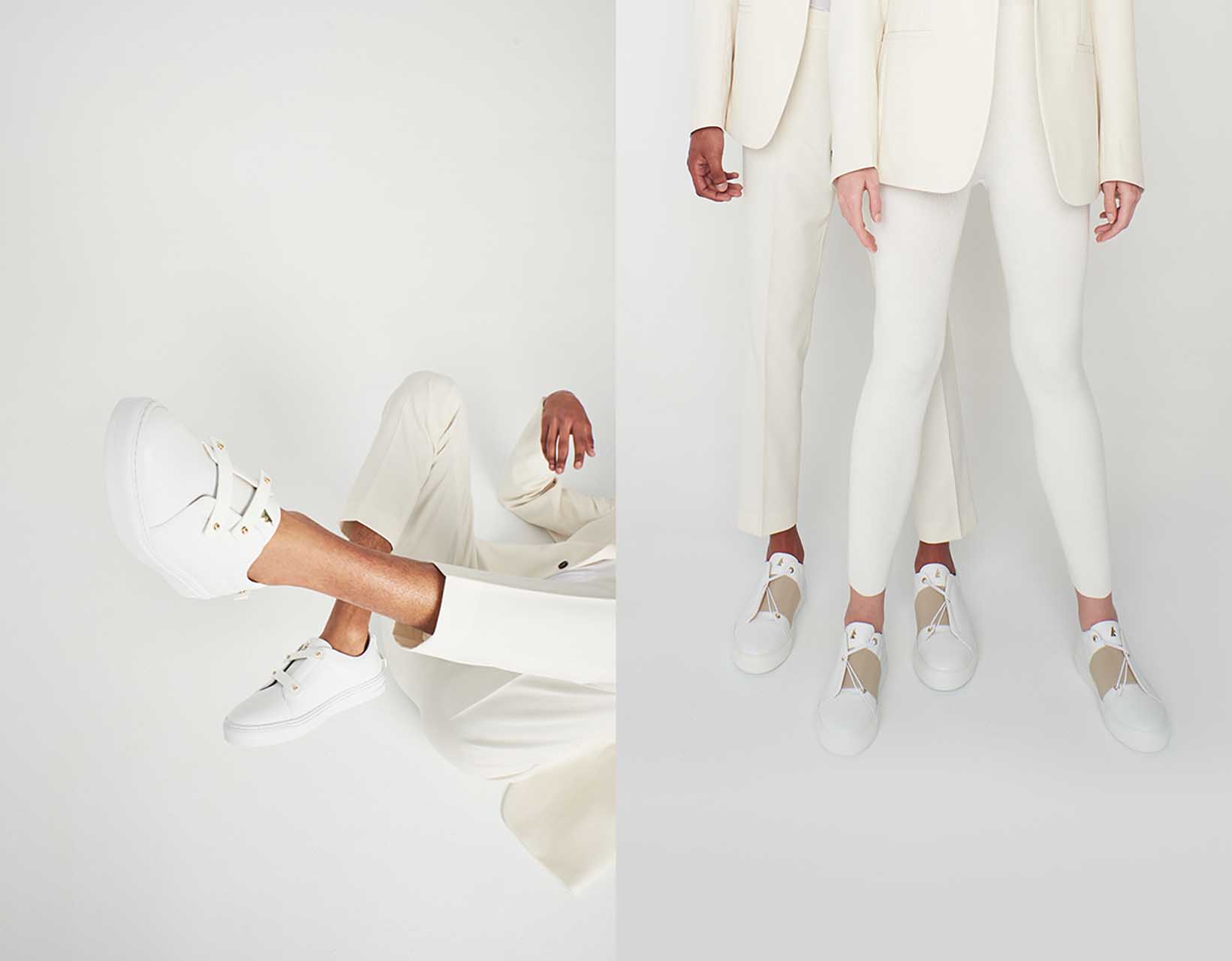
The customizable sneakers we offer also reflect our minimal and sustainable approach to fashion. The idea is that you can customize the sneaker for every occasion, every season, and every outfit.

What are the key design principles that are important to you?
Minimalism is part of the brand’s DNA and signature. When I started the brand, my vision was to create a product that is distinctive with its minimal details. I wanted designs that can’t go unnoticed without making them loud. Achieving minimal luxury is challenging because it requires a lot of innovation to maintain a strong brand signature while keeping the shoes durable and comfortable. It’s extremely important that when a customer invests in new sneakers, these sneakers offer them both comfort and functionality and not just a pretty design. I create timeless pieces that are trend-proof and I want them to be an essential timeless piece in every wardrobe and for that to work you must always consider comfort and functionality and never compromise one for the other.
Your aim is to offer more than just a sneaker – can you tell us a little bit more about that?
It’s an experience, it’s a way of life to wake up everyday and look effortelssely good. This collection reflects the brand’s vision to connect with customers on a personal level. We are offering more than just a sneaker. We’re offering an experience that allows customers to instantly personalize their sneakers and transform the shoes for any occasion. We are giving the customer a canva to paint in their own colors and show their unique style.

The leather straps are a standout feature – can you tell LN readers something about how they can be used?
The first of their kind “Nous” sneakers feature 8 hand painted leather straps that can be easily changed with the additional strap packs available in a variety of basic and fun colors. We will continue to launch new strap packs every season.
The idea is to wear the same sneaker but make it look different every time and have it match any look or outfit you go for. It’s a way to make dressing up more fun and more versatile. So the idea is to show your unique way of using the straps and highlighting your #NousOfTheDay.
Why is it important to you to use leather for your shoes?
Quality, durability longevity. It’s important to reflect my minimalist and sustainable vision through every detail in the product. And leather is a huge component that makes this vision true, because leather shoes will last you a lifetime and that’s what I am offering my clients. A product for life.
In addition, one of the brand’s signatures is the leather layering technique and how seamlessly we have managed to accomplish that.
Leather is breathable, heat-insulating, stretchy, tearproof and abrasion-resistant and acts a barrier against moisture evaporation. It is also robust, making the shoe more stable and functional. Leather is also eco-friendly as it is a natural material and no harmful chemicals were used to create it.

On your website you take care to explain your values and commitment to sustainability, how does leather fit into this ethos?
Our ateliers in Italy combine traditional techniques with the latest state of the art technology using AI. This technology scans and positions the pattern in a way that minimize the waste of the leather. Our certified leathers are hand tinted minimizing their impact on health and environment during production as well as the recycling and disposal phases.
Our products promote a more sustainable and minimal lifestyle with their design, durability, and high quality. The brand does not follow trends that will fade. I create timeless pieces that are in style now and will be in style for years to come and leather is a core element of this, as it ages so well.
Sustainability is very important to me and considering the planet is a priority for the brand. We are working constantly to improve our sustainability metrics – starting from responsible sourcing of raw materials, to designing, sampling, manufacturing, and distributing our products.
Any future plans you can share with us?
We have many exciting plans in the pipeline. I can’t share much at this point. I will just say that you can expect more than sneakers from Daniel Essa in the near future.
Bentley Becomes First Automotive Member of Leather Working Group
Bentley leads the way for responsible leather use in the automotive supply chain
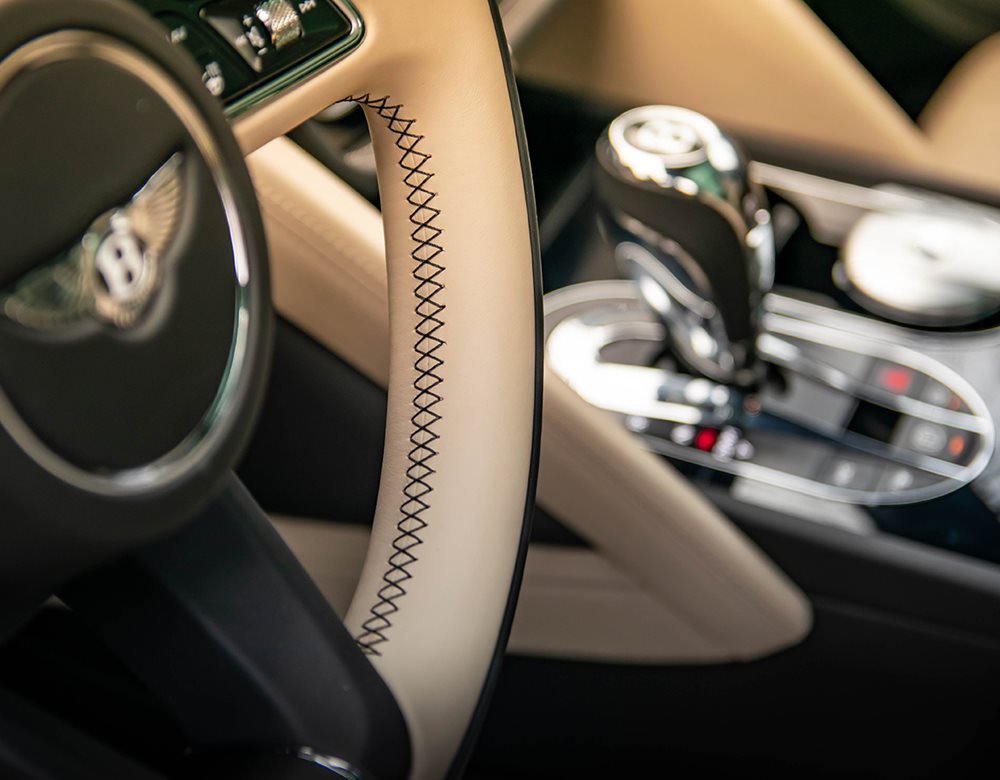
Leather Working Group has announced that Bentley Motors has become the first car manufacturer to join. The move is part of its ambition to become the world’s most sustainable automotive brand.
Founded in 1919, Bentley is prestigious luxury car manufacturer based in the United Kingdom. They have recently launched their ‘Beyond100’ strategy, which sets out their goals to become carbon neutral by 2030 and lead the way in sustainable automotive luxury by reducing the overall environmental impact of their production processes.
Mark Cooke, Bentley’s Head of Production Purchasing added: “The use of leather and coachbuilding are hallmarks of our hundred-year-old history. Our cutters and trimmers are experts in their fields and the fact that so many of our heritage models still exist with their original interiors, demonstrates the longevity of leather as a core material to us. As the first automotive member of the LWG, we look forward to working with the group to actively shape the future of sustainably sourced leather in our sector.”
The Leather Working Group (LWG) is a membership organisation composed of over 1300 members across the leather value chain, including leather manufacturers, brands, suppliers, traders, and associations. The group develops audit certification standards to assess the environmental performance of leather manufacturing facilities and promotes responsible practices in the leather supply chain. For more information about the Leather Working Group, please visit the LWG website: https://www.leatherworkinggroup.com/
Photo – Editorial credit: Gabriel Nica / Shutterstock.com

Debunking The Methane Myth
A new animation from Meat & Livestock Australia presents a clear explanation of the carbon cycle.
Meat & Livestock Australia has created a simple animation that explains the difference in the environmental impact of methane from cows and carbon dioxide from fossil fuels.
Methane is part of the natural carbon cycle that after 12 years breaks down into natural CO2 and water. Grass absorbs the CO2 by photosynthesis and the cycle starts again. CO2 from fossil fuels is new and does not come from this natural carbon cycle, so remains in the atmosphere for potentially 1,000 years.
The difference between methane from livestock and CO2 from fossil fuels is widely misunderstood and misreported – this animation makes it easy to understand.
Read the full story here
Sneakerhead Dreams
Nicola Davies searches out the best sneaker customisers in London
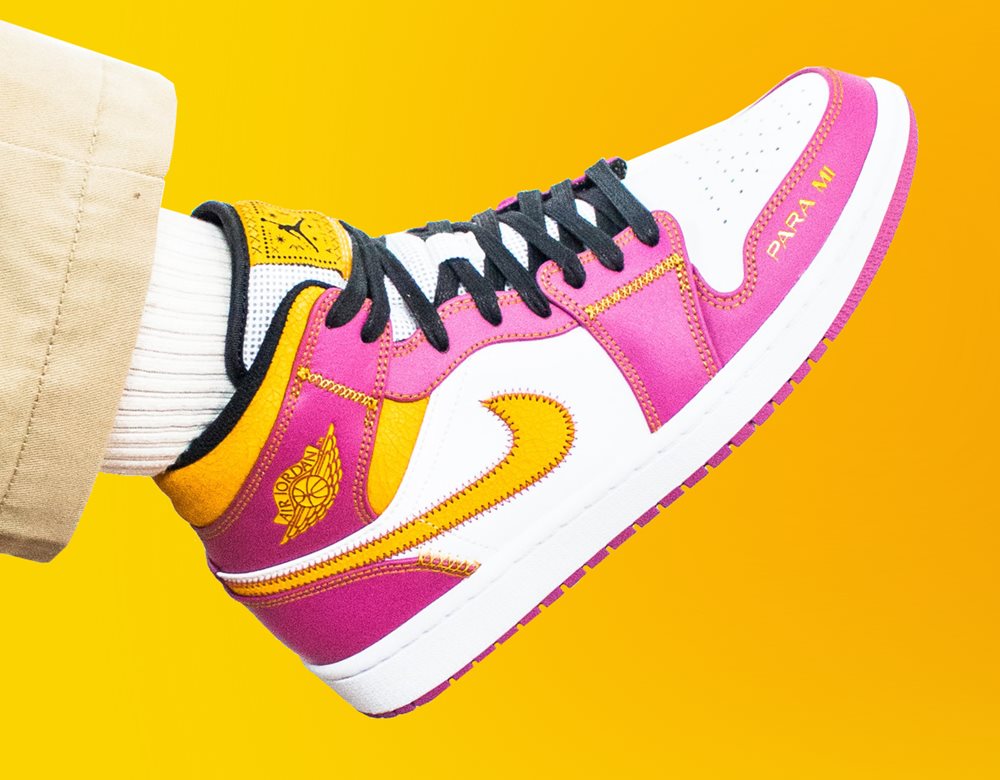
Trainer connoisseur Nicola Davies, by her own admission is not a designer, nor does she have any customisation skills, so her quest for unique product that no one else owns has drawn her to seeking out second hand gems and the art of customisation.
She has developed an appreciation for custom skills, which involve not only working with leather and recreating constructions, but ensuring every customer gets the correct fit.
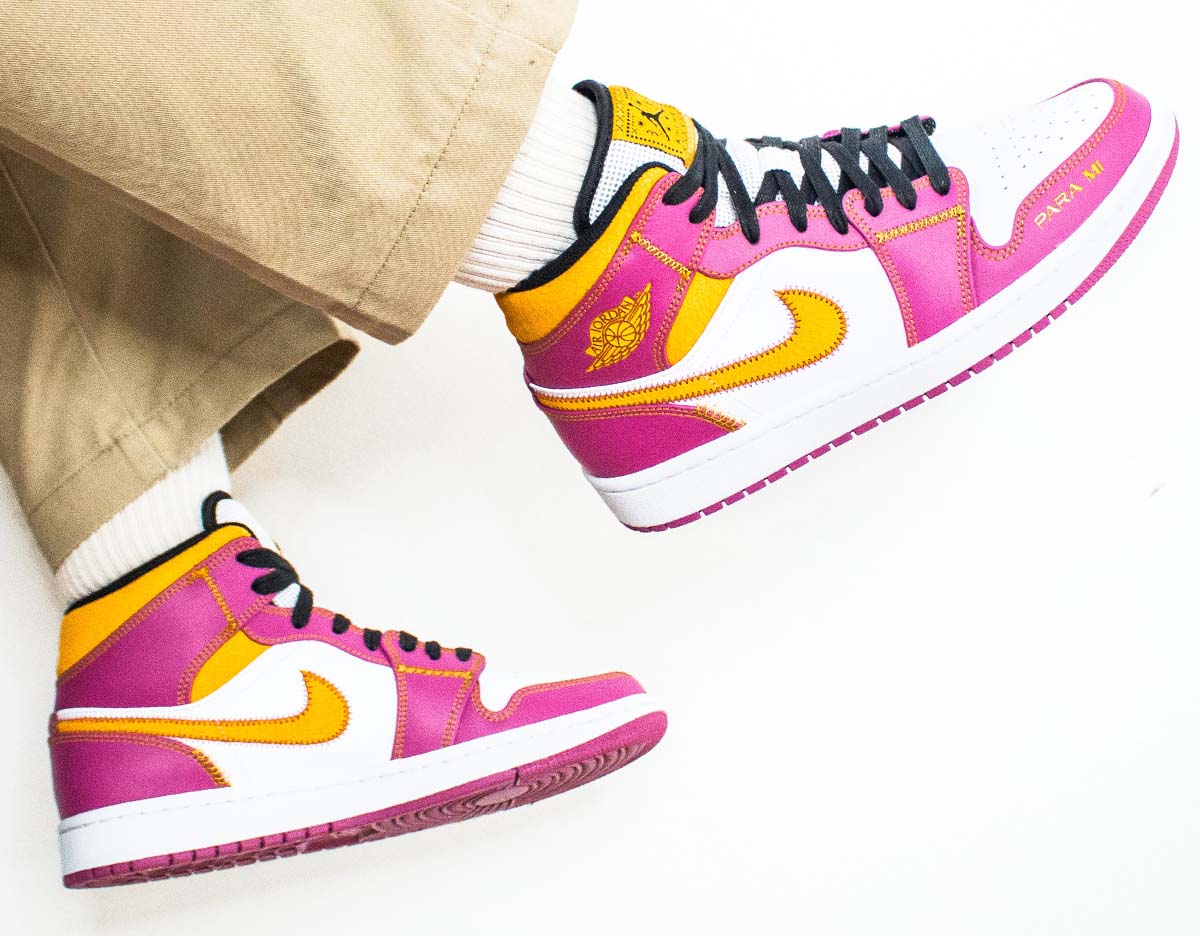
“But what customisation actually entails is very broad. It could be anything from reconstructing leather components, to painting, to using specialist sharpies, to embroidery or even stencilling. It’s the latest frontier in DIY culture that’s taken over Instagram feeds and sneakerhead dreams.”
Nicola’s list of must-see custom artists includes Nash Money, Helen Kirkum and Afro Kickz. You can read the full article, together with profiles of these taken artists over on Choose Real Leather
Nicola believes that this scene can only grow, “I think that more customisers will start moving onto creating their own shoes from scratch. The sneaker scene will definitely become more diverse.”
Image: courtesy of Choose Real Leather
chooserealleather.com
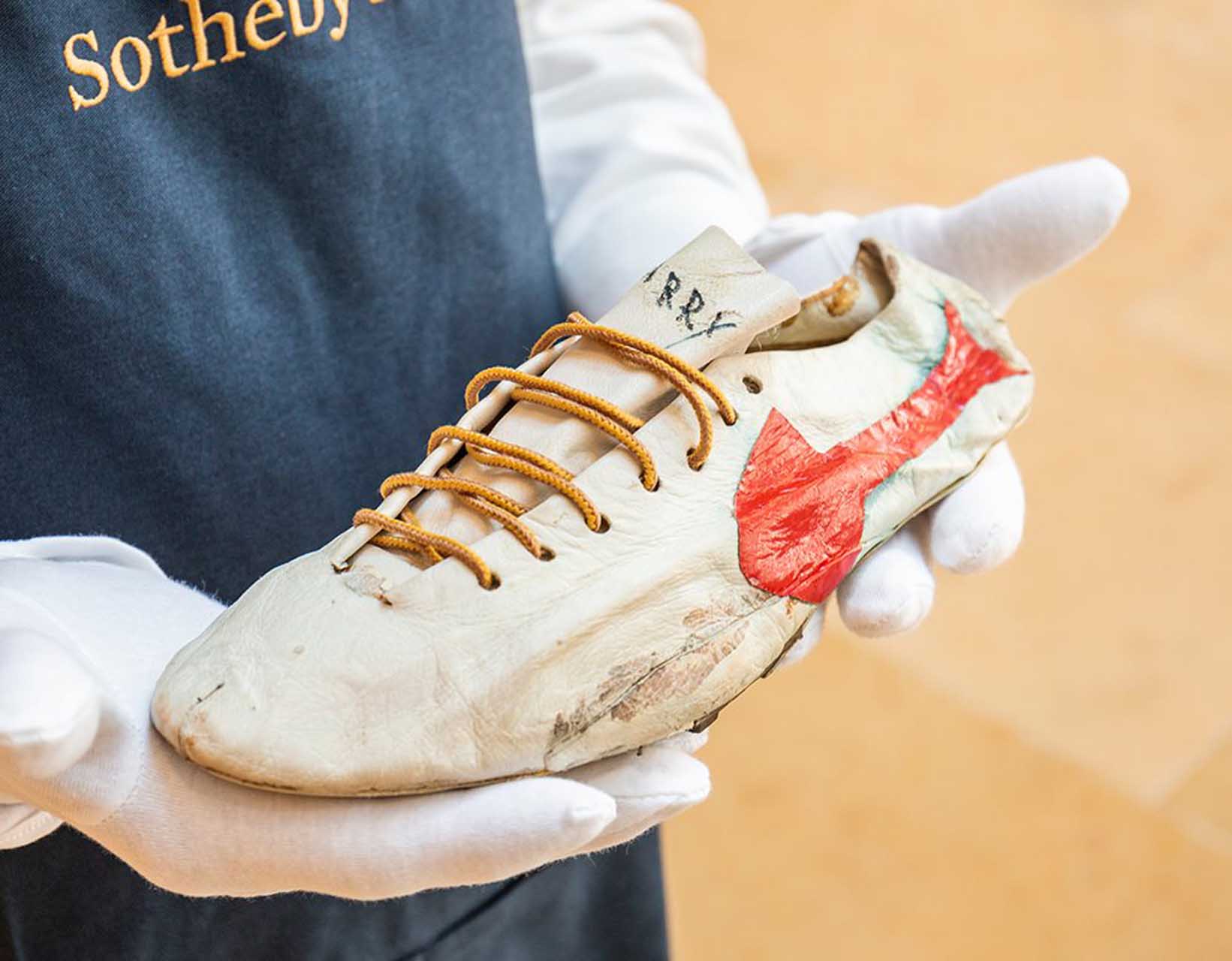
Sotheby's Auction Iconic Track Shoes
As the Olympics open on 23rd July 2021, so does bidding on a pair of rare prototype Nike track shoes.
The shoes, were made by Nike co-founder Bill Bowerman for Canadian Olympian sprinter Harry Jerome.
Bowerman is of course known for his obsession with creating the perfect running shoes and his subsequent invention of the waffle sole, the inspiration for which came from his wife’s waffle iron. It was an innovation which was to redefine athletic footwear.
The shoes on auction comprise a leather upper, which was produced in the sixties and a sole unit that was added as a modification by Bowerman in the early seventies. Under each set of track spikes the shoes feature the waffle sole that was premiered by Nike in the Moon Shoe in the 1972 Olympic trials.
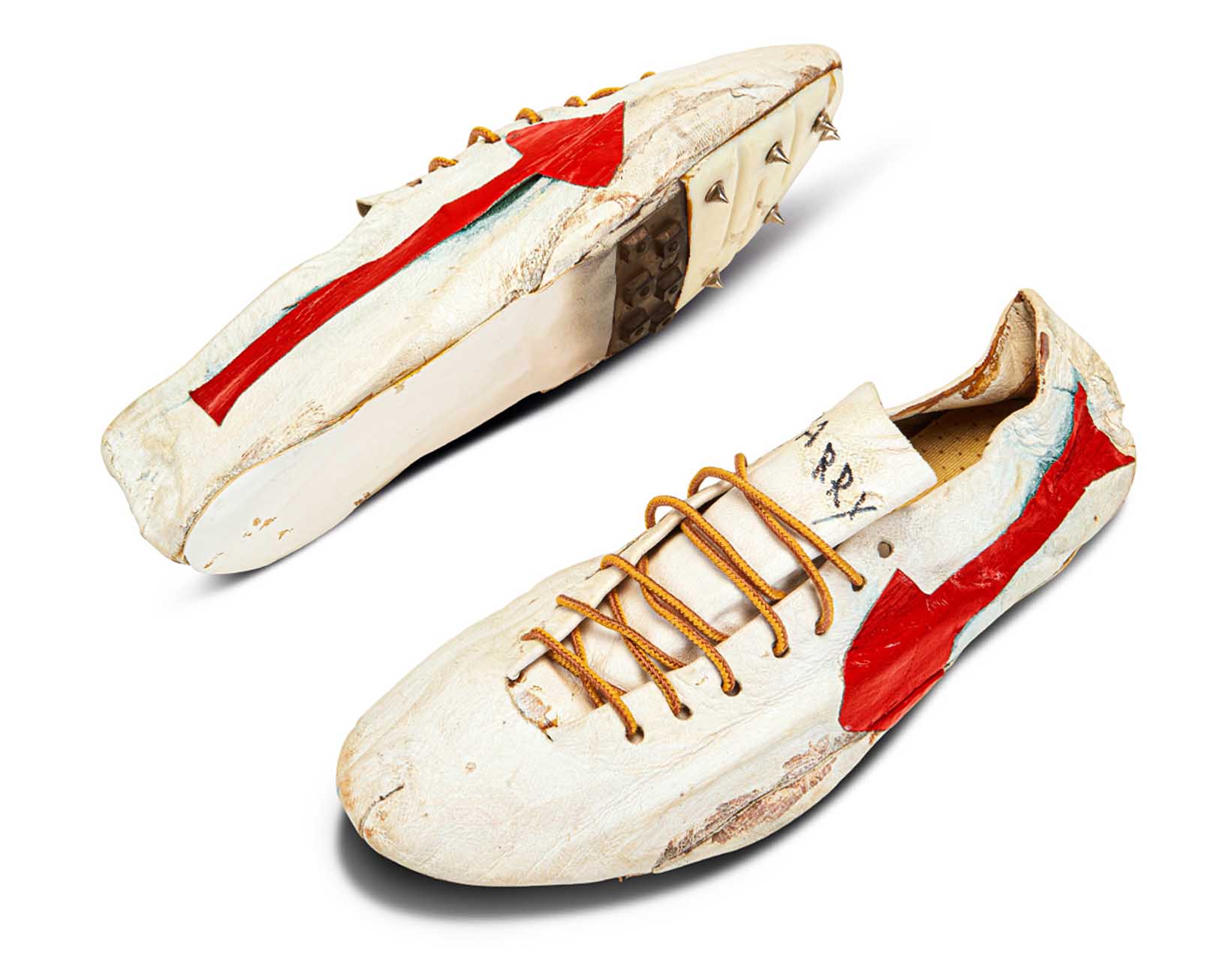
Harry Jerome not only set seven world records, but notably won a bronze medal for Canada in the 1964 Olympics, which were also held in Tokyo.
Bill Bowerman prototypes are incredibly rare and the shoes are expected to reach between US$800,000 and US$1,200,000
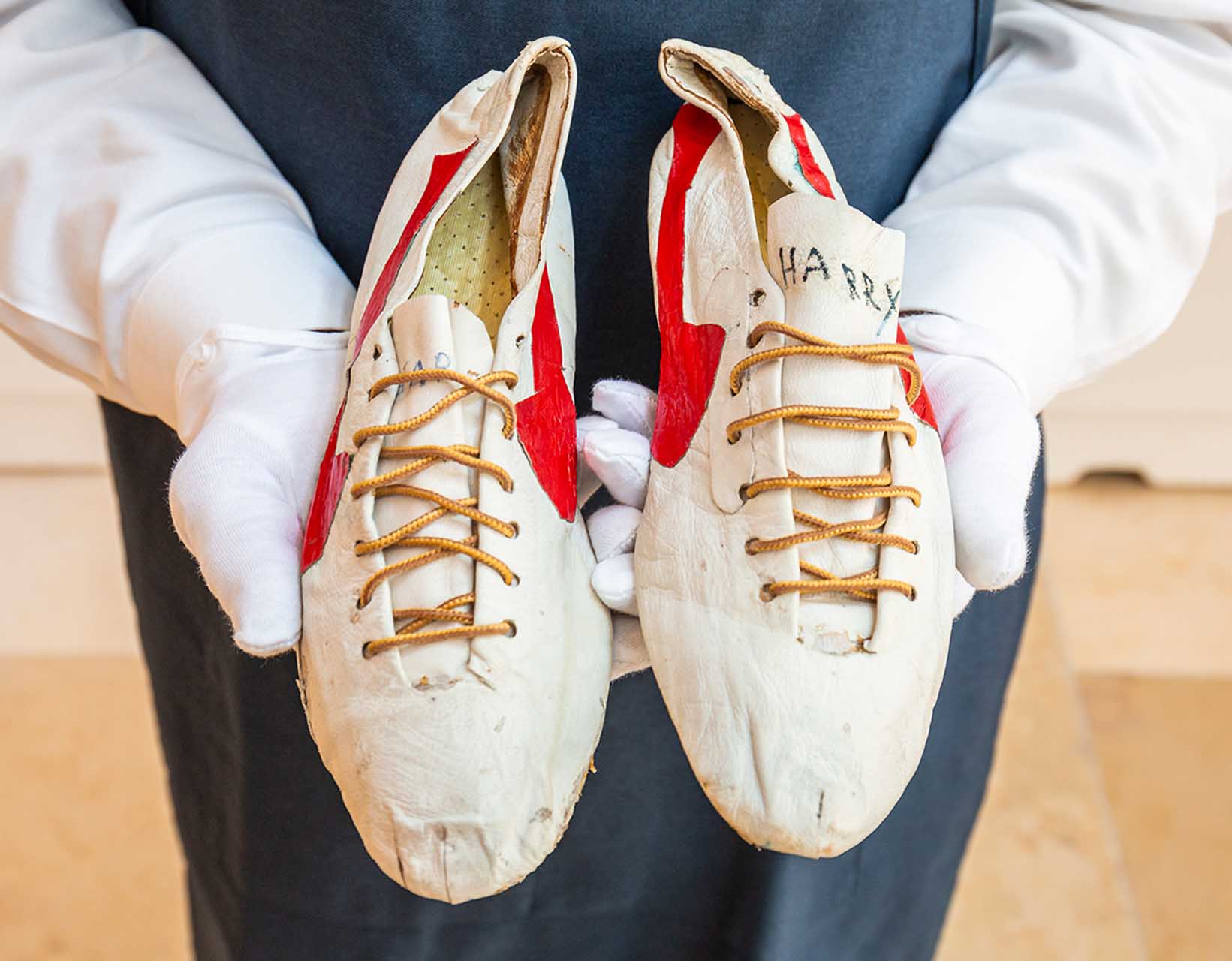
Tempted? You can view Sotheby’s Olympics Collection auction, (which also includes Michael Jordan’s 1984 Olympic Trial shoes) here.
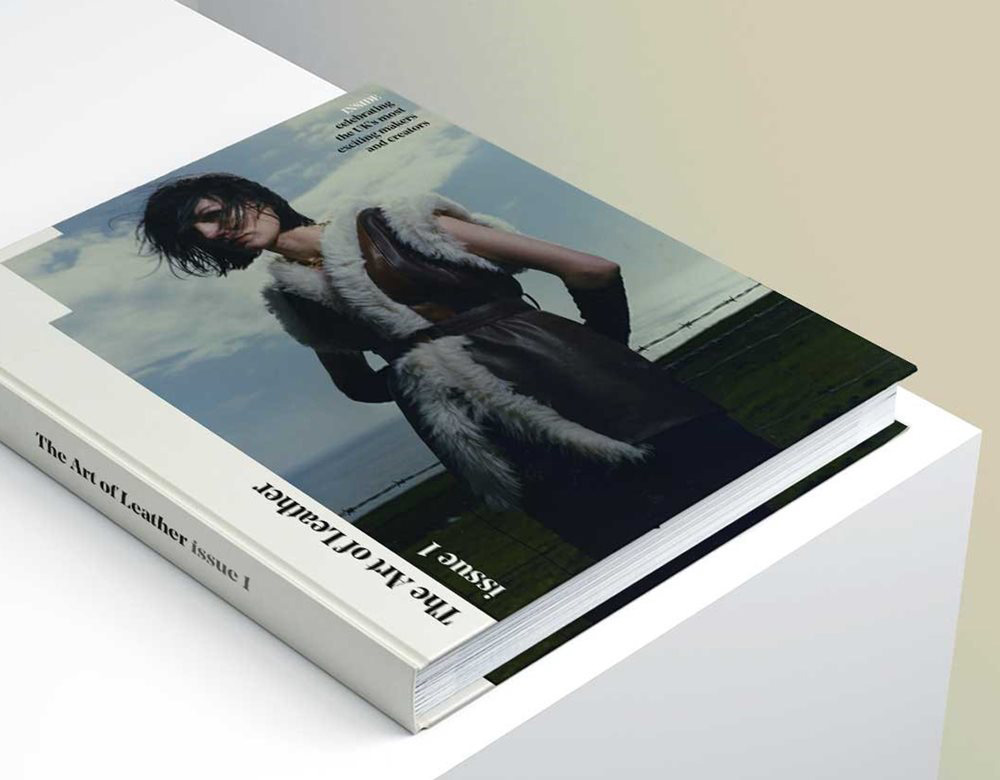
Leather UK Launches Online Showcase
An online magazine that will inspire and inform about the exciting leather makers and creators working in the UK today.
The collection, the “Art of Leather” is a glossy, magazine-style online publication that introduces readers to some of the most talented artisans working in leather clothing, jewellery, accessories, interiors, art and more, whose highly desirable works are available to purchase or who can be commissioned directly.
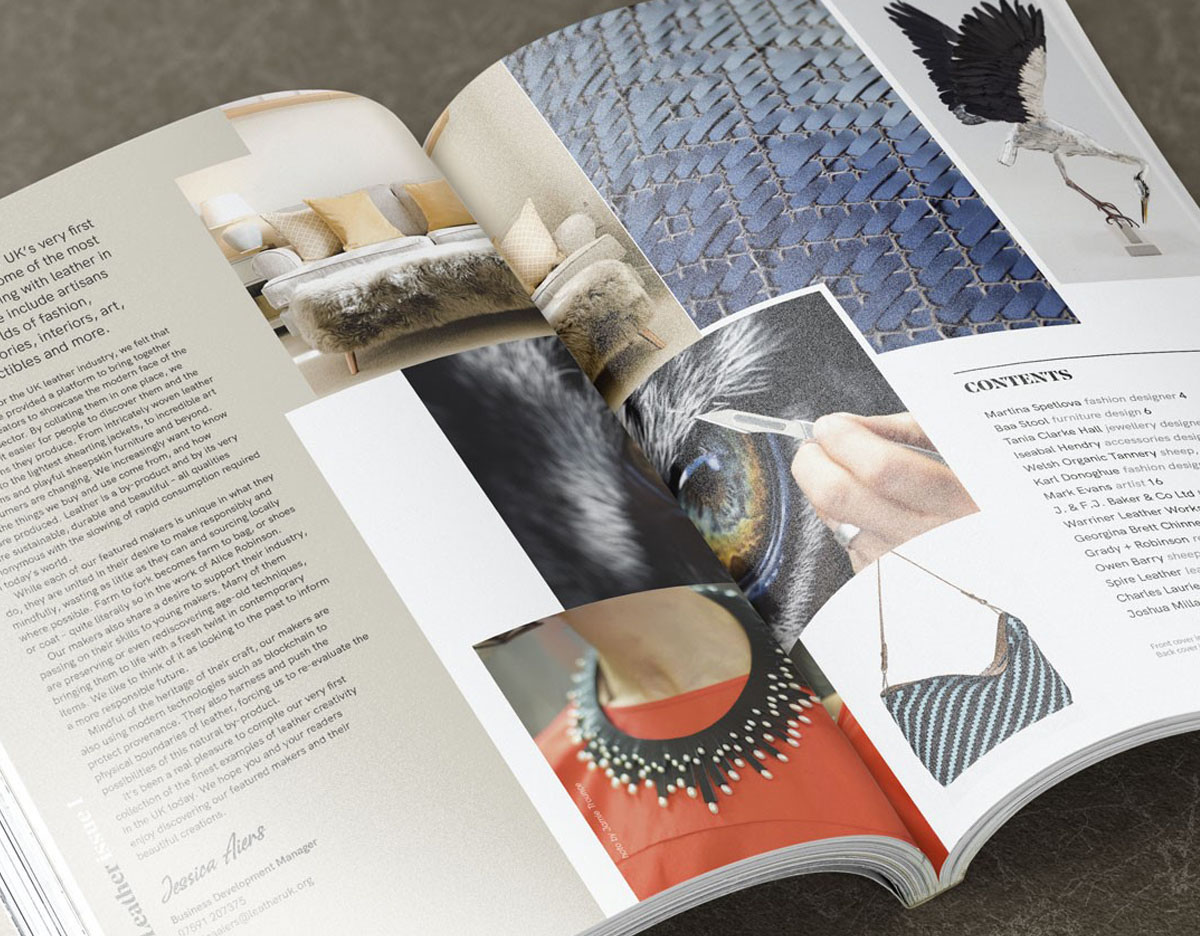
Featured in the launch issue of the Art of Leather are:
- Martina Spetlova – fashion designer
- Baa Stool – interiors
- Tania Clarke Hall – jewellery designer
- Iseabal Hendry – accessories designer
- Welsh Organic Tannery – sheep, goat and deerskin tannery
- Karl Donoghue – fashion designer
- Mark Evans – artist
- J. & F.J. Baker & Co Ltd – traditional oak bark tannery
- Warriner Leather Works – leather artisan
- Georgina Brett Chinnery – leather artist and sculptor
- Grady + Robinson – regenerative farming fashion design
- Owen Barry – sheepskin fashion and interiors
- Spire Leather – tannery
- Charles Laurie London – leather artisan
- Joshua Millard – fashion designer
The Art of Leather is a must-read for anyone wanting to know more about the vibrant scene of innovative artisans and artists whose work and ethos is representative of an exciting new direction in leather-making, where creativity thrives in harmony with responsible, ethical production.
Explaining the Art of Leather initiative, Jessica Aiers, Leather UK business development manager says: “The leather sector is full of amazingly talented makers, creating objects and works of great beauty. However, unless consumers are in the know, it can be hard to know where to find them. It is an important part of our role at Leather UK to ensure that our members are better known and this first ever issue of the Art of Leather is a platform to do just that.
She continues: “While each of our featured makers is unique in what they do, they are united in their desire to make responsibly and mindfully, wasting as little as they can and sourcing locally where possible. Farm to fork becomes farm to bag, or shoes or coat. Consumers increasingly want to know how the things they buy and use are produced. Leather is a by-product and by its very nature sustainable, durable and beautiful. We hope the Art of Leather shows consumers that it is possible to purchase leather with an easy conscience.
Download your copy of The Art of Leather here
https://leatheruk.org/downloads-and-resources/the-art-of-leather-series/

Coach Forever
Coach is a brand long associated with premium leather and now its Upwoven bags are an exciting concept on the journey to zero waste.
The Coach Forever 2021 collection debuted online in a presentation that showcased styles beyond the runway and worn by a global cast that included Kaia Gerber, Kate Moss, Debbie Harry, Kiko Mizuhara, Jeremy Lin, Megan Thee Stallion and Cole Sprouse.
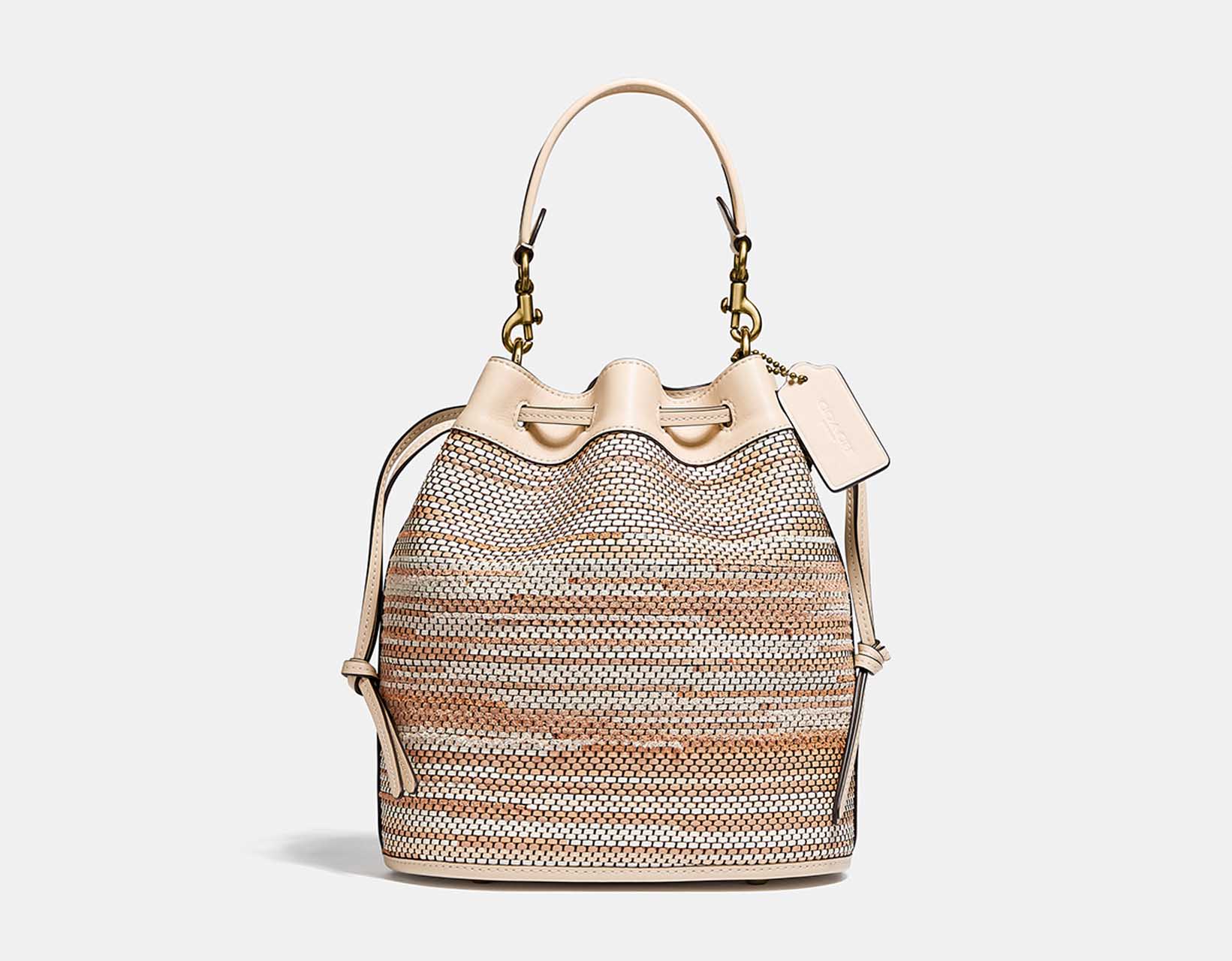
Coach bags have a legacy of leather, craft and community and this is a collection that looks towards a more mindful future of quality things, made to last and be passed down.
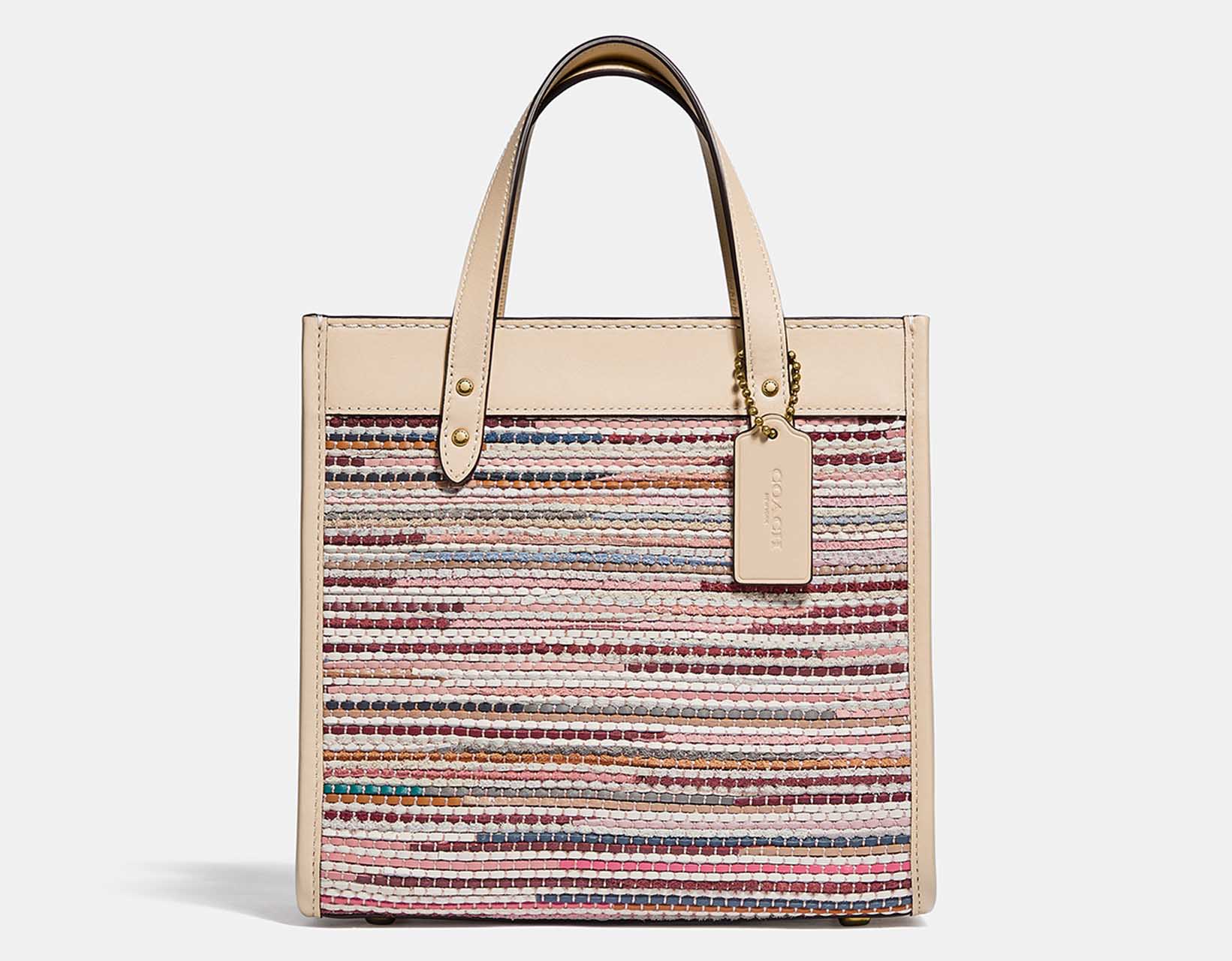
The Upwoven styles that form part of the 2021 collection are an innovative use of remnant leather strips, woven together to create a unique new material. It is a fresh, luxury take on how leather can play an important role in reducing impact and maximizing resources, while still creating truly covetable products, designed to last.
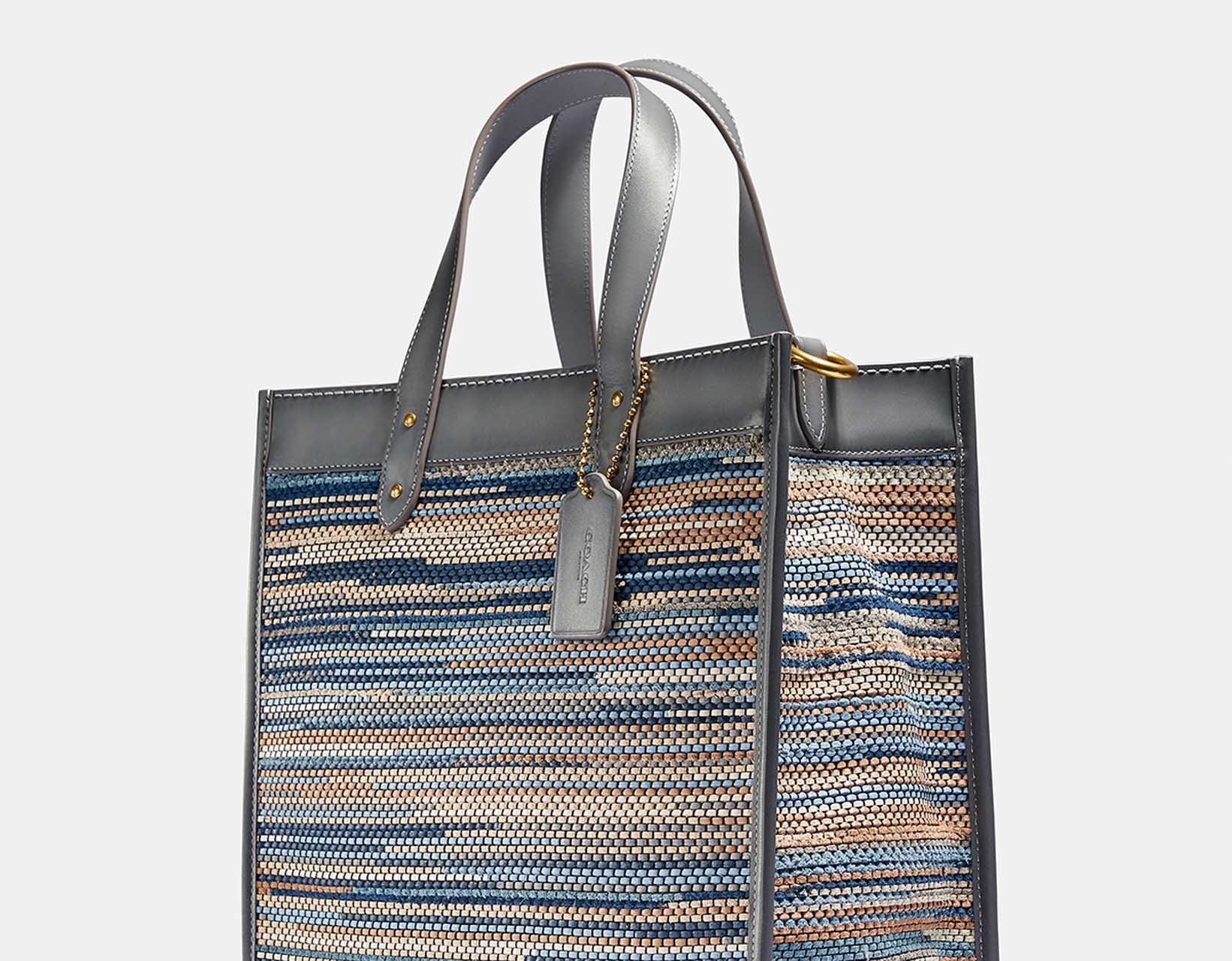
Watch the video of the weaving process here, it is mesmerizing!
We Need to Stop the Waste
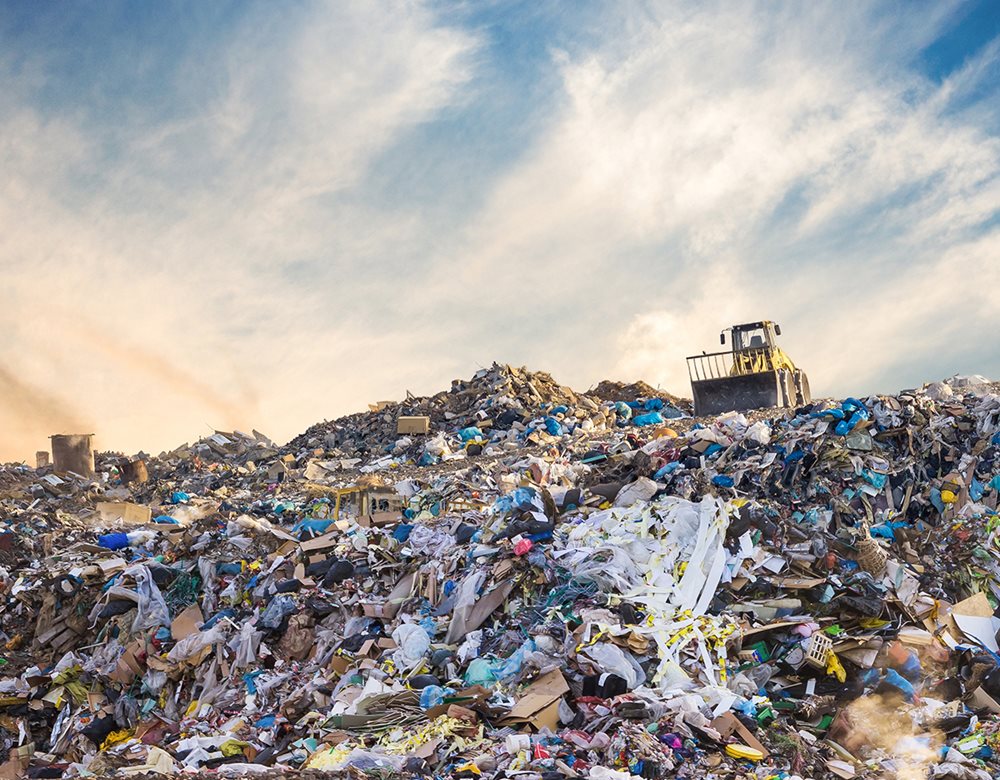
The Leather and Hide Council of America has published a powerful fact sheet that makes clear the waste impact of letting hides go to waste.
“Turning hide into leather is one of the oldest forms of recycling. Hides are the natural and inevitable by-products of meat and dairy consumption. In fact, in the U.S, every single hide used in leather production comes from animals raised for food: leather manufacturing does not kill a single animal. Rather, manufacturers purchase as many hides as they can – cutting down waste – and transform them into durable, versatile and beautiful leather.’
The fact sheet goes on to quote that disposing of unused hides generates 120,000 tonnes of unnecessary greenhouse gas emissions – something that can easily be avoided. It looks at the repercussions of replacing natural leather with synthetic materials derived from fossil fuels and urges people to consider the importance of using the natural materials that we have.
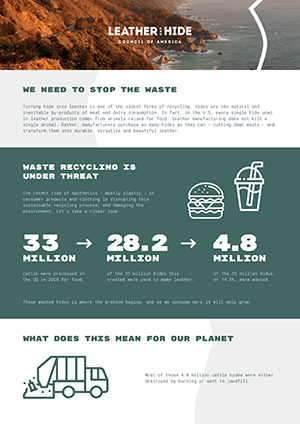
Click image for factsheet.

Are Animals Killed for Leather?
No, hides come from animals raised for food. This accounts for 99% of the world’s leather.
Leather is a natural by-product
The main sources of animal hides are cattle – 69%; sheep – 13%; goats – 11%, and pigs – 6%. Their skins are a valuable global resource and, thanks to tanners’ and manufacturers’ skills and knowledge, they ensure this versatile material does not end up in landfill. Current estimates put this at a saving of 7.3 million tonnes for cattle hides alone and around 10 million tonnes in total per year. That is a lot of potential waste being transformed into a versatile, usable material.
Leather is versatile
Leather manufacturers upcycle this raw material and exploit its tremendous versatility. Depending on the source of the hide or skin and finish used, they can create sumptuous-yet-tough footwear, handbags and clothing, and durable-yet-comfortable car and aviation seating and furniture. Leather can be made hard enough for the sole of shoes or soft enough for the finest gloves.
Leather is long lived
The leather from one animal can provide many years’ worth of practical applications and pleasure. Well cared for with oils, creams and pigments products, repaired and reused, leather items will last for decades. Think of all the vintage leather jackets, shoes and bags; libraries lined with ancient leather-bound books, and hardwearing saddles and bridles used by generations.
Leather is Biodegradable
Leather is biodegradable; it decomposes on the environment in 25 to 45 years. Plastics take hundreds of years to biodegrade and produce microplastics that are damaging to the environment.
Leather is sustainable
Sustainability is one of leather’s really strong suits. Not only does the leather industry upcycle raw materials from the food industry, not only is it a renewable and recyclable resource, but its full lifecycle has a low carbon and water footprint.
Leather supports local economies
Its manufacture helps support economies across the world where tanning and associated industries are vital elements in creating livelihoods that help to pull millions of people out of poverty.
Leather is responsibly governed
Nearly every country in the world makes leather and the vast majority do so in a transparent, responsible manner. The chemical used in leather production are highly regulated. The Leather Working Group (LWG) is a global organization that has developed an environmental audit standard to help everyone understand how their leather was made.
Leather Naturally speaks for the responsibly produced leather around the world in that its processes are highly regulated, governance is enforced and inspected, and standards have been striven for, achieved – and maintained.
For more information read our FAQ on The Sustainability of Leather

What is vegan leather?
Vegan leather (sic) does not exist. It is a marketing term used to describe materials, (or leather imitations) that are often plastic or derived from finite fossil-fuel.
Huge numbers of products available across the world are marketed using terms such as ‘vegan leather’, ‘faux leather’, ‘synthetic leather’, and ‘PU leather’. This means that they are usually made either from artificial materials, or alternatives that have been manufactured to resemble the appearance of real leather.
Any material that is not of animal origin can be labelled as ‘vegan’, it is effective shorthand to describe to the consumer that it might meet their needs if they do not wish to use animal products. It is important to realise however, that the ‘vegan’ tag does not necessarily mean ‘natural’, ‘green’ or ‘sustainable’, nor does it necessarily provide the same wear and durability qualities as real leather.
What is vegan leather made of?
Much is sourced from oil, a finite fossil fuel, as most commercial vegan leathers are made from plastic: PVC, PU ( polyurethane), polyester, nylon and so on.
However, there are also products used to replicate a leather appearance that come from alternative sources. These include grape skins, mushrooms, palm leaves and apples. Currently, to ensure these materials’ strength and utility, the vast majority are backed or mixed with synthetic resins and plastics.
How durable is vegan leather?
The ’leather-like’ appearance of vegan leather is only surface deep. The artificial materials made from either oil or the alternative plant sources do not recreate the same fibrous qualities that bind layers together. There may be some good-looking materials available, but they are not strong and durable.
This provides a contrast with real leather, which can last for centuries – witness ancient books and antique furniture. Even items that come in for harder wear, such as footwear or saddles, endure for many years. Indeed, with care leather products grow only more beautiful and burnished over time.