

Leather Naturally extends sponsorship IULTCS Young Leather Scientist Grant
Leather Naturally has been sponsoring the IULTCS Young Leather Scientists Grant competition with the Mike Redwood Grant of Euro 1.000/– since 2020, initially for a period of three years. Due to the success of this program and the need to stimulate young scientists and promote leather science to continue supporting a circular society, Leather Naturally has offered to extend the collaboration until 2030.
With the Young Leather Scientist Grant award, IULTCS and Leather Naturally would like to make a meaningful contribution towards research in leather. The grants will be given through IULTCS to scientists as additional support at free disposal to promote upcoming innovative Leather Research
projects.
The Mike Redwood Grant focusses on innovative environmental techniques applied to the leather industry e.g. wastewater treatment, solid waste and emissions. Studies on sustainable leather processing, new chemicals for leather processing, analytical method development, carbon footprint and water management.
Egbert Dikkers, Chair of Leather Naturally adds ‘We are proud to have the name of our founder connected to this award. Together with the IULTCS and the young students, we will continue to educate society about the crucial role that leather takes in a circular society where nothing is wasted, and everything can be reused and ultimately recycled’.
Jean-Pierre Gualino, President of IULTCS says ‘at a time of so much global uncertainty it is very satisfying to see Leather Naturally making this valuable long-term commitment to our industry. The young scientists are the very people our industry needs to help us now and into the future, while their spirit and enthusiasm for our industry will be a major motivation to them, an additional financial incentive will only help to encourage them to work hard for our combined futures. I would like to extend my continuing thanks to Leather Naturally for this generous gesture and ensure them that the IULTCS will help find and reward these deserved individuals who can benefit our industry so much’.
Mike Redwood, founder of Leather Naturally added ‘It is a huge honour to be associated with this award. Encouraging young scientists from around the world into the world of leather is vital and should lead to fulfilling and rewarding careers. Research in these areas makes a meaningful contribution to ensuring leather maintains its place as a top material functionally and environmentally’
More information on the Young Leather Scientist Grant can be found on the website of IULTCS IUR Research Commission > IULTCS
About Leather Naturally
Leather Naturally promotes the use of globally-manufactured sustainable leather. Its website www.leathernaturally.org is a key resource for information about modern leather manufacturing and the part it plays in a more sustainable society.
Media enquiries: Debbie Burton info@leathernaturally.org / mobile +44.79.79.700.363
About IULTCS
IULTCS the aims of the Union are to foster cooperation between member societies, to hold congresses to further the advancement of leather science and technology, to form commissions for special studies and to establish international methods of samples and testing leather and materials associated with leather manufacture.
Media enquiries: Christine Anscombe chris.anscombe@satra.com
The Difference Between Synthetic and Real Leather
Real leather (leather) is a by-product of the meat industry. It is a natural, renewable material up-cycled from the hides and skins that would otherwise go to waste in landfill
Synthetic ‘leather’ is usually made with synthetic components like PU, nylon, PVC, etc. to have the same appearance as real leather. Sometimes these materials are labeled ‘Vegan Leather’ because they are not derived from animals. Technically none of them are leather, it is just a marketing shorthand used to describe them.
Want to know more about the difference in labelling? Check out our fact sheet Leather & Leather alternatives
How can I tell the difference between leather and synthetic leather?
Imitation materials usually have a rubbery or ‘shiny’ surface feel, which is uniform in appearance. They are colder to the touch and often there is a ‘plastic’ smell. Many have a textile backer or middle layer – this can be seen on cut edges. Synthetic materials will also burn more easily than leather, shrinking and curling with the heat.
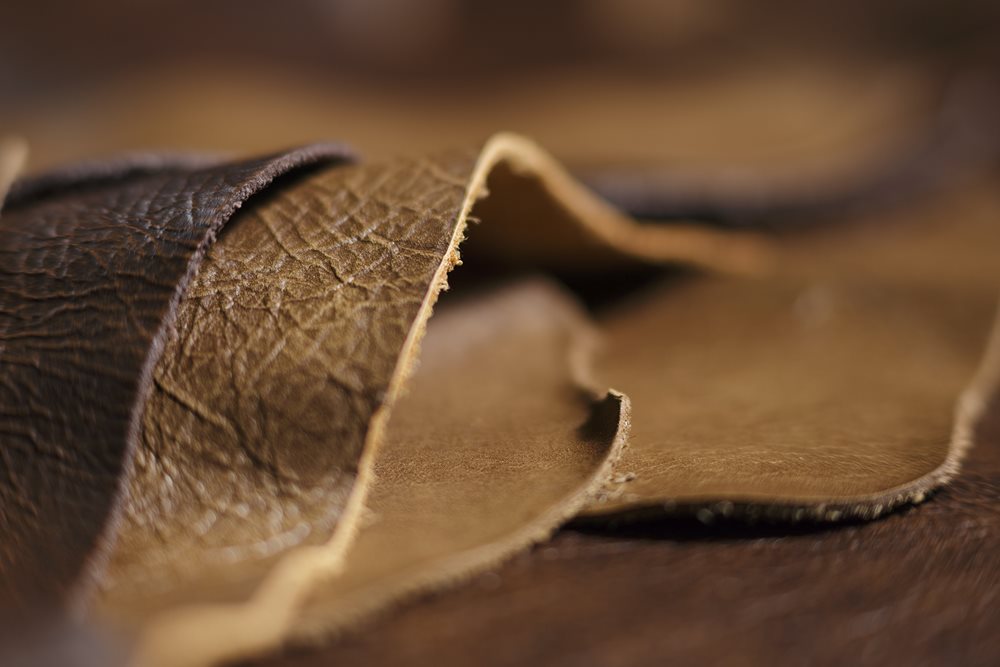
Real leather usually has a natural ‘grain’ to its surface, but even when finished to be smooth it has a distinctive leather smell. Look for cut edges – you can see the texture and uniformity of the fibres through the leather structure. In more premium leather goods raw edges are finished with colour and polished. Attention to a detail like this is usually a sign that the material is leather.
Many synthetics are printed with a leather grain effect or products are made with a turned construction that hides cuts edges. It can make it hard to tell them apart from the real thing, so how DO you tell the difference and make sure you are getting value for money?
Look for the label
If you are still unsure, look for the label. In the EU and the USA brands have a responsibility to clearly state the composition of materials used in the products they make and sell. If it is leather, the label will say that it is leather. If the material is plastic or polyurethane (PU) it is not permitted to simply use the term ‘synthetic leather’, it must state what that synthetic material is. Sometimes it is referred as Manmade Material, again this is not leather.
In an increasing number of countries, such as Brazil, Italy and Portugal, the term leather may not be used in conjunction with synthetic materials at all.
In the same way, if a material has a plant component, it may not be simply labelled, (for example) ‘Leaf Leather’, it should also state what percentage is plant-based and what percentage is other materials that have been combined with it, (this is usually done to add strength and stability.)
If the label is not clear, it is unlikely that the product is real leather.
How do I make sure I’m getting real leather?
Responsible brands are transparent in the labelling of their products.
Increasingly brands that use leather refer to Leather Working Group (LWG) certification to be open about the origin and best manufacturing practice of the leather they use. Look for this on product details or website descriptions.
If you are not able to access material label claims, you may need to message the brand for more complete information.
Want to know more?
How do I learn more about leather?
The Leather Naturally fact sheet, Everything You Need to Know About Leather looks at where leather comes from, its ability to be recycled and biodegrade as well as sustainability and manufacturing practice.
What does it say on the label?
Making senses of label confusion is clearly explained in the fact sheet, Leather & Leather Alternatives
Want would happen if we stopped using leather?
A study in the USA did the maths – Read the article here
How do synthetic and alternative materials differ in performance from leather?
The Research Institute for Leather & Synthetic Materials (FILK) made a wide-ranging study of the performance benefits of leather and a range of other materials to determine their strength and wear suitability for different products. You can read the full report here.
Leather Naturally seeking new Management Board Chair
Leather Naturally announced that they are searching for candidates who are interested in joining the Leather Naturally Management Board as Chair.
The position of Chair becomes available after the current chair Egbert Dikkers indicated that we will take a sabbatical to spend more time with his family to contemplate his private and professional future after chairing Leather Naturally since 2016.
Leather Naturally is seeking candidates who are interested in devoting a considerable amount of time and energy in further expanding Leather Naturally in the interest of its members. This is a voluntary role and the profile can be found on the Leather Naturally website and candidates are requested to indicate their interest to the Chair of the Leather Naturally Supervisory Council, Jon Clark, at jclark@primeasia.biz
You can also contact anyone from the Management Board or the Supervisory Council for more information.
Leather Naturally promotes the use of globally-manufactured sustainable leather. Its website www.leathernaturally.org is a key resource for information about modern leather manufacturing and the part it plays in a more sustainable society.
Media enquiries: Debbie Burton info@leathernaturally.org
BMW Group Joins Leather Working Group
Leather Working Group has announced that BMW has become the second car manufacturer worldwide to join.
The BMW Group has set itself the ambitious goal of creating the most sustainable supply chain in the entire industry. All the while, the BMW Group is conscious of meeting its responsibility for using ethically sourced leather within its automotive supply chain.
BMW – Nadine Philipp, BMW Group’s head of Sustainability in the Supply Chain, Energy says:
As a leader in supply chain sustainability, joining the Leather Working Group is the next logical step for us. She emphasised that: “Leather is still in demand from our customers – depending on the model and region – and is very important in the premium segment. That is why supporting sustainable production and processing of leather at our suppliers is a priority for us.
With sustainability at the centre of their future strategic direction, the BMW Group decided to support their long-term concept of sustainable mobility and joined the LWG.
Read the full article on the LWG group website:
https://www.leatherworkinggroup.com/news/latest-news/leather-working-group-welcomes-the-bmw-group-as-a-new-member-
Read the press release of BMW Group:
https://www.press.bmwgroup.com/global/article/detail/T0365173EN/bmw-group-joins-leather-working-group-%E2%80%93-for-responsible-and-sustainable-leather-sourcing
The Leather Working Group (LWG) is a membership organisation composed of over 1300 members across the leather value chain, including leather manufacturers, brands, suppliers, traders, and associations. The group develops audit certification standards to assess the environmental performance of leather manufacturing facilities and promotes responsible practices in the leather supply chain.
For more information about the Leather Working Group, please visit the LWG website: https://www.leatherworkinggroup.com/
Photo Credits: BMW Group

What's Different About Leather for Automotive?
The leather seat in your car is not the same as your leather shoe , One4Leather explains why not…
Most consumers are not aware that there is much difference between the leather used in their shoes, their leather jacket, their travel bag or indeed, car seats.
Leather is an incredibly versatile natural product that can be used for a wide range of applications, but the end use help define the way it is made to produce the best results in wear. For example, a walking boot leather needs to be firmer for support, glove leathers need to be soft and tactile, saddlery needs to be beautiful but also hardwearing.
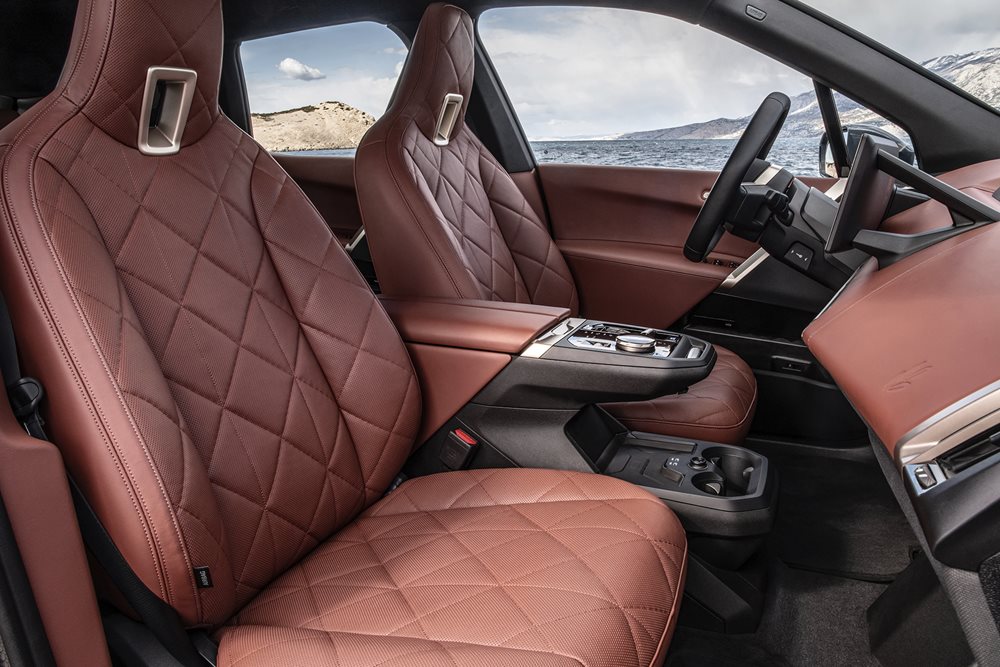
Automotive leathers are highly engineered and designed to combine the most stringent performance standards with aesthetics, hard wearing comfort and environmental requirements.
One4Leather has publish an easy-to-read explanation of how these different elements come together in automotive leather to create something that can withstand car interior temperature extremes, years of wear and tear, yet retain texture and appealing touch.
Read the full feature here.

Portugal Legislates for Leather
Country puts protection from misleading terminology in place
Portugal has joined other nations including Belgium, France, Italy, Spain and Brazil in setting out the rules for the use of the word leather. A new decree establishes the strict requirements for use of the term leather, protecting the industry and consumers from misleading descriptions such as ‘vegan leather’ and ‘synthetic leather’.
Nuno Carvalho, President of the Portuguese tanning industry association APIC, said: “With this law, our Government acknowledges the strategic importance of leather and leather products for the Portuguese economy and the need for protecting it from deceptive commercial practices.”
The decree is available on the APIC, (Associação Portuguesa dos Industriais de Curtumes) website here.
Or download the English translation here.
Why is this important?
Many materials imply that they have the same natural origin and wear qualities as leather by including the term “leather”in the name when they do not.
The term ‘vegan leather’ is confusing, with materials that are very often derived from fossil fuels appearing to consumers to be more sustainable than leather.
Plant-based alternatives, while being welcome as part of an overall movement towards more sustainable materials, can send equally mixed messages as they appear completely natural, but many rely on combining with synthetics for strength and structure.
For consumers wishing to make a conscious purchasing decision that allows them to balance environmental impact, a desire to use less plastic and the sustainability benefits of a product that wears well and lasts a long time, it is crucial that they can be confident in the description on the product label.
Want to know more? Leather Naturally has produced a simple guide to help explain the increasing confusion around this topic but it is hoped that more countries will follow the example of Portugal in both protecting leather and ensuring that consumers are clear about what the are buying.

Leather and the Custom Car Interior
One4Leather on the benefits of leather in achieving the custom finish of your dreams.
Automotive leather is engineered to meet high technical standards that mean it will resist damage from sunlight, perspiration and wear. Designed to last a long time, it is easy to care for and will not need replacing for many years.
Creating the final colour is both an art and a science as the shade is layered through different stages of the leather-making process in order to achieve the final depth. Even once the colour is complete, different effects can be used to produce a truly tailored leather.
If desired, the nature of leather means that this very individual service can be supplied for just one car – something that is impossible to do with most other materials due to bulk production requirements.
Read the full article and much more about the specialism of producing automotive leather: https://www.one4leather.com/fact/leather-is-the-most-easily-customized-interior-choice
Website: www.one4leather.com
Regenerative Leather: When Recycle Becomes Renew and Restore
Steve Sothmann of Real Leather, Stay Different looks at the advantages of brands investing in regenerative leather.
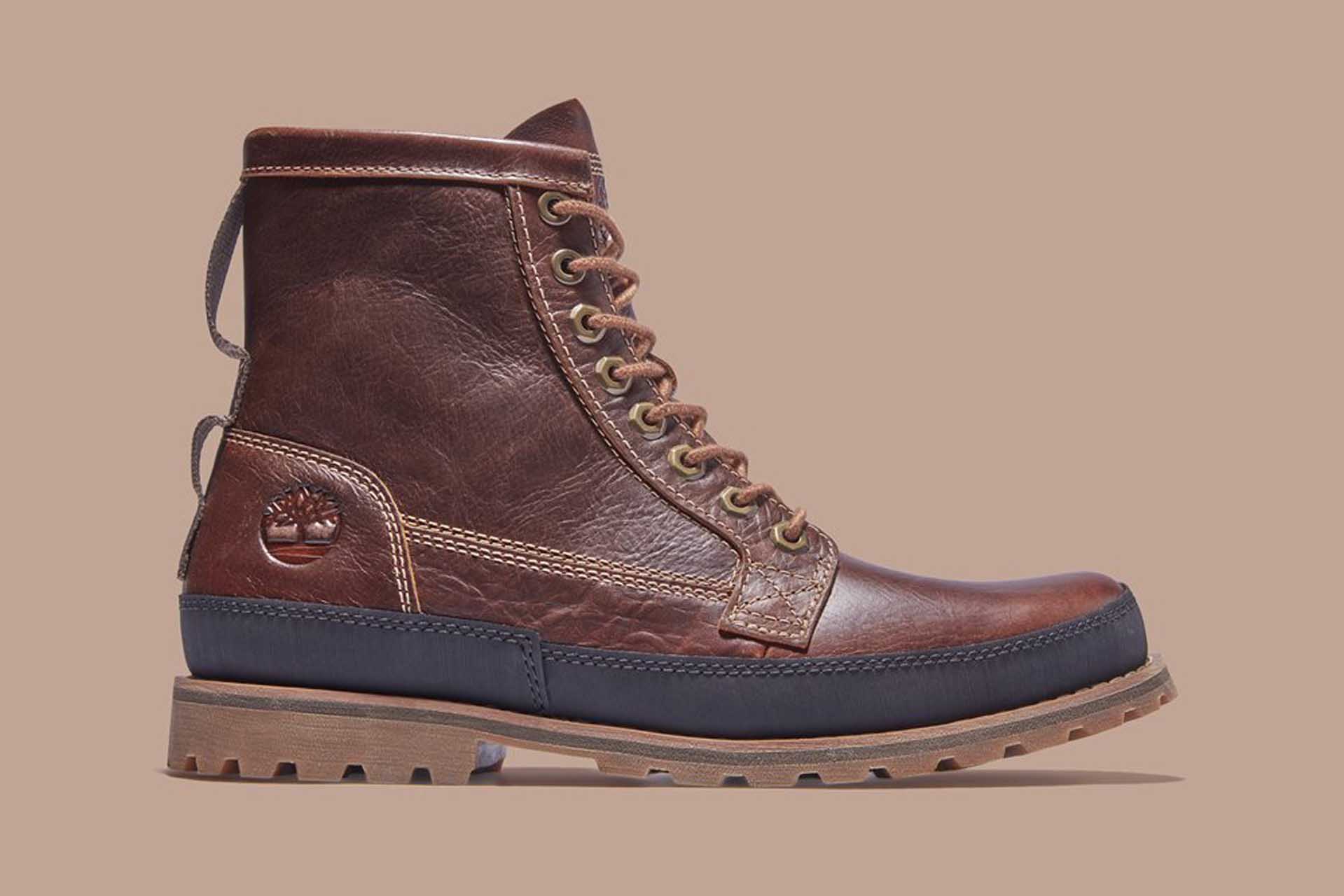
In 2019, footwear and apparel brand Timberland announced its intention to build a ‘regenerative leather’ supply chain. Part of its 2030 vision to design products with a “net positive impact”, the company committed to sourcing 100 percent of its natural materials from regenerative agriculture, which aims to restore the soil. But what exactly does that mean and how does it work? Looking at the steps Timberland is taking to create a more responsible leather supply chain provides an insight.
From the ground up
To deliver on its regenerative leather promise, Timberland is working with partners in the United States, where it sources 90% of its leather. These include Other Half Processing (OHP), a company that works with farms and ranches, meat companies and processors, and Thousand Hills Lifetime Grazed regenerative ranches. While the U.S. leather supply chain uses best practices in social, environmental and animal welfare protection, these supply chain partners give Timberland access to hides that meet its standards with respect to biodiversity, soil health and carbon sequestration.
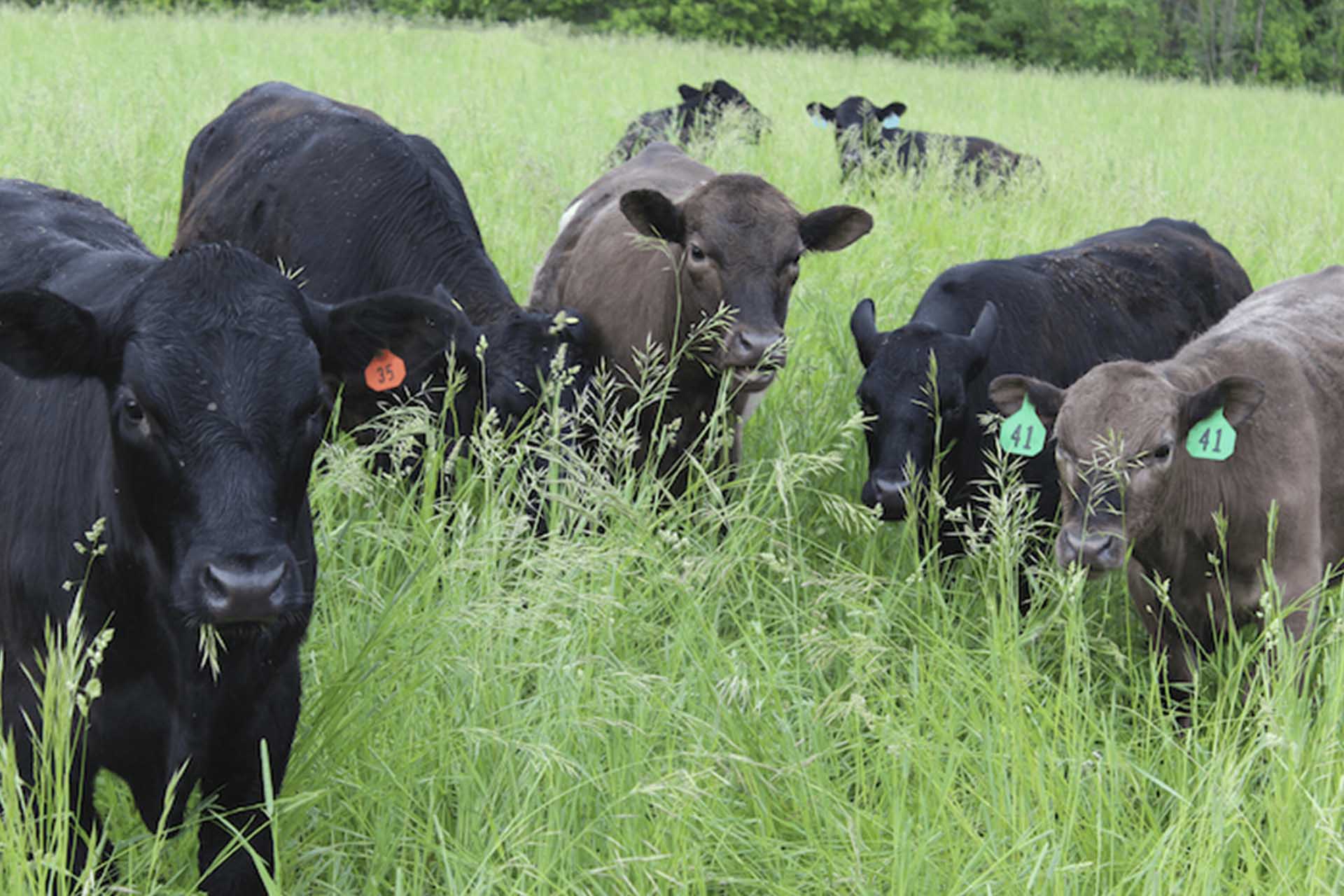
Farms that are 100% Grass-fed, practice Managed Grazing and are committed to Regenerative Outcomes are eligible to join Timberland’s regenerative leather supply chain. Farms need to be able to demonstrate their compliance with each of these criteria through verification via various market certification schemes, such as the American Grass-fed Association (AGA) standards, the Regenerative Organic Certification (ROC), the Savory Institute’s Ecological Outcome Verification (EOV), or Audubon’s Conservation Ranching Initiative.
However, it’s not enough for producers to have the right practices in place; they need to show that what they are doing is having a positive impact. Today, the tools and the science to measure that impact are limited, according to OHP Co-founder and CEO Jim Kleinschmit. But showing real soil benefits is the long-term aim of Timberland’s regenerative leather supply chain.
Mimicking nature
As per Timberland’s specifications, grass and grazing are a major focus in regenerative systems. The idea is that by moving animals around ranches in a way that imitates the natural movement of herds in the wild, there are benefits for the land. The approach is based on the rule of thirds: graze a third, trample a third and leave a third of the land as grass, which allows plants to regrow and boosts carbon storage in the soil.
As Timberland explains, “Our planet has a problem – there is too much carbon in the air and not enough in the ground. Regenerative practices mimic nature, enabling the land to pull more carbon out of the atmosphere and efficiently store it in the ground, where it can rebuild the structure of the soil, leading to healthy, hydrated, fertile ground – and ultimately, net positive impacts for the land and the farmers.”
In this way, regenerative leather made from cattle reared using regenerative practices actively restores the soil and improves productivity.
A growing trend
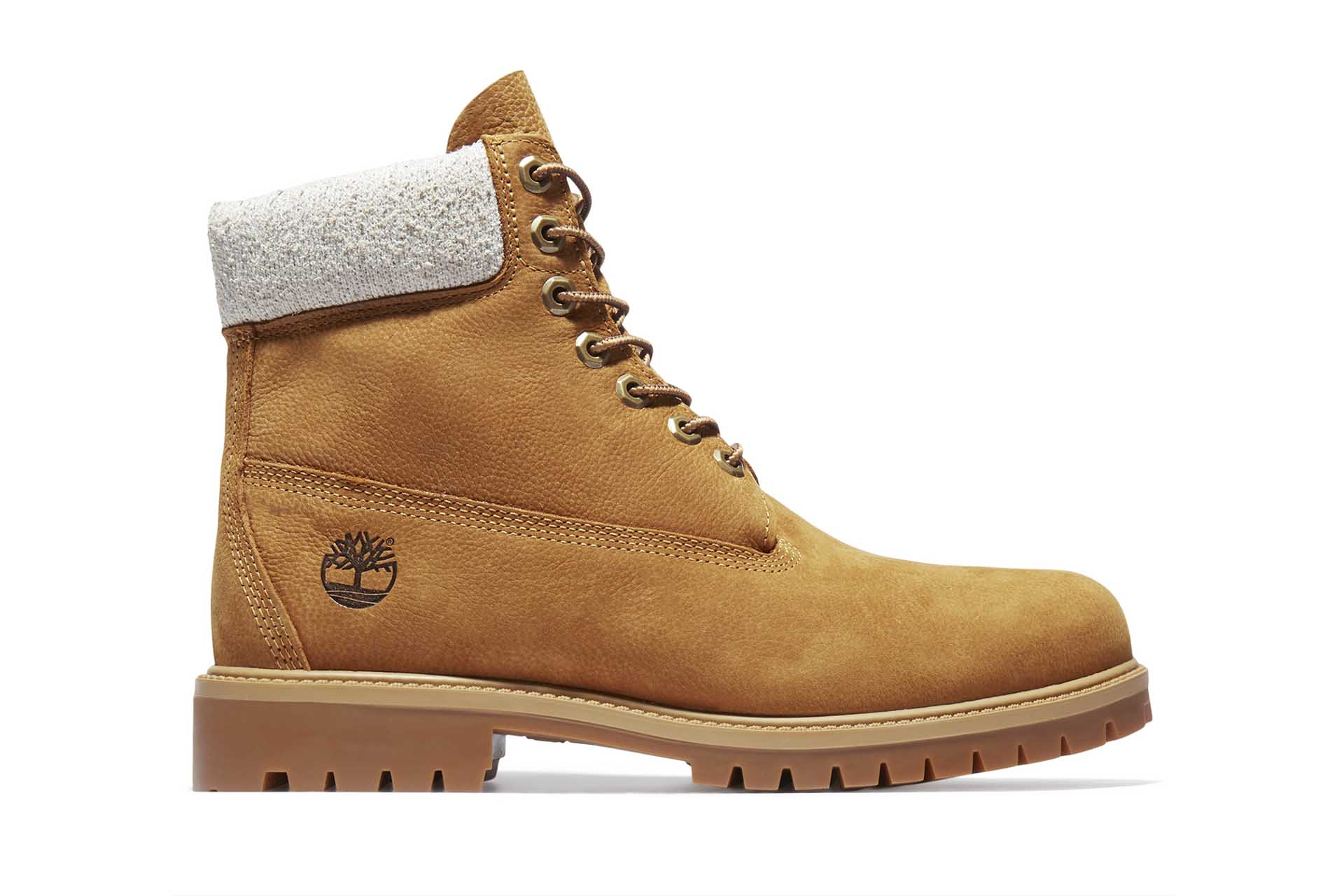
The results of Timberland’s regenerative leather supply chain can already be enjoyed, with several products already available. Most recently, the brand introduced updated versions of two of its most iconic styles – Earthkeepers® Original 6-Inch Boot with Regenerative Leather, updating the Earthkeepers® boot from 2007; and Timberland® Heritage EK+ 6-Inch Waterproof Boots with Regenerative Leather, based on the Original Yellow Boot design from 1973. In addition to using regenerative leather, both boots feature Timberland’s ReBOTLÔ fabric lining containing at least 50% recycled plastic.
However, while Timberland is the true regenerative leather pioneer, other brands are following in its footsteps. The most prominent is British luxury brand Mulberry, which outlined its regenerative aims in its Made to Last Manifesto in April 2021, including plans to develop “the world’s lowest carbon leather sourced from a network of environmentally conscious farms”.
In the words of the manifesto, “It is abundantly clear that Mulberry’s 50-year association with leather is both our greatest challenge and our greatest opportunity. That’s why we are pioneering a hyper-local, hyper-transparent ‘farm to finished product’ supply chain and working with a network of progressive farmers who are committed to practices that improve soil health and encourage biodiversity.”
The prospect of more brands investing in regenerative leather is exciting. Leather is already sustainable by dint of the fact that it’s made from a by-product from the meat and dairy industry that would otherwise go to waste. But regenerative leather goes beyond sustainability. It goes deep into the soil, helping nature thrive and giving back to the Earth more than it takes out.

By Stephen Sothmann of Real Leather. Stay Different.

PUMA: No Time For Waste
PUMA pilots testing for a biodegradable RE:SUEDE version of its most iconic sneaker.
Sports company PUMA has developed an experimental biodegradable version of its most iconic sneaker, the SUEDE, in order to meet a growing demand for sustainable products. The RE:SUEDE, which incorporates a mix of the latest technologies, will be made from materials that include Zeology tanned suede, biodegradable TPE and hemp fibres.
Zeology tanned leather is biodegradable and compostable and its inclusion in the RE:SUEDE project underlines the important role that leather can play in setting new standards in sustainability and tackling the problem of waste in the footwear industry.
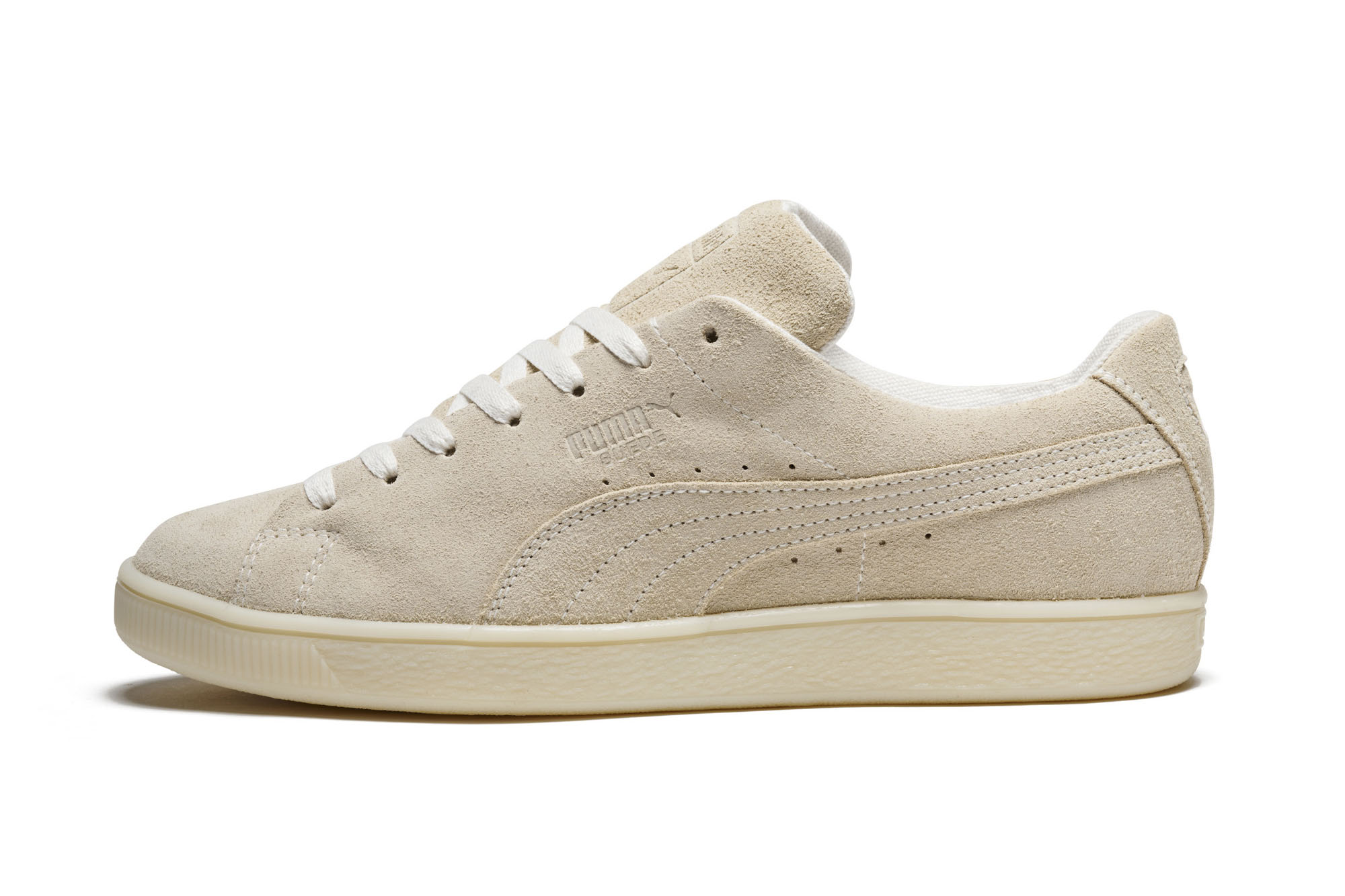
Launching in January 2022, it will offer 500 selected participants in Germany the chance wear their RE:SUEDEs for six months to test out the durability of a product using biodegradable materials in real life, before sending them back to PUMA for the sneakers to be subjected to an industrial biodegradation process.The goal of this step is to determine if Grade A compost can be produced for agricultural use and the results will enable PUMA to assess the essentials needed for the development of the future of sustainable shoe consumption.
Heiko Desens, PUMA’s Creative Director said, “We hope that progress made during the RE:SUEDE experiment: ‘No Time For Waste‘ will help us continue to raise the bar in circularity testing – enabling our consumers to make better fashion choices in the future, so their sneakers can go ‘from Suede to Soil’, without compromising on product style or durability during ownership.”
Since its arrival on the scene in 1968 the PUMA SUEDE has been a cultural icon that transcends fashion, with this new development it is hoped that it will set the standards of the future too.

Anya Hindmarch Launches Return to Nature Collection
Challenged by the idea of a zero-waste future, and looking to nature for inspiration, Return To Nature is the result of two years of research and innovation.
In support of DIRT, the foundation for the regeneration of the earth
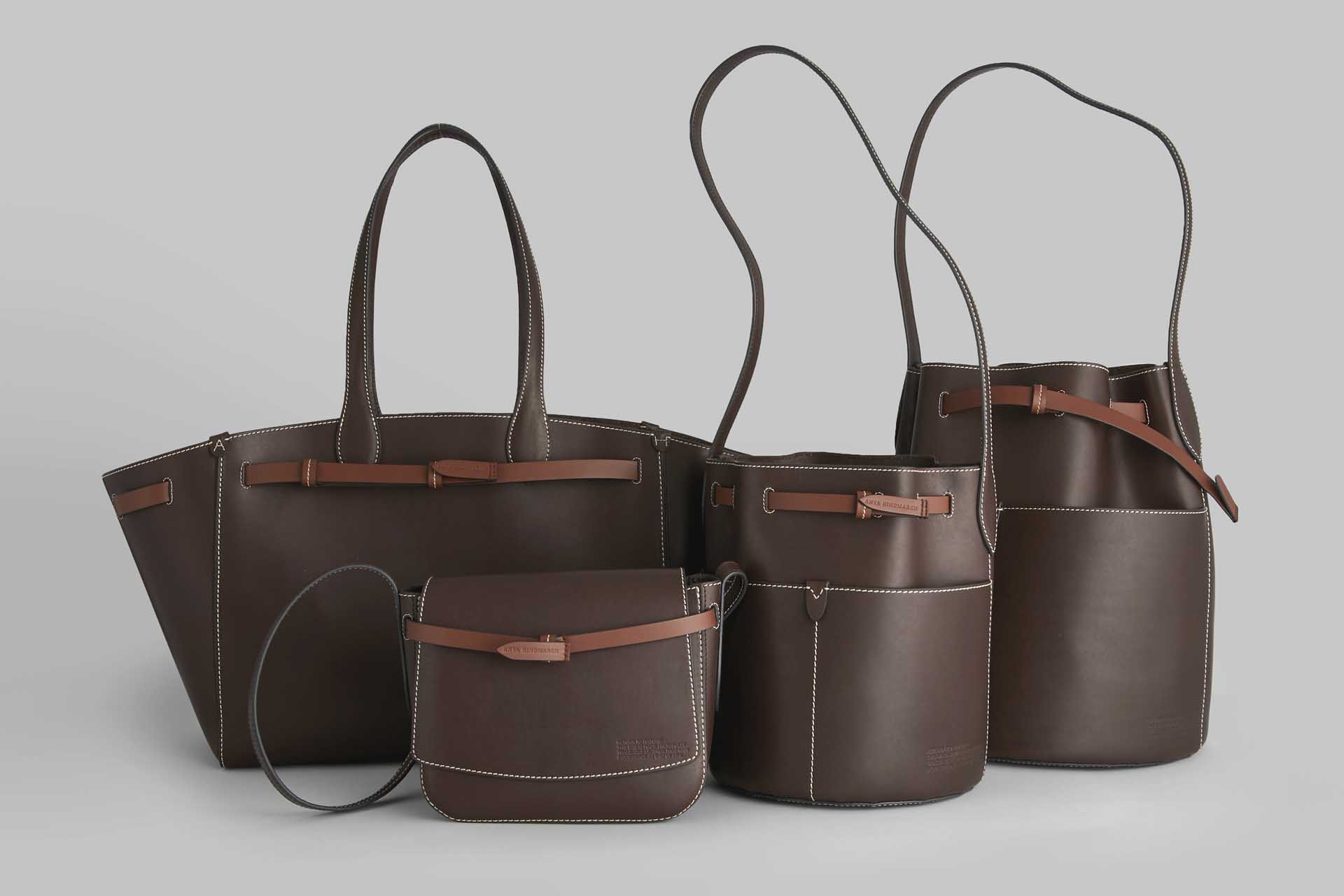
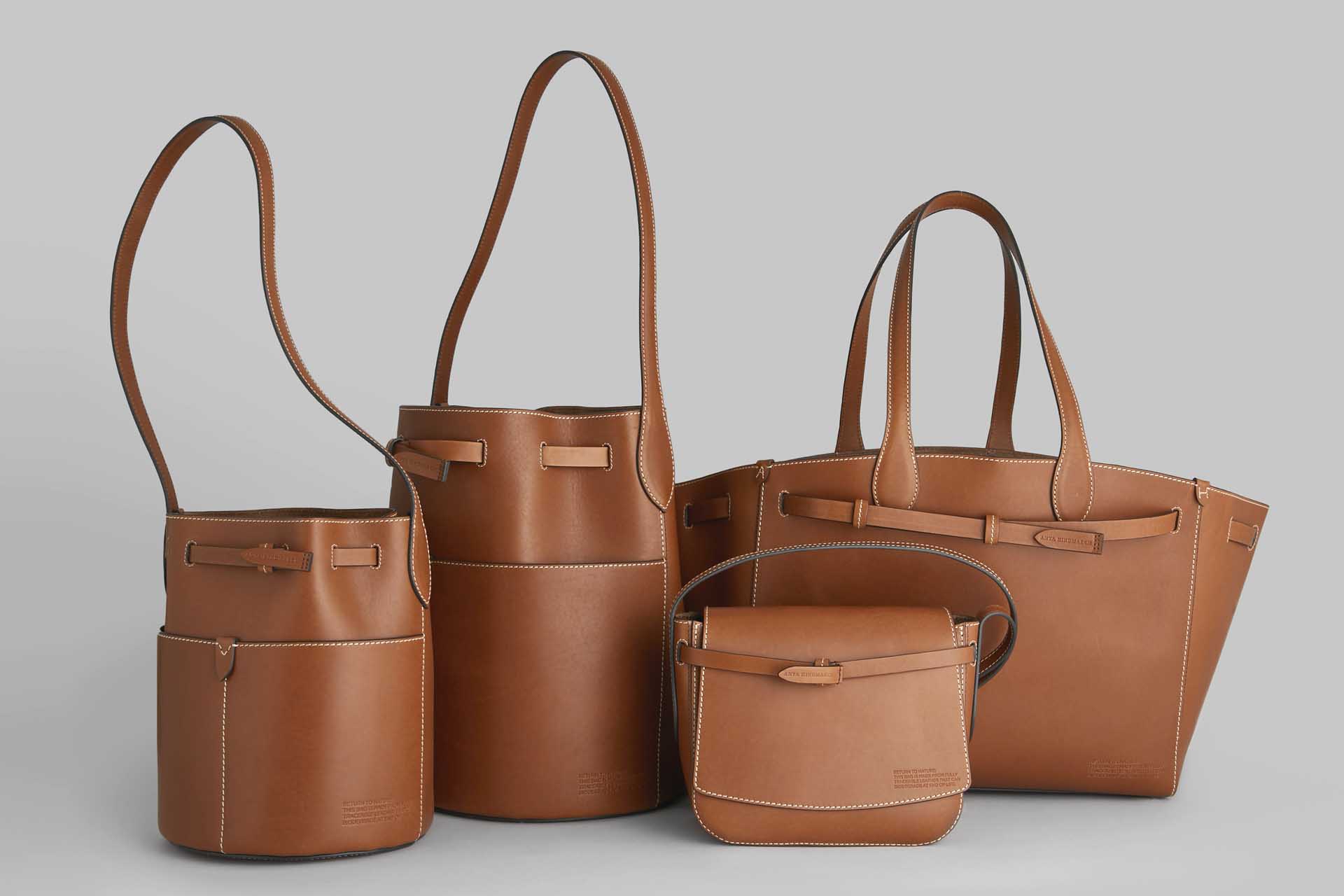
It has involved seeking out tanneries who can offer fully traceable skins, tracking down craftspeople who have developed pioneering tanning and finishing methods, and finding ways to make straps adjustable and bags secure without using any hardware. The result is a collection of luxurious bags that have been created with the intention of being biodegradable at the end of their lives, not just to avoid further landfill but also to mimic nature’s circularity and start a conversation about fashion’s role in the climate crisis.
In support of DIRT, the foundation for the regeneration of the earth
“A few years ago I heard Arizona Muse taking about the idea of a leather bag that could be tanned in a way that allowed it to biodegrade and return to the earth at the end of its life. There is no waste in nature, and this and Arizona’s words inspired me to embark on a lengthy project to see if I could make a beautiful bag from responsibly sourced leather, without using any hardware and tanned in a way that meant that it could biodegrade and ultimately return to nature. This is what I set out to do.”
Anya Hindmarch
Anya Hindmarch has worked with the family-run German tannery Richard Hoffmans (est.1899) and with Nera, part of family-owned company Smit & Zoon (est.1821) based in the Netherlands to develop this collection. The skins are sourced from Scan-Hide’s Swedish farms who have some of the highest standards of animal welfare in Europe and can offer traceability to the animal and its field.
The leather is made with zeology, an innovative new way of tanning that uses zeolite, and is finished with liquid silk to allow the bag to biodegrade 64% in 28 days (tested by BLC ISO 20136 a leather specific method used to determine degradability by microorganisms.)

Each piece is hand finished in Ubrique, the small town in Andalucia which has been world- renowned for its leather industry for over half a century.
As the project was inspired by environmentalist and sustainability consultant Arizona Muse’s words, Anya Hindmarch has partnered with Muse’s new, independent charitable organisation DIRT, with sales of the collection supporting the charity. The foundation is focused on promoting and supporting biodynamic farming, a regenerative agricultural system that enriches rather than depletes. By starting with asking how the land can be supported, biodynamic farming aims to create land which is healthier and more nutrient-rich season after season. For each product sold globally, a proportion of its retail price will be donated to DIRT, from £5 to £10.

In support of DIRT, the foundation for the regeneration of the earth
The collection is made up of three styles: a tote in two sizes, a bucket bag and a cross-body bag. All are available in either natural tan or dark chocolate. Each piece is supple and spacious, features the brand’s signature organisational elements inside, is stripped of any hardware and instead features a belt technique to fasten the bag and adjust the straps. Two collectible charms, a sycamore and an oak leaf, characterise the collection. With a pared-down aesthetic, the bags are designed to develop a beautiful patina over time. A customer’s initials can be added for a bespoke finishing touch.
“Nothing makes me happier than watching the development of the fashion industry as we all strive towards a regenerative future where every single product that is produced has a positive impact on nature and humans. I am therefore so proud to partner with Anya Hindmarch to celebrate her new range of biodegradable leather bags. These bags, once they have been loved by their owners for years and years, will be able to decompose back into soil, providing nutrients for the micro organisms beneath our feet!”