


Leather Offers Lifetime Performance for Your Car Seats
The way we use our cars is changing – leather should be along for the ride.
As a commitment to reduction in consumption and more sustainable lifestyles consumers are looking to buy in products that last longer, cars are no exception. Conversely, a growing trend, particularly in cities is to own no car at all, but to use car-sharing schemes.
Whether you’re a careful car owner that wants to make the most of your investment or a subscriber to car-sharing as and when you need it, your requirement is for interiors that can stand up to the wear and tear of everyday use, be easy to clean, will be the same.
It is for these reasons, combined with the unique touch that leather brings that it has been a long-time favourite for car seating and interiors. It is no surprise that Bentley Motors places such high importance on leather in its quest to be the most sustainable luxury car brand.
One4Leather is a great resource for anything you want to learn about automotive leathers and you can read the full article in its website here.

Get Access to METCHA Forward, a Trend Report to Inspire and Inform
METCHA’s new initiative compiles leather-oriented trends for the near future covering all major industry areas of concern in an exclusive report.
(Main shot – CASABLANCAⒸ \ NEW BALANCE (article))
METCHA FORWARD, the trend report is the first edition of a behavioural analysis divided between sustainability, lifestyle, fashion, sneakers, furniture, and automotive.

Image (left) Federico Pestilli x Luca Stefanon x Andrew Archeos (article) (right) Olivier Rousteing (article)
The METCHA team has identified 28 leather-oriented trends to inspire and guide through the coming seasons. Published in a comprehensive report, it covers the subjects of sustainability, lifestyle, fashion, sneakers, furniture and automotive.
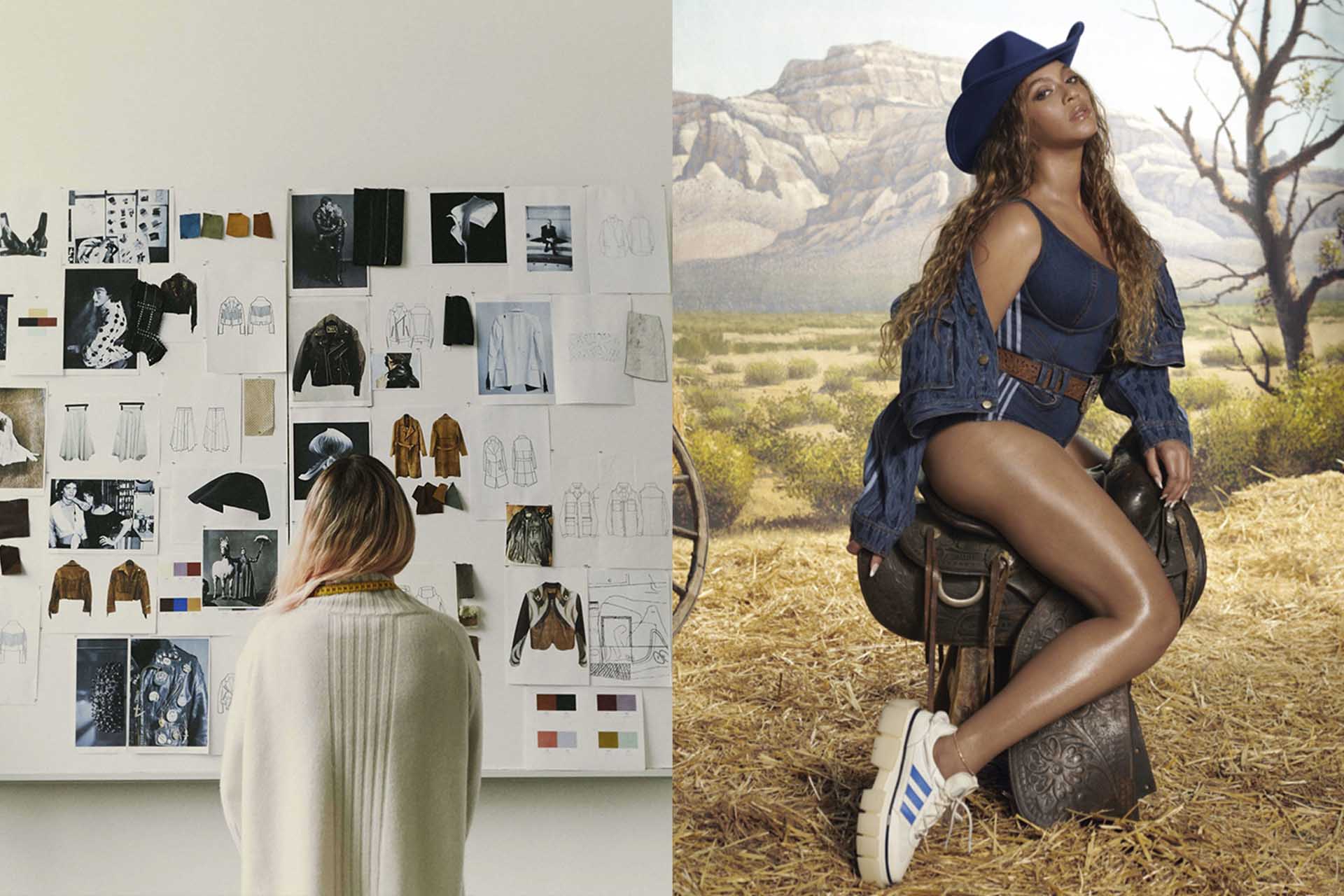
Image (left) Murray Fredericks x Matthew Woodward Architecture (article) (right) ALLSAINTS (article)
Download the report for free here, where you can also sign up to automatically receive the next issue.
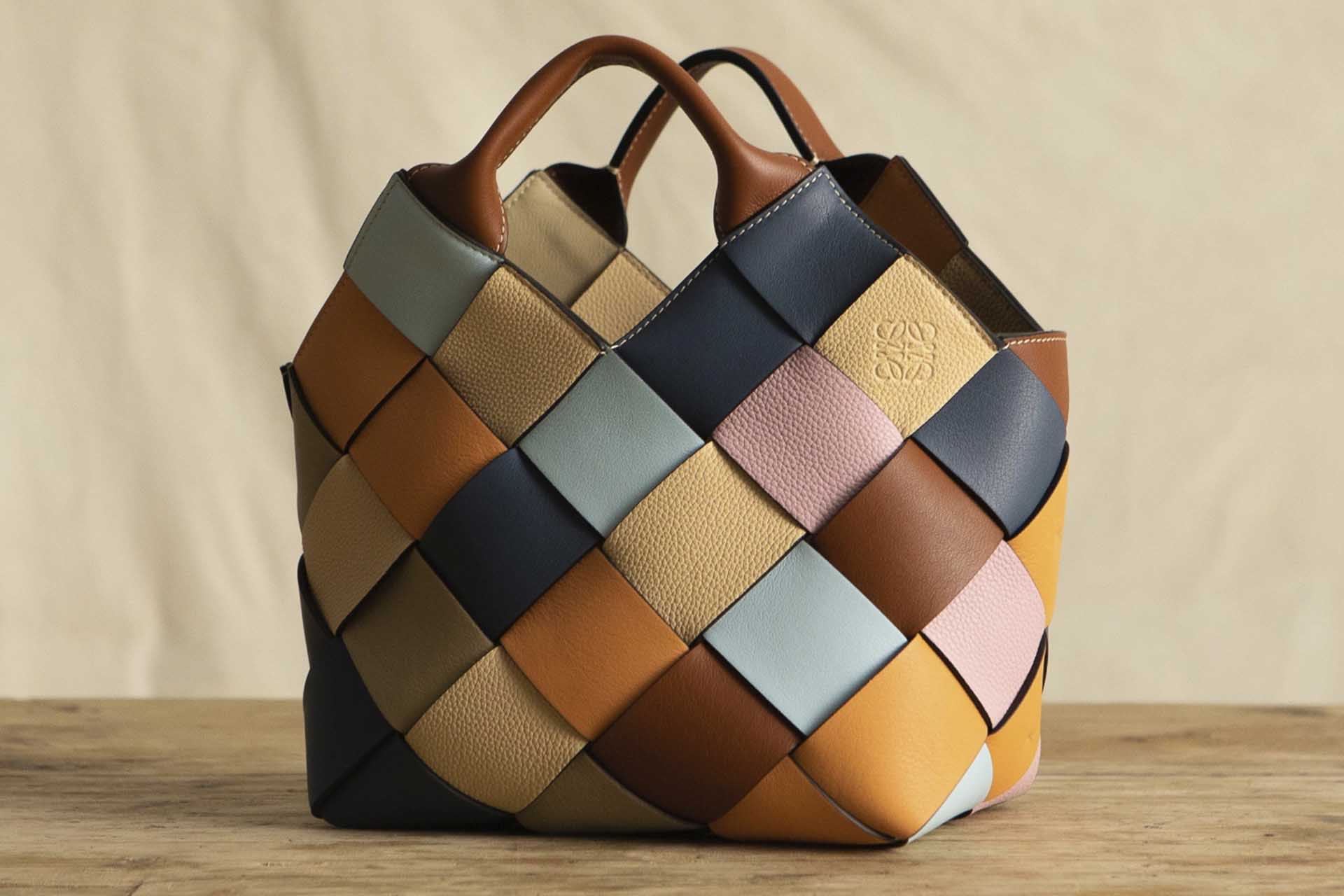
Powered by Leather Naturally, METCHA is a global digital platform that brings together creatives, stories, and strong ideas about design and culture across the globe. More than 3.8 million people rely on its mix of news, style, interviews and design goals that are served up every day on its website and through its social media channels.
Check out the website https://metcha.com and follow @metcha on Instagram to for 500 monthly hits of creative inspo direct to your feed.

PALAPA
PALAPA takes its name from the Spanish word referred to a shelter roof made of dried palm leaves. The most common place to see a palapa is in Mexico’s tropics.
LN: What does your brand name “Palapa” mean?
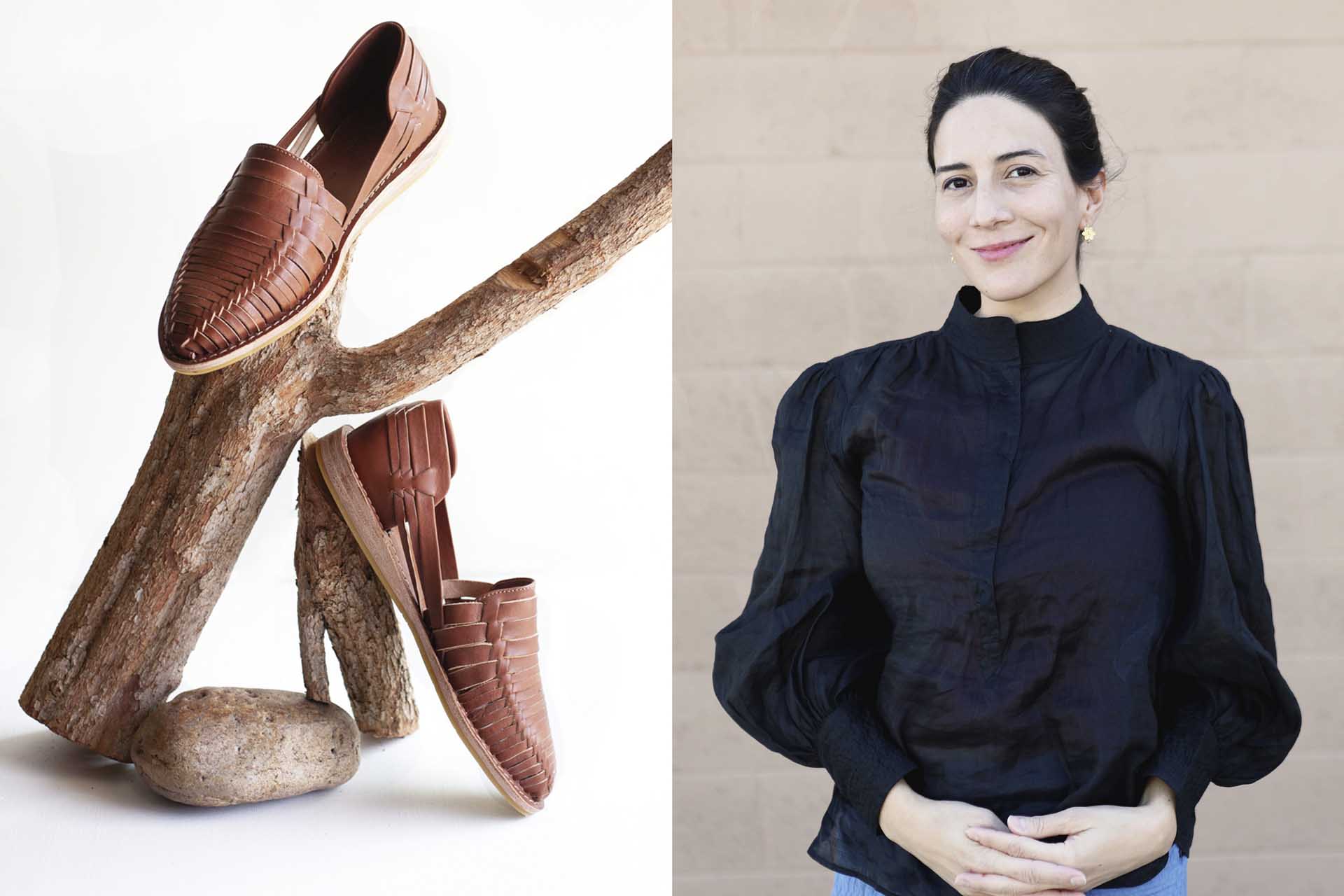
PALAPA takes its name from the Spanish word referred to a shelter roof made of dried palm leaves. The most common place to see a palapa is in Mexico’s tropics. Being born and raised in Acapulco, palapas were part of the local architecture. As a kid, a palapa is that space that provides refuge from the sun after spending hours in the water. Is where you put the hammock up and take a nap, is where you gather with friends, it’s a space to wind down and enjoy the present moment. Why did I choose this name for our huarache brand? First of all, l love the analogy of providing shelter to your feet. Second of all, because palapas and huaraches have a lot in common: they are both traditional crafts, handwoven, sourced from organic materials and their construction allows air flow. They both age beautifully and with proper care, could last a lifetime. Lastly: we love the sound of the word, in English: “pah-lah-pah”, it’s like a mantra.
LN: When did you start your business and why?
We only launched PALAPA a few months ago (July 2021) but started working on developing the product and the brand since 2019, when my youngest daughter was only 10 months old. Prior to founding Palapa, I pursued a career in Art History and worked as an art editor, covering the arts in magazines and newspapers across Mexico, so I have always been interested in Mexico’s art scene as well as its traditional crafts. But my interest in footwear, particularly, started when I was pregnant with my first child, in 2016, and my feet started to hurt. I remember particularly one hot summer day in NYC (where I lived for six years): I was five months pregnant and looking for a comfortable sandal to wear throughout the last stages of my pregnancy but the more I looked, the more uninspired I felt. In regards to footwear it was always an “either – or” situation: you either got comfort or you got style, but never both. Although I’ve always valued the story behind how things are made, when becoming a mother I became more radical about my lifestyle choices and began a journey towards a more sustainable life. Living in California and looking for “the perfect sandal” let me to a product made in my home country: Mexico’s handmade huaraches. The journey started there. When I had to take a trip back home to start the process of creating what I think are the perfect sandals. It is funny how you sometimes have to take a few steps back to go forward. A dive in the past of a forgotten pre-columbian craft that lead us to create what we think is the future of footwear.
LN: Palapa is run by women only. Why only women?
I will like to emphasize that PALAPA is not only lead by women, but led by Mexican/Mexican American or what is now referred to as Latinx women. You don’t see that many Latinx females going into the start-up world, let alone creating a company from scratch. And that reason is not for the lack of drive or talent, but the lack of support even to allow them to lead in the workplace. The most important factors that come into play when creating your own company are socio-economic, race, geography and gender. We have been lucky to be in this point in our careers and only hope to become a point of reference for brown girls in the US. Because although I am very optimistic about the fact that these are better times to be a female entrepreneur in the US, there is a long way to go to for Latinx women.
LN: Can you tell us who is your main target group?
Women of all ages that appreciates handmade and well-made pieces that can be part of their effortless-chic wardrobe and sustainable journey.
LN: What are your sandals designed for?
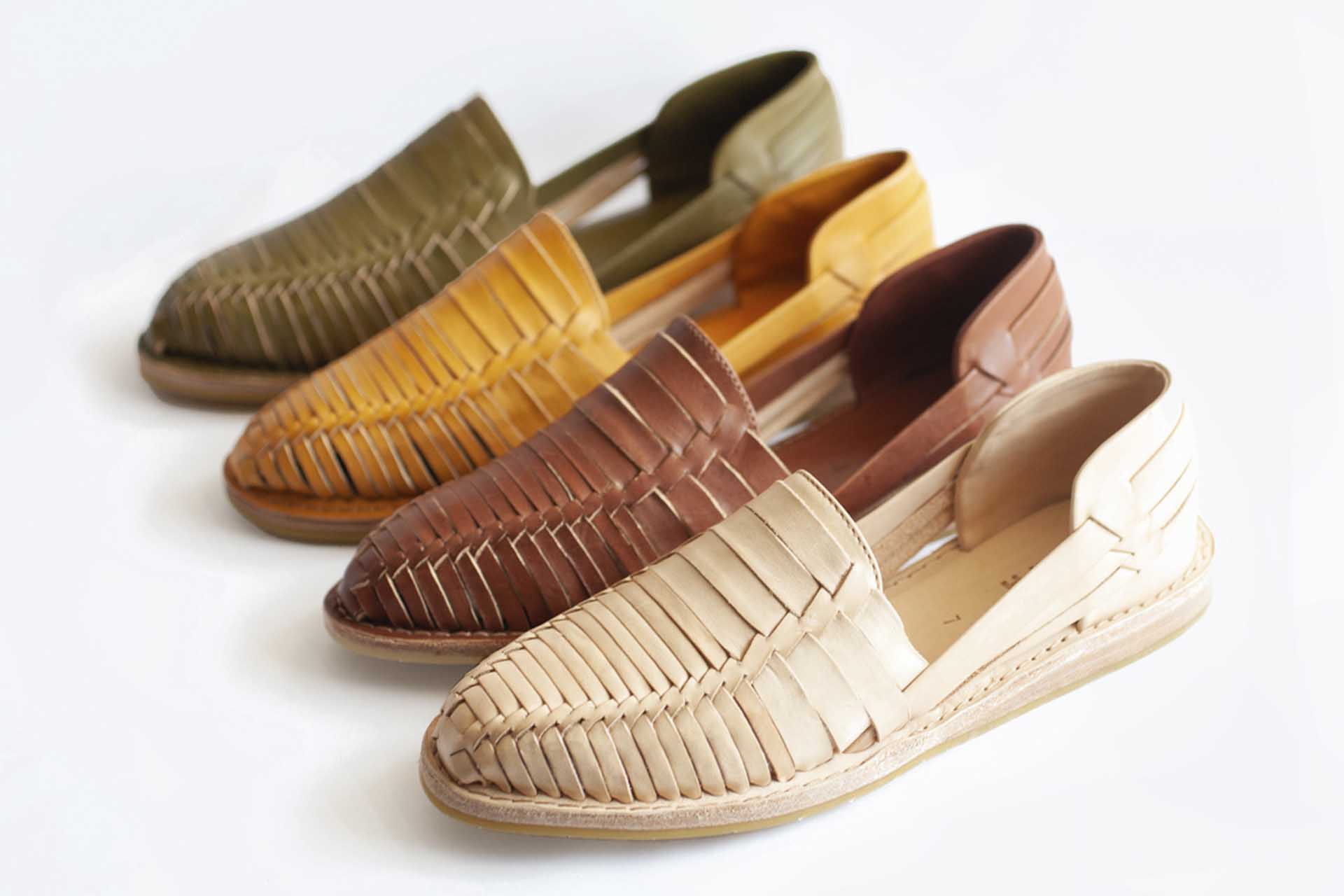
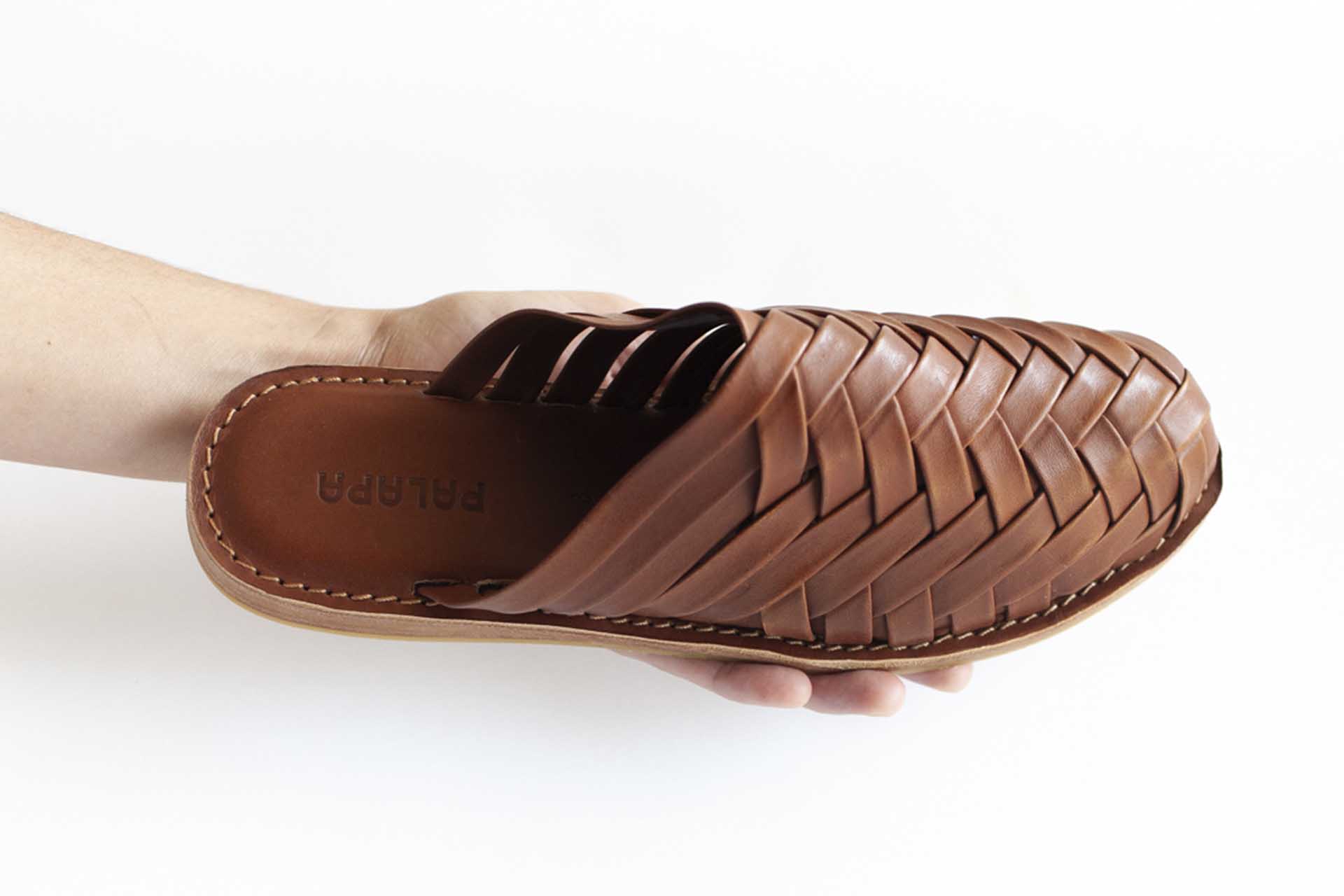
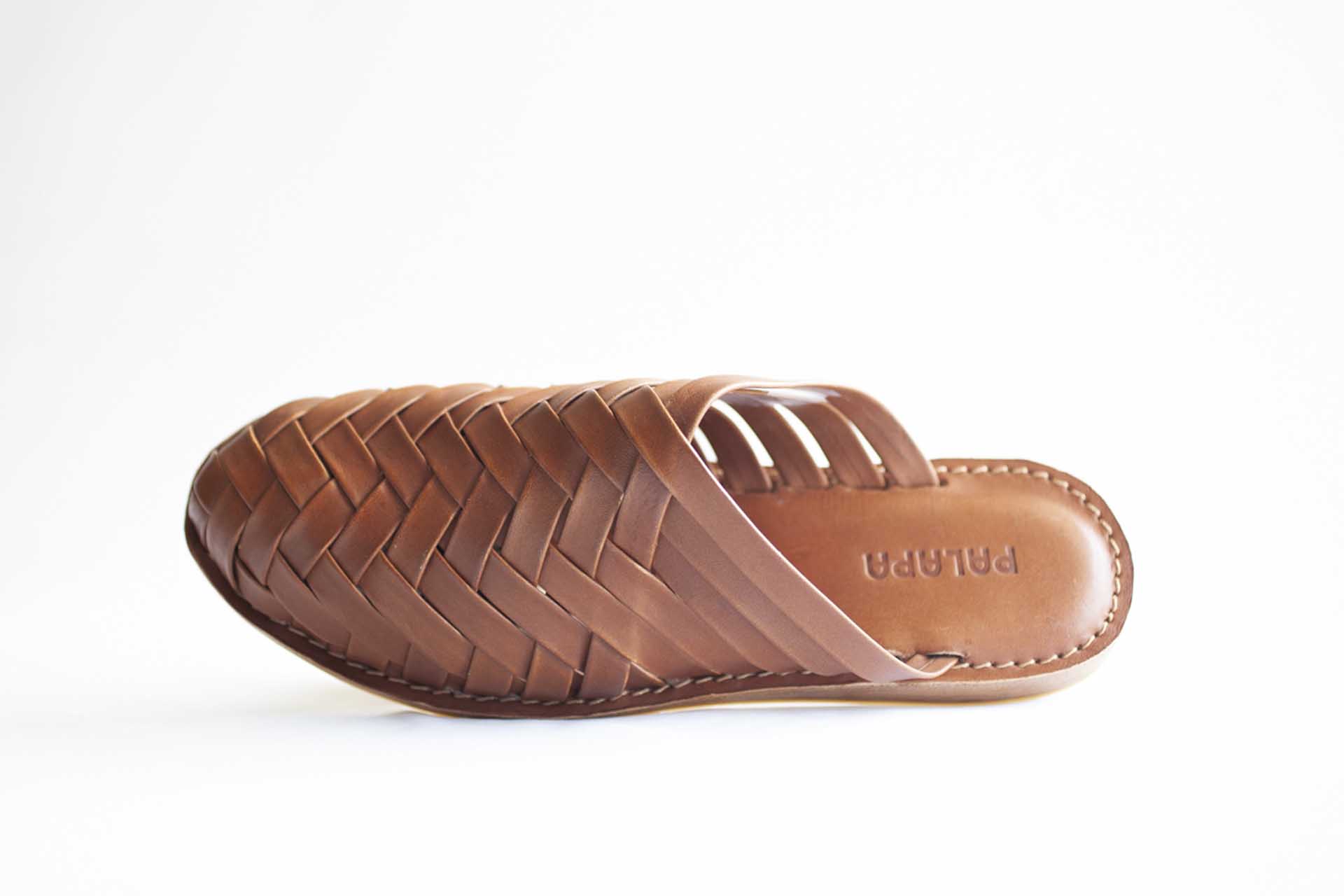
We founded PALAPA on the principle that women should not have to sacrifice style for comfort, and are committed to providing the highest quality not only in aesthetics but in the raw material you are stepping your feet on. That is why we have the highest quality leather in the market, one that provides wellness to your feet because it is breathable, antiallergenic and flexible. We have a motto that says: “wear every day, everywhere with everything” and we mean it. We essentially designed a sandal that gets more comfortable the more you wear it.
LN: You say: we honor tradition by mindfully crafting our sandals with responsible materials, tell us more.
PALAPA takes pride in offering beautiful soft leather that is also sustainable. The brand’s leather provider is based in León, Guanajuato, and is one of the few in the world with a gold standard in ecological and ethical practices from the rigorous International Leather Working Group. The result is a shoe that is made with leather treated with 100% natural components, metal free, and without chrome.
LN: Why have you chosen to use leather for your sandals?
Leather is a flexible material and allows you the possibility to have long-lasting sandals that mould to your feet. Our leather is treated with natural components which allows it to age beautifully, developing a natural patina. Our leather is also breathable and anti-allergenic, therefore is ideal for footwear.
LN: Please tell us about your sustainability goals with your sandals.
Sustainability is a path and we are constantly working on improving. There is always a way to be sourcing more eco-friendly materials and making processes more efficient and clean, from design to distribution. Our goals are to keep sourcing our raw materials from responsible providers and keep building a product that lasts.
LN: How does a consumer know to choose the right pair of leather sandals?
I think it is important for them to know if their sandals are 100% leather, as some brands only invest in leather for the upper of the shoe and not the inner sole. If you are landing every step in a synthetic material you are not getting the benefits of real leather which is its natural barrier against moisture and bacteria.
LN: Tell us more about your plans for the future
We are hoping to launch men’s sandals soon! Stay tuned!

ECCO Debuts Innovative Bags and Accessories Concept
ECCO Leather Goods is a new bags and accessories concept that includes pieces made with the DriTan technology, which reduces water consumption.
ECCO Leather Goods is a collection designed in-house, using leather from ECCO’s own gold-rated tannery. It combines craftsmanship, responsibly made leather and functional design for an on-the-go consumer looking for bags that fit their lifestyle.
“ECCO Leather Goods is an opportunity for ECCO to connect with a younger, more modern consumer that we’ve dubbed the ‘New Utopians.’ We aim to be radically inclusive and proudly introduce them to the future of leather accessories,” says Stefano Pillepich, Head of ECCO Leather Goods.
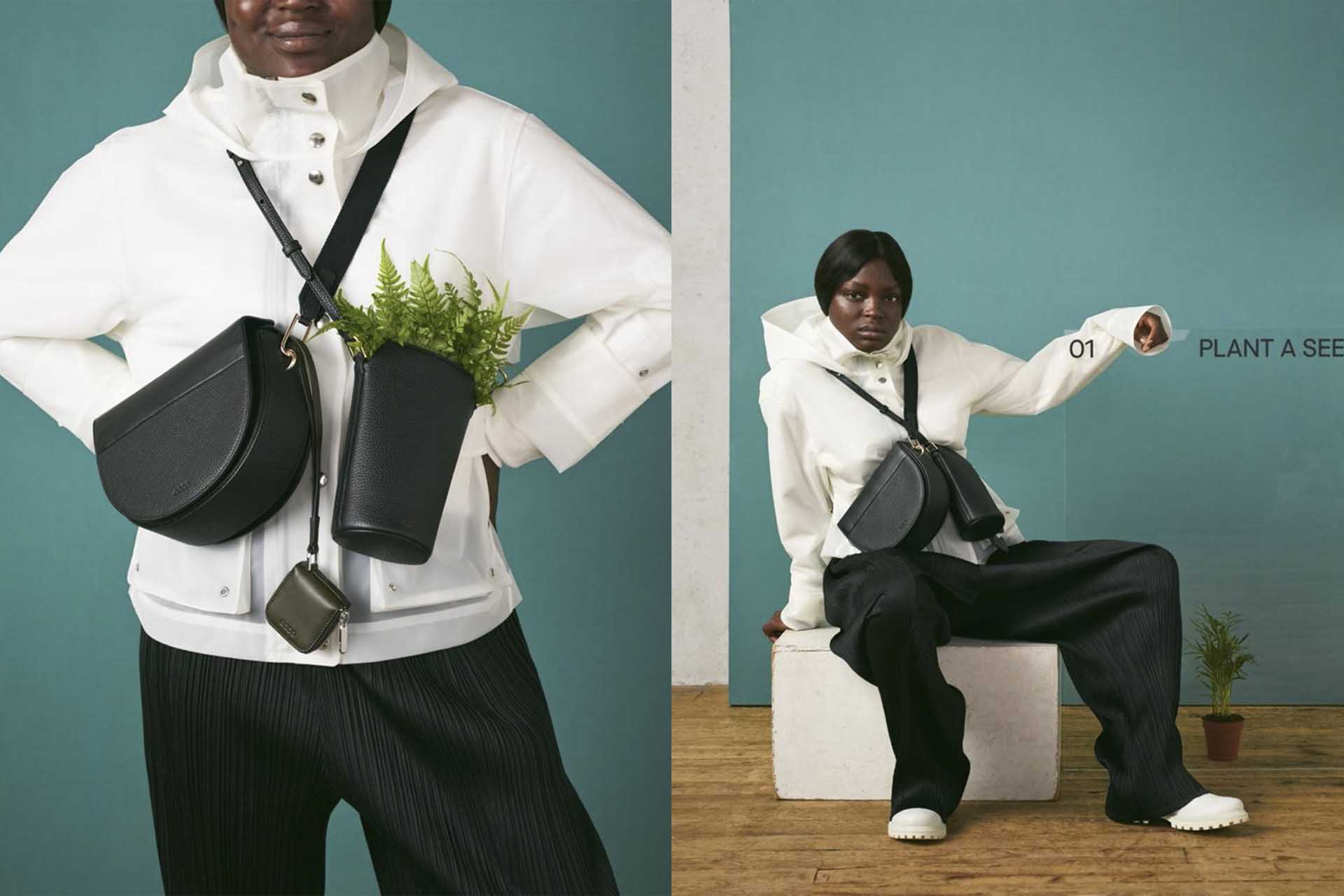
Many of the bags are hands-free, giving the wearer greater freedom of movement. Within the line are many small leather goods that can be attached to one another to create eclectic and unique combinations. On top of this, the collection is gender-fluid, meaning anyone can wear any piece – there are no men’s or women’s styles.
An important feature in the range is pieces made with DriTan leather, which is made using a technique that both reduces water consumption in the process and produces less waste water.
To learn more about DriTan technology, visit https://eccoleather.com/dritan#
“From the research we conducted, we feel we have really good insights into what young, ethically-minded consumers want and what they’re missing. We use the most innovative leathers from ECCO Leather, with eco-conscious materials including DriTan leathers and certified sustainable textiles,” explains Stefano Pillepich.
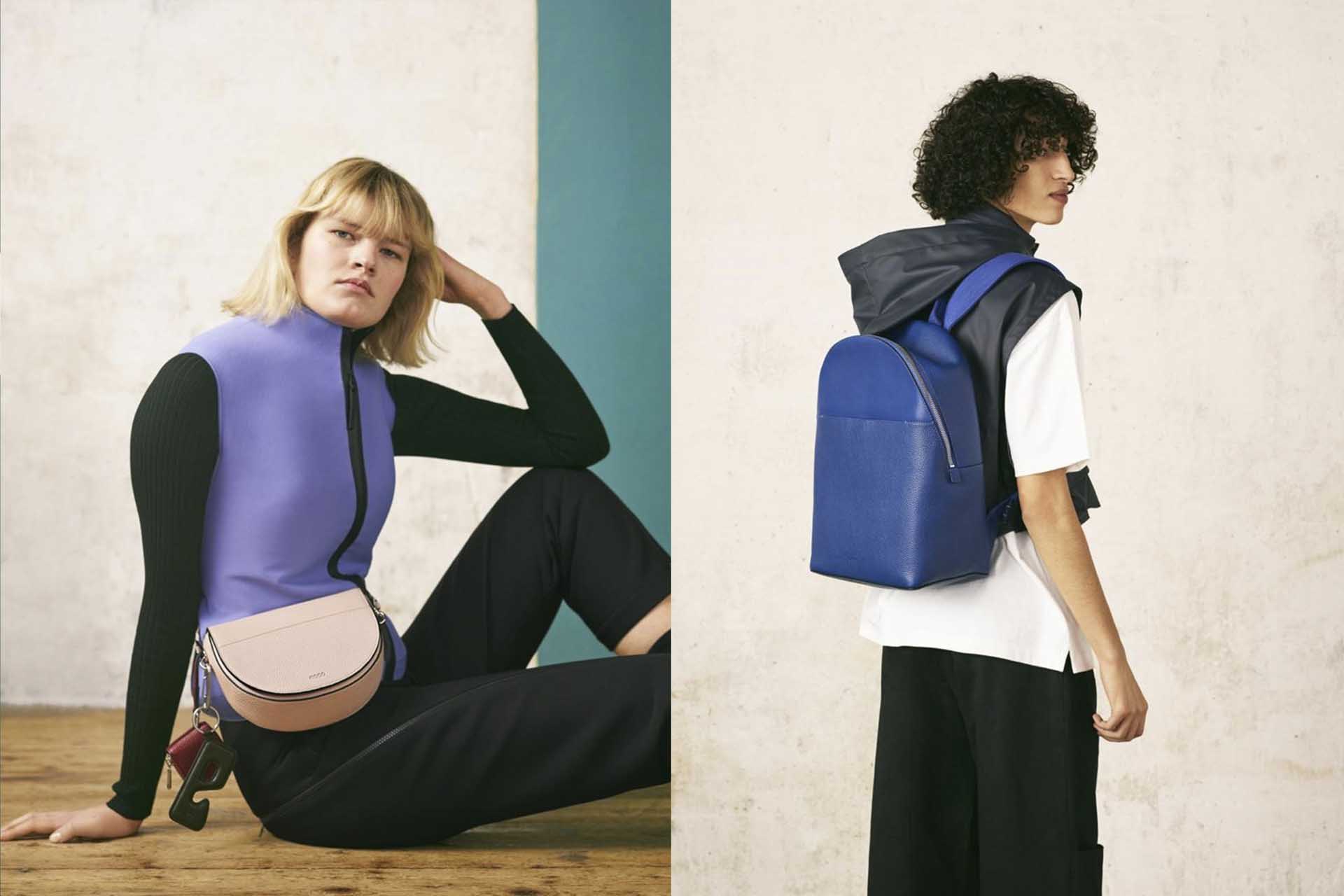
The ECCO Leather Goods concept has been inspired by the rebellious and soulful aesthetics of the ECCO brand’s founding years in the 1960s. Lettering from the archives is reborn in an alphabet of attachable charms.
ECCO is a member of Leather Naturally – Ecco Leather

COP26-Our-Materials-Impact-Our-Climate
The leather industry calls on COP26 to prioritise natural materials
The world needs materials that are sustainable, renewable, recyclable, biodegradable, and most importantly, do not add to the burden of atmospheric carbon.
Natural fibres, such as leather, cotton, wool, mohair, alpaca, silk, hemp and mycelium, are part of the biogenic carbon cycle and as such are comprised of carbon that has been in the atmosphere for a millennia.
These readily available raw materials, when ethically and properly produced, are an important replacement for fossil fuels, reducing the need for its extraction and retaining more carbon in the earth.
Furthermore, at the end of life, properly produced natural materials will biodegrade, limiting their impact and mitigating harmful emissions, such as microplastic pollution, often associated with the synthetic materials that they replace.
With particular reference to leather, the leather manufacturing sector upcycles an unavoidable waste from the food industry, to produce a versatile, durable, unique material, ideal for the circular economy that the world must move towards.
However, these same materials are often dismissed through a lack of understanding of the manufacturing process and its supply chain, or through the application of questionable science generally in the form of incomplete and incomparable or out-dated Life Cycle Assessments (LCAs), and the marketing of new, often fossil fuel-based materials claiming unsubstantiated levels of sustainability.
As shown by some emerging climate science studies, such as the GWP* model, production and use of biogenic materials typically does not add to the warming burden of the atmosphere, and where it does, the effects are short-lived. This is in contrast to materials produced from fossil-fuels, which release carbon that has been locked in the earth’s core for a millennia, and will persist in the environment, contributing to climate change.
Therefore, we, the undersigned organisations, call on the COP26 forum to…
…Recognise the cyclical, climate efficient nature of natural fibres and their potential for a positive contribution to reducing the climate impacts of consumer products.
…Encourage the use of natural fibres wherever feasible and reduce unnecessary reliance on fossil-fuel-based materials.
…Support LCA methodologies that accurately account for the environmental impact of fossil-fuel based materials, including end of life properties.
…Promote ‘slow fashion’, durable products, and items that can be used many times, repaired and refurbished, and last for years.
Signatories to the Leather Manifesto
Asociación Española del Curtido (ACEXPIEL – Spanish Tanners’ Association)
Associação Portuguesa dos Industriais de Curtumes (APIC – Portugal Tanners’ Association)
Association of Dutch Hide Traders (V.N.H.)
Australian Hide Skin and Leather Exporters’ Association Inc. (AHSLEA)
Cámara de la Industria de Curtiduría del Estado de Guanajuato – México (CICUR)
Cámara Nacional de la Industria de Curtiduría – México (CANALCUR)
Centre for the Brazilian Tanning Industry (CICB)
Centro Tecnológico das Indústrias do Couro (CTIC – Leather Center in Portugal)
China Leather Industry Association
Confederation of National Associations of Tanners and Dressers of the European Community (COTANCE)
Dutch Association of Leather Chemists & Technicians (NVLST)
International Council of Hides, Skins and Leather Traders Association (ICHSLTA)
International Council of Tanners (ICT)
International Union of Leather Technologists and Chemists Societies (IULTCS)
Fachverband der Textil-, Bekleidungs-,Schuh- und Lederindustrie – Berufsgruppe
Ledererzeugende Industrie (Austrian Association of Textile, Clothing, Shoe and Leather Industry – Leather Producing Industry Group)
Fédération Française des Cuirs et Peaux (French Hides & Skins Association)
Fédération Française Tannerie Megisserie (French Tanners Association)
Leather and Hide Council of America
Leather Cluster Barcelona
Leather Naturally
Leather UK
Leather Working Group
One 4 Leather
Society of Leather Technologists and Chemists
Sustainable Leather Foundation
Swedish Tanners Association
Turkish Leather Industrialists Association (TLIA)
UNIC Concerie Italiane (Italian Tanneries Association)
Verband der Deutschen Lederindustrie e.V. (TUV – German Leather Federation)
Wirtschaftsverband Häute/Leder (WHL – German Hide and Leather Association)
Zimbabwe Leather Development Council

The Truth About Leather in Cars
It’s time to tackle the misinformation that’s out there about the use of leather in cars
Online leather resource for the automotive industry, One 4 Leather has laid out the assumptions made about the use of leather in cars and answered them with plain facts. The feature is a must-read for anyone that wants to go deeper than the sensational headlines and learn that replacing leather with synthetic materials in cars will not save the planet.

Covering all the detail needed, from why animals are not killed for leather to better understanding environmental issues and the role that cattle can play in regenerative agriculture, the article concludes, “The bottom line is simple: we need to look at our consumption differently and find ways to be efficient with the resources we have available. Leather fits that future, as do other by-products that we have started to replace with plastics. Although plastics are part of what makes our lives convenient, safe, and protected, their use should always be evaluated first, and materials should be chosen based on the performance needed. Plastics or ‘vegan leather’ is not the one-fix-solution for our future. Leather has a huge part to play in a future where we use our resources responsibly.”
As luxury maker Bentley marks its intention to be the most sustainable car manufacturer by joining the Leather Working Group, it is important for everyone to understand the benefits that leather brings by turning a by-product that would otherwise go to waste in landfill into a beautiful, long-lasting material.
Read the full article on the One 4 Leather website here.

Il Bisonte
Why are the bags & accessories of Il Bisonte so revolutionary? Read the remarkable story of this artisan company situated in the heart of Florence.
LN: Your company is established in the heart of Tuscany – in Florence. Can you share your company’s history with us, and where the name Il Bisonte comes from?
Our company, which has just celebrated its first 50 years of history, was founded in 1970 in a small artisan workshop in the heart of Florence, a stone’s throw from the magnificent Palazzo Corsini where the headquarters, showroom and the brand’s flagship store are still located today. The founder, Wanny Di Filippo, was inspired by his favorite animal, the bison (bisonte) which is a universal symbol of peace and strength.

LN: You say: Il Bisonte bags and accessories are revolutionary in everything except in their absolute loyalty to the extraordinary Florentine tradition of manufacturing. Why are your bags & accessories so revolutionary?
Our products are revolutionary because they are the result of continuous inventions outside of mainstream manufacturing and because their style has always been unhindered by seasonal fashion trends. Thanks to their quality and timeless elegance, our bags and accessories are made to last a very long time, maintaining and increasing their beauty and uniqueness. This stylistic choice is also the foundation of authentic commercial sustainability.
LN: We are very curious to learn more about the extraordinary Florentine tradition of manufacturing. Can you please explain?
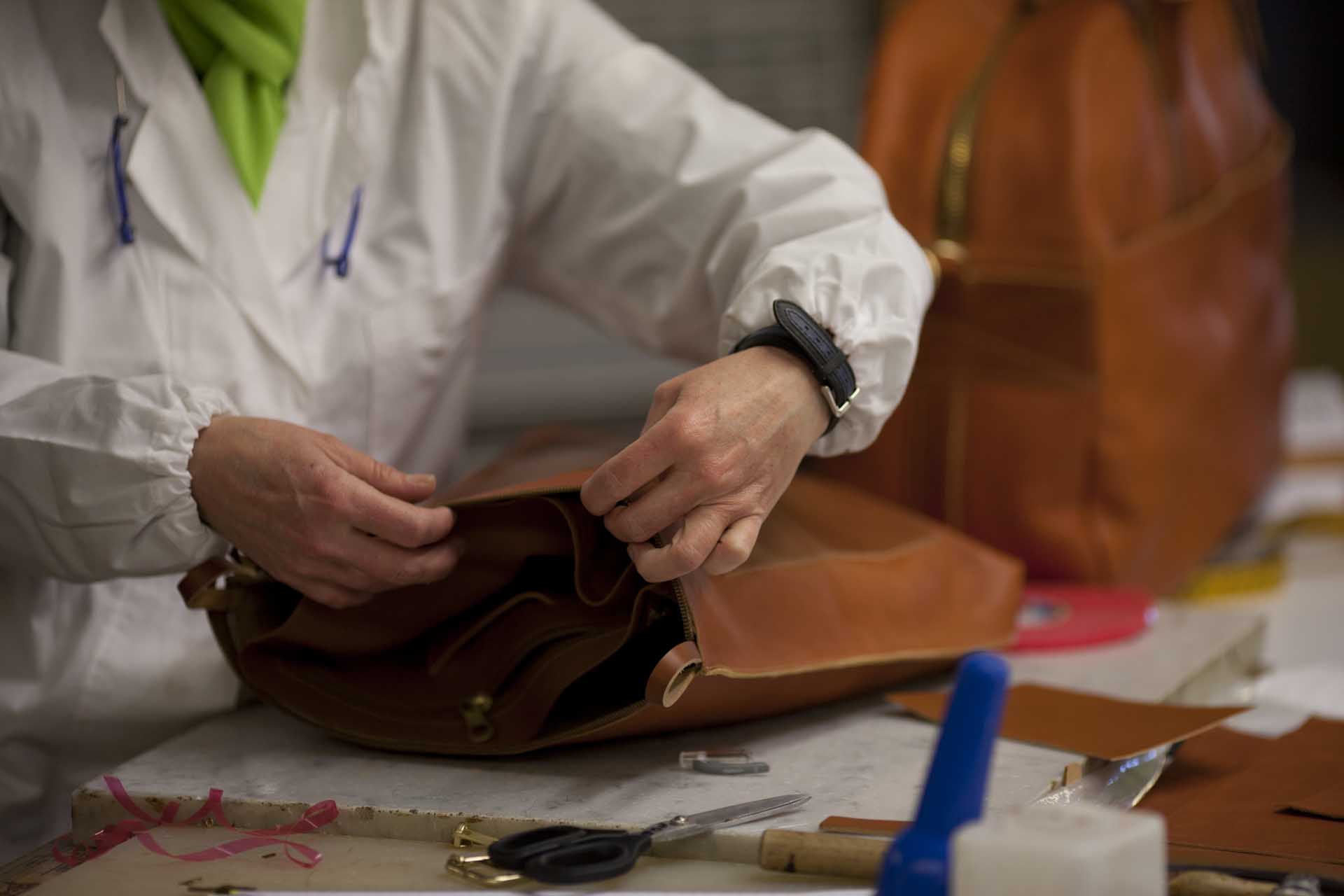
Il Bisonte products are made exclusively in the province of Florence by the best artisans in the world, true heirs of the centuries-old Tuscan manufacturing tradition. All leathers are tanned, coupled, cut, split, skived and hand-stitched within a 30KM radius of the main plant. We are committed every day to promoting the talent and passion of our artisans and to protecting and passing down their unique know-how from generation to generation.
LN: Santa Croce is one of the most important areas in Europe’s leather industry. How important is Santa Croce for your company?
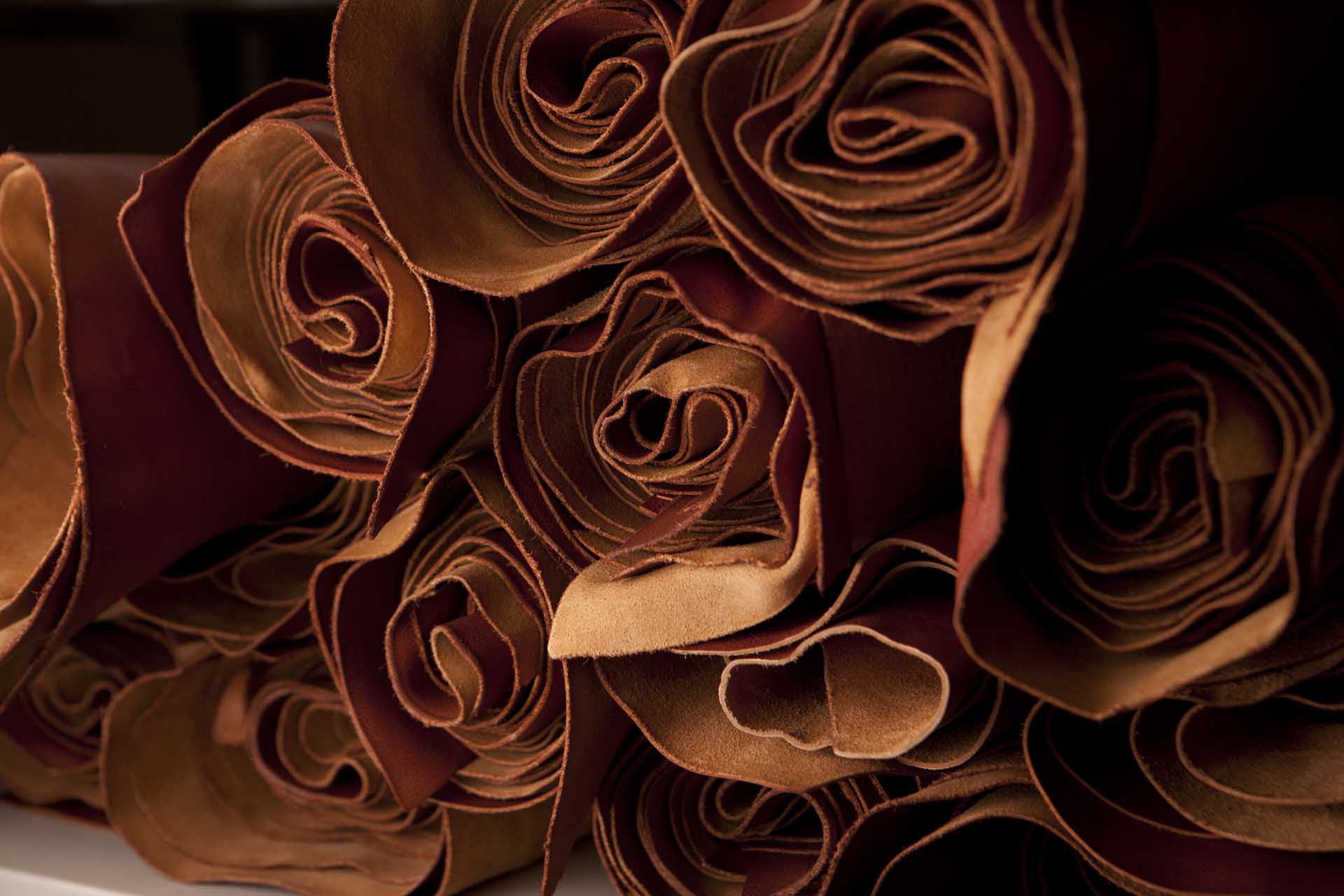
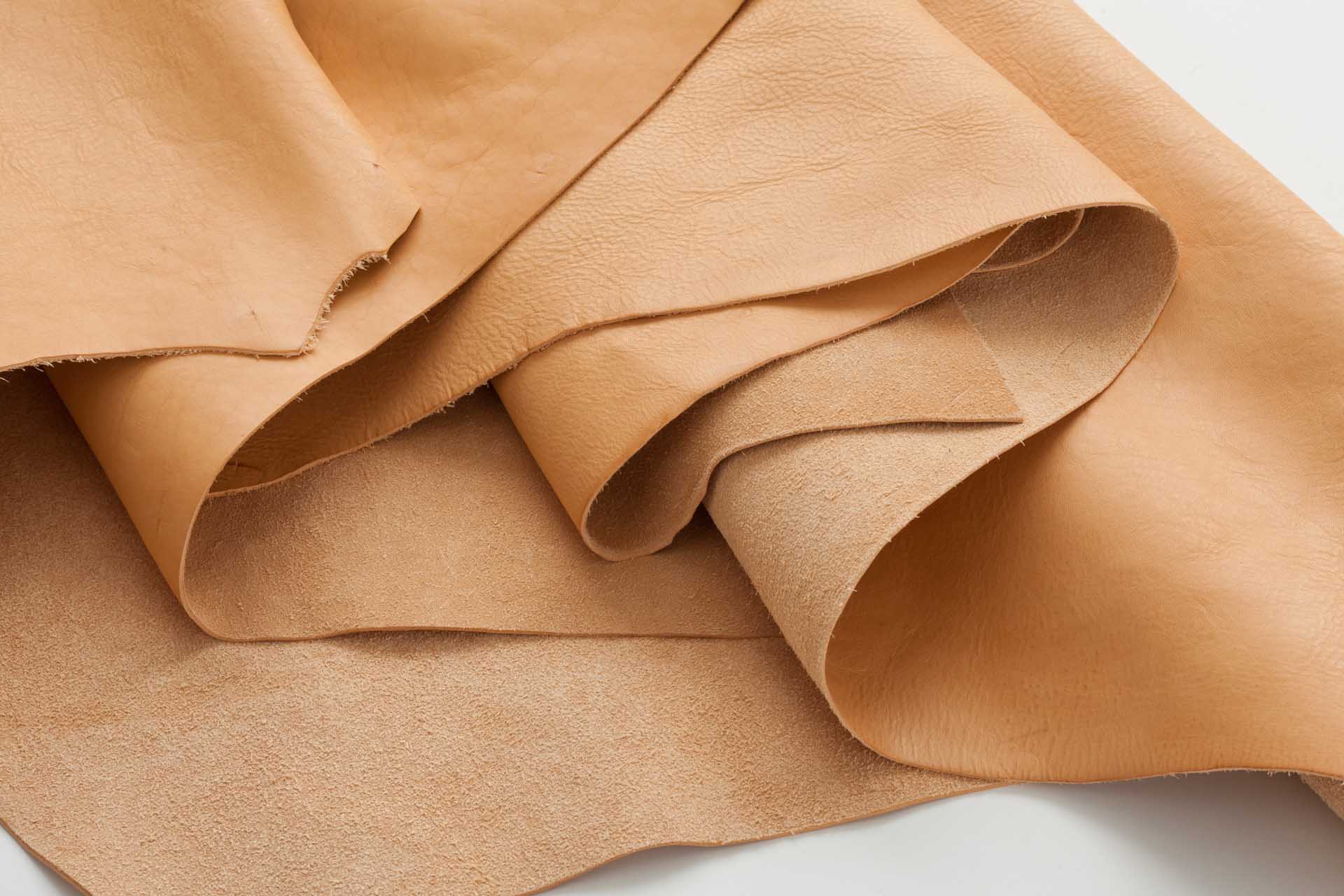
For more than fifty years we have been buying our leathers in the Santa Croce district where cowhide leather, Il Bisonte’s iconic material, is vegetable tanned following ancient procedures that use tannin obtained from tree bark. To produce it, competence and patience is needed. The result is a fine leather: beautiful, resistant, soft and rendered totally unique by its delicate woodland scent and golden patina that covers its surface over time.
LN: How are you inspired for new collections?
For our Heritage collection we have carefully selected some historical models that continue to appeal. Some of them have been in continuous production for five decades. Bags and accessories from the Contemporary collection are inspired by prototypes preserved in our extraordinary historical archive (which includes more than 2000 pieces) and are then reinterpreted with a contemporary twist, exemplifying lightness and minimalism.
LN: You mentioned in an earlier interview that your manufacturing methods are green. Can you give us more background on your green production?
The commitment to safeguarding people and the planet has been part of Il Bisonte’s DNA since it was founded. We put this mission into practice every day, making responsible choices inspired by an authentic and alternative circular economy. We use certified chrome-free and metal-free leathers. Alongside the vegetable-tanned cowhide, the new collections use innovative recyclable and compostable bio-tanned cowhide leather, recycled nylon, organic cotton and linen, and nickel-free metal accessories galvanized with eco-sustainable processes.

LN: How do you communicate your ethos with the consumer?
Our products embody the idea of sustainable luxury made with materials responsibly sourced and processed and destined to last a lifetime and to be handed down from generation to generation. We offer our clients exclusive maintenance and repair services by artisans who are in charge of reconditioning our products.
Building a better future for the planet is not something you can do alone. This is why we work hard to involve all those who love Il Bisonte in our sustainability projects. We also do this through our website’s Journal where we tell the stories of people who inspire us. The first was Yacouba Sawadogo, the farmer (2018 Alternative Nobel Prize winner and 2020 United Nations “Champion of the Earth”) who managed to plant trees in the African desert.
LN: What should a consumer know about leather?
Il Bisonte’s customers are attentive and well-informed consumers, with considerable ecological awareness and good knowledge of the raw materials and production processes we use. They know – because we tell them – the stories behind the bags and leather accessories they buy. They appreciate that our leather is recycled and derived from food industry waste and that no animals are killed to produce it. This awareness is the best antidote to both disinformation and the rhetoric of green-washing.
Why do you think leather should be the material of choice for consumers?
Because choosing high quality leather means investing in a durable and sustainable good. And because it is extraordinarily beautiful and offers multisensory experiences that no other material can.

Leather Industry COP26 Reduce Fossil Fuels, Prioritise Natural Materials
Leather Naturally, along with 28 other international leather industry organizations, today called on the 2021 United Nations Climate Change Conference (COP26) to prioritize natural materials as a means of directly mitigating climate impact.
The “Leather Manifesto” written by the organizations, challenges the COP26 to recognize the cyclical, climate efficient nature of natural fibers and their potential for a positive contribution to reducing the climate impacts of consumer products.
“Natural fibers,” states the Leather Manifesto, “are part of the biogenic carbon cycle and as such are comprised of carbon that has been in the atmosphere for a millennia. These readily available raw materials, when ethically and properly produced, are an important replacement for fossil fuels, reducing the need for its extraction and retaining more carbon in the earth. Furthermore, at the end of life, properly produced natural materials will biodegrade, limiting their impact and mitigating harmful emissions, such as microplastic pollution, often associated with synthetic materials.”
The Manifesto further notes that natural materials, such as leather, are often dismissed through a lack of understanding of the manufacturing process and its supply chain, or through the application of questionable science generally in the form of incomplete and incomparable or outdated Life Cycle Assessments (LCAs). Alternative materials, often fossil fuel-based synthetic alternatives, use this confusion to make unsubstantiated claims about their sustainability.
“Leather is an upcycled materials that perfectly fits in a responsible and circular society” said Egbert Dikkers, Chair Leather Naturally. “The COP26 conference offers an excellent platform for global leaders to prioritize natural materials and reduce the dependency on fossil-fuel based synthetic materials” Dikkers added.
ENDS
Leather Naturally is a not-for-profit industry members association that focuses on education and the promotion of leather. We promote the use of globally manufactured sustainable leather made from hides and skins that are a by-product from the food industry that would, otherwise, be turned into waste.
More information on leather sustainability, production and education, can be found on our website https://www.leathernaturally.org/
Media enquiries: Debbie Burton, Communication Team, info@leathernaturally.org

Nike's Jordan Brand Retro Collection Demonstrates the Versatility of Leather
Nike has released a preview of the Jordan brand Holiday 21 collection and it’s everything you want.
The collection includes multiple sizing options as well as four iterations of the Nike Air Jordan I.



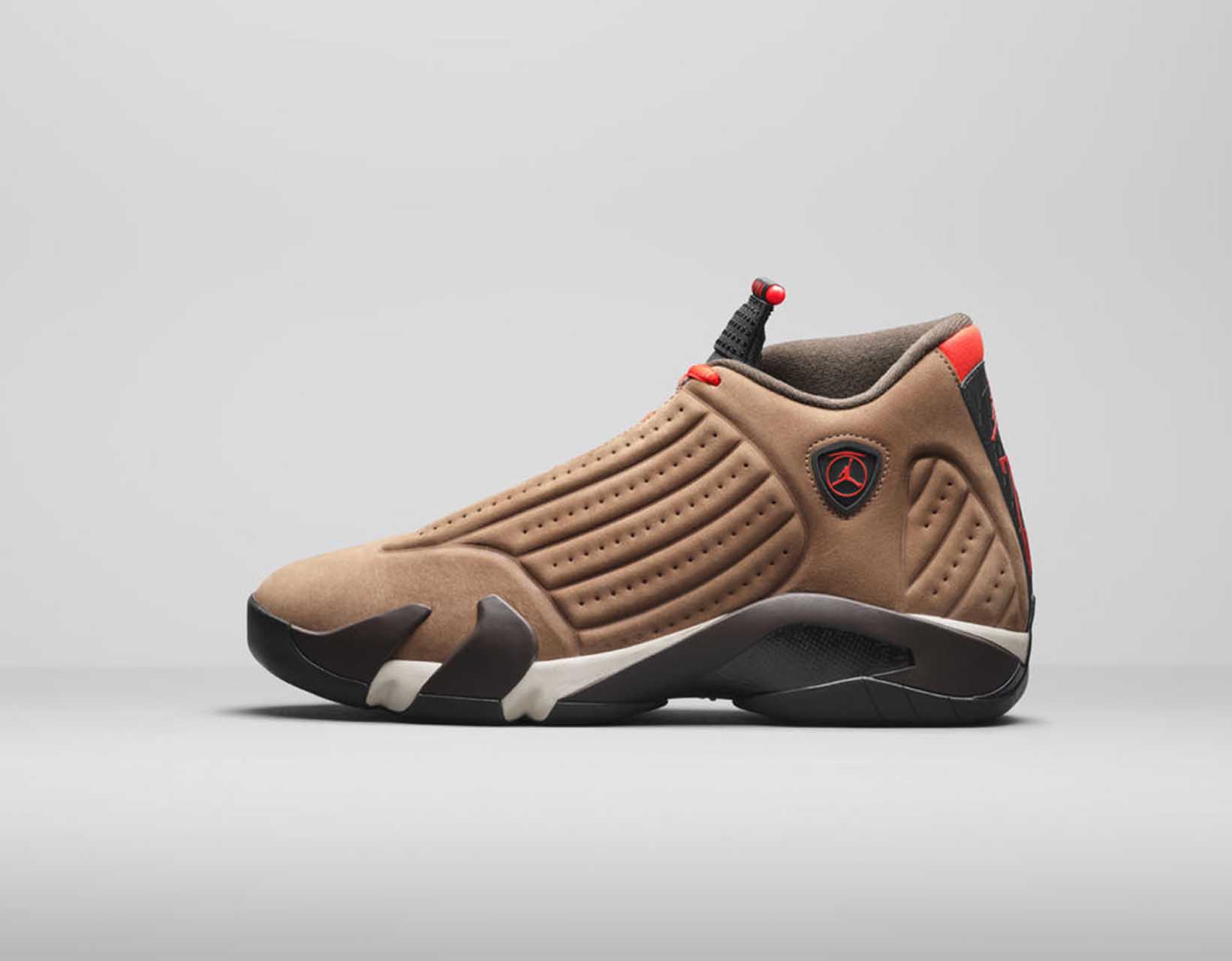
In addition to seasonal colour combinations, the brand has used different leathers to bring distinctive looks and performance features such as the water-resistant winterised suede featured on the Air Jordan XIV Retro.

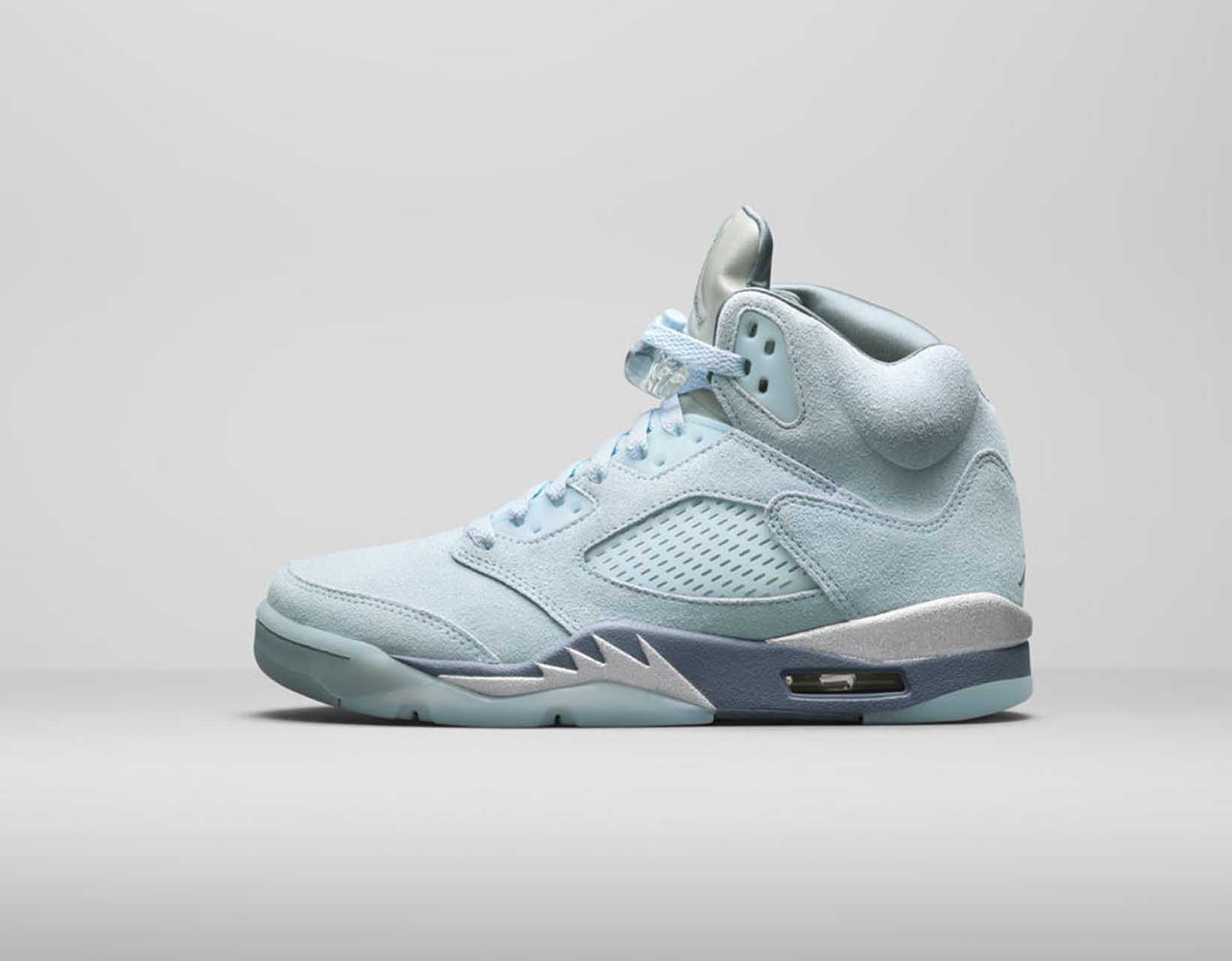
The shaggy shocking pink suede of the Women’s Air Jordan XIV Low is going to put it high on so many wish-lists this coming season, but for anyone looking for a more subtle take on the retro theme, the Women’s Air Jordan I Hi OG combines matte nubuck and patent leather in a partnership of pale pink and navy. The all-nubuck Women’s Air Jordan V is also a classy counterpoint worked in icy pale blue tones.
The Air Jordan V Retro has been specified with a premium leather upper designed to wear to a unique patina over time, demonstrating that although this launch hits the spot for Holiday 21, the shoes themselves will hopefully be worn for a long time.


Buy less, buy better, buy leather.
Leather Naturally joins the leather industry in rejecting Volvo’s statement
The announcement wrongly links the use of leather with meat consumption. Leather Naturally expresses its concern about Volvo’s statement, especially with regard to finding high-quality, sustainable and recycled bio-based alternative to leather.
Hides (leather’s raw material) come from animals that have been raised for food. The world over, farmers do not raise cattle for leather production purposes; instead hides and skins are a by-product of meat and dairy production. If not recycled for leather, hides will become contaminating waste and there is there is a significant potential risk that Volvo’s announcement will lead to more waste. Leather Naturally urges them to reconsider as a matter of urgency.
Leather is a bio-based and biodegradable material that is versatile, long-lasting, and is sustainable in that it up cycles renewable raw materials from the food industry. In a circular society, focusing on zero waste, we have an ethical duty to use every by-product. And what better use for a food by-product, that converting it into a noble and beautiful material?
The tanning industry is environmentally responsible and important to economies across the world where tanning and associated industries, are vital elements in creating livelihoods that have helped and continue to help pull millions of people out of poverty.
If Volvo is serious about specifying sustainable, recycled bio-based materials they should look no further than the original article: “LEATHER”
Furthermore, Volvo has stated that “Livestock is estimated to be responsible for around 14% of global greenhouse gas emissions from human activity, with the majority coming from cattle farming”
The above statement is misleading and demonstrates a lack of understanding about the methane cycle. Cows emit methane, a strong greenhouse gas. But this methane is part of a natural carbon cycle, where the methane breaks down into CO2 and water after about 12 years. The grass then absorbs the CO2 through photosynthesis, cows eat the grass, and the cycle continues. Conversely, CO2 from burning fossil fuel stays in the atmosphere for potentially 1,000 years.
Additionally, methane emissions from modern agriculture are falling. In some countries the beef industry has more than halved GHG emissions since 2005. With investment into innovative emissions reduction practices such as regenerative farming and technologies that are becoming common practice, the meat industry aims to be become carbon neutral by 2030 and could be an important key to the climate solution.
For all the above reasons, Leather Naturally urges Volvo to reconsider their positions towards leather, a modern, versatile and noble material that is part of the solution for the dramatic sustainability challenges the world is facing.
ENDS
Note to editors
Leather Naturally is a not-for-profit industry members association that focuses on education and the promotion of leather. We promote the use of globally manufactured sustainable leather made from hides and skins that are a by-product from the food industry that would, otherwise, be turned into waste.
More information on leather sustainability, production and education, can be found on our website https://www.leathernaturally.org/
Media enquiries: Debbie Burton, Communication Team, info@leathernaturally.org