


Portugal Legislates for Leather
Country puts protection from misleading terminology in place
Portugal has joined other nations including Belgium, France, Italy, Spain and Brazil in setting out the rules for the use of the word leather. A new decree establishes the strict requirements for use of the term leather, protecting the industry and consumers from misleading descriptions such as ‘vegan leather’ and ‘synthetic leather’.
Nuno Carvalho, President of the Portuguese tanning industry association APIC, said: “With this law, our Government acknowledges the strategic importance of leather and leather products for the Portuguese economy and the need for protecting it from deceptive commercial practices.”
The decree is available on the APIC, (Associação Portuguesa dos Industriais de Curtumes) website here.
Or download the English translation here.
Why is this important?
Many materials imply that they have the same natural origin and wear qualities as leather by including the term “leather”in the name when they do not.
The term ‘vegan leather’ is confusing, with materials that are very often derived from fossil fuels appearing to consumers to be more sustainable than leather.
Plant-based alternatives, while being welcome as part of an overall movement towards more sustainable materials, can send equally mixed messages as they appear completely natural, but many rely on combining with synthetics for strength and structure.
For consumers wishing to make a conscious purchasing decision that allows them to balance environmental impact, a desire to use less plastic and the sustainability benefits of a product that wears well and lasts a long time, it is crucial that they can be confident in the description on the product label.
Want to know more? Leather Naturally has produced a simple guide to help explain the increasing confusion around this topic but it is hoped that more countries will follow the example of Portugal in both protecting leather and ensuring that consumers are clear about what the are buying.

Leather and the Custom Car Interior
One4Leather on the benefits of leather in achieving the custom finish of your dreams.
Automotive leather is engineered to meet high technical standards that mean it will resist damage from sunlight, perspiration and wear. Designed to last a long time, it is easy to care for and will not need replacing for many years.
Creating the final colour is both an art and a science as the shade is layered through different stages of the leather-making process in order to achieve the final depth. Even once the colour is complete, different effects can be used to produce a truly tailored leather.
If desired, the nature of leather means that this very individual service can be supplied for just one car – something that is impossible to do with most other materials due to bulk production requirements.
Read the full article and much more about the specialism of producing automotive leather: https://www.one4leather.com/fact/leather-is-the-most-easily-customized-interior-choice
Website: www.one4leather.com
Regenerative Leather: When Recycle Becomes Renew and Restore
Steve Sothmann of Real Leather, Stay Different looks at the advantages of brands investing in regenerative leather.
In 2019, footwear and apparel brand Timberland announced its intention to build a ‘regenerative leather’ supply chain. Part of its 2030 vision to design products with a “net positive impact”, the company committed to sourcing 100 percent of its natural materials from regenerative agriculture, which aims to restore the soil. But what exactly does that mean and how does it work? Looking at the steps Timberland is taking to create a more responsible leather supply chain provides an insight.
From the ground up
To deliver on its regenerative leather promise, Timberland is working with partners in the United States, where it sources 90% of its leather. These include Other Half Processing (OHP), a company that works with farms and ranches, meat companies and processors, and Thousand Hills Lifetime Grazed regenerative ranches. While the U.S. leather supply chain uses best practices in social, environmental and animal welfare protection, these supply chain partners give Timberland access to hides that meet its standards with respect to biodiversity, soil health and carbon sequestration.
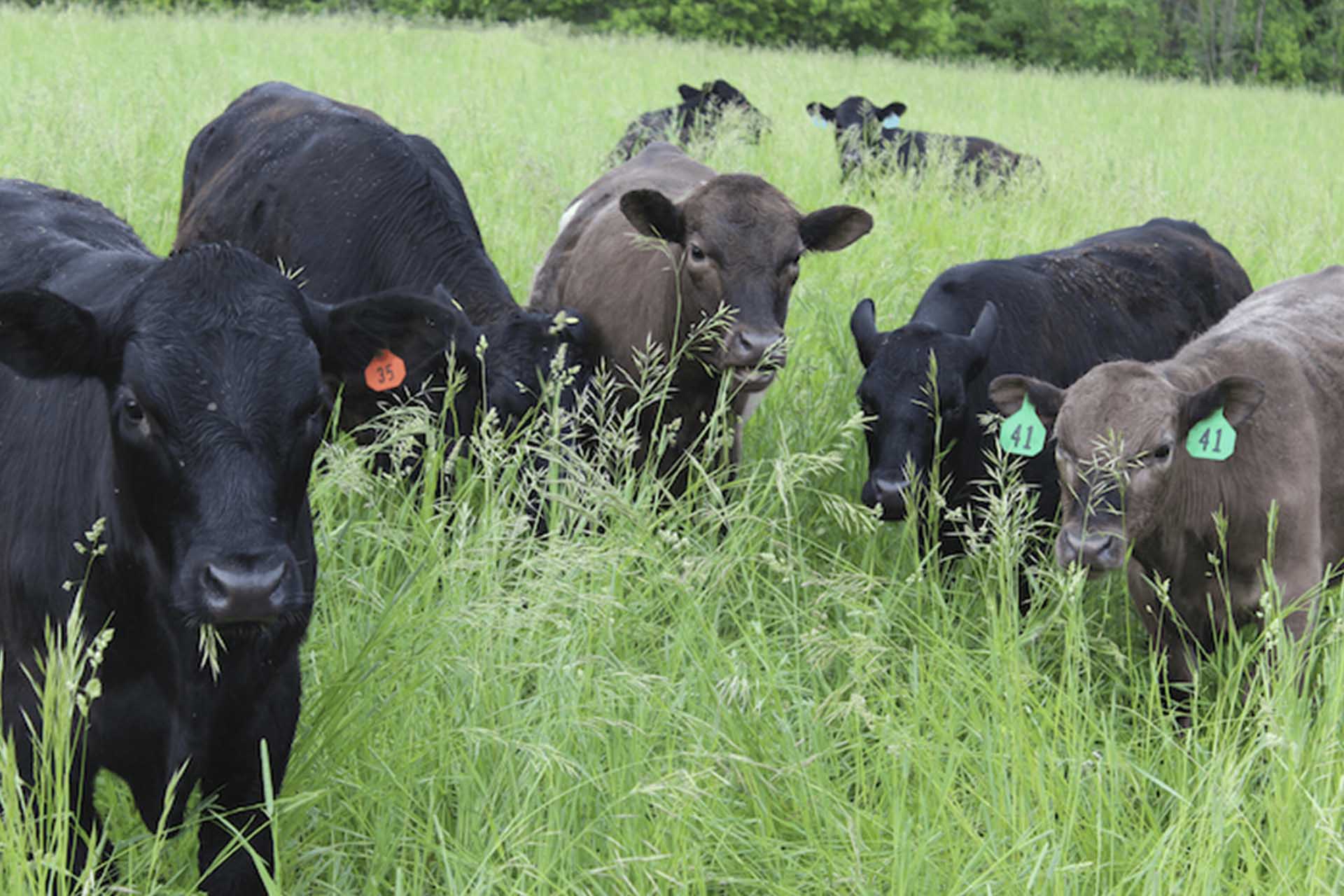
Farms that are 100% Grass-fed, practice Managed Grazing and are committed to Regenerative Outcomes are eligible to join Timberland’s regenerative leather supply chain. Farms need to be able to demonstrate their compliance with each of these criteria through verification via various market certification schemes, such as the American Grass-fed Association (AGA) standards, the Regenerative Organic Certification (ROC), the Savory Institute’s Ecological Outcome Verification (EOV), or Audubon’s Conservation Ranching Initiative.
However, it’s not enough for producers to have the right practices in place; they need to show that what they are doing is having a positive impact. Today, the tools and the science to measure that impact are limited, according to OHP Co-founder and CEO Jim Kleinschmit. But showing real soil benefits is the long-term aim of Timberland’s regenerative leather supply chain.
Mimicking nature
As per Timberland’s specifications, grass and grazing are a major focus in regenerative systems. The idea is that by moving animals around ranches in a way that imitates the natural movement of herds in the wild, there are benefits for the land. The approach is based on the rule of thirds: graze a third, trample a third and leave a third of the land as grass, which allows plants to regrow and boosts carbon storage in the soil.
As Timberland explains, “Our planet has a problem – there is too much carbon in the air and not enough in the ground. Regenerative practices mimic nature, enabling the land to pull more carbon out of the atmosphere and efficiently store it in the ground, where it can rebuild the structure of the soil, leading to healthy, hydrated, fertile ground – and ultimately, net positive impacts for the land and the farmers.”
In this way, regenerative leather made from cattle reared using regenerative practices actively restores the soil and improves productivity.
A growing trend
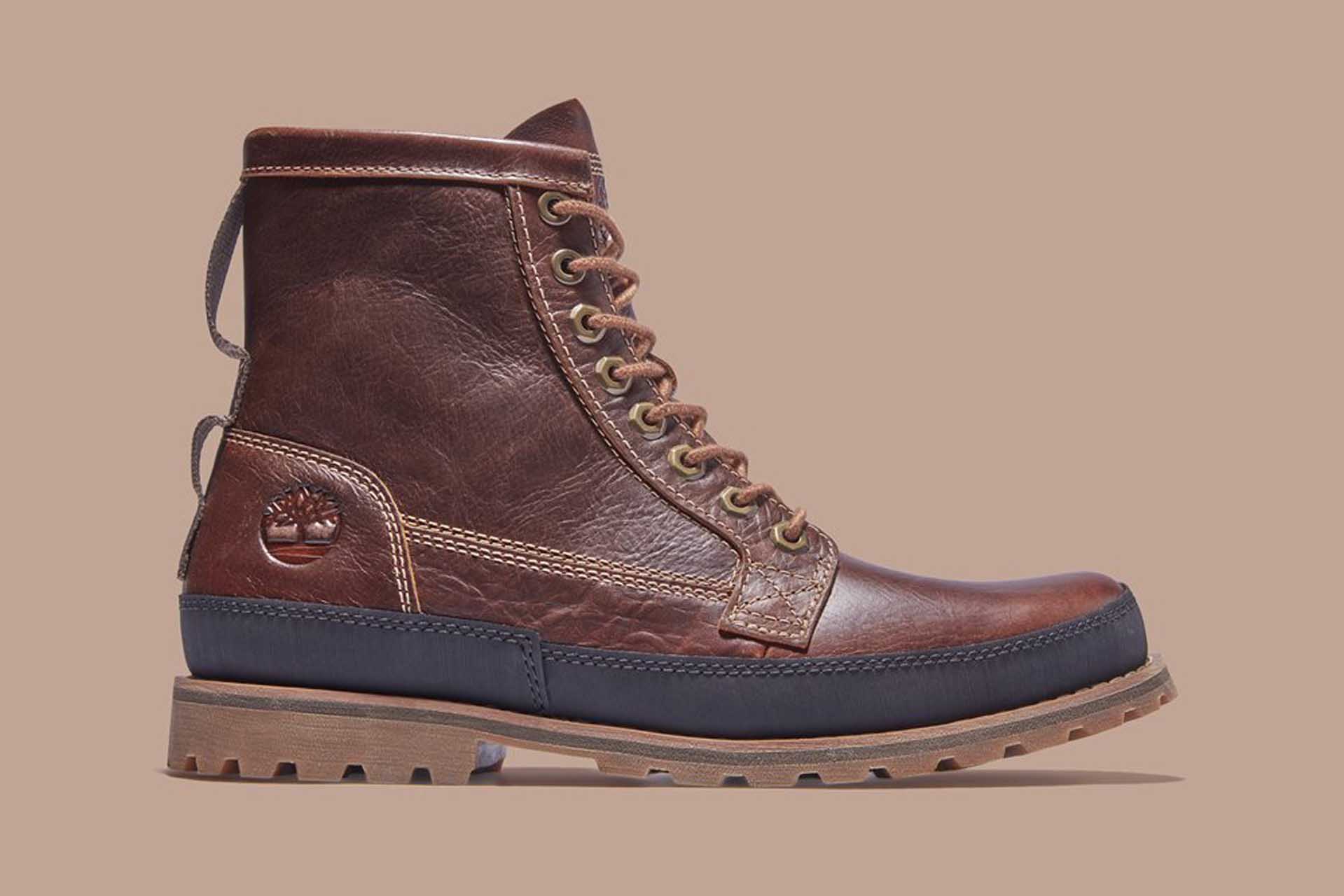
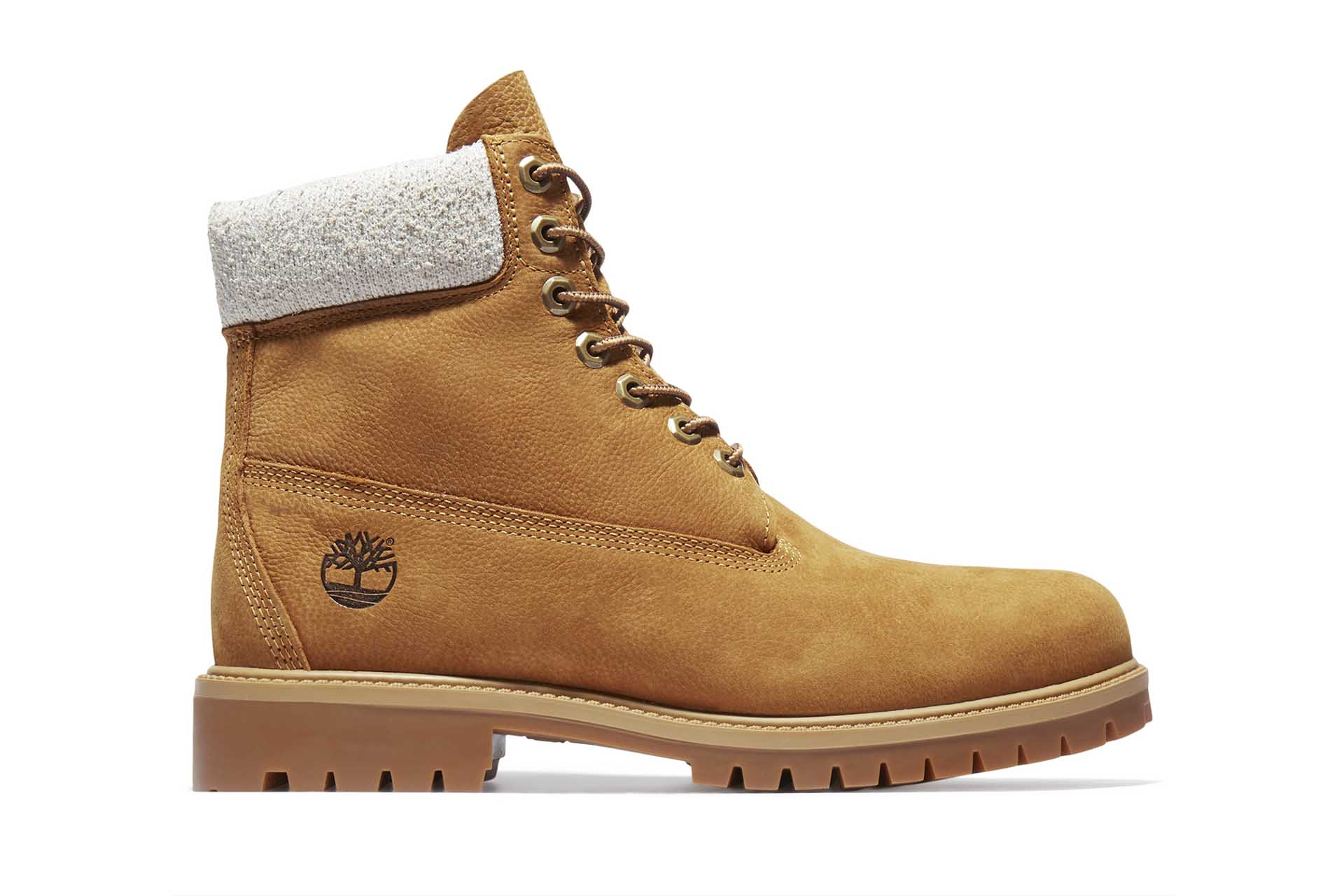
The results of Timberland’s regenerative leather supply chain can already be enjoyed, with several products already available. Most recently, the brand introduced updated versions of two of its most iconic styles – Earthkeepers® Original 6-Inch Boot with Regenerative Leather, updating the Earthkeepers® boot from 2007; and Timberland® Heritage EK+ 6-Inch Waterproof Boots with Regenerative Leather, based on the Original Yellow Boot design from 1973. In addition to using regenerative leather, both boots feature Timberland’s ReBOTLÔ fabric lining containing at least 50% recycled plastic.
However, while Timberland is the true regenerative leather pioneer, other brands are following in its footsteps. The most prominent is British luxury brand Mulberry, which outlined its regenerative aims in its Made to Last Manifesto in April 2021, including plans to develop “the world’s lowest carbon leather sourced from a network of environmentally conscious farms”.
In the words of the manifesto, “It is abundantly clear that Mulberry’s 50-year association with leather is both our greatest challenge and our greatest opportunity. That’s why we are pioneering a hyper-local, hyper-transparent ‘farm to finished product’ supply chain and working with a network of progressive farmers who are committed to practices that improve soil health and encourage biodiversity.”
The prospect of more brands investing in regenerative leather is exciting. Leather is already sustainable by dint of the fact that it’s made from a by-product from the meat and dairy industry that would otherwise go to waste. But regenerative leather goes beyond sustainability. It goes deep into the soil, helping nature thrive and giving back to the Earth more than it takes out.

By Stephen Sothmann of Real Leather. Stay Different.

PUMA: No Time For Waste
PUMA pilots testing for a biodegradable RE:SUEDE version of its most iconic sneaker.
Sports company PUMA has developed an experimental biodegradable version of its most iconic sneaker, the SUEDE, in order to meet a growing demand for sustainable products. The RE:SUEDE, which incorporates a mix of the latest technologies, will be made from materials that include Zeology tanned suede, biodegradable TPE and hemp fibres.
Zeology tanned leather is biodegradable and compostable and its inclusion in the RE:SUEDE project underlines the important role that leather can play in setting new standards in sustainability and tackling the problem of waste in the footwear industry.
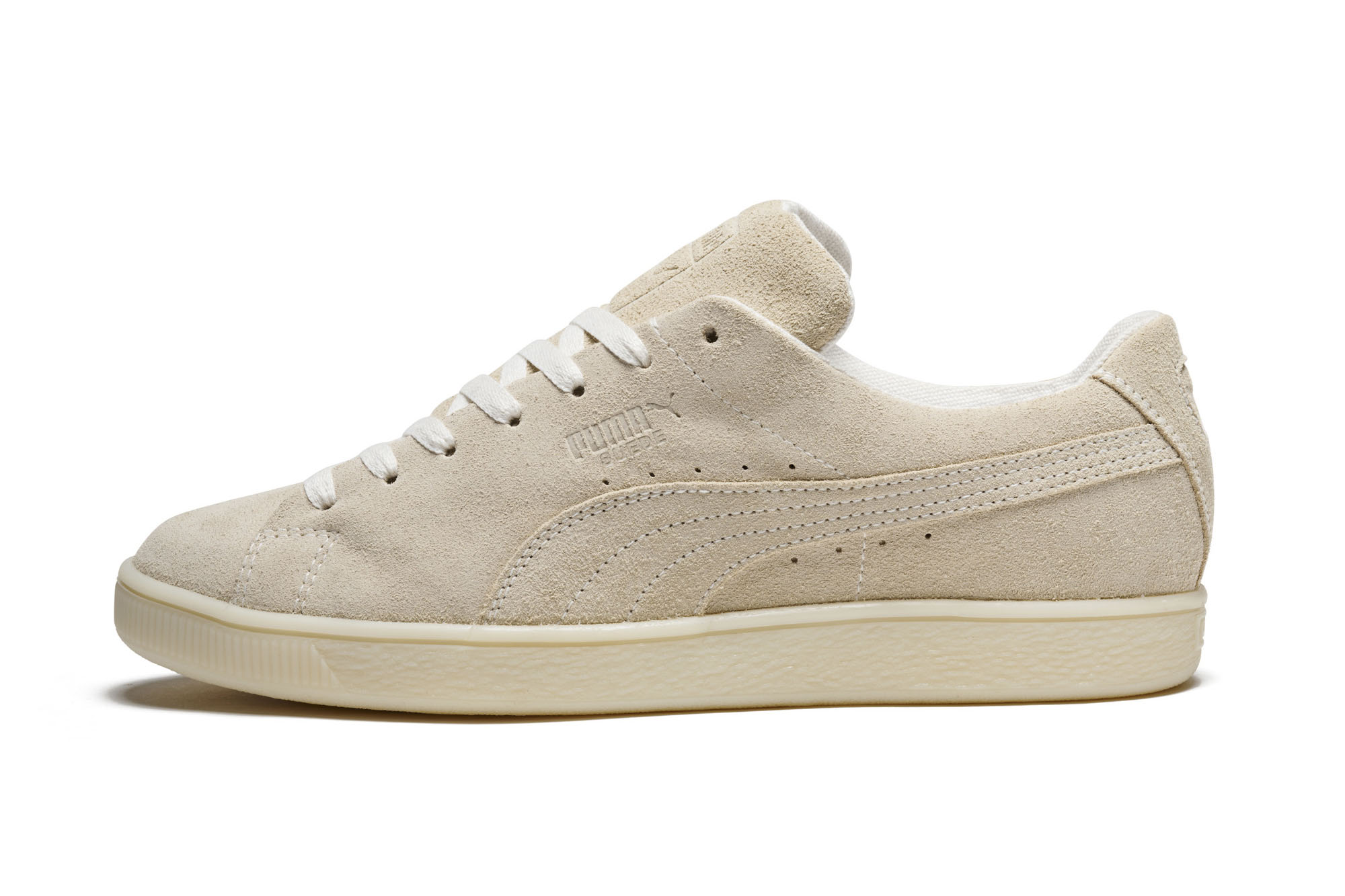
Launching in January 2022, it will offer 500 selected participants in Germany the chance wear their RE:SUEDEs for six months to test out the durability of a product using biodegradable materials in real life, before sending them back to PUMA for the sneakers to be subjected to an industrial biodegradation process.The goal of this step is to determine if Grade A compost can be produced for agricultural use and the results will enable PUMA to assess the essentials needed for the development of the future of sustainable shoe consumption.
Heiko Desens, PUMA’s Creative Director said, “We hope that progress made during the RE:SUEDE experiment: ‘No Time For Waste‘ will help us continue to raise the bar in circularity testing – enabling our consumers to make better fashion choices in the future, so their sneakers can go ‘from Suede to Soil’, without compromising on product style or durability during ownership.”
Since its arrival on the scene in 1968 the PUMA SUEDE has been a cultural icon that transcends fashion, with this new development it is hoped that it will set the standards of the future too.

Anya Hindmarch Launches Return to Nature Collection
Challenged by the idea of a zero-waste future, and looking to nature for inspiration, Return To Nature is the result of two years of research and innovation.
In support of DIRT, the foundation for the regeneration of the earth
It has involved seeking out tanneries who can offer fully traceable skins, tracking down craftspeople who have developed pioneering tanning and finishing methods, and finding ways to make straps adjustable and bags secure without using any hardware. The result is a collection of luxurious bags that have been created with the intention of being biodegradable at the end of their lives, not just to avoid further landfill but also to mimic nature’s circularity and start a conversation about fashion’s role in the climate crisis.
In support of DIRT, the foundation for the regeneration of the earth
“A few years ago I heard Arizona Muse taking about the idea of a leather bag that could be tanned in a way that allowed it to biodegrade and return to the earth at the end of its life. There is no waste in nature, and this and Arizona’s words inspired me to embark on a lengthy project to see if I could make a beautiful bag from responsibly sourced leather, without using any hardware and tanned in a way that meant that it could biodegrade and ultimately return to nature. This is what I set out to do.”
Anya Hindmarch
Anya Hindmarch has worked with the family-run German tannery Richard Hoffmans (est.1899) and with Nera, part of family-owned company Smit & Zoon (est.1821) based in the Netherlands to develop this collection. The skins are sourced from Scan-Hide’s Swedish farms who have some of the highest standards of animal welfare in Europe and can offer traceability to the animal and its field.
The leather is made with zeology, an innovative new way of tanning that uses zeolite, and is finished with liquid silk to allow the bag to biodegrade 64% in 28 days (tested by BLC ISO 20136 a leather specific method used to determine degradability by microorganisms.)

Each piece is hand finished in Ubrique, the small town in Andalucia which has been world- renowned for its leather industry for over half a century.
As the project was inspired by environmentalist and sustainability consultant Arizona Muse’s words, Anya Hindmarch has partnered with Muse’s new, independent charitable organisation DIRT, with sales of the collection supporting the charity. The foundation is focused on promoting and supporting biodynamic farming, a regenerative agricultural system that enriches rather than depletes. By starting with asking how the land can be supported, biodynamic farming aims to create land which is healthier and more nutrient-rich season after season. For each product sold globally, a proportion of its retail price will be donated to DIRT, from £5 to £10.

In support of DIRT, the foundation for the regeneration of the earth
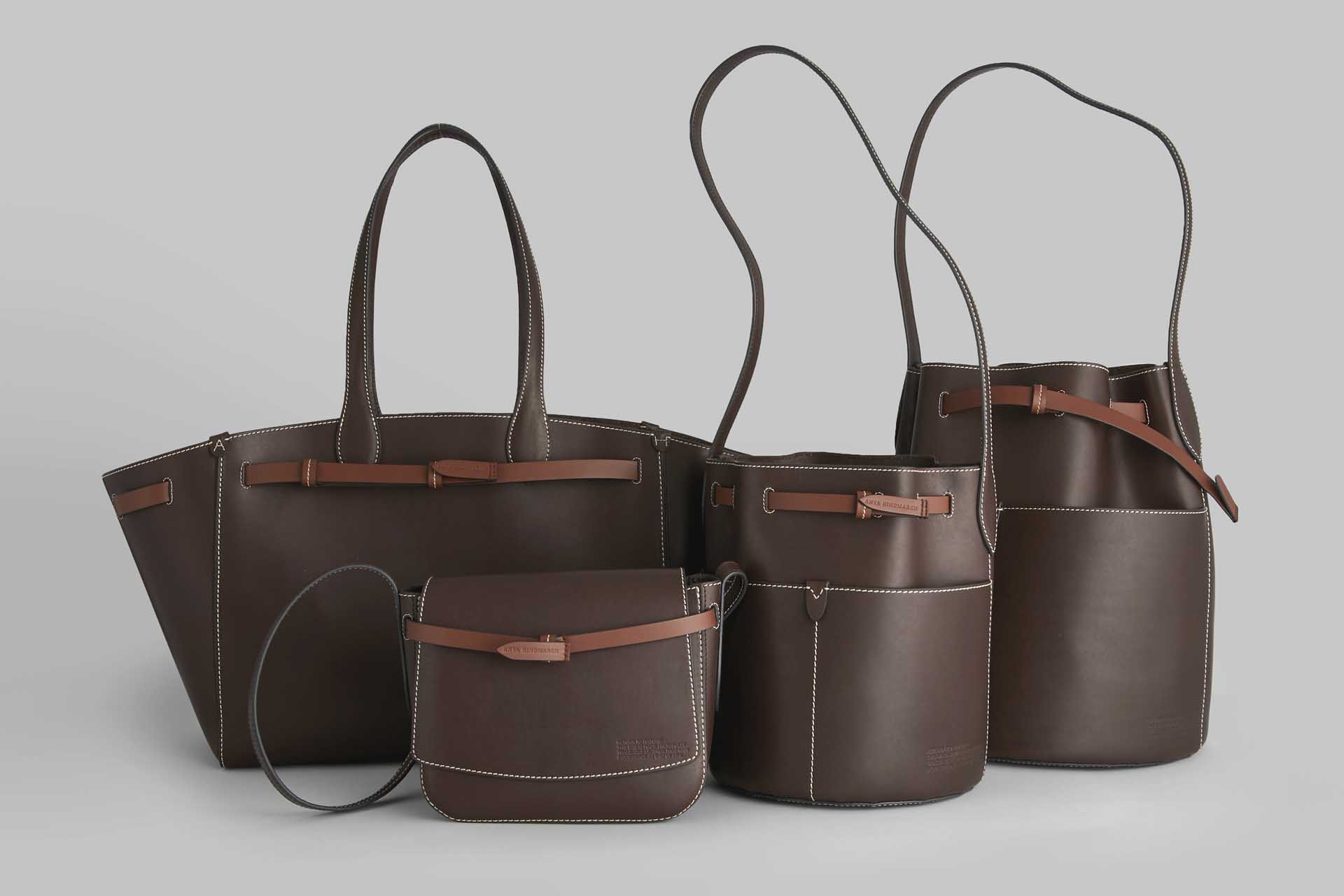
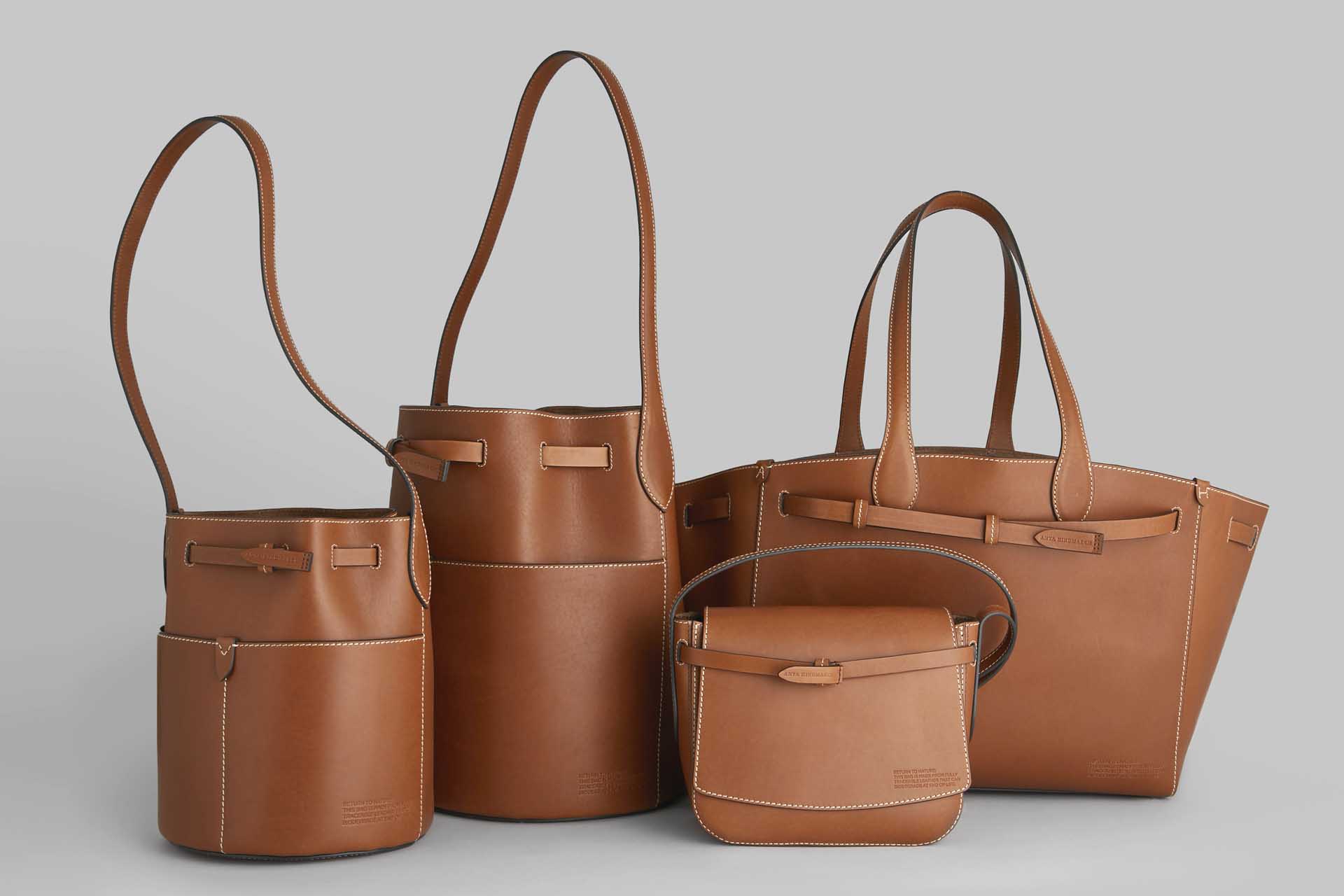
The collection is made up of three styles: a tote in two sizes, a bucket bag and a cross-body bag. All are available in either natural tan or dark chocolate. Each piece is supple and spacious, features the brand’s signature organisational elements inside, is stripped of any hardware and instead features a belt technique to fasten the bag and adjust the straps. Two collectible charms, a sycamore and an oak leaf, characterise the collection. With a pared-down aesthetic, the bags are designed to develop a beautiful patina over time. A customer’s initials can be added for a bespoke finishing touch.
“Nothing makes me happier than watching the development of the fashion industry as we all strive towards a regenerative future where every single product that is produced has a positive impact on nature and humans. I am therefore so proud to partner with Anya Hindmarch to celebrate her new range of biodegradable leather bags. These bags, once they have been loved by their owners for years and years, will be able to decompose back into soil, providing nutrients for the micro organisms beneath our feet!”

Leather Offers Lifetime Performance for Your Car Seats
The way we use our cars is changing – leather should be along for the ride.
As a commitment to reduction in consumption and more sustainable lifestyles consumers are looking to buy in products that last longer, cars are no exception. Conversely, a growing trend, particularly in cities is to own no car at all, but to use car-sharing schemes.
Whether you’re a careful car owner that wants to make the most of your investment or a subscriber to car-sharing as and when you need it, your requirement is for interiors that can stand up to the wear and tear of everyday use, be easy to clean, will be the same.
It is for these reasons, combined with the unique touch that leather brings that it has been a long-time favourite for car seating and interiors. It is no surprise that Bentley Motors places such high importance on leather in its quest to be the most sustainable luxury car brand.
One4Leather is a great resource for anything you want to learn about automotive leathers and you can read the full article in its website here.

Get Access to METCHA Forward, a Trend Report to Inspire and Inform
METCHA’s new initiative compiles leather-oriented trends for the near future covering all major industry areas of concern in an exclusive report.
(Main shot – CASABLANCAⒸ \ NEW BALANCE (article))
METCHA FORWARD, the trend report is the first edition of a behavioural analysis divided between sustainability, lifestyle, fashion, sneakers, furniture, and automotive.

Image (left) Federico Pestilli x Luca Stefanon x Andrew Archeos (article) (right) Olivier Rousteing (article)
The METCHA team has identified 28 leather-oriented trends to inspire and guide through the coming seasons. Published in a comprehensive report, it covers the subjects of sustainability, lifestyle, fashion, sneakers, furniture and automotive.
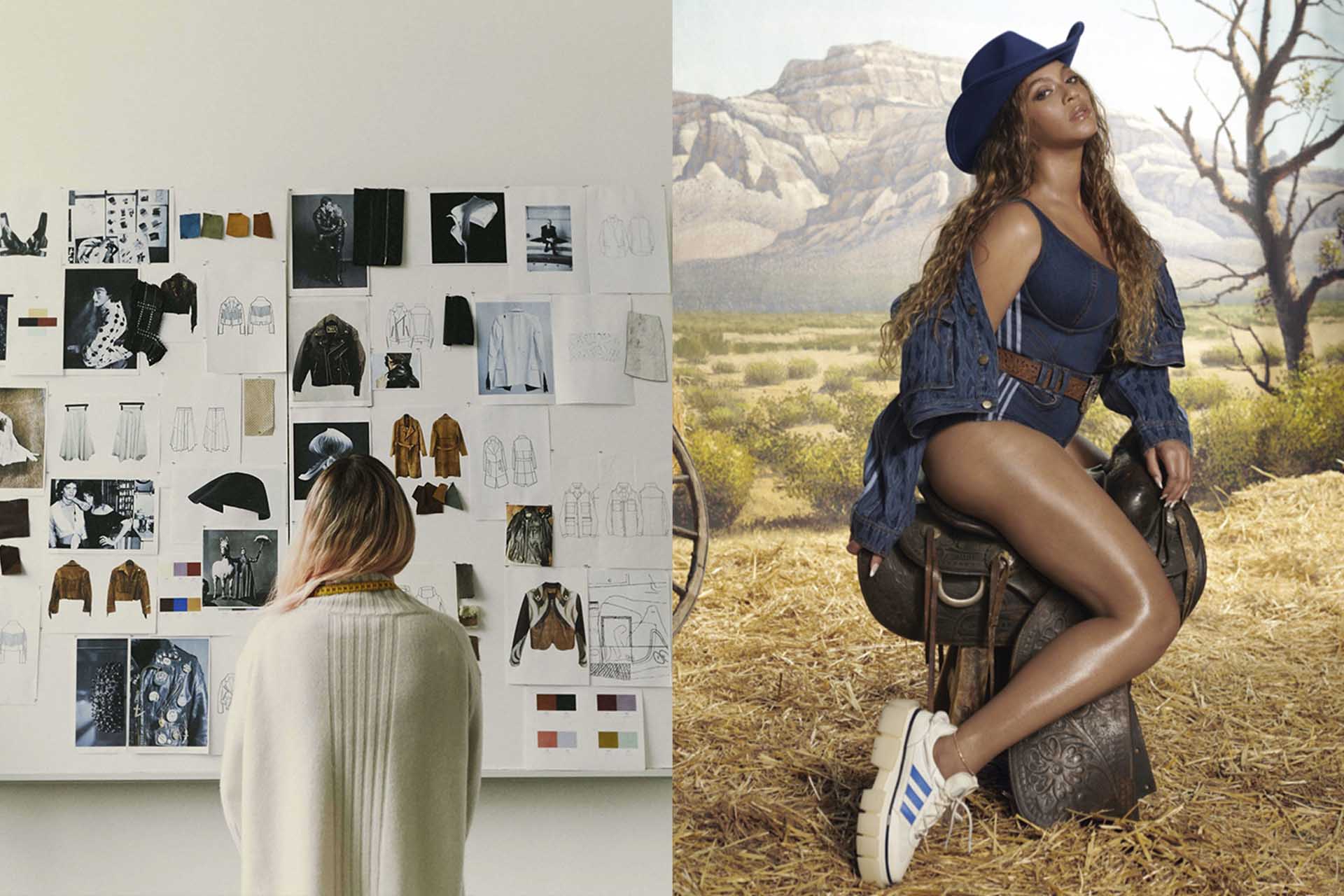
Image (left) Murray Fredericks x Matthew Woodward Architecture (article) (right) ALLSAINTS (article)
Download the report for free here, where you can also sign up to automatically receive the next issue.
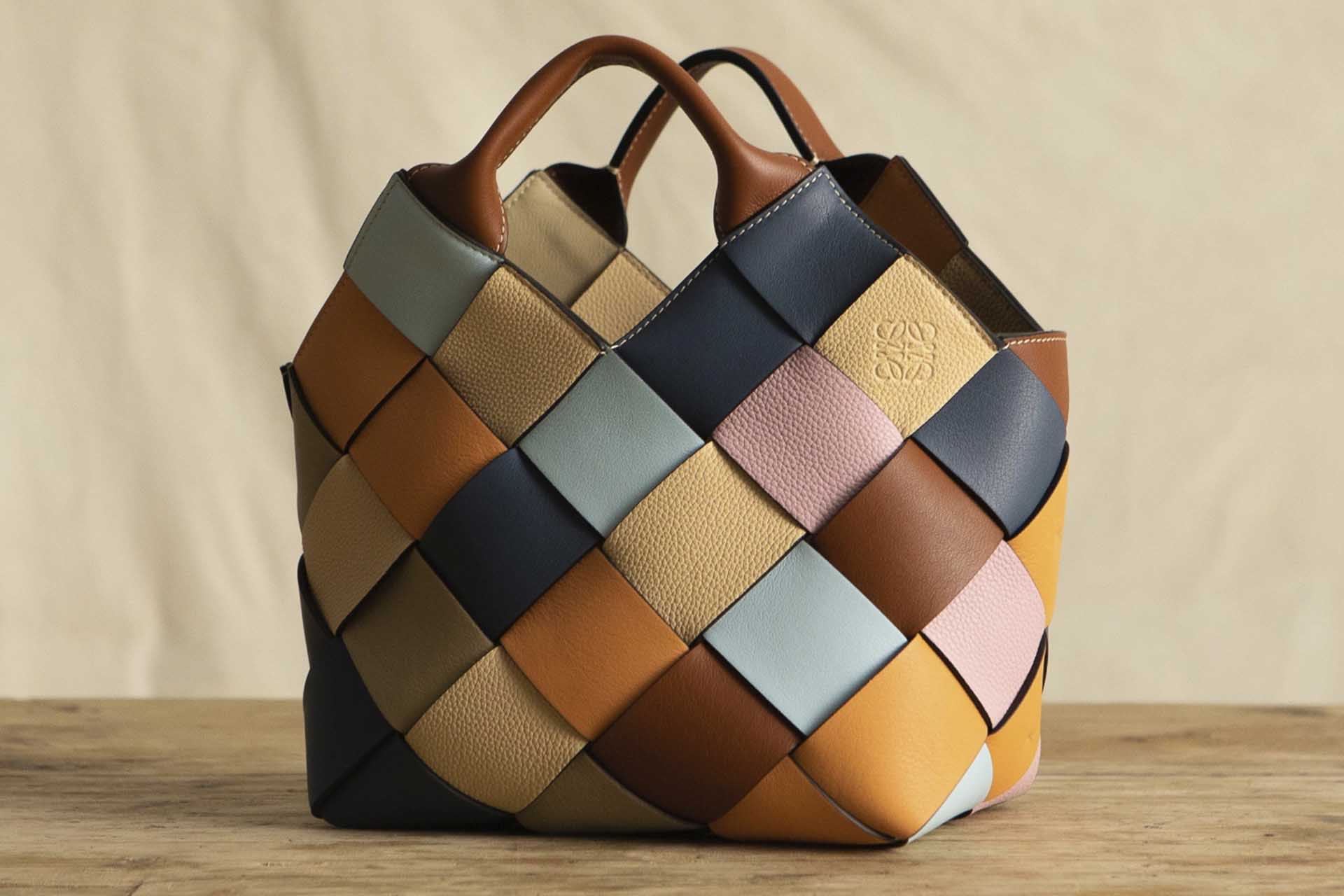
Powered by Leather Naturally, METCHA is a global digital platform that brings together creatives, stories, and strong ideas about design and culture across the globe. More than 3.8 million people rely on its mix of news, style, interviews and design goals that are served up every day on its website and through its social media channels.
Check out the website https://metcha.com and follow @metcha on Instagram to for 500 monthly hits of creative inspo direct to your feed.

PALAPA
PALAPA takes its name from the Spanish word referred to a shelter roof made of dried palm leaves. The most common place to see a palapa is in Mexico’s tropics.
LN: What does your brand name “Palapa” mean?
PALAPA takes its name from the Spanish word referred to a shelter roof made of dried palm leaves. The most common place to see a palapa is in Mexico’s tropics. Being born and raised in Acapulco, palapas were part of the local architecture. As a kid, a palapa is that space that provides refuge from the sun after spending hours in the water. Is where you put the hammock up and take a nap, is where you gather with friends, it’s a space to wind down and enjoy the present moment. Why did I choose this name for our huarache brand? First of all, l love the analogy of providing shelter to your feet. Second of all, because palapas and huaraches have a lot in common: they are both traditional crafts, handwoven, sourced from organic materials and their construction allows air flow. They both age beautifully and with proper care, could last a lifetime. Lastly: we love the sound of the word, in English: “pah-lah-pah”, it’s like a mantra.
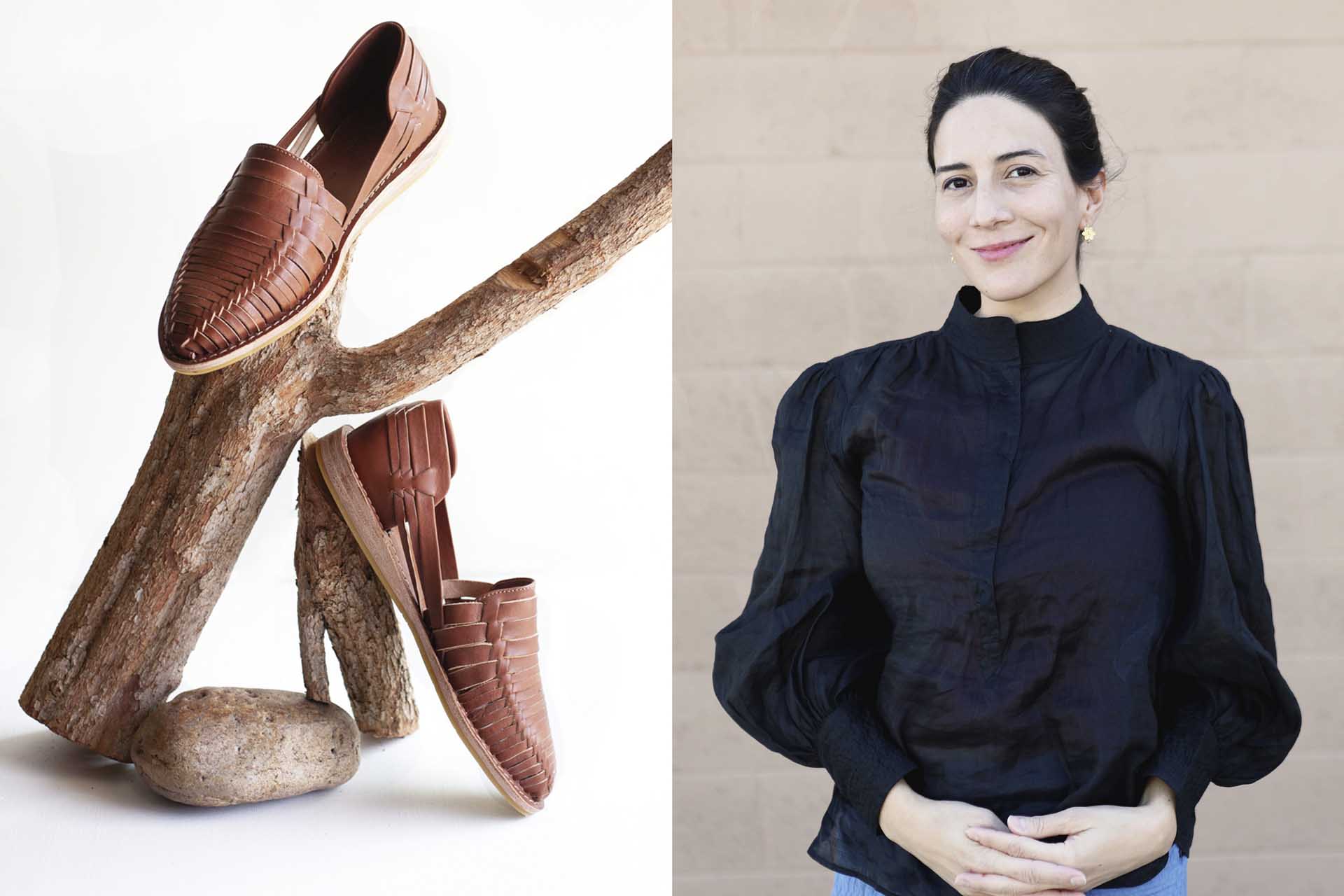
LN: When did you start your business and why?
We only launched PALAPA a few months ago (July 2021) but started working on developing the product and the brand since 2019, when my youngest daughter was only 10 months old. Prior to founding Palapa, I pursued a career in Art History and worked as an art editor, covering the arts in magazines and newspapers across Mexico, so I have always been interested in Mexico’s art scene as well as its traditional crafts. But my interest in footwear, particularly, started when I was pregnant with my first child, in 2016, and my feet started to hurt. I remember particularly one hot summer day in NYC (where I lived for six years): I was five months pregnant and looking for a comfortable sandal to wear throughout the last stages of my pregnancy but the more I looked, the more uninspired I felt. In regards to footwear it was always an “either – or” situation: you either got comfort or you got style, but never both. Although I’ve always valued the story behind how things are made, when becoming a mother I became more radical about my lifestyle choices and began a journey towards a more sustainable life. Living in California and looking for “the perfect sandal” let me to a product made in my home country: Mexico’s handmade huaraches. The journey started there. When I had to take a trip back home to start the process of creating what I think are the perfect sandals. It is funny how you sometimes have to take a few steps back to go forward. A dive in the past of a forgotten pre-columbian craft that lead us to create what we think is the future of footwear.
LN: Palapa is run by women only. Why only women?
I will like to emphasize that PALAPA is not only lead by women, but led by Mexican/Mexican American or what is now referred to as Latinx women. You don’t see that many Latinx females going into the start-up world, let alone creating a company from scratch. And that reason is not for the lack of drive or talent, but the lack of support even to allow them to lead in the workplace. The most important factors that come into play when creating your own company are socio-economic, race, geography and gender. We have been lucky to be in this point in our careers and only hope to become a point of reference for brown girls in the US. Because although I am very optimistic about the fact that these are better times to be a female entrepreneur in the US, there is a long way to go to for Latinx women.
LN: Can you tell us who is your main target group?
Women of all ages that appreciates handmade and well-made pieces that can be part of their effortless-chic wardrobe and sustainable journey.
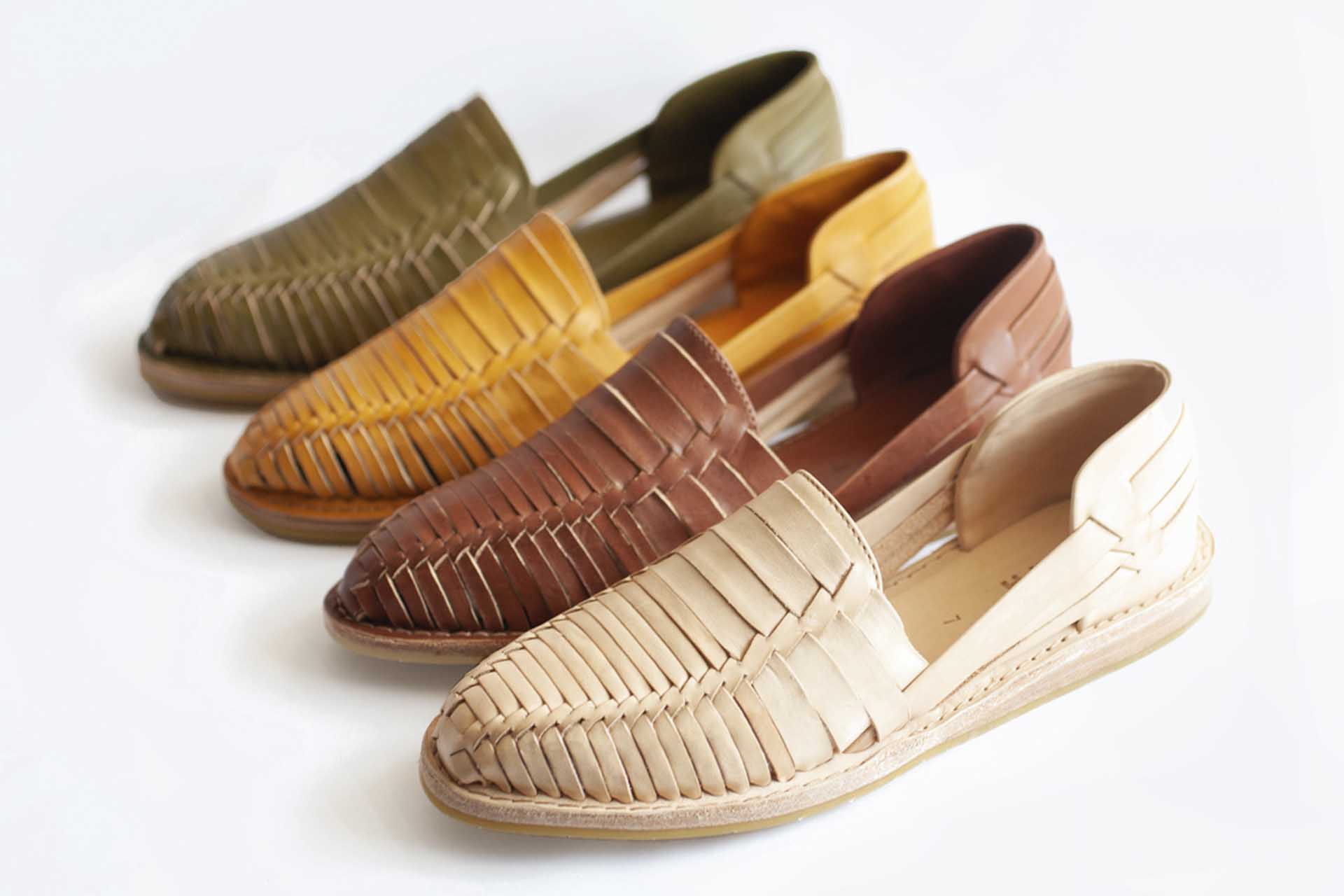
LN: What are your sandals designed for?
We founded PALAPA on the principle that women should not have to sacrifice style for comfort, and are committed to providing the highest quality not only in aesthetics but in the raw material you are stepping your feet on. That is why we have the highest quality leather in the market, one that provides wellness to your feet because it is breathable, antiallergenic and flexible. We have a motto that says: “wear every day, everywhere with everything” and we mean it. We essentially designed a sandal that gets more comfortable the more you wear it.
LN: You say: we honor tradition by mindfully crafting our sandals with responsible materials, tell us more.
PALAPA takes pride in offering beautiful soft leather that is also sustainable. The brand’s leather provider is based in León, Guanajuato, and is one of the few in the world with a gold standard in ecological and ethical practices from the rigorous International Leather Working Group. The result is a shoe that is made with leather treated with 100% natural components, metal free, and without chrome.
LN: Why have you chosen to use leather for your sandals?
Leather is a flexible material and allows you the possibility to have long-lasting sandals that mould to your feet. Our leather is treated with natural components which allows it to age beautifully, developing a natural patina. Our leather is also breathable and anti-allergenic, therefore is ideal for footwear.
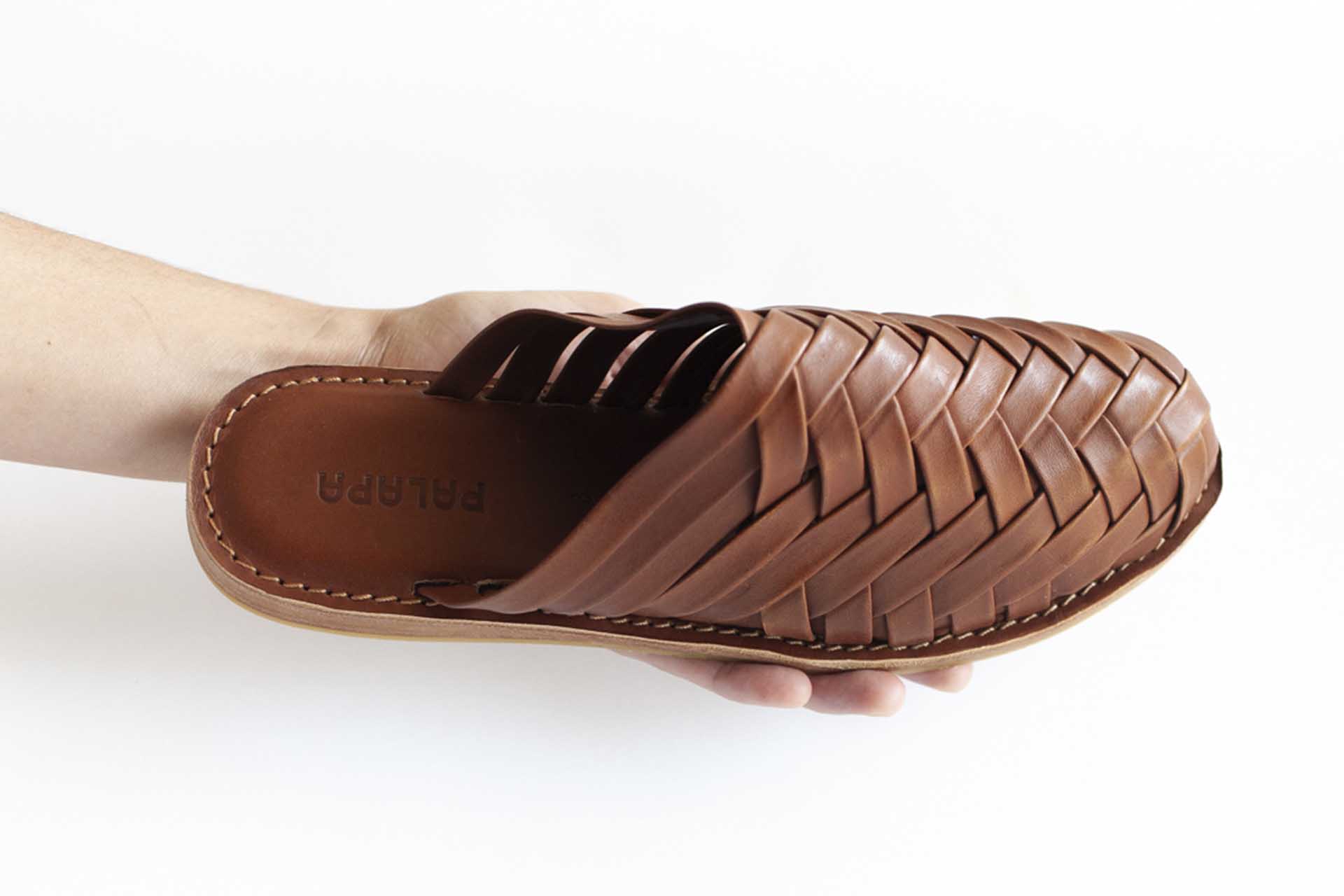
LN: Please tell us about your sustainability goals with your sandals.
Sustainability is a path and we are constantly working on improving. There is always a way to be sourcing more eco-friendly materials and making processes more efficient and clean, from design to distribution. Our goals are to keep sourcing our raw materials from responsible providers and keep building a product that lasts.
LN: How does a consumer know to choose the right pair of leather sandals?
I think it is important for them to know if their sandals are 100% leather, as some brands only invest in leather for the upper of the shoe and not the inner sole. If you are landing every step in a synthetic material you are not getting the benefits of real leather which is its natural barrier against moisture and bacteria.
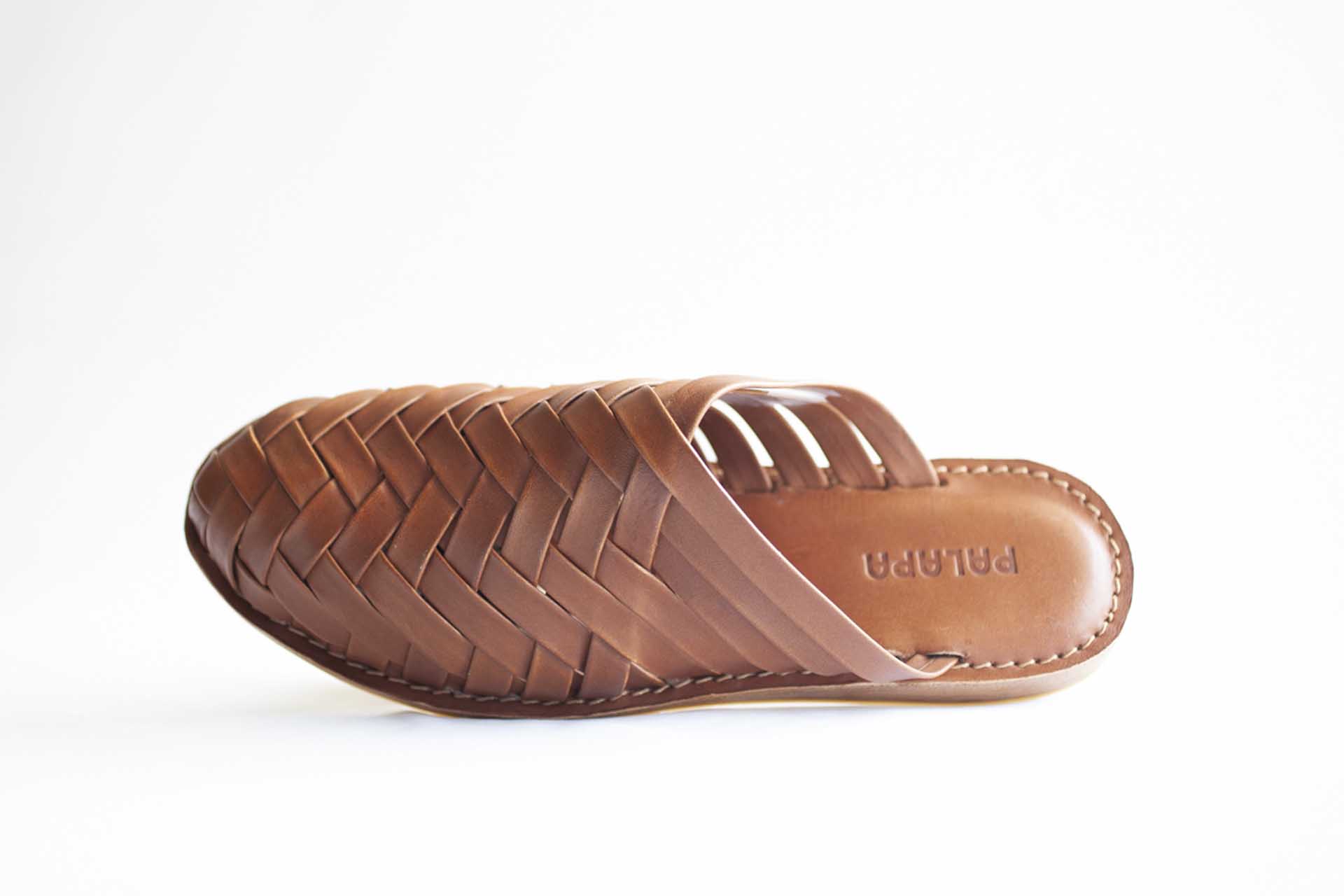
LN: Tell us more about your plans for the future
We are hoping to launch men’s sandals soon! Stay tuned!

ECCO Debuts Innovative Bags and Accessories Concept
ECCO Leather Goods is a new bags and accessories concept that includes pieces made with the DriTan technology, which reduces water consumption.
ECCO Leather Goods is a collection designed in-house, using leather from ECCO’s own gold-rated tannery. It combines craftsmanship, responsibly made leather and functional design for an on-the-go consumer looking for bags that fit their lifestyle.
“ECCO Leather Goods is an opportunity for ECCO to connect with a younger, more modern consumer that we’ve dubbed the ‘New Utopians.’ We aim to be radically inclusive and proudly introduce them to the future of leather accessories,” says Stefano Pillepich, Head of ECCO Leather Goods.
Many of the bags are hands-free, giving the wearer greater freedom of movement. Within the line are many small leather goods that can be attached to one another to create eclectic and unique combinations. On top of this, the collection is gender-fluid, meaning anyone can wear any piece – there are no men’s or women’s styles.
An important feature in the range is pieces made with DriTan leather, which is made using a technique that both reduces water consumption in the process and produces less waste water.
To learn more about DriTan technology, visit https://eccoleather.com/dritan#
“From the research we conducted, we feel we have really good insights into what young, ethically-minded consumers want and what they’re missing. We use the most innovative leathers from ECCO Leather, with eco-conscious materials including DriTan leathers and certified sustainable textiles,” explains Stefano Pillepich.
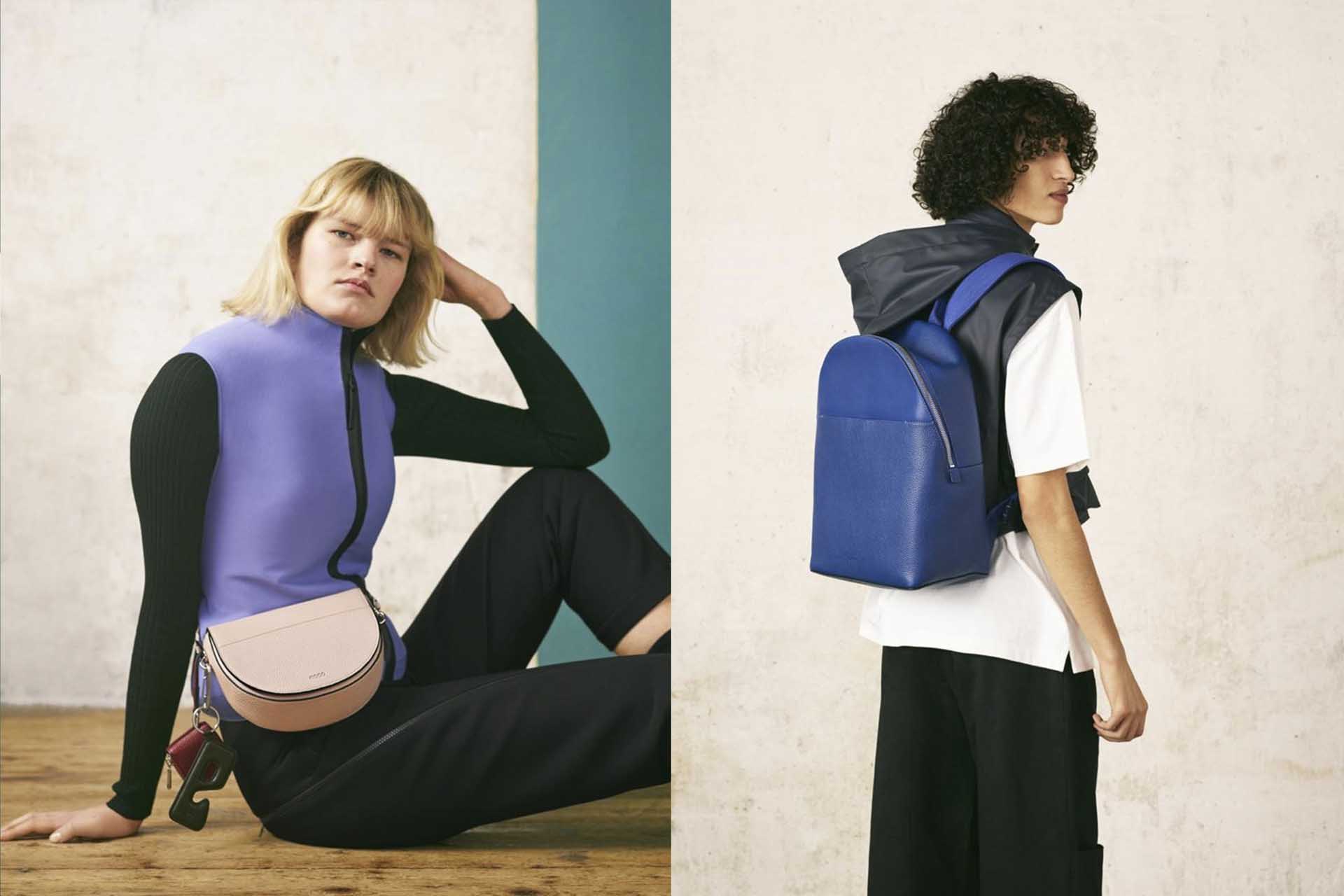
The ECCO Leather Goods concept has been inspired by the rebellious and soulful aesthetics of the ECCO brand’s founding years in the 1960s. Lettering from the archives is reborn in an alphabet of attachable charms.
ECCO is a member of Leather Naturally – Ecco Leather


COP26-Our-Materials-Impact-Our-Climate
The leather industry calls on COP26 to prioritise natural materials
The world needs materials that are sustainable, renewable, recyclable, biodegradable, and most importantly, do not add to the burden of atmospheric carbon.
Natural fibres, such as leather, cotton, wool, mohair, alpaca, silk, hemp and mycelium, are part of the biogenic carbon cycle and as such are comprised of carbon that has been in the atmosphere for a millennia.
These readily available raw materials, when ethically and properly produced, are an important replacement for fossil fuels, reducing the need for its extraction and retaining more carbon in the earth.
Furthermore, at the end of life, properly produced natural materials will biodegrade, limiting their impact and mitigating harmful emissions, such as microplastic pollution, often associated with the synthetic materials that they replace.
With particular reference to leather, the leather manufacturing sector upcycles an unavoidable waste from the food industry, to produce a versatile, durable, unique material, ideal for the circular economy that the world must move towards.
However, these same materials are often dismissed through a lack of understanding of the manufacturing process and its supply chain, or through the application of questionable science generally in the form of incomplete and incomparable or out-dated Life Cycle Assessments (LCAs), and the marketing of new, often fossil fuel-based materials claiming unsubstantiated levels of sustainability.
As shown by some emerging climate science studies, such as the GWP* model, production and use of biogenic materials typically does not add to the warming burden of the atmosphere, and where it does, the effects are short-lived. This is in contrast to materials produced from fossil-fuels, which release carbon that has been locked in the earth’s core for a millennia, and will persist in the environment, contributing to climate change.
Therefore, we, the undersigned organisations, call on the COP26 forum to…
…Recognise the cyclical, climate efficient nature of natural fibres and their potential for a positive contribution to reducing the climate impacts of consumer products.
…Encourage the use of natural fibres wherever feasible and reduce unnecessary reliance on fossil-fuel-based materials.
…Support LCA methodologies that accurately account for the environmental impact of fossil-fuel based materials, including end of life properties.
…Promote ‘slow fashion’, durable products, and items that can be used many times, repaired and refurbished, and last for years.
Signatories to the Leather Manifesto
Asociación Española del Curtido (ACEXPIEL – Spanish Tanners’ Association)
Associação Portuguesa dos Industriais de Curtumes (APIC – Portugal Tanners’ Association)
Association of Dutch Hide Traders (V.N.H.)
Australian Hide Skin and Leather Exporters’ Association Inc. (AHSLEA)
Cámara de la Industria de Curtiduría del Estado de Guanajuato – México (CICUR)
Cámara Nacional de la Industria de Curtiduría – México (CANALCUR)
Centre for the Brazilian Tanning Industry (CICB)
Centro Tecnológico das Indústrias do Couro (CTIC – Leather Center in Portugal)
China Leather Industry Association
Confederation of National Associations of Tanners and Dressers of the European Community (COTANCE)
Dutch Association of Leather Chemists & Technicians (NVLST)
International Council of Hides, Skins and Leather Traders Association (ICHSLTA)
International Council of Tanners (ICT)
International Union of Leather Technologists and Chemists Societies (IULTCS)
Fachverband der Textil-, Bekleidungs-,Schuh- und Lederindustrie – Berufsgruppe
Ledererzeugende Industrie (Austrian Association of Textile, Clothing, Shoe and Leather Industry – Leather Producing Industry Group)
Fédération Française des Cuirs et Peaux (French Hides & Skins Association)
Fédération Française Tannerie Megisserie (French Tanners Association)
Leather and Hide Council of America
Leather Cluster Barcelona
Leather Naturally
Leather UK
Leather Working Group
One 4 Leather
Society of Leather Technologists and Chemists
Sustainable Leather Foundation
Swedish Tanners Association
Turkish Leather Industrialists Association (TLIA)
UNIC Concerie Italiane (Italian Tanneries Association)
Verband der Deutschen Lederindustrie e.V. (TUV – German Leather Federation)
Wirtschaftsverband Häute/Leder (WHL – German Hide and Leather Association)
Zimbabwe Leather Development Council